Source Microwave SMA Male Jack Plug for Microwave, Audio, PCB
Compare 30 Microwave SMA Male Jack Plug options from verified Chinese manufacturers. Buyers can evaluate specifications like frequency range, impedance, and coupling mechanisms for terminal equipment and communication applications.
Key considerations
Products List


Antenna 50ohm Adapter BNC Female Jack to SMA Male Plug Connector Adapter
$0.60 - $1.27
MOQ: 200 Pieces

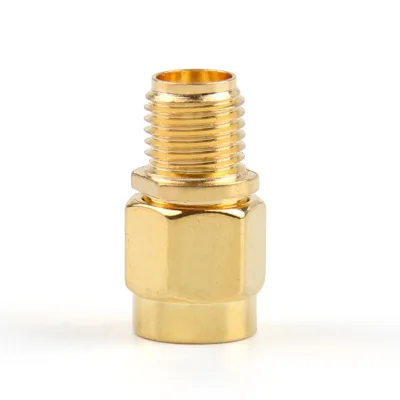


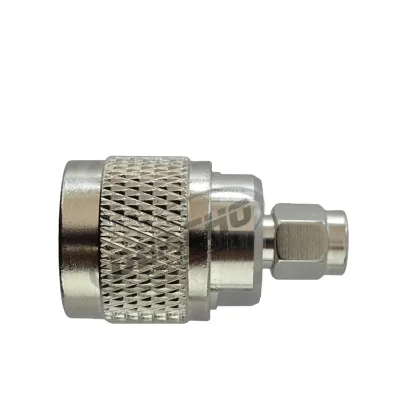




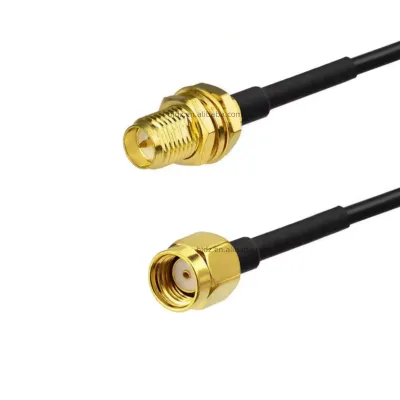
Comprehensive Sourcing Guide
Strategic Sourcing Guide for Microwave SMA Male Jack Plug Components
Understanding the Technical Landscape of Microwave Connectors
The procurement of Microwave SMA Male Jack Plug components requires a precise understanding of the specific technical attributes that define their performance in high-frequency environments. Based on the available product data, these components are fundamentally categorized as generally coaxial connectors designed for microwave applications. The core functionality relies on the impedance matching and signal integrity provided by the connector's physical construction. The standard impedance for these units is consistently observed at 50 Ohm, a critical parameter for minimizing signal reflection in RF systems.
The frequency range is a primary differentiator among available models. Some observed specifications indicate a frequency range extending from DC to 4GHz, while others support broader bandwidths up to DC-18GHz. When sourcing, buyers must verify the specific frequency requirements of their terminal equipment against the rated range of the component. The operating wavelength is explicitly noted as Microwave, confirming their suitability for high-frequency transmission lines. The physical structure typically takes the form of a cable and connector assembly, ensuring compatibility with various cable types used in industrial and communication setups.
Material composition plays a vital role in the durability and electrical performance of the jack plug. The standard materials identified include brass for the conductive body and PTFE for the dielectric insulator. This combination offers a balance of mechanical strength and low dielectric loss. To enhance conductivity and corrosion resistance, the plating is frequently applied as gold or Au. The choice between gold and other plating options should be validated against the environmental conditions of the intended application, as gold plating is generally preferred for maintaining low contact resistance over time.
Compliance and Certification Verification Protocols
In the global supply chain, verifying compliance with international standards is a non-negotiable step for B2B procurement. The supplied data indicates that certain products carry a RoHS Certificate status of Compliant. This certification ensures that the components are manufactured without specific hazardous substances, aligning with environmental regulations in many major markets. Buyers should explicitly request the RoHS certificate for every batch of components to ensure ongoing compliance, as manufacturing processes can vary between suppliers even within the same product line.
While RoHS is a confirmed attribute in the provided context, other certifications such as REACH are listed only as low-confidence background information. Consequently, procurement teams should not assume REACH compliance based on general market knowledge alone. Instead, the verification process must involve a direct request for the relevant documentation from the supplier. The absence of a specific certification claim in the product listing does not necessarily imply non-compliance, but it does necessitate a proactive inquiry to confirm the status before finalizing a purchase order.
The origin of the products is another critical compliance factor. The data specifies that the products originate from China, with specific mentions of locations such as Jiangsu and Zhenjiang. While this provides a geographical baseline, buyers must ensure that the specific manufacturing facility adheres to the quality standards required by their industry. The "Stable Connector" property listed in the attributes suggests a focus on reliability, but this should be corroborated with third-party test reports rather than relying solely on supplier descriptions.
Cost Drivers and Pricing Structure Analysis
The pricing structure for Microwave SMA Male Jack Plug components is influenced by several variable factors, including customization, order volume, and material specifications. The observed listed price range in the market data spans from $0.04 to $20 USD. This wide range reflects the diversity in product complexity, from basic standard connectors to specialized adapters with unique coupling mechanisms or extended frequency ranges. The lower end of the spectrum likely corresponds to high-volume, standard configurations, while the higher end may include custom designs or specialized materials.
Minimum Order Quantity (MOQ) is a significant cost driver in this sector. The data shows an MOQ range from 1 to 1000 pieces, with a specific high-confidence fact noting an MOQ of 100 pieces for certain models. For buyers with lower volume requirements, the unit cost may be higher due to the lack of economies of scale. Conversely, larger orders can leverage the lower price points observed in the $0.04 range. Buyers should carefully calculate the total cost of ownership, including the impact of MOQ on inventory holding costs, rather than focusing solely on the per-unit price.
Customization availability is another factor that impacts cost. The product attributes confirm that customization is available for these connectors. Customization often involves changes to the standard dimensions, plating thickness, or packaging requirements. For instance, specific packing standards such as "272010" or "Carton (32cmx29cmx23cm)" are noted, and deviations from standard packing may incur additional fees. The coupling mechanism, whether threaded or double bayonet plug-in, also influences the manufacturing complexity and, by extension, the price. Buyers should request detailed quotes that break down the costs associated with standard versus custom configurations to make informed financial decisions.
Typical Applications and Usage Scenarios
The versatility of microwave SMA male jack plugs allows them to be deployed across a wide array of industries and applications. The primary usage occasion is identified as terminal equipment, which encompasses a broad spectrum of devices used in communication and signal processing. The specific application areas listed include Microwave, Audio & Video, and PCB (Printed Circuit Board) integration. This indicates that these connectors are essential components in systems requiring reliable RF signal transmission, such as wireless communication base stations, test and measurement instruments, and consumer electronics.
The connector type is frequently specified as SMA Female Connector or SMA Connector and SMP Connector combinations, often functioning as adapters like the SMA Female to SMP Male RF Coaxial Connector Adapter. This versatility allows them to bridge different connection standards within a system. For example, in a PCB assembly, the connector might interface with a cable harness to transmit microwave signals to an external antenna or processing unit. The "Comm" (Communication) usage attribute further reinforces their role in telecommunications infrastructure, where signal integrity is paramount.
The physical shape of the connector, noted as "Strip" in some contexts, suggests specific mounting requirements or integration methods. This shape factor is crucial for designers working on space-constrained PCB layouts. The impedance of 50 Ohm and the frequency range up to 18GHz make these components suitable for high-speed data transmission and high-frequency analog signals. When selecting a connector for a specific application, buyers must ensure that the connector's frequency range and impedance match the system requirements to prevent signal degradation or reflection.
Supplier Evaluation and Selection Criteria
Selecting the right supplier for Microwave SMA Male Jack Plug components requires a rigorous evaluation process that goes beyond simple price comparison. The data indicates that the FOB (Free On Board) ports for these products are primarily Shenzhen and Guangzhou, which are major manufacturing and logistics hubs in China. Buyers should verify the specific port associated with their supplier to accurately estimate shipping costs and lead times. The payment terms observed include TT (Telegraphic Transfer) and Paypal, which are standard methods but should be evaluated for security and convenience based on the order value.
Supplier reliability is often reflected in the consistency of their product specifications. The presence of specific model numbers such as GL122A-6801, GL123A-7663, and GLTNC1605 suggests a structured product catalog. Buyers should request a comprehensive datasheet for each model to verify that the specifications, such as the VSWR (Voltage Standing Wave Ratio) and coupling mechanism, align with their technical requirements. The VSWR is noted as "Straight" for some models, while others specify a value of 1, indicating excellent impedance matching. These technical details should be cross-referenced with the supplier's quality assurance documentation.
The customization capability of the supplier is another key evaluation metric. Since customization is available, the supplier's ability to handle custom requests efficiently is crucial. Buyers should assess the supplier's lead time for custom orders and their willingness to provide samples for validation. The origin of the products, specifically from China, implies a need for clear communication regarding language, time zones, and cultural business practices. Establishing a direct line of communication with the supplier's technical team can help ensure that the custom requirements are understood and met accurately.
Quality Control and Performance Verification
Ensuring the quality of Microwave SMA Male Jack Plug components is essential for the long-term reliability of the end product. The data highlights several quality indicators, such as the "Stable Connector" property and the use of high-quality materials like brass and PTFE. However, these attributes should be treated as observations rather than guaranteed performance claims for every listed product. Buyers must implement a robust quality control process that includes incoming inspection and testing.
Key performance parameters to verify include the VSWR, impedance, and frequency response. The VSWR value of 1 is a benchmark for ideal performance, indicating no signal reflection. Buyers should request test reports that confirm the VSWR and impedance of the delivered batches match the specified values. The plating thickness and material composition should also be verified, as these factors directly impact the connector's durability and electrical conductivity. The standard dimensions, such as 0.65mm or 88.6mm, should be measured to ensure they meet the required tolerances.
Packaging is another aspect of quality control. The observed packing standards, such as "272010" or "500 Pieces in One Carton," suggest that the supplier has established packaging protocols. However, buyers should ensure that the packaging is sufficient to protect the components during transit, especially for sensitive RF connectors. The use of cartons with specific dimensions indicates a standardized approach, but the condition of the packaging upon arrival should be checked for any signs of damage. Implementing a random sampling plan for quality checks can help identify any potential issues before the components are integrated into the final product.
Long-Term Procurement and Supply Chain Considerations
Sourcing Microwave SMA Male Jack Plug components is not a one-time transaction but a long-term partnership that requires careful planning and management. The observed MOQ of 100 pieces and the price range of $0.04 to $20 suggest that buyers need to balance inventory levels with cash flow constraints. For high-volume applications, establishing a long-term contract with a supplier can help secure better pricing and ensure a steady supply of components. The availability of customization options also means that buyers should plan for potential design changes and ensure the supplier can adapt to these changes without significant delays.
Lead times and logistics are critical factors in long-term procurement. With FOB ports in Shenzhen and Guangzhou, buyers should be aware of the potential impact of shipping delays, customs clearance, and port congestion. Establishing a reliable logistics partner and maintaining open communication with the supplier can help mitigate these risks. The payment terms of TT and Paypal offer flexibility, but buyers should consider the implications of payment timing on their cash flow and supplier relationships.
Finally, the long-term viability of the components should be assessed in the context of technological advancements. As RF technology evolves, the demand for higher frequency ranges and smaller form factors may increase. Buyers should work with suppliers who are committed to innovation and can provide updated product lines that meet future requirements. By maintaining a strategic approach to procurement, buyers can ensure a stable supply of high-quality Microwave SMA Male Jack Plug components that support the continued success of their terminal equipment and communication systems.
FAQs
What is the standard impedance for microwave SMA male jack plugs?
The standard impedance is 50 Ohm. This value minimizes signal reflection in RF systems and is consistently observed across the available product models for optimal performance in high-frequency environments.
Which frequency ranges are available for these microwave connectors?
Available frequency ranges extend from DC to 4GHz or DC to 18GHz. Buyers must verify the specific frequency requirements of their terminal equipment against the rated range of the component to ensure signal integrity.
Can these connectors be customized for specific application needs?
Yes, customization is available for these connectors. Options may include changes to standard dimensions, plating thickness, or packaging requirements, though specific fees may apply for deviations from standard configurations.
What materials are used to construct these microwave connectors?
The standard materials include brass for the conductive body and PTFE for the dielectric insulator. Gold plating is frequently applied to enhance conductivity and corrosion resistance for long-term reliability.
What is the minimum order quantity for these microwave components?
The minimum order quantity is typically 100 pieces, though ranges from 1 to 1000 exist. Higher volumes may leverage lower price points, while smaller orders might incur higher unit costs due to limited economies of scale.
Where are these microwave connectors typically manufactured and shipped from?
Products originate from China, with specific locations like Jiangsu and Zhenjiang noted. Shipping is handled via FOB ports in Shenzhen or Guangzhou, which are major manufacturing and logistics hubs in the region.