Source Microwave Sterilization Drying Oven for Food Spice Tea
Find 30 Microwave Sterilization Drying Oven units with adjustable power and PLC control. Compare specifications for food, spice, and tea processing applications across stainless steel models from Jinan and Shandong.
Key considerations
Products List


High Technology Black Tea Powder Microwave Drying Sterilization Machine
$9000.00 - $13000.00
MOQ: 1 Pieces


Fast Sterilization and Dryness Dates Industrial Microwave Dryer Oven
$9000.00 - $23000.00
MOQ: 1 Pieces


Industrial Drying Oven Microwave Dryer Dehydrator Equipment Sterilizing Machine for Fish Skin
$13500.00 - $24900.00
MOQ: 1 Pieces

Industrial Drying Oven Microwave Dryer Puffing Sterilization Machine Dehydrator for Fish Skin
$13500.00 - $24900.00
MOQ: 1 Pieces


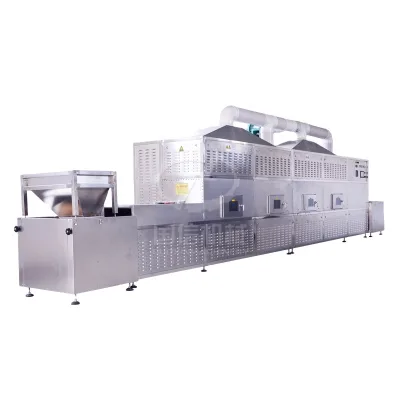


Commercial Microwave Drying Machine for Optimal Sterilization Process
$14000.00 - $15000.00
MOQ: 1 Pieces


Industrial Microwave Drying Machine Industrial Microwave Heating Equipment Food Sterilizers
$13000.00 - $15000.00
MOQ: 1 Pieces


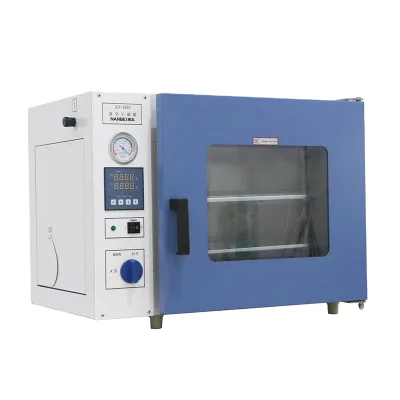
Microwave Drying Oven Dry Sterilizer for Chem Lab Equipment Fast Efficient
$500.00 - $800.00
MOQ: 1 sets
Comprehensive Sourcing Guide
Strategic Sourcing Guide for Industrial Microwave Sterilization Drying Ovens
Understanding Core Technical Specifications and Operational Parameters
When evaluating industrial microwave sterilization drying ovens, buyers must first establish a clear understanding of the fundamental technical specifications that define performance and suitability for specific production lines. The core functionality of these units relies on the interaction between microwave energy and the moisture content within the product, enabling rapid drying, sterilization, and roasting processes. Based on observed market data, the operational pressure for these systems is consistently atmospheric, indicating they are designed for standard open-air processing environments rather than vacuum or pressurized chambers. The mechanical structure typically features a single-layer configuration, which simplifies maintenance and ensures uniform exposure to the microwave field across the product stream.
The power consumption and output capabilities are critical variables that directly influence throughput and energy efficiency. Available models demonstrate a power range spanning from 20 kW to 250 kW, with specific configurations available in lower capacities such as 2 kW, 5 kW, 10 kW, and higher industrial tiers up to 300 kW. This wide spectrum allows procurement teams to select equipment that matches the specific volume requirements of their facility, from small-scale pilot batches to high-volume continuous production. The voltage requirements are generally standardized at 380V or 440V, with customization options available to align with local grid infrastructure. The motor brands utilized in these systems are often of high-repute, such as ABB, ensuring reliable transmission and consistent conveyor belt speeds.
The conveyor system is a pivotal component, with speeds adjustable between 0 and 10 meters per minute. This adjustability is essential for optimizing the dwell time of products within the microwave field to achieve the desired moisture reduction without overheating or damaging the material. The transmission speed is controlled via a PLC (Programmable Logic Controller) system, which provides high automation and precise monitoring of the drying cycle. The physical construction of the oven is predominantly stainless steel, a material choice that ensures durability, corrosion resistance, and compliance with hygiene standards required for food and pharmaceutical applications. The color of the equipment is typically silver gray, reflecting the industrial aesthetic common to heavy machinery.
Compliance, Certification, and Regulatory Standards
Navigating the regulatory landscape is a non-negotiable aspect of sourcing industrial microwave equipment. Buyers must verify that the machinery meets international safety and quality standards to ensure operational legality and worker safety. The supply chain data indicates that many manufacturers hold ISOCE certification, alongside CE certification, which is a mandatory conformity mark for products sold within the European Economic Area. These certifications suggest that the equipment adheres to specific safety, health, and environmental protection requirements. However, buyers should treat these as observations of the supplier's portfolio rather than automatic guarantees for every unit purchased, as certification status can vary by specific model and production batch.
In addition to general certifications, the manufacturing process itself is a key indicator of quality. Reputable suppliers often highlight a decade of experience in microwave equipment manufacturing, suggesting a mature engineering process that has been refined over time. The products are often described as "custom made," implying that the design can be tailored to specific production needs, including dimensions and functional requirements. Standard dimensions for certain models are observed to be approximately 8640 mm in length, 1200 mm in width, and 2200 mm in height, though these figures are subject to change based on the specific model selected. The packaging standards are designed to be export-compliant, often utilizing wooden cases or containers to protect the equipment during international shipping.
Buyers should also verify the origin of the equipment, as this can impact logistics, warranty support, and regulatory compliance. The primary manufacturing hubs identified are located in Jinan and Shandong, China. Understanding the geographic origin helps in assessing the supply chain logistics, potential lead times, and the availability of local technical support. While the provided data mentions a "Number of National Microwave Equipment Patents," buyers should request specific patent documentation to validate the proprietary nature of the technology and ensure that the equipment does not infringe on third-party intellectual property rights.
Cost Drivers and Economic Considerations
The total cost of ownership for a Microwave Sterilization Drying Oven extends beyond the initial purchase price. While observed listed prices in the market range widely from $1 to $90,000, this broad spectrum reflects the diversity in capacity, customization level, and included features. The primary cost drivers include the power rating of the unit, the complexity of the PLC control system, the quality of the magnetron and microwave power supply components, and the extent of customization required. Higher power models, such as those in the 100 kW to 300 kW range, will naturally command a higher price point due to the increased material costs and engineering complexity involved.
Energy efficiency is another significant economic factor. The observed advantages of these machines include power saving and quick drying capabilities, which can lead to substantial operational cost reductions over time. The ability to dry products quickly reduces the overall energy consumption per unit of output compared to traditional convection drying methods. However, buyers must verify the actual power consumption figures against the rated capacity to ensure the claimed efficiency translates to real-world savings. The automatic grade of the equipment also influences cost; fully automatic systems with high automation features require more sophisticated control hardware and software, which increases the upfront investment but reduces long-term labor costs.
The minimum order quantity (MOQ) observed is typically 1 unit, offering flexibility for buyers who may not require immediate bulk procurement. This low MOQ threshold allows for the acquisition of a single unit for pilot testing or small-scale production before committing to larger orders. However, buyers should be aware that customization options, while available, may introduce additional costs and extend the lead time. The supply ability is noted as 20 days for microwave equipment, which serves as a baseline for planning production schedules, though this can vary based on the specific model and customization requirements.
Typical Applications and Industry Suitability
Industrial microwave drying ovens are versatile tools designed to serve a broad range of industries, with a primary focus on food processing, pharmaceuticals, and chemical manufacturing. The applications observed include the drying, sterilization, and roasting of various food items such as chips, biscuits, popcorn, donuts, spices, tea, beans, nuts, fruits, and vegetables. The ability to handle diverse product types is a testament to the flexibility of the microwave technology, which can be adjusted to suit the specific moisture content and thermal properties of different materials.
In the food and beverage sector, these machines are utilized in factories and farms to ensure product safety and extend shelf life. The sterilization function is particularly valuable for eliminating bacteria and pathogens without the use of high temperatures that might degrade the nutritional value or sensory qualities of the food. The chemical products and wood industries also benefit from these systems, where rapid drying and concentration processes are required to maintain product integrity. The material status of the products processed can vary from bulk and granules to powders, creams, and solutions, highlighting the adaptability of the equipment to different physical states.
The specific application of the machine is often dictated by the model selected. For instance, models labeled as "Microwave Grains Dryer" are optimized for agricultural products, while "Industrial Microwave Ovens" may be configured for broader industrial applications. The transmission speed and power settings must be carefully calibrated to match the specific application requirements. For example, drying tea leaves may require a different speed and power profile compared to sterilizing spices or roasting nuts. Buyers should consult with suppliers to ensure that the selected model is optimized for their specific product line and production goals.
Supplier Evaluation and Quality Assurance Protocols
Selecting the right supplier is critical to ensuring the long-term success of the procurement project. Buyers should evaluate suppliers based on their manufacturing experience, technical capabilities, and commitment to quality. The presence of a decade of manufacturing experience and a portfolio of national patents are strong indicators of a supplier's technical maturity and innovation. However, these claims should be verified through direct communication and request for documentation. The supplier's ability to provide custom-made solutions is a significant advantage, as it allows for the tailoring of the equipment to specific production needs.
Quality control measures should be a central part of the supplier evaluation process. Buyers should inquire about the testing procedures used to validate the performance of the equipment before shipment. The main spare parts, such as the magnetron and microwave power supply, are critical components that determine the longevity and reliability of the machine. Buyers should verify the quality and warranty terms for these components, as they are the most likely to require replacement or maintenance over the life of the equipment. The cooling system, which may include both air and water cooling, should also be evaluated for its efficiency and reliability in maintaining optimal operating temperatures.
The packaging and shipping standards are also important indicators of a supplier's professionalism. Export-compliant packaging, such as wooden cases or containers, ensures that the equipment arrives at the destination in good condition. Buyers should verify the supplier's track record for timely delivery and the quality of their after-sales support. The location of the manufacturing facility, whether in Jinan or Shandong, can impact the logistics and support availability. A supplier with a strong local presence may offer more responsive technical support and faster resolution of any issues that arise during installation or operation.
Long-Term Procurement and Maintenance Strategies
Sourcing a Microwave Sterilization Drying Oven is not just a one-time transaction but the beginning of a long-term operational relationship. Buyers should consider the long-term maintenance requirements and the availability of spare parts when making their procurement decision. The high automation and PLC control systems require regular software updates and hardware maintenance to ensure continued performance. The conveyor belt, which is often food-grade, may need periodic replacement to maintain hygiene standards and operational efficiency.
The supply ability of 20 days suggests a relatively short lead time, but buyers should account for potential delays due to customization or shipping logistics. Establishing a clear communication channel with the supplier is essential for managing these timelines and ensuring that the equipment is ready for installation when needed. The voltage and power requirements should be confirmed early in the process to avoid any compatibility issues with the facility's electrical infrastructure.
Buyers should also plan for the potential expansion of their production capacity. The modular nature of some microwave drying systems allows for the addition of more units or the upgrading of existing ones to higher power ratings. This flexibility can help mitigate the risk of obsolescence and ensure that the equipment remains relevant as production needs evolve. By focusing on these long-term considerations, buyers can make informed decisions that maximize the return on investment and ensure the continued success of their production operations.
FAQs
What is the power range for these microwave drying ovens?
The power range spans from 20 kW to 250 kW, with specific models available up to 300 kW. This wide spectrum allows buyers to select equipment matching their specific volume requirements, from small-scale pilot batches to high-volume continuous production lines.
Can the equipment be customized for specific production needs?
Yes, customization is available and the products are often described as custom made. Buyers can tailor dimensions and functional requirements to align with their specific production goals, though this may introduce additional costs and extend the lead time.
Which certifications do these industrial microwave machines typically hold?
Many manufacturers hold ISOCE and CE certification for safety and quality compliance. These marks indicate adherence to specific safety and environmental requirements, though buyers should verify the status for each specific model and production batch before purchase.
How is the conveyor belt speed controlled during operation?
The transmission speed is adjustable between 0 and 10 meters per minute and is controlled via a PLC system. This high automation allows for precise monitoring of the drying cycle to optimize moisture reduction without overheating the material.
What are the standard voltage requirements for this equipment?
The voltage requirements are generally standardized at 380V or 440V, with customization options available. This flexibility allows the machinery to align with local grid infrastructure in different regions where the equipment is installed.
What is the typical lead time for supplying this microwave equipment?
The supply ability is noted as 20 days for standard microwave equipment. This serves as a baseline for planning production schedules, though actual delivery times can vary based on the specific model selected and the extent of customization required.
Which industries are suitable for using these drying ovens?
These machines are suitable for food and beverage factories, farms, chemical products, and wood industries. They are designed to handle diverse applications including drying, sterilization, and roasting of items like spices, tea, beans, and nuts.