Source Middle Pressure LPG Tank Truck for Gas, Liquid, Solid
Find 30 listings for the Middle Pressure LPG Tank Truck designed for gas, liquid, and solid storage. Buyers can compare specifications including tank volume, horsepower, and load capacity from verified Chinese manufacturers.
Key considerations
Products List


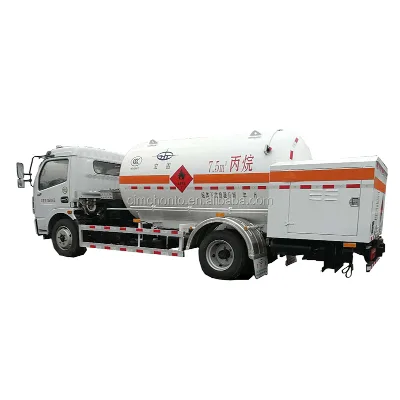
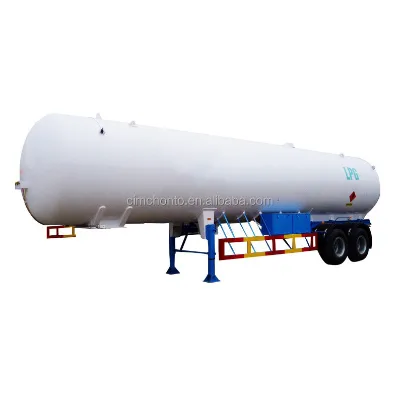


$500.00 - $6000.00
MOQ: 1 Pieces


8*4 Liquid Gas Storage Cylinder Tank LPG Pressure Vessel Transportation Tank Truck
$56500.00 - $59000.00
MOQ: 1 Pieces

40000L Fuel Storage Tank Semi Trailer LPG Tank Truck Gas Tanker Trailer
$15000.00 - $29999.00
MOQ: 1 Pieces


7 Tons Liquid Propane Gas Tank Truck 14 M3 LPG Movable Dispenser Pressure Vessel
$25000.00 - $35000.00
MOQ: 1 Pieces


$50000.00 - $70000.00
MOQ: 1 Pieces


$2000.00 - $4000.00
MOQ: 1 Pieces

23.3cbm ASME LPG Bobtail Tank Truck Gas Tanker with Pump System for Sale
$65000.00 - $75000.00
MOQ: 1 Pieces


LPG/LNG/Gas Transport ISO Tank, Gpl Gas Transport Trucks Tank Container
$21000.00 - $39000.00
MOQ: 1 Pieces
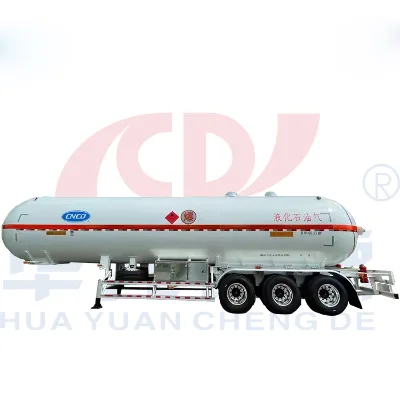
China Made 60.72m3 Lpg Tank Truck Liquified Petroleum Gas Road Tanker
$69700.00 - $69900.00
MOQ: 1 sets


High-Safety LPG Transport Truck LPG Tanker Truck - Emergency Shut-off Valve & Fire Cap
$35315.00 - $38325.00
MOQ: 1 unit

Comprehensive Sourcing Guide
Strategic Sourcing Guide for Middle Pressure LPG Tank Trucks
Procuring a Middle Pressure LPG Tank Truck involves navigating a complex landscape of engineering standards, safety certifications, and logistical requirements. The market for these specialized vehicles is characterized by a wide variance in specifications, from the structural integrity of the tank to the powertrain capabilities of the chassis. Buyers must approach this procurement process with a rigorous understanding of the technical parameters that define a compliant and safe asset. The following guide outlines the critical factors for sourcing these vehicles, grounded in observed market data and established industry practices.
Technical Specifications and Tank Engineering
The core of any LPG tank truck lies in its storage vessel and the chassis designed to transport it. Observed market data indicates that these units are often categorized as "Low Temperature Storage & Transportation Equipment," though they are frequently engineered to handle middle pressure conditions depending on the specific application and regional regulations. The tank material is a primary determinant of performance and longevity. Suppliers typically offer vessels constructed from stainless steel, aluminum, or carbon steel, with specific grades such as SA-516, SA-517, SA-612, P460, Q420R, and Q370R being standard options for pressure vessel construction. These materials are selected based on their ability to withstand the thermal and mechanical stresses associated with liquefied petroleum gas.
Capacity is another critical variable. The observed market data reveals a broad spectrum of storage volumes, ranging from 15,001 to 30,000 liters, and extending beyond 30,000 liters for larger fleet operations. The design pressure for these units is typically standardized around 1.724 MPa or 1.61 MPa, though customization is frequently accepted to meet specific operational needs. The thickness of the tank is often a customizable parameter, allowing buyers to tailor the vessel to their specific pressure and volume requirements. Furthermore, the test pressure for these units is a vital safety metric, with observed values reaching up to 2.16 MPa, ensuring the vessel can safely withstand pressures significantly higher than its operating limit.
The chassis specifications are equally diverse. Powertrain options often include diesel engines with horsepower ratings spanning from 150 to 450 hp, categorized into bands such as 150-250 hp, 251-350 hp, and 351-450 hp. Engine brands like Cummins are noted in the market, and engine capacities typically range from 4 to 8 liters. Transmission types are predominantly manual, with forward shift numbers often set at 7 gears. The drive wheel configuration is commonly 6x4, supporting load capacities that vary from 11-20 tons up to 41-50 tons. Tire designs are available in both radial and tubeless configurations, and emission standards generally align with Euro specifications.
Compliance and Certification Verification
Ensuring that a Middle Pressure LPG Tank Truck meets all regulatory requirements is paramount for legal operation and insurance validity. The certification landscape for these vehicles is rigorous. Observed product attributes list several critical certifications, including GB, TUV, GS, QS, and ISO. These certifications indicate that the manufacturing process and the final product have undergone scrutiny by recognized bodies. Specifically, tire certifications must align with ISO standards, and the overall vehicle construction must adhere to relevant national and international safety codes.
Buyers must verify that the "Condition" of the vehicle is explicitly "New," as this impacts warranty terms and residual value. Additionally, the "Customization" status is a key factor; while many units are offered as "Customized" or "Customized Turcks," buyers should confirm that any custom modifications do not void existing certifications. The "Standard" of the product, whether defined by material grades or dimensional specifications like 25 cbm or 12.72.53.9, must be clearly documented. It is essential to cross-reference the listed standards with the local regulations of the destination country, as standards for LPG transport can vary significantly between regions.
Cost Drivers and Pricing Dynamics
The pricing for middle pressure LPG tank trucks is highly variable, influenced by a multitude of factors including tank volume, material selection, engine power, and the extent of customization. The observed price range in the market is vast, spanning from $500 to $10,000,000. This wide disparity reflects the difference between smaller, specialized units and large-scale, fully customized fleet vehicles. The Minimum Order Quantity (MOQ) is typically low, often observed as 1 unit, allowing for single-unit procurement without the need for bulk ordering.
Key cost drivers include the choice of tank material, with stainless steel and specialized carbon steel grades commanding higher prices than standard options. The horsepower of the engine is another significant factor; units with 351-450 hp engines will generally cost more than those in the 150-250 hp range. Customization of the tank thickness, volume, and pressure ratings also adds to the base cost. Additionally, the "After-sales Service Provided" package, which may include onsite installation, video technical support, return and replacement policies, and field maintenance, can influence the total cost of ownership. Buyers should evaluate the total cost, including long-term maintenance and spare parts availability, rather than focusing solely on the initial purchase price.
Typical Applications and Operational Use Cases
Middle pressure LPG tank trucks are designed for the transportation of liquefied petroleum gas, a fuel used extensively in residential, commercial, and industrial sectors. The primary application is the bulk delivery of LPG from refineries or storage terminals to distribution centers, filling stations, and large industrial consumers. The "Storage Objects" for these vehicles include gas, liquid, and solid forms, though the primary focus for LPG trucks is the liquid and gaseous phases of propane and butane.
The versatility of these trucks allows them to serve various sectors. For instance, units with a load capacity of 11-20 tons are suitable for regional distribution, while those with capacities of 41-50 tons are ideal for long-haul logistics. The "Seats" configuration, often noted as "≤Storage:LPG" or "6-Storage:LPG," indicates the crew capacity required for safe operation. The "Fuel Tank Capacity" of 300-400 liters ensures that the truck can operate for extended periods without refueling, which is crucial for long-distance transport. The "Max. Payload" range of 2 to 20 tons or customized options allows operators to select a vehicle that matches their specific cargo volume and weight requirements.
Supplier Evaluation and Origin Analysis
When evaluating suppliers for middle pressure LPG tank trucks, the "Place of Origin" is a significant consideration. The majority of observed products originate from China, with specific regions like Hubei noted as production hubs. This concentration of manufacturing in China often results in competitive pricing and a wide variety of models, such as the WET-03, WGLT-06, ZZ, and SGZ. However, buyers must conduct thorough due diligence to ensure that the supplier's manufacturing capabilities align with the required quality standards.
Key evaluation criteria include the supplier's history of providing "After-sales Service," which encompasses onsite installation, video technical support, and field maintenance. The availability of "Free Spare Parts" and "Field Maintenance and Repair Service" is crucial for minimizing downtime. Buyers should also verify the "Brand Name" associated with the product, as established brands like CIMC HONTO often indicate a higher level of quality control and reliability. Additionally, the "Product Packing" method, whether "Bulk Load," "Waxed Before on Board," or "Bulk Vessel," should be assessed to ensure safe transport of the vehicle from the factory to the destination.
Quality Control and Inspection Protocols
Quality control is a non-negotiable aspect of sourcing LPG tank trucks. Given the hazardous nature of the cargo, the integrity of the tank and the safety of the chassis are paramount. Buyers should insist on comprehensive inspection protocols that cover the "Test Pressure" of the tank, ensuring it meets or exceeds the required 2.16 MPa. The "Design Pressure" must also be verified against the operational requirements, typically 1.724 MPa or 1.61 MPa.
Inspection should also extend to the "Material" composition, verifying that the tank is constructed from the specified grades such as SA-516 or Q370R. The "Thickness of Tank" must be measured to confirm it matches the customized specifications. Furthermore, the "Emission Standard" of the engine must be checked to ensure compliance with local environmental regulations. The "Tire Design" and "Tire Certification" should be verified to ensure they meet safety standards for heavy-duty transport. Finally, the "Condition" of the vehicle must be confirmed as "New" to avoid purchasing refurbished units that may have hidden defects.
Long-Term Procurement and Maintenance Considerations
Procuring a Middle Pressure LPG Tank Truck is a long-term investment that requires careful consideration of maintenance and lifecycle costs. The "After-sales Service Provided" is a critical factor in this regard. Buyers should prioritize suppliers who offer comprehensive support, including "Onsite Installation," "Video technical support," and "Field installation, commissioning and training." The availability of "Return and Replacement" policies and "Free Spare Parts" can significantly reduce the financial risk associated with equipment failure.
The "Customization" aspect also plays a role in long-term viability. A truck that is "Customized" to the specific needs of the operator is more likely to perform efficiently over its lifespan. However, buyers must ensure that the customization does not compromise the standard certifications or safety features. The "Lead Time" and "MOQ" are also important logistical factors, though the observed MOQ of 1 allows for flexible procurement. Finally, the "Brand Name" and the reputation of the manufacturer in the "Place of Origin" can serve as indicators of the long-term reliability and support availability for the vehicle. By focusing on these factors, buyers can secure a reliable asset that meets their operational needs for years to come.
Summary of Key Technical Parameters
To assist in the decision-making process, the following table summarizes the key technical parameters observed in the market for middle pressure LPG tank trucks. This data serves as a reference for buyers to compare potential suppliers and ensure that the selected vehicle meets their specific requirements.
| Parameter | Observed Range / Options | Notes |
|---|---|---|
| Tank Volume | 15,001-30,000L; >30,000L | Depends on payload and chassis capacity |
| Design Pressure | 1.724 MPa / 1.61 MPa | Customization available |
| Test Pressure | Up to 2.16 MPa | Critical safety metric |
| Tank Material | Stainless Steel, Aluminum, Carbon Steel | Grades: SA-516, Q370R, etc. |
| Horsepower | 150-250hp; 251-350hp; 351-450hp | Matches load capacity requirements |
| Load Capacity | 11-20t; 41-50t | Varies by chassis and tank size |
| Drive Wheel | 6x4 | Standard configuration |
| Emission Standard | Euro | Verify local compliance |
| Certifications | GB, TUV, GS, QS, ISO | Essential for legal operation |
| Condition | New | Ensure no refurbished units |
| Origin | China (e.g., Hubei) | Major manufacturing hub |
| After-sales | Onsite, Video, Field Support | Critical for maintenance |
By adhering to these guidelines and verifying the specific attributes listed above, buyers can navigate the complex market for middle pressure LPG tank trucks with confidence, ensuring they acquire safe, compliant, and efficient vehicles for their logistics operations.
FAQs
What certifications are required for middle pressure lpg tank trucks?
Required certifications include GB, TUV, GS, QS, and ISO standards. These ensure the vehicle meets safety and engineering regulations for transporting liquefied petroleum gas in compliance with international and local codes.
Which materials are used for the tank construction?
Tanks are constructed from stainless steel, aluminum, or carbon steel grades like SA-516 and Q370R. These materials are selected to withstand thermal and mechanical stresses associated with liquefied petroleum gas storage.
How is the tank volume and pressure defined?
Tank volumes range from 15,001 to 30,000 liters or exceed 30,000 liters for larger units. Design pressure is typically 1.724 MPa or 1.61 MPa, with test pressures reaching up to 2.16 MPa for safety verification.
Can the truck be customized for specific needs?
Yes, customization is available for tank thickness, volume, and pressure ratings. Buyers can also request specific chassis configurations and engine capacities to match their operational requirements and cargo loads.
What is the typical horsepower range for these trucks?
Horsepower ranges from 150 to 450 hp, categorized into bands like 150-250 hp and 351-450 hp. Engine brands such as Cummins are common, with capacities typically between 4 and 8 liters.
Where are these trucks typically manufactured?
Most units originate from China, with specific production hubs in regions like Hubei. Buyers should verify the place of origin to ensure alignment with quality standards and after-sales service capabilities.
What after-sales services are provided?
Services include onsite installation, video technical support, and field maintenance. Suppliers often provide free spare parts and commissioning training to ensure long-term operational reliability and safety.