Find Midcentury Minimalist Wall Lamp for Living Room, Bedroom, Office
Explore 30 Midcentury Minimalist Wall Lamp options to compare specifications, materials, and voltage requirements. This selection supports buyers in evaluating modern lighting solutions for residential and commercial interior design projects; compare the available evidence and request quotations based on your requirements.
Key considerations
Products List


Luxury-Style Crystal Wall Lamp for Bedroom Hotel Living Room Creative Wall Lamp
$220.00 - $2000.00
MOQ: 5 Pieces

Luxury Bedside Wall Lamp for Bedroom Modern Simple Living Room Hotel Wall Lamp
$220.00 - $2000.00
MOQ: 10 Pieces

Modern Luxury Glass Wall Lamp Simple Bedroom and Living Room Wall Lamp
$220.00 - $2000.00
MOQ: 10 Pieces


Modern Wall Lamp -Artistic Decorative Wall Lamp for Bedroom and Living Room
$100.00 - $1000.00
MOQ: 10 Pieces


MID-Century Minimalist Stone Lamp with Dimmable LED for Living Room Corner
$100.00 - $300.00
MOQ: 2 Pieces



Comprehensive Sourcing Guide
Midcentury Minimalist Wall Lamp Sourcing Guide
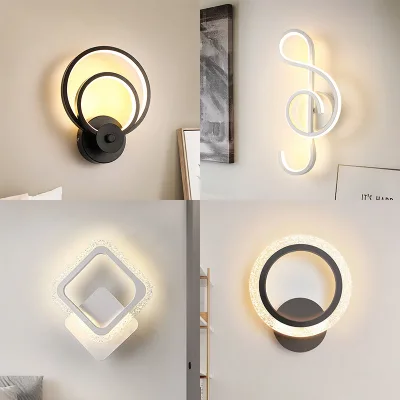
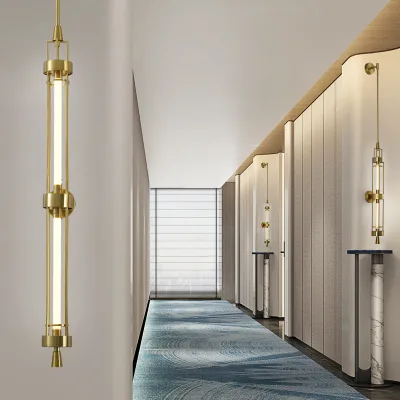
The Midcentury Minimalist Wall Lamp category encompasses fixtures that prioritize clean lines, functional simplicity, and uncluttered aesthetics suitable for modern interiors. Buyers observing current listings will encounter a diverse range of models, including specific designations like HB-BJ002 and TP-B8051, which often feature square or round shapes with housing colors in white, red, green, or black. These products are frequently constructed from materials such as metal, chrome, or crystal, reflecting the era's blend of industrial durability and refined elegance.
Procurement decisions must account for the variability in technical attributes found across different suppliers, such as voltage requirements ranging from 110V to 220V or input ranges of AC85-265V. While some units are designed without integrated light sources, others come equipped with LED technology and specific switch types like touch or inductive mechanisms. Understanding these distinct configurations is essential for matching the fixture to the intended electrical infrastructure and desired user interaction within spaces like offices, dining rooms, or living areas.
Product Scope and Observed Listing Signals
Current market listings for this category reveal a wide spectrum of physical dimensions, with standard sizes observed ranging from compact 150mm units to larger assemblies measuring up to 600mm in length. Packaging methods vary significantly between suppliers, utilizing standard export packages, cartons, or specialized foam protection to ensure safe transit. Buyers should note that the observed product count indicates a robust supply base, yet the specific model numbers and dimensions must be cross-referenced against the intended installation space to ensure a proper fit.
The aesthetic scope extends to frame finishes in gold or chrome, often paired with crystal elements or simple metal bodies to achieve the minimalist look. Listings frequently specify the quantity and shape of lights, such as round or transparent configurations, which directly influence the visual impact of the installation. It is critical to verify the exact style descriptors, as some products are explicitly labeled as modern while others may carry specific model identifiers that denote unique design iterations within the broader midcentury minimalist genre.
Technical Specifications to Verify
Electrical compatibility is the primary technical hurdle, as observed products support distinct voltage standards including 110V, 220V, and universal AC85-265V inputs. Buyers must confirm that the selected unit matches the local grid voltage to prevent immediate failure or safety hazards. Additionally, the presence or absence of an integrated light source requires careful attention, as some models are sold as bare fixtures while others include LED lamps with specific beam angles, such as 60 degrees, which dictate the lighting distribution pattern.
Durability and operational lifespan are further defined by specifications like a 30,000-hour working lifetime and a three-year warranty period found in certain listings. The switch mechanism, whether touch or inductive, must be evaluated for ease of use and reliability in high-traffic environments. Furthermore, the physical dimensions, such as the 100mm by 170mm footprint or the 600mm by 80mm profile, must be measured against the wall space to ensure the fixture does not overwhelm the area or leave insufficient clearance for mounting hardware.
Compliance and Safety Documentation
Safety compliance is non-negotiable for electrical fixtures, and the observed market data confirms the presence of multiple certifications including CE, RoHS, UL, VDE, and CCC. These marks indicate adherence to international safety standards regarding electrical insulation, material toxicity, and electromagnetic compatibility. Buyers should request valid certification documents for the specific model number being purchased, as compliance status can vary between different production batches or supplier lines even within the same product category.
Material safety is equally critical, particularly when fixtures contain components like crystal or chrome plating that must meet environmental regulations. The RoHS certification specifically ensures that hazardous substances are restricted in the manufacturing process, protecting both the end-user and the environment. It is advisable to verify that the supplier can provide up-to-date test reports for the specific batch, ensuring that the claimed certifications are current and applicable to the exact configuration of the wall lamp being procured.
Cost Drivers and Commercial Terms
Pricing in this sector is influenced by material costs, with crystal and chrome finishes generally commanding higher prices than standard metal or painted housing options. The observed price range spans from $0.30 to $2000, reflecting the vast difference between basic functional units and premium decorative pieces. Buyers must correlate the unit price with the specific material composition and certification level to avoid overpaying for features that may not be necessary for their specific application or budget constraints.
Commercial terms such as Minimum Order Quantity (MOQ) and lead times vary significantly, with observed MOQs ranging from 30 pieces to 3800 units and lead times typically around 15 days. Supply ability is another key factor, with some manufacturers offering capacities of 5000 pieces per month while others may have tighter constraints. Negotiating these terms requires a clear understanding of the total volume needed, as larger orders often unlock better pricing tiers and more flexible shipping schedules, whereas small orders may incur higher per-unit costs and stricter delivery windows.
Supplier Qualification and Quality Control
Supplier qualification should begin with verifying the origin of the goods, as the majority of observed listings indicate production in China, specifically within the Guangdong region. This geographic concentration suggests a mature supply chain but also necessitates rigorous vetting to ensure the supplier maintains consistent quality control standards. Buyers should request evidence of the supplier's production capacity and their ability to handle the specific customization options available, such as color variations or specific packaging requirements.
Quality control protocols must be established before production begins, focusing on the consistency of the frame material, the integrity of the electrical components, and the finish quality of the housing. Since products are packed in cartons or foam packages, the packaging method must be validated to prevent damage during transit. Implementing a pre-shipment inspection is highly recommended to verify that the delivered units match the agreed-upon specifications regarding dimensions, voltage, and aesthetic details like frame color and light source configuration.
Long-Term Procurement Checks
Sustaining a successful procurement relationship requires ongoing monitoring of warranty performance and after-sales support capabilities. The observed three-year warranty period provides a baseline for expectations, but buyers should clarify the specific terms regarding replacement policies for defective units or light source failures. Establishing a clear communication channel for technical support ensures that any issues arising during the warranty period are resolved promptly, minimizing downtime and maintaining the aesthetic integrity of the installed lighting.
Future scalability is another critical consideration, as the supply ability of 5000 pieces per month may need to be adjusted based on project growth or market demand fluctuations. Buyers should assess the supplier's flexibility in handling increased order volumes without compromising lead times or quality standards. Regular reviews of the supplier's certification status and compliance documentation are also necessary to ensure that the products continue to meet evolving international safety and environmental regulations over the long term.
FAQs
What certifications do these wall lamps have?
The wall lamps hold CE, RoHS, UL, VDE, and CCC certifications. These standards ensure electrical safety and environmental compliance for international markets. Buyers can verify specific model requirements against regional regulations before placing bulk orders to ensure smooth customs clearance and product acceptance.
Can the wall lamps be customized for branding?
Yes, customization is available for these modern wall lamps. Buyers can request specific modifications to meet unique design or branding needs. This service allows for tailored solutions in commercial projects, ensuring the lighting fixtures align perfectly with interior design concepts and corporate identity standards.
What is the typical lead time for orders?
The standard lead time is 15 days for production. This duration applies to most standard orders and allows for efficient manufacturing and quality checks. Buyers should account for this timeframe when planning inventory replenishment or project timelines to avoid delays in installation or distribution schedules.
What is the minimum order quantity for these lamps?
The minimum order quantity varies, with some models requiring as few as 30 units. Other items may have higher MOQs up to 3800 pieces. Buyers should check specific model details to determine the exact MOQ, ensuring their order volume meets the supplier's production thresholds for pricing and availability.
What voltage options are supported by these fixtures?
These wall lamps support multiple voltage inputs, including 110V, 220V, and AC85-265V. This wide input range ensures compatibility with various global power standards. Buyers can select the appropriate voltage specification for their target market, ensuring safe and efficient operation without the need for additional transformers.
What materials are used in the lamp construction?
The lamps are constructed from metal, chrome, and crystal materials. These durable materials provide a modern aesthetic and long-lasting performance. The chrome frame offers a sleek finish, while crystal elements add decorative value. Buyers can choose based on desired style and durability requirements for their specific application.