Source Mini Diesel Trencher for Garden Cable Burial and Farming
Find 30 Mini Diesel Trencher for Garden and Cable Burial units from Henan, China. Buyers can compare specifications like trenching depth, power source, and moving way to select the right equipment for agricultural ditching and construction tasks.
Key considerations
Products List
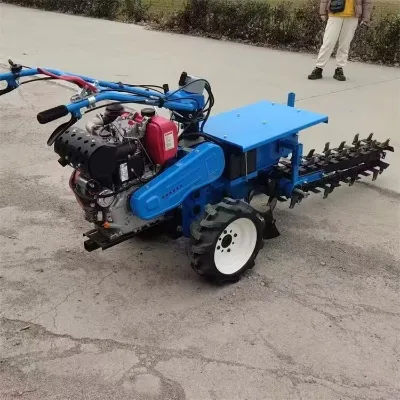


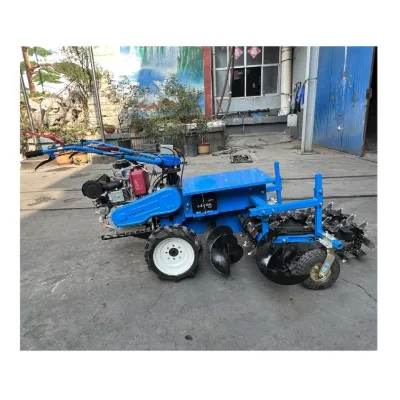
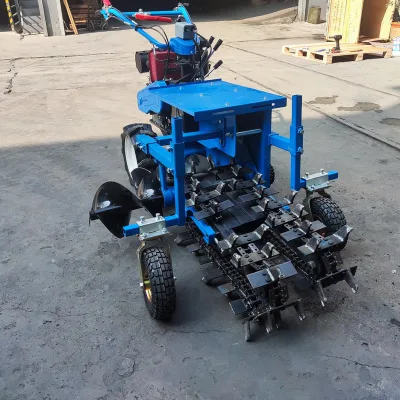
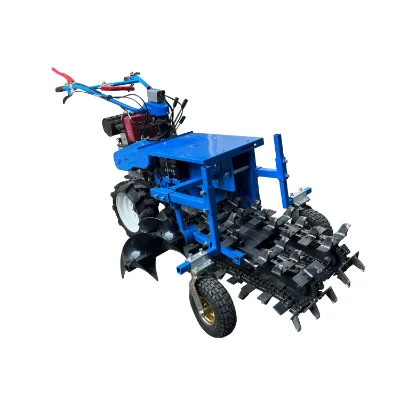
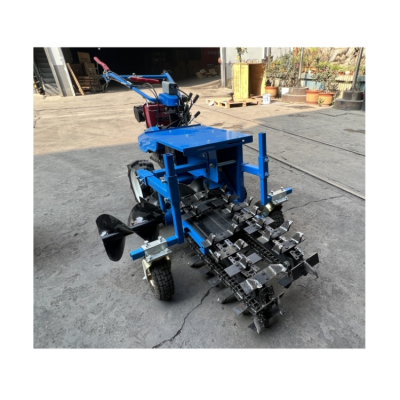
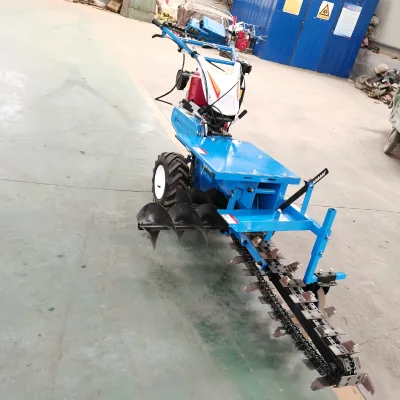


Mini Trencher for Tractor/Disc Trencher Cable Trencher for Hard Road
$2850.00 - $3850.00
MOQ: 1 Pieces


Comprehensive Sourcing Guide
Strategic Sourcing Guide for Mini Diesel Trenchers in Garden and Cable Burial Projects
Understanding the Technical Landscape of Mini Trenching Equipment
When sourcing a mini diesel trencher for garden landscaping and cable burial, buyers must first distinguish between the specific mechanical architectures available in the current market. The product data indicates a clear bifurcation in design, primarily between wheel-type trenchers and chain trenchers. The wheel-type variant is characterized by a double-disc structure and is often powered by a hydraulic turbine, suggesting a configuration suitable for specific high-pressure hydraulic systems. In contrast, the chain trencher model frequently utilizes an air-cooled diesel engine, with specific references to brands such as Etk, and operates with a moving way of wheels. This distinction is critical because the power source and transmission method directly influence the machine's suitability for different soil conditions and operational speeds.
For garden applications where maneuverability is paramount, the wheel-moving chain trencher offers a distinct advantage. The observed specifications list a speed range of 100-200 meters per hour for diesel-powered units, which is generally adequate for residential cable burial and shallow garden ditching. Conversely, hydraulic turbine models may offer higher operational speeds, ranging from 150-500 meters per hour, but require a compatible hydraulic power source, often found on larger excavators or dedicated power units. The trenching depth capabilities also vary significantly; while standard observations cite a depth of 10-100 centimeters, specific high-performance models list a maximum trenching depth of 1500mm and can handle complex geological trenching depths of up to 1800mm or 1400mm depending on the soil composition. Buyers must verify that the specific unit's maximum depth aligns with the required burial depth for their cables or irrigation lines, as the standard 10-100cm range may be insufficient for deeper utility lines in certain regions.
The physical dimensions and weight of the machine are equally important for transport and storage. The observed product weight is approximately 280 kg, which classifies these units as compact but substantial enough to require a trailer for transport. The trench width specifications further define the application scope, with observed ranges spanning from 12-40 cm for chain models and 15-30 cm for wheel-type variants. This variability allows buyers to select a machine that matches the specific diameter of the cables or pipes being buried. The operation mode is described as a high-speed repeated entry into a ditch, which implies a continuous digging action rather than a step-by-step excavation, a feature that significantly enhances productivity in long, linear trenching tasks.
Compliance, Certification, and Safety Standards
In the B2B procurement of agricultural and construction machinery, verifying compliance with international and regional safety standards is non-negotiable. The product data explicitly lists CE certification as a standard attribute for these trenchers, indicating that the equipment meets the essential health, safety, and environmental protection requirements for the European Economic Area. Furthermore, specific diesel-powered models are noted to carry EPA certification, which is a critical requirement for machinery intended for sale or operation in the United States. The EPA certification ensures that the air-cooled diesel engines meet specific emissions standards, a factor that is increasingly scrutinized in both residential and commercial landscaping projects.
Buyers must exercise caution when interpreting these certifications. While the data confirms that CE and EPA are available attributes for the GYBF brand and similar models, it does not guarantee that every single unit in a supplier's inventory possesses these certifications. The presence of a "CE" mark on a product listing should be verified against the actual machine's documentation, including the user manual and conformity declaration. Similarly, for EPA compliance, the engine brand, such as Etk, must be cross-referenced with the specific engine model number to ensure it matches the certified emission tier. The absence of these certifications in a specific listing should be treated as a red flag, particularly if the buyer intends to import the equipment into regulated markets.
Beyond the primary certifications, the machinery test report is listed as "Provided" for the products in the dataset. This document serves as an independent verification of the machine's performance claims, including the maximum cutting force of 35000 Nm and the maximum pressure of 35 MPa. For a procurement specialist, requesting and reviewing this test report is a vital step in the quality assurance process. It provides empirical data on the machine's structural integrity and hydraulic performance under load. Additionally, the standard for the product is listed as "Customized," which suggests that while the base design may adhere to general industry norms, specific modifications can be made to meet local regulatory requirements. Buyers should explicitly confirm which standards the customized version will adhere to before finalizing the order, ensuring that the final delivered product is fully compliant with the destination country's regulations.
Cost Drivers and Financial Considerations in Procurement
The financial landscape of sourcing mini diesel trenchers is influenced by a combination of technical specifications, customization options, and logistical factors. The observed price range for these units spans from 800 to 6000 USD, a wide variance that reflects differences in engine power, trenching depth capabilities, and the inclusion of advanced features like electric-hydraulic lifting modes. The lower end of the price spectrum likely corresponds to basic wheel-type trenchers with standard trenching depths and simpler hydraulic systems, while the higher end encompasses models with advanced features, such as the ability to handle complex geological trenching depths up to 1800mm or those equipped with high-output power engines.
One of the primary cost drivers is the power source and engine configuration. Diesel engines, particularly those with higher output power like the 18 HP units observed, command a premium over smaller or less powerful alternatives. The choice between a hydraulic turbine system and a direct diesel engine also impacts the overall cost, as hydraulic systems often require additional components and integration with a power unit. Furthermore, the customization options available, such as color, trench width, and specific structural modifications, add to the final price. Buyers seeking a machine tailored for specific soil conditions or unique garden layouts should anticipate a higher cost due to the engineering and manufacturing adjustments required.
Logistics and packaging also play a significant role in the total cost of ownership. The product data indicates that the standard packing method is wooden packing, which is essential for protecting the machinery during long-distance shipping but adds to the shipping weight and volume. The delivery time is listed as 15 days, which is a critical factor for buyers with tight project schedules. While this lead time is relatively short, it is subject to the supplier's production capacity and the complexity of the order. Buyers should also consider the Minimum Order Quantity (MOQ), which is observed to be 1 unit for single-item sales, allowing for flexible procurement strategies without the need for bulk purchasing. However, the "Selling Units" being listed as "Single item" suggests that while small orders are possible, the unit price may not benefit from volume discounts unless the buyer negotiates a larger order.
Typical Applications and Operational Versatility
The versatility of mini diesel trenchers makes them suitable for a diverse range of applications, from residential garden maintenance to large-scale agricultural and construction projects. The primary application field identified is agriculture, specifically for agricultural ditching, which includes tasks such as irrigation line installation, drainage system setup, and soil preparation for planting. The high productivity of these machines, highlighted as a key selling point, makes them ideal for large farms where time efficiency is crucial. The ability to trench depths ranging from 10 to 100 cm covers the majority of standard agricultural needs, while the deeper capabilities of up to 1800 mm allow for more specialized tasks like deep drainage or foundation trenching.
In the context of garden and cable burial, the machine's compact size and maneuverability are key advantages. The wheel-moving chain trencher, with its speed of 100-200 m/h, is particularly well-suited for navigating tight spaces in residential gardens where larger excavators cannot operate. The trench width of 12-40 cm provides sufficient space for burying various types of cables, including electrical, communication, and irrigation lines, without excessive soil displacement. The electric-hydraulic lifting mode further enhances usability by allowing for easy adjustment of the digging depth and height, ensuring precision in delicate garden environments.
Construction applications also benefit from the robust design of these trenchers. The double-disc structure and high cutting force of 35000 Nm enable the machine to penetrate hard soil and rocky terrain, making it effective for utility trenching in urban and suburban construction sites. The hydraulic turbine models, with their high-speed operation, are particularly effective for long-distance trenching tasks, such as laying pipelines or cables across large construction sites. The ability to handle complex geological trenching depths ensures that the machine can adapt to varying soil conditions, from soft loam to compacted clay, without significant loss of performance.
Supplier Evaluation and Quality Assurance Protocols
Evaluating suppliers for mini diesel trenchers requires a rigorous approach to ensure that the equipment meets the buyer's quality and performance expectations. The GYBF brand is identified in the product data, but buyers should not rely solely on brand reputation. Instead, they should conduct a comprehensive due diligence process that includes verifying the supplier's production capabilities, quality control measures, and after-sales support. The provision of a machinery test report is a strong indicator of a supplier's commitment to quality, as it demonstrates that the machine has undergone rigorous testing to validate its performance claims.
Buyers should also assess the supplier's ability to provide customization services. The "Customization: Available" attribute suggests that suppliers are willing to tailor the machine to specific requirements, but the extent of this customization and the associated lead times should be clearly defined. Questions regarding the availability of spare parts, the warranty period, and the scope of online support are essential. The data indicates a 1-year warranty and online support, which are standard but should be confirmed in the contract to ensure that the buyer receives the promised level of service.
Furthermore, the origin of the product, listed as Henan, China, should be considered in the context of the buyer's location and shipping logistics. While the region is known for its manufacturing capabilities, buyers should verify the supplier's export experience and their ability to handle international shipping and customs clearance. The wooden packing standard is a positive sign, indicating that the supplier understands the need for secure transportation, but buyers should also inquire about the specific packaging materials and methods used to prevent damage during transit.
Long-Term Procurement and Maintenance Considerations
Long-term procurement success depends on the durability and maintainability of the mini diesel trencher. The core components of the machine, including the engine and gear, are critical to its longevity. The air-cooled diesel engine, with a specific brand like Etk, is a reliable choice for heavy-duty applications, but buyers should ensure that the engine is easily accessible for maintenance and that spare parts are readily available. The recommended flow of 150 L/Min for hydraulic systems is another critical specification that must be matched with the power unit to ensure optimal performance and prevent premature wear.
The warranty period of 1 year provides a baseline for the supplier's confidence in the product, but buyers should consider the long-term maintenance costs and the availability of technical support. Online support is listed as a provided service, which is beneficial for troubleshooting issues remotely, but buyers should also verify the availability of local service centers or authorized technicians in their region. The high productivity of the machine, combined with its robust construction, suggests that it can withstand heavy use, but regular maintenance is essential to keep it operating at peak efficiency.
Finally, buyers should consider the environmental impact and sustainability of the machine. The EPA certification for diesel models indicates a commitment to reducing emissions, which is increasingly important in modern procurement strategies. By selecting a machine that meets these environmental standards, buyers can ensure compliance with local regulations and contribute to a more sustainable operation. The ability to customize the machine's color and specifications also allows buyers to align the equipment with their brand identity and operational needs, further enhancing the long-term value of the investment.
FAQs
What certifications do mini diesel trenchers have?
These machines typically carry CE certification for European safety standards. Some diesel models also include EPA certification to meet US emissions requirements for air-cooled engines.
How deep can a mini diesel trencher dig?
Standard models trench depths between 10 and 100 centimeters. High-performance units can reach maximum depths of 1500mm and handle complex geological conditions up to 1800mm.
Which power sources are available for these trenchers?
Options include hydraulic turbine systems and direct diesel engines. Diesel variants often feature air-cooled engines with output powers around 18 HP for agricultural and construction use.
Can I customize the trench width and color?
Yes, customization is available for trench width, color, and structural modifications. Buyers can specify dimensions ranging from 12 to 40 cm depending on the specific model requirements.
What is the delivery time for these machines?
The standard delivery time is approximately 15 days from order confirmation. This lead time applies to single-item orders packed in wooden crates for safe transport.
How much does a mini diesel trencher weigh?
The observed product weight is approximately 280 kg. This weight classifies the unit as compact yet substantial enough to require a trailer for effective transport and storage.