Source Mini Glass Essential Oil Bottle with Sprayer for Medicine, Cosmetics, and Chemicals
Compare 30 listings for the Mini Glass Essential Oil Bottle with Sprayer from verified suppliers. Buyers can evaluate capacities, customization options, and pricing to find the right packaging for medicine, cosmetics, and chemical applications.
Key considerations
Products List


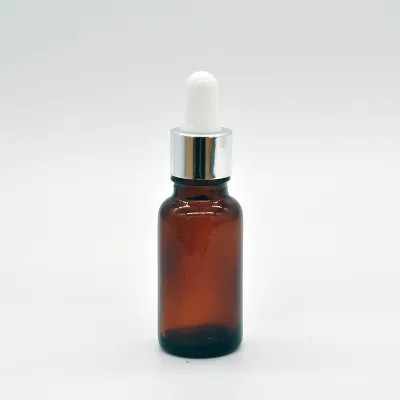
Essential Oil Sprayer and Nozzle Bottle Glass Perfume Sprayer Bottle with Transparent Cap
$0.10 - $0.15
MOQ: 5000 Pieces


Quality Empty Essential Oil Cosmetic Glass Perfume Sprayer Bottle with Black Cap
$0.10 - $0.11
MOQ: 10000 Pieces
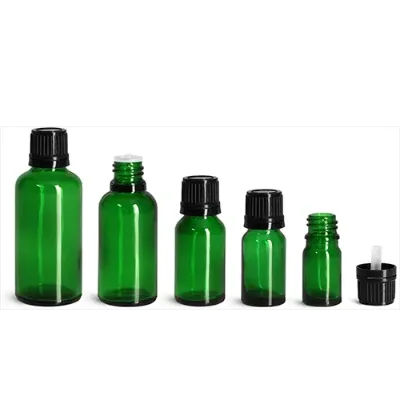
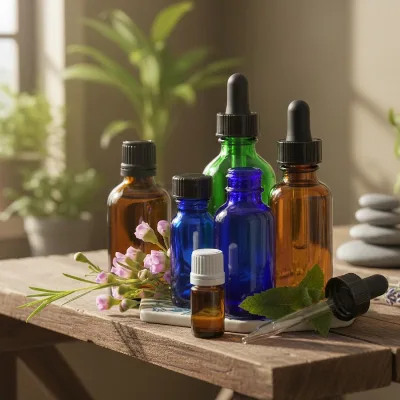


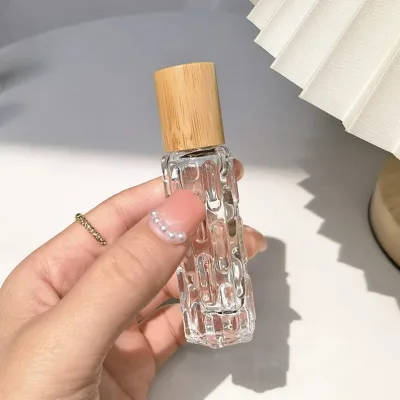


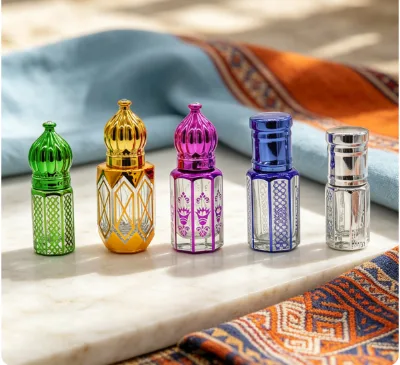


Comprehensive Sourcing Guide
Strategic Sourcing Guide for Mini Glass Essential Oil Bottles with Sprayers
Understanding the Technical Landscape of Miniature Glass Packaging
The procurement of mini glass essential oil bottles with sprayers requires a precise understanding of the intersection between material science, mechanical engineering, and aesthetic design. Based on the available market data, the core material for these vessels is consistently identified as glass, specifically soda glass in certain configurations. This material choice is critical for preserving the integrity of volatile essential oils, as glass offers superior chemical resistance compared to many plastics, preventing interaction between the packaging and the product contents. The structural integrity of these bottles is defined by a "hard" flexibility rating, indicating a rigid form factor that protects the contents from physical deformation during transit.
The manufacturing technique predominantly observed in this category is bottle blowing. This process allows for the creation of consistent wall thicknesses, which is vital for maintaining the structural strength of small-volume containers. The observed thickness range for these products falls between 3mm and 5mm. This dimension is not merely a specification but a functional requirement; it ensures the bottle can withstand the internal pressure generated by the sprayer mechanism without cracking, while remaining lightweight enough for cost-effective shipping. The geometric form is typically round, a shape that maximizes surface area for branding while minimizing the footprint for storage and display.
A critical technical distinction in this category is the closure system. While some listings indicate screw caps, the specific requirement for a "sprayer" necessitates a different mechanical interface. The market data confirms the availability of mist sprayers and fine mist spray types, which are essential for the application of essential oils and body sprays. These mechanisms often pair with rubber stoppers or droppers in specific configurations, though the primary focus for this guide is the integration of the spray atomizer. The sealing type is a pivotal factor in preventing leakage and evaporation, which are common failure points in essential oil packaging. Buyers must verify that the sprayer assembly, including the pump head and dip tube, is compatible with the specific viscosity of the oil being packaged.
Compliance, Certification, and Regulatory Verification
When sourcing glass packaging for pharmaceutical, cosmetic, and food applications, regulatory compliance is a non-negotiable aspect of the procurement process. The observed usage categories for these bottles include pharmaceutical packaging, cosmetics, chemical storage, beverage, food, and medicine. This wide range of applications implies that the packaging must meet varying degrees of safety and purity standards depending on the end-use. For instance, bottles intended for medicinal use may require stricter adherence to pharmacopoeia standards regarding chemical inertness and leaching, whereas cosmetic applications might focus more on aesthetic consistency and leak prevention.
Buyers must exercise caution regarding certification claims. While the product data indicates that customization is available and specific standards like 5ml, 10ml, 15ml, 20ml, 30ml, 50ml, and 100ml capacities are offered, there is no explicit mention of third-party certifications such as ISO, FDA, or EU compliance in the provided facts. Therefore, the procurement strategy must include a direct verification step where the buyer requests current certification documents from the supplier. It is essential to confirm that the glass used is free from heavy metals and that the inks or coatings used for logo printing are non-toxic and compliant with the regulations of the target market.
The origin of the products is a significant factor in regulatory compliance. The data points to origins in China, specifically Xuzhou, Jiangsu Province, and Ningbo. These regions are known for glass manufacturing, but regulatory bodies in the US, EU, and other regions may have specific import requirements regarding the traceability of materials. Buyers should verify that the supplier can provide a Certificate of Analysis (CoA) for the raw glass material, confirming its composition and safety for contact with food, cosmetic, or pharmaceutical products. Additionally, the "recycled" attribute noted in the data suggests a potential sustainability angle, but buyers must verify the percentage of post-consumer recycled content and ensure that the recycling process does not introduce contaminants that could compromise product safety.
Cost Drivers and Economic Factors in Procurement
The economics of sourcing mini glass essential oil bottles with sprayers are influenced by a complex interplay of material costs, customization levels, and order volumes. The observed price range in the market is between $0.02 and $0.65 per unit. This wide variance is not arbitrary; it is driven by the specific configuration of the bottle, the complexity of the sprayer mechanism, and the volume of the order. The lower end of the price spectrum likely corresponds to standard, non-customized clear glass bottles with basic screw caps or simple sprayers, while the higher end reflects custom-molded designs, colored glass, or high-precision fine mist sprayers.
Minimum Order Quantity (MOQ) is a primary cost driver in this sector. The data indicates an MOQ range of 500 to 20,000 units. For smaller brands or startups, an MOQ of 500 units may be accessible, but this often comes with a higher unit cost due to the setup costs for molding and printing. Conversely, larger orders of 10,000 to 20,000 units can significantly reduce the per-unit cost, making them more viable for established brands with consistent demand. It is important to note that specific color customizations may carry a higher MOQ, with some listings indicating a Color MOQ of 20,000 pieces. This suggests that achieving a specific brand color may require a larger commitment, which impacts the initial capital outlay.
Lead time is another critical economic factor. The observed delivery times range from 7 to 45 working days, with some specific configurations citing a 25-day lead time. This variability depends on the supplier's current production load, the complexity of the customization (such as logo printing or mold design), and the logistics involved in shipping from China. Buyers must factor these lead times into their inventory planning to avoid stockouts. Payment terms, typically T/T or Western Union, also play a role in the financial dynamics, requiring buyers to manage cash flow effectively to meet the supplier's requirements before production begins.
Typical Applications and Market Segmentation
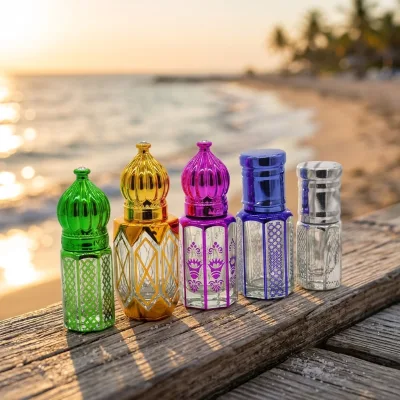
The versatility of mini glass essential oil bottles with sprayers makes them suitable for a diverse array of market segments. The primary applications identified include medical, cosmetic, chemical, beverage, and food industries. In the cosmetics sector, these bottles are frequently used for body sprays, facial mists, and essential oil diffusers. The "fine mist" spray type is particularly valued in this segment as it ensures an even distribution of the product, enhancing the user experience and perceived quality of the brand. The "green" color option observed in the data suggests a trend towards natural or organic branding, which is popular in the personal care and wellness markets.
In the pharmaceutical and medical sectors, the chemical inertness of glass is a key advantage. These bottles are used for storing liquid medications, tinctures, and topical treatments where purity is paramount. The "dropper" and "rubber stopper" configurations mentioned in the data are often preferred in medical applications for precise dosing, although the sprayer variant is gaining traction for convenience in over-the-counter products. The "essential oil bottle" model designation highlights a specific niche where the combination of glass preservation and spray application is essential for aromatherapy products.
The chemical industry also utilizes these containers for small-volume storage of solvents, reagents, and cleaning agents. The "hard" flexibility and robust sealing types ensure that these hazardous or sensitive liquids are contained safely. The "carton" and "pallet" packing methods observed in the data indicate that these products are designed for industrial-scale distribution, capable of withstanding the rigors of supply chain logistics. Whether for a boutique cosmetic brand or a large pharmaceutical manufacturer, the ability to customize the logo, bottle mold, and color allows businesses to align their packaging with their brand identity and regulatory requirements.
Supplier Evaluation and Quality Assurance Protocols
Evaluating suppliers for mini glass essential oil bottles requires a rigorous approach to quality assurance and capability assessment. The market data shows multiple product models, such as XLDW-706, XLDE, and XLDL, each with specific standard capacities ranging from 5ml to 125ml. This variety indicates that suppliers often have diverse production lines capable of handling different specifications. Buyers should verify the supplier's ability to maintain consistency across these different models, particularly regarding wall thickness and sealing integrity.
Quality control should focus on the critical failure points of glass packaging: breakage, leakage, and spray mechanism performance. Buyers must request samples to test the "fine mist" quality, ensuring that the spray is even and does not leak when the bottle is inverted or subjected to vibration. The "sample available" attribute in the data suggests that suppliers are generally willing to provide prototypes, which is a crucial step in the evaluation process. Buyers should use these samples to conduct stress tests, checking for cracks under pressure and verifying the seal against the specific oil or liquid they intend to use.
The customization capabilities of the supplier are another key evaluation metric. The data confirms that customization is available for logos, bottle mold designs, and colors. However, the buyer must assess the supplier's technical capacity to execute these customizations without compromising the structural integrity of the glass. For instance, deep embossing or specific color tints might weaken the glass if not applied correctly. Additionally, the "recycled" attribute should be verified through documentation to ensure that the sustainability claims are accurate and that the recycled content does not affect the clarity or strength of the glass.
Long-Term Procurement and Supply Chain Resilience
Sourcing mini glass essential oil bottles with sprayers is not just a one-time transaction but a long-term partnership that requires strategic planning for supply chain resilience. The production origin in China, specifically in regions like Xuzhou and Ningbo, offers access to a mature glass manufacturing ecosystem, but it also introduces potential risks related to geopolitical factors, shipping delays, and trade tariffs. Buyers should develop a risk mitigation strategy that includes diversifying their supplier base or maintaining safety stock to buffer against lead time fluctuations, which can range from 7 to 45 working days.
The scalability of the supplier is another consideration for long-term procurement. As a brand grows, the demand for packaging will increase, and the supplier must be able to scale production without sacrificing quality. The observed MOQs of up to 20,000 pieces suggest that suppliers are equipped to handle large orders, but buyers should confirm the supplier's capacity to ramp up production quickly in response to market spikes. Furthermore, the availability of "customized service" for logo and mold design indicates that suppliers can adapt to changing brand needs, which is essential for maintaining brand consistency over time.
Sustainability is increasingly becoming a long-term procurement priority. The "recycled" attribute and the potential for "green" color options align with growing consumer demand for eco-friendly packaging. Buyers should work with suppliers to optimize the use of recycled materials and reduce the carbon footprint of the supply chain. This might involve consolidating shipments to reduce transportation emissions or exploring local sourcing options if the market dynamics shift. By focusing on these long-term considerations, buyers can ensure a stable, high-quality, and sustainable supply of mini glass essential oil bottles with sprayers that meets both current and future business needs.
Comparative Analysis of Product Specifications
To facilitate informed decision-making, the following table summarizes the key specifications observed in the market for mini glass essential oil bottles with sprayers. This comparison highlights the variations in capacity, material, and customization options that buyers should consider when selecting a supplier.
| Feature | Observation Range | Specific Examples | Notes for Buyers |
|---|---|---|---|
| Material | Glass (Soda Glass) | Soda Glass, Recycled Glass | Verify chemical inertness for intended use. |
| Capacity | 5ml to 125ml | 5ml, 10ml, 15ml, 20ml, 30ml, 50ml, 100ml, 125ml | Match capacity to product volume requirements. |
| Wall Thickness | 3mm - 5mm | 3-5mm | Thicker walls offer better protection but increase weight. |
| Spray Type | Fine Mist, Mist Sprayer | Fine Mist, Mist Sprayer | Test spray pattern for even distribution. |
| Sealing Type | Screw Cap, Dropper, Rubber Stopper | Screw Cap, Dropper, Rubber Stopper | Ensure compatibility with sprayer mechanism. |
| Customization | Logo, Mold, Color | Any Colour, Custom Logo, Mold Design | Check Color MOQ (e.g., 20,000 pcs). |
| MOQ | 500 - 20,000 pcs | 500, 10,000, 20,000 | Lower MOQs may have higher unit costs. |
| Lead Time | 7 - 45 Days | 7-45 Working Days, 25 Days | Plan inventory based on maximum lead time. |
| Origin | China | Xuzhou, Jiangsu; Ningbo | Verify export compliance and shipping logistics. |
This comparative analysis underscores the importance of aligning specific product attributes with business requirements. By carefully evaluating these factors, buyers can secure a reliable supply of high-quality packaging that supports their brand's growth and meets the stringent demands of the essential oil and cosmetic markets.
FAQs
What materials are used for mini glass essential oil bottles with sprayer?
These bottles are primarily made from soda glass, which offers superior chemical resistance. Some listings also specify clear glass with a thickness between 3mm and 5mm to ensure structural integrity during shipping.
Which customization options are available for logo and bottle design?
Suppliers support customized logos, bottle mold designs, and color variations. While clear glass is standard, any color is available, though specific color orders may require a higher minimum quantity of 20,000 pieces.
Can I order samples before placing a bulk order for these bottles?
Yes, samples are available for most configurations to verify quality and spray performance. Buyers should request samples to test the fine mist mechanism and ensure the sealing type prevents leakage for their specific product.
What is the typical lead time for delivery from Chinese manufacturers?
Delivery times generally range from 7 to 45 working days depending on order complexity. Specific configurations may have a fixed lead time of 25 days, while standard orders might be processed within a week.
How does the minimum order quantity vary for different bottle sizes?
The minimum order quantity ranges from 500 units for standard items up to 20,000 units for custom colors. Smaller MOQs are often available for clear glass, while colored glass requires a larger commitment to justify production setup.
What sealing types are compatible with the sprayer mechanism?
Common sealing types include screw caps, droppers, and rubber stoppers depending on the specific model. The sprayer mechanism itself is designed as a fine mist atomizer to ensure even distribution of essential oils or body sprays.
Where are these glass bottles typically manufactured and shipped from?
Products originate from manufacturing hubs in China, specifically Xuzhou, Jiangsu Province, and Ningbo. These locations are known for glass production, and goods are typically packed in cartons or on pallets for industrial distribution.