Source Mini Hand Held Water Gun for Sports, Souvenirs, and Promotion
Explore 30 listings for the Mini Hand Held Water Gun suitable for sports, souvenirs, and promotional events. Buyers can compare customization options, materials like ABS and plastic, and shipping terms from suppliers in China.
Key considerations
Products List


$1.00 - $70.00
MOQ: 50 Pieces
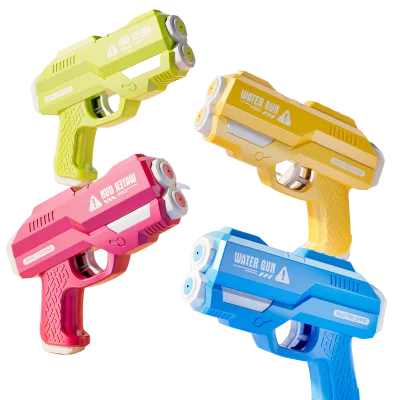


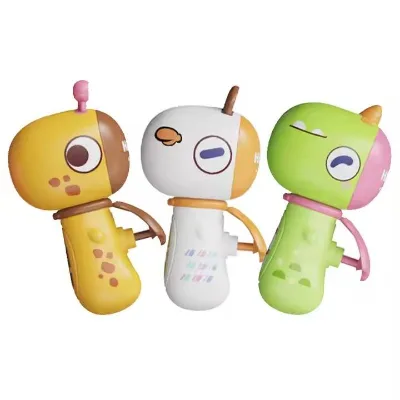
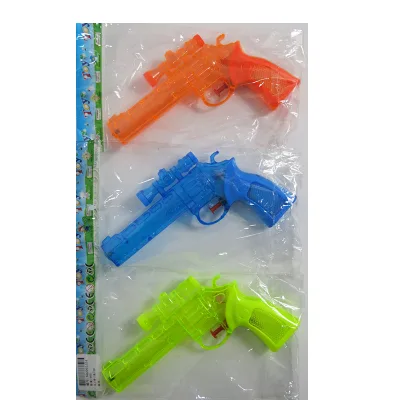
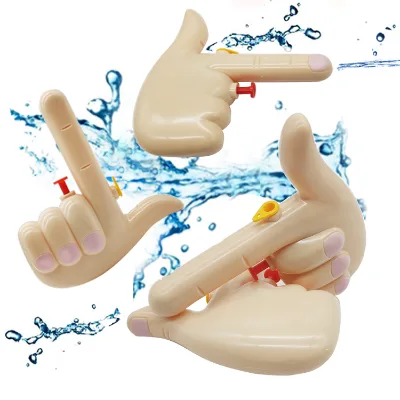


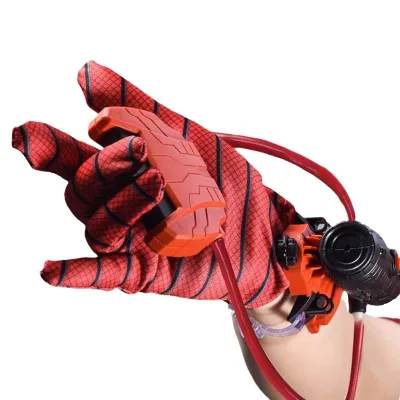
Spider Water Gun Small Mini Water Gun Manual Firing Water Gun for Kids Boys
$1.83 - $2.04
MOQ: 150 pieces
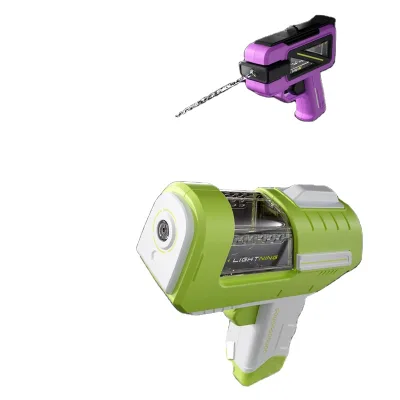
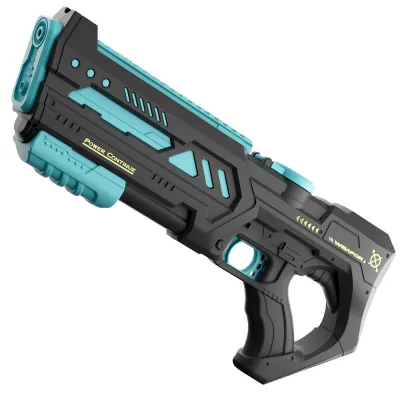
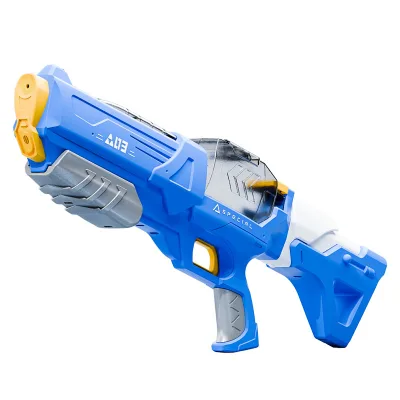
Comprehensive Sourcing Guide
Strategic Sourcing Guide for Mini Hand-Held Water Gun Procurement
Technical Specifications and Product Variability
When sourcing mini hand-held water guns, buyers must navigate a landscape defined by significant product variability rather than a single uniform standard. The core keyword implies a compact, portable device, yet the supplied data reveals distinct configurations ranging from simple plastic articles to specialized toy guns with specific dimensions and material compositions. A primary observation is the material diversity; some units are constructed from ABS plastic, while others utilize general plastic formulations. This distinction is critical for durability assessments, as ABS typically offers higher impact resistance compared to standard plastic variants.
The physical dimensions of these units vary widely, directly influencing their classification as "mini" or standard handheld devices. Observed specifications include a standard size of 41718 cm for specific water gun models, while other product entries list dimensions such as 11614 cm or 3910.528 cm. These variations suggest that "mini" is a relative term in this market, often referring to the ergonomic grip size rather than a strict volume constraint. Buyers must verify the exact product model number, such as 10515426, 10474876, or 10344125, to ensure the physical dimensions align with the intended use case, whether for beach play, sports events, or promotional giveaways.
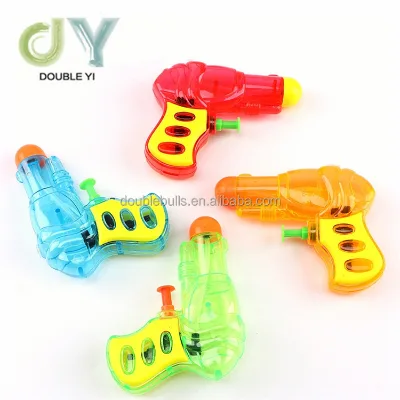
Furthermore, the functional attributes of the water guns differ based on the intended age group. Products are categorized for children under three years old and those aged 3-8 years. This age segmentation dictates the complexity of the mechanism and the safety features required. The data indicates that these units are non-electric, relying on manual pressure or gravity-fed systems. The color options observed include green, blue, orange, and yellow, allowing for customization to match brand identities or thematic events. The shape of the product also varies, with listings describing them as "Article," "Animal," or generic "Toy Gun" forms, necessitating a clear definition of the desired aesthetic before engaging with suppliers.
Compliance and Certification Verification
Compliance is a non-negotiable aspect of sourcing children's toys, particularly water guns that involve water pressure and potential ingestion risks. The supplied data highlights a fragmented certification landscape, which requires rigorous verification by the buyer. Several product entries explicitly list certifications such as EN71 and EN62115, which are the primary European safety standards for toys. EN71 covers mechanical and physical properties, flammability, and chemical safety, while EN62115 specifically addresses the electrical safety of electric toys, though the observed water guns are non-electric, making the mechanical and chemical aspects of EN71 the primary focus.
Other listings mention certifications like ENASTM, ENCE, and CE. The presence of "ENASTM" suggests a combination or confusion between European (EN) and American (ASTM) standards, requiring the buyer to confirm which specific test reports are available. The CE mark indicates conformity with health, safety, and environmental protection standards for products sold within the European Economic Area. However, the data also includes a certification entry labeled "ENCustomized:Customized," which is ambiguous and suggests that some suppliers may offer bespoke certification processes or that the standard is being adapted for specific markets.
Buyers must not assume that every listed product possesses all mentioned certifications. The data shows that certification status varies by product model. For instance, one model lists "En71, En62115" as a standard, while another lists "ENASTM, CE." It is the buyer's responsibility to request valid, third-party test reports for the specific batch being ordered. Relying on the presence of a certification keyword in a product listing without verifying the corresponding test certificate against the specific model number is a significant procurement risk. The "High-confidence facts" confirm that ENASTM and ENCE are observed attributes, but the buyer must validate if these apply to the specific "mini hand-held water gun" variant they intend to purchase.
Cost Drivers and Pricing Dynamics
The pricing structure for mini hand-held water guns is influenced by a complex interplay of material costs, customization levels, and order volume. The observed price range in the market spans from $0.02 to $70.00 USD. This wide disparity is not indicative of a single product tier but rather reflects the difference between basic, unbranded plastic units and highly customized, branded promotional items. The lower end of the spectrum likely corresponds to simple, non-customized units with standard packaging, while the upper end may include complex designs, full-color logo printing, and premium packaging solutions like PDQ (Pre-Packaged Display Quantity) or custom cartons.
Material composition is a primary cost driver. ABS plastic, noted in the specifications, is generally more expensive than standard plastic due to its superior durability and finish. Consequently, water guns made from ABS will command a higher unit price than those made from generic plastic. Additionally, the level of customization significantly impacts the final cost. The data confirms that customization is available, including full-color logo printing and silk print options. Suppliers offering OEM services for water gun toys, as indicated by the "OEM of Water Gun Toy Is Available" attribute, will typically charge a premium for the setup costs associated with mold creation and branding application.
Order volume is another critical factor. The observed Minimum Order Quantity (MOQ) ranges from 2 to 5,000 units. Buyers purchasing small quantities, such as samples or low-volume promotional runs, will face a higher unit cost due to the fixed costs of production setup. Conversely, orders approaching the 5,000-unit threshold will benefit from economies of scale, potentially bringing the unit price closer to the lower end of the observed range. The payment terms listed as "Tt" (Telegraphic Transfer) are standard but may influence cash flow considerations, especially for larger orders. Buyers should negotiate based on the specific MOQ required for their desired customization level, understanding that lower MOQs often come with a price penalty.
Typical Applications and Market Segmentation
The versatility of mini hand-held water guns makes them suitable for a diverse range of applications, from recreational play to corporate marketing. The observed usage categories include "Funny," "Souvenir," "Promotion," "Sports," and "Particular Toys." This broad applicability allows buyers to target multiple market segments with a single product category, provided the specifications are aligned with the specific use case.
For the "Sports" and "Recreation" segments, the focus is on durability and performance. These units are often used in summer festivals, beach events, or team-building activities. The "Animal" and "Cartoon Toy" shapes observed in the data are particularly relevant for this segment, as they appeal to children's imagination and enhance the play experience. The "Funny" usage category suggests a focus on novelty and humor, where the design and color (Green, Blue, Orange, Yellow) play a crucial role in attracting attention.
In the "Promotion" and "Souvenir" sectors, the water gun serves as a branded marketing tool. The availability of "Full Color" logo printing and "Silkprint" options makes these items ideal for corporate giveaways, trade show promotions, and event souvenirs. The "PDQ" and "Carton" packing options mentioned in the data support retail-ready presentation, which is essential for promotional items intended for shelf display. The "OEM" capability allows companies to create unique branded products that reinforce their identity. For the "Particular Toys" segment, the age-specific design (under 3 years vs. 3-8 years) ensures that the product meets the safety and engagement needs of specific developmental stages.
Supplier Evaluation and Operational Logistics
Evaluating suppliers for mini hand-held water guns requires a focus on operational reliability and logistical capabilities. The data indicates that the primary origin of these products is China, with specific mentions of Guangdong as a production hub. The loading ports are consistently listed as Shantou or Shenzhen, which are major maritime hubs in the region. Buyers should verify the specific port for their order, as this affects shipping costs and transit times. The availability of partial shipments is noted as "Allowed," which can be beneficial for buyers managing inventory constraints or cash flow, allowing for staggered deliveries.
Lead times are a critical operational metric. The observed production time is typically 7-15 days, while sample times range from 3 to 7 days. These timelines are relatively standard for the toy industry but can be impacted by customization requirements. Buyers must confirm the production schedule at the time of order placement, especially if the order includes complex printing or molding. The "Sample of Water Gun Toy Is Available" attribute confirms that suppliers are willing to provide prototypes, which is a best practice for quality verification before committing to a large order.
When evaluating suppliers, buyers should prioritize those who can provide clear documentation regarding the loading port, production time, and sample availability. The ability to offer OEM services and customization is a strong indicator of a supplier's flexibility and capacity to meet specific buyer needs. However, buyers must be cautious of suppliers who claim certifications without providing verifiable test reports. The "High-confidence facts" regarding certifications like ENASTM and ENCE should be treated as observations that require validation for each specific order.
Quality Control and Long-Term Procurement Considerations
Quality control in the water gun sector extends beyond the initial inspection of the product. Given the age-specific nature of the toys (under 3 years and 3-8 years), the risk of small parts or sharp edges is a primary concern. Buyers must ensure that the "Toy Gun Type" and "Electric" status (noted as "Not Electric") align with the safety expectations for the target age group. The "Standard" attributes, such as 48.2x19.5x10.5 cm or 11614 cm, should be cross-referenced with the physical product to ensure consistency in manufacturing.
Long-term procurement considerations involve building a relationship with suppliers who can maintain consistent quality over multiple orders. The "Customized" and "Customization: Available" attributes suggest that suppliers are capable of adapting to changing market trends or brand requirements. However, buyers should establish clear quality benchmarks for each production run, including checks on color consistency, print quality (Full Color vs. Silkprint), and structural integrity. The "Packing" options, ranging from "OPP Bag" to "PVC Bag" and "Carton," also impact the product's condition upon arrival. Buyers should specify the packaging requirements to prevent damage during transit, especially for fragile components.
Finally, the "Terms of Payment" being "Tt" requires buyers to have a clear understanding of the payment schedule and any associated risks. Establishing a clear communication channel for resolving quality issues and ensuring that the supplier adheres to the agreed-upon standards is essential for a successful long-term partnership. By focusing on these operational and quality aspects, buyers can mitigate risks and ensure a steady supply of high-quality mini hand-held water guns for their specific market needs.
Comparative Analysis of Product Attributes
To facilitate decision-making, the following table summarizes the key attributes observed in the supplied data, highlighting the variability buyers must navigate.
| Attribute | Observation 1 | Observation 2 | Observation 3 |
|---|---|---|---|
| Material | ABS | Plastic | Plastic |
| Age Group | < 3 Years | 3-8 Years | < 3 Years |
| Certification | ENASTM | ENCE | EN71, EN62115 |
| Packing | PDQ | OPP Bag | Carton |
| Logo Print | Full Color | Silkprint | Full Color |
| Loading Port | Shantou or Shenzhen | Shantou | Shantou, Shenzhen |
| Product Type | Folding | Toy Gun | Toy Gun |
| Standard Size | 3910.528 CM | 11614 CM | 41718 Cm |
This comparison underscores the necessity for buyers to specify their requirements clearly. A single order may not satisfy all criteria simultaneously, and the final product selection will depend on the specific balance of material, certification, and packaging required for the intended application.
FAQs
Can I get a sample of the Mini Hand Held Water Gun before ordering?
Yes, samples are available for water gun toys with a lead time of 3 to 7 days. This allows you to verify quality and design before committing to a larger bulk order for your specific needs.
What certifications do mini hand held water guns typically have?
Products often carry EN71, EN62115, ENASTM, or CE certifications depending on the model. You must verify the specific test report for the exact product model number to ensure compliance with your target market.
How long does production take for customized mini hand held water guns?
Production usually takes 7 to 15 days after sample approval. This timeline applies to standard orders, though complex customization or high volume may require specific confirmation from the factory.
Which materials are used for mini hand held water guns?
These toys are primarily made from ABS plastic or general plastic formulations. ABS offers higher impact resistance, while other variants use standard plastic, affecting durability and unit pricing.
What is the minimum order quantity for mini hand held water guns?
The minimum order quantity ranges from 2 to 5000 units depending on the supplier and customization level. Lower MOQs often incur higher unit costs, while larger orders benefit from economies of scale.
Can I add a logo to the Mini Hand Held Water Gun?
Yes, full color logo printing and silk print options are available for customization. OEM services allow you to create branded products, though setup costs may apply for new molds or designs.
Where are mini hand held water guns shipped from?
Products are typically loaded from Shantou or Shenzhen ports in China. Some specific listings also mention Guangdong as the origin, so confirm the exact loading port for your shipping calculation.