Source Mini Tractor Hydraulic Chain Trencher for Farming, Landscaping, and Irrigation
Find and compare 30 Mini Tractor Hydraulic Chain Trencher models from verified Chinese manufacturers. Evaluate specifications such as working depth, width, and power source to select the right machinery for agricultural and landscaping projects.
Key considerations
Products List


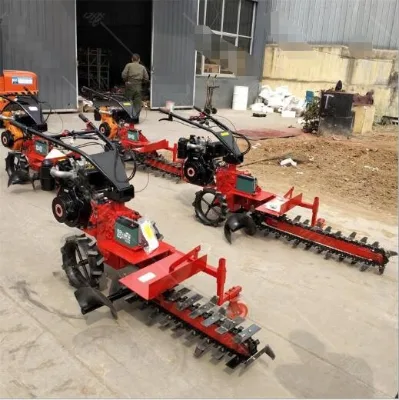
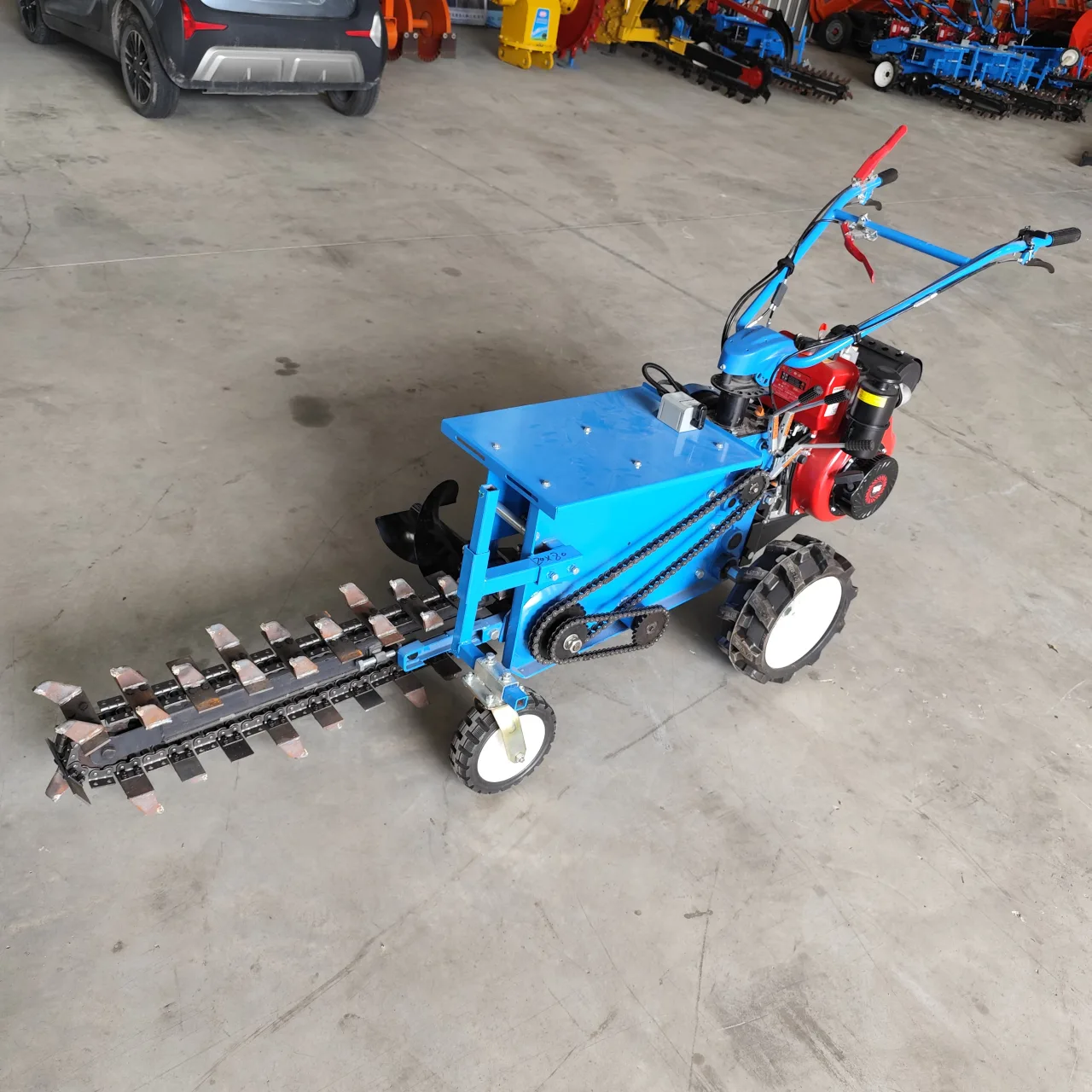
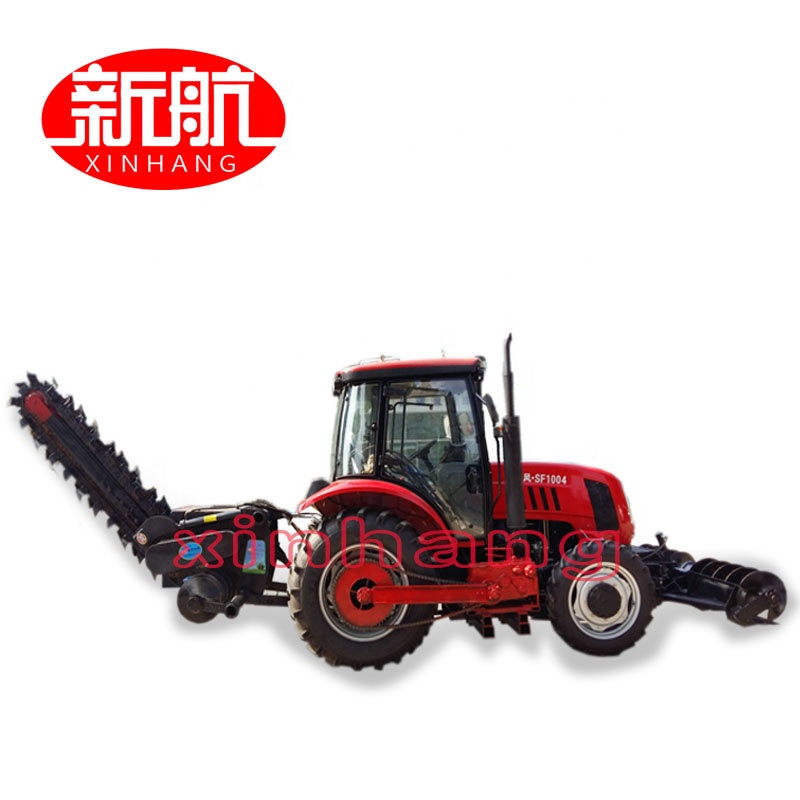
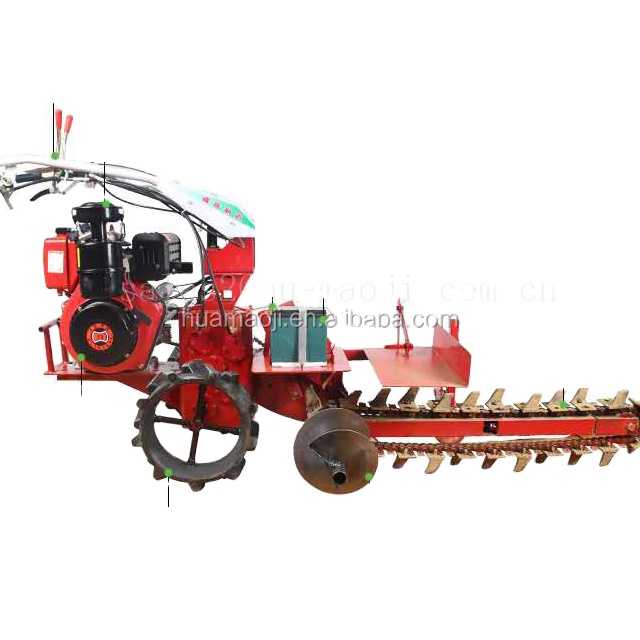


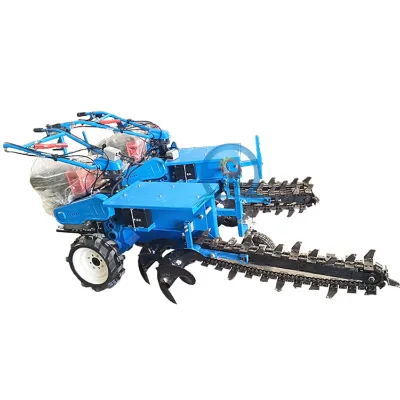
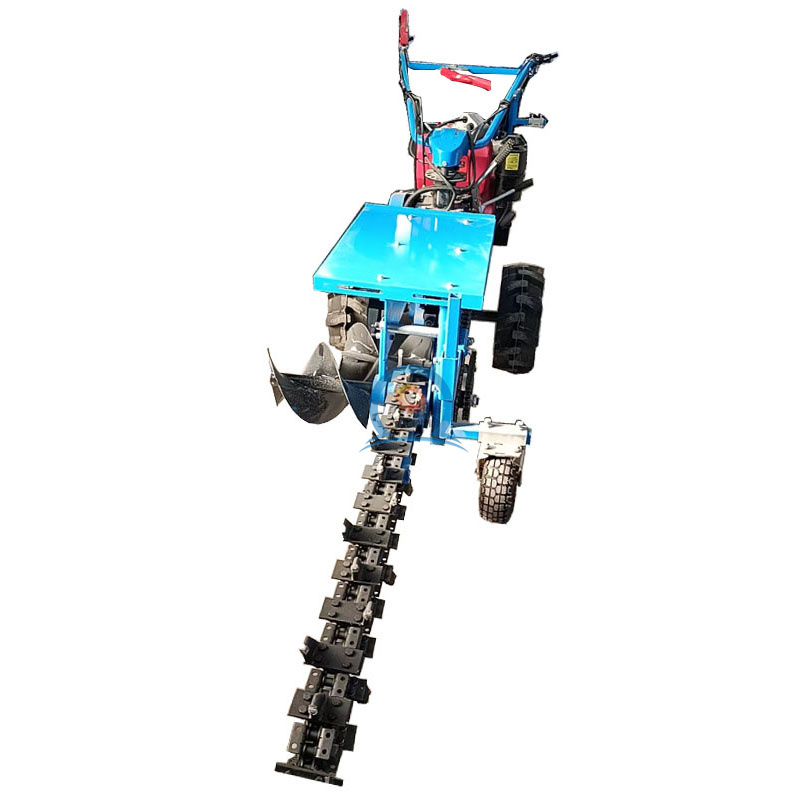
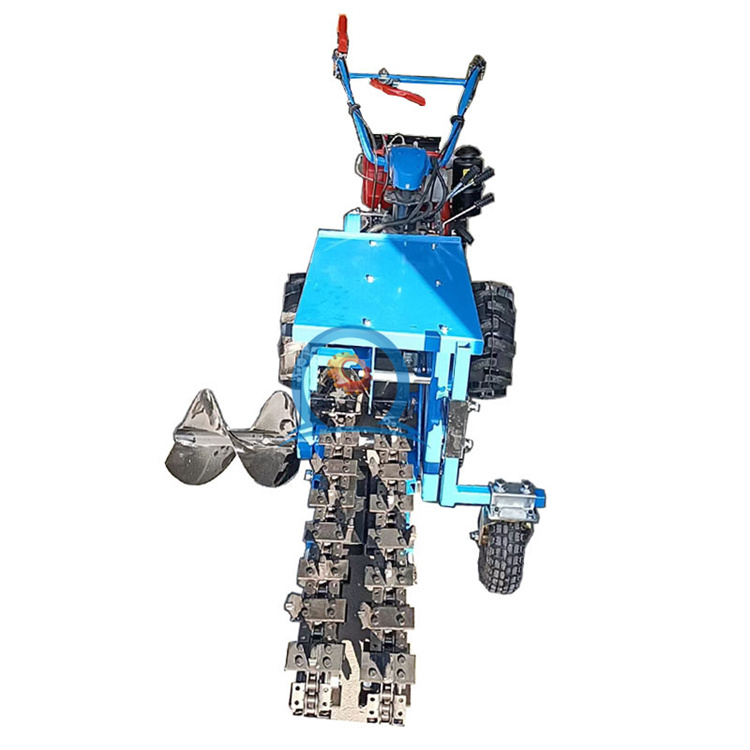
Factory Direct Sales Trencher Mini Tractor Hydraulic Chain Trencher Machine
$3289.00 - $3519.00
MOQ: 1 Pieces


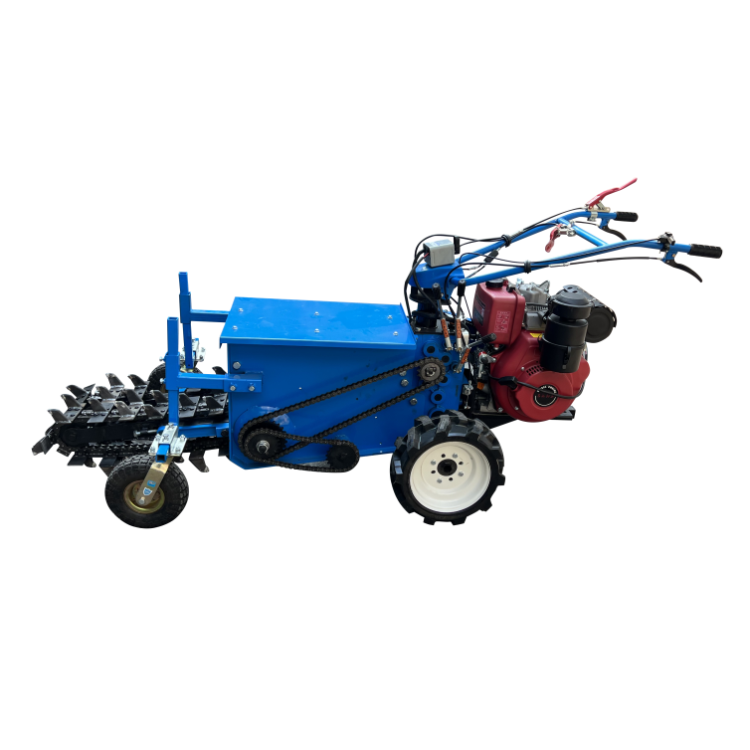

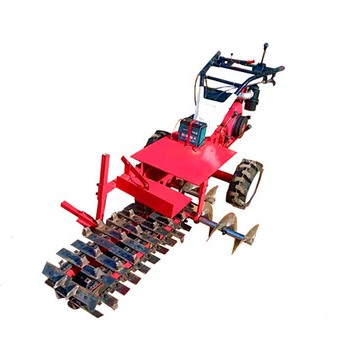


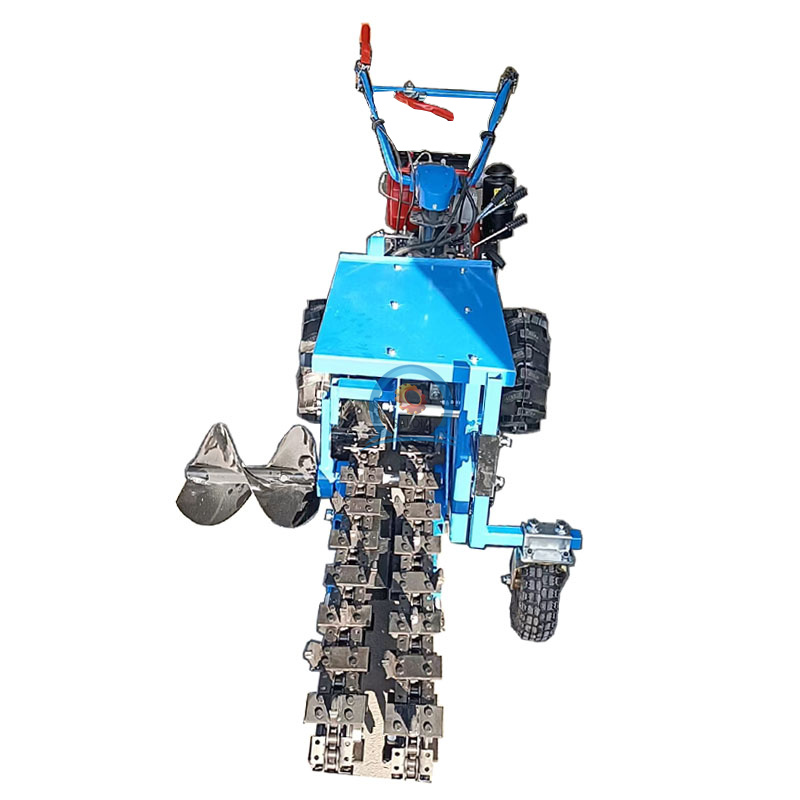
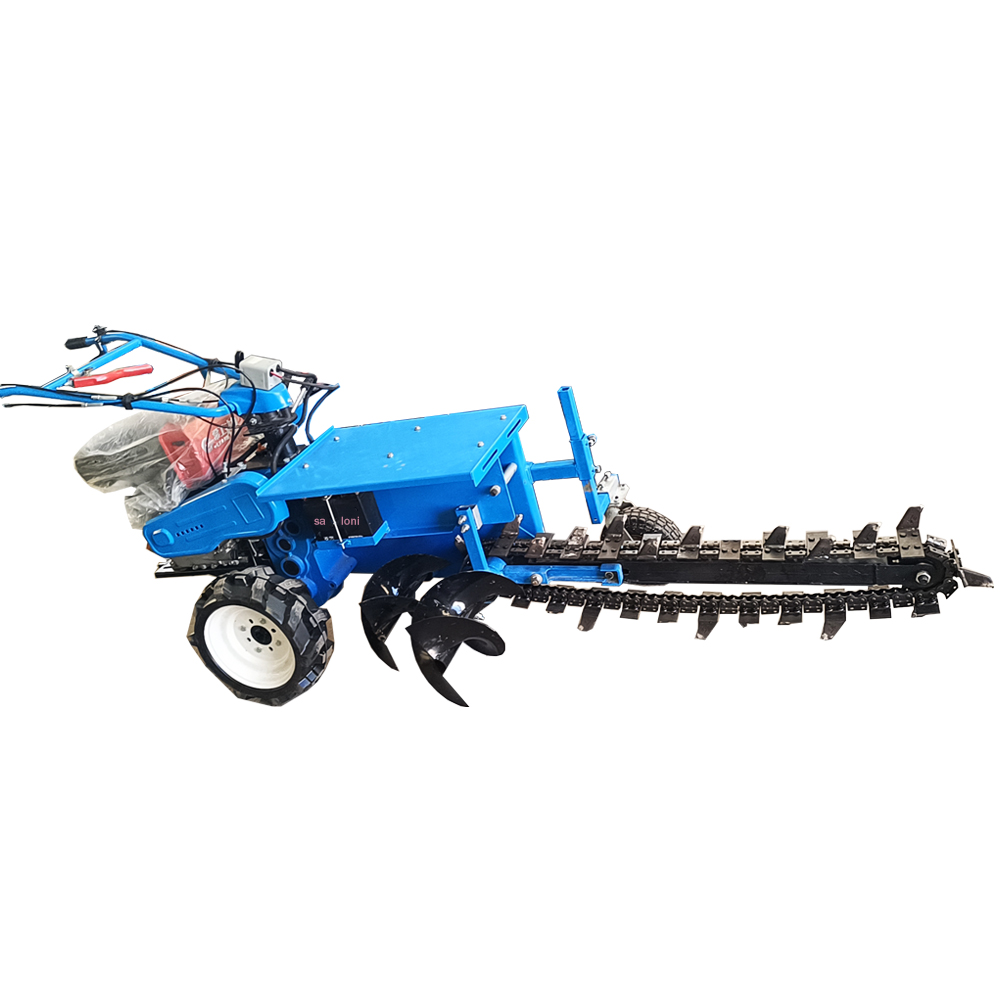
15hp Trencher with Chain Saw Ditching Trenching Machine Mini Trencher Machine
$225.00 - $1730.00
MOQ: 1 Minimum

Comprehensive Sourcing Guide
Mini Tractor Hydraulic Chain Trencher Sourcing Guide
Procuring a Mini Tractor Hydraulic Chain Trencher requires a careful balance between mechanical compatibility and operational efficiency. These machines are primarily designed for agricultural and civil engineering tasks, offering a versatile solution for digging narrow ditches for irrigation, drainage, or cable laying. The core keyword highlights the integration of hydraulic power from a mini tractor, which distinguishes these units from standalone walk-behind trenchers that rely on independent engines. Buyers must understand that the trencher is an attachment, meaning its performance is intrinsically linked to the host tractor’s hydraulic flow and pressure capabilities. This dependency necessitates precise verification of interface standards before purchase to ensure seamless integration and safe operation in the field.
The market for these attachments is characterized by a wide range of specifications, from compact models suitable for small-scale farming to robust units capable of handling harder soil conditions. Observed listings indicate a diverse product landscape, with models ranging from simple chain-driven units to more complex crawler-based systems. While some products are marketed as "mini trencher machines" or "chain saw ditching" tools, the hydraulic variant specifically leverages the tractor’s power take-off (PTO) or hydraulic system to drive the cutting chain. This guide focuses on the hydraulic chain trencher, emphasizing the need for buyers to verify technical alignment, compliance documentation, and supplier reliability to mitigate procurement risks associated with agricultural machinery attachments.
Product Scope and Observed Listing Signals
The observed product scope reveals a significant variation in design philosophies and operational modes among available trenchers. Listings show models with distinct power sources, including diesel and gasoline engines, indicating that not all trenchers are purely hydraulic attachments; some are self-propelled units that may be confused with hydraulic attachments. For instance, certain products are described as "walking tractor chain trenchers" or "crawler loader" types, which operate independently of a host tractor. Buyers must carefully distinguish between true hydraulic attachments, which mount to a mini tractor, and standalone trenchers that have their own power units. This distinction is critical for determining compatibility, as a hydraulic trencher requires specific flow rates and pressure outputs from the tractor’s hydraulic system to function correctly.
Further analysis of listing signals shows a variety of operational characteristics, such as "low speed once into a ditch" versus "high-speed repeatedly into a ditch" operations. These descriptions suggest differences in chain speed, torque delivery, and intended soil conditions. Some models are optimized for precision work in soft soils, while others are built for high-productivity tasks in tougher terrain. The observed width specifications range from 100mm to 300mm, and depths vary from 40cm to 80cm, highlighting the need for buyers to match the trencher’s physical capabilities with their specific project requirements. Additionally, the presence of "standard wooden package" and "wooden packing" indicates that shipping and handling considerations are part of the product scope, affecting logistics planning and potential damage risks during transit.
Technical Specifications to Verify
Verifying the technical specifications of a Mini Tractor Hydraulic Chain Trencher is paramount to ensuring it meets the operational demands of the intended application. Key parameters to confirm include the working width, working depth, and chain speed, as these directly impact productivity and trench quality. For example, observed models specify working widths of 100mm or ranges up to 300mm, and depths from 600mm to 800mm. Buyers must ensure that the selected trencher’s dimensions align with their project needs, such as the required depth for irrigation lines or the width for cable conduits. Additionally, the chain type and material quality should be assessed, as the durability of the cutting chain determines the machine’s lifespan and maintenance frequency in abrasive soil conditions.
Another critical technical aspect is the hydraulic interface and power requirements. Since the trencher is powered by the mini tractor, buyers must verify the tractor’s hydraulic flow rate (in liters per minute) and pressure (in bar or PSI) to ensure it matches the trencher’s requirements. Mismatched hydraulic specifications can lead to insufficient power, slow operation, or even damage to the tractor’s hydraulic system. Furthermore, the mounting mechanism must be compatible with the tractor’s three-point hitch or specific attachment points. Buyers should also inquire about the core components, such as the engine type for any auxiliary systems, and the overall weight of the unit, as excessive weight can affect the tractor’s stability and maneuverability in the field.
Compliance and Safety Documentation
Compliance and safety documentation are essential for ensuring that the Mini Tractor Hydraulic Chain Trencher meets regulatory standards and operates safely in the workplace. Many observed listings indicate that products carry CE certification, which is a mandatory conformity mark for products sold within the European Economic Area. Buyers targeting European markets must verify that the supplier provides valid CE certificates and that the product complies with relevant EU directives, such as the Machinery Directive. This certification ensures that the trencher has undergone appropriate risk assessments and meets essential health and safety requirements, reducing the liability for the buyer and ensuring operator safety.
In addition to CE certification, buyers should request other relevant safety documentation, such as user manuals, maintenance guides, and warning labels in the local language. These documents provide critical information on safe operation, emergency procedures, and routine maintenance tasks. For instance, understanding the proper chain tensioning and lubrication procedures is vital to prevent accidents and extend the machine’s life. Buyers should also verify if the supplier provides machinery test reports, as these can offer insights into the product’s performance and reliability under controlled conditions. Ensuring that all safety documentation is complete and accurate is a key step in mitigating operational risks and ensuring regulatory compliance.
Cost Drivers and Commercial Terms
The cost of a Mini Tractor Hydraulic Chain Trencher is influenced by several factors, including the material quality, hydraulic component specifications, and the level of customization offered. Observed price ranges vary significantly, from approximately $225 to $5000, reflecting the diversity in product quality and features. Higher-priced models typically feature more durable chains, robust hydraulic systems, and additional safety features. Buyers should consider the total cost of ownership, including maintenance, spare parts availability, and potential downtime, rather than focusing solely on the initial purchase price. Customization options, such as specific chain lengths or mounting configurations, may also impact the final cost, so it is important to clarify these details with the supplier early in the procurement process.
Commercial terms, including minimum order quantity (MOQ), payment terms, and shipping conditions, also play a crucial role in the procurement decision. Observed listings indicate an MOQ of 1, suggesting that buyers can purchase single units, which is beneficial for small-scale operations or trial purchases. However, buyers should negotiate for better pricing or additional services, such as free spare parts or extended warranties, when ordering multiple units. Shipping terms, such as FOB or CIF, should be clearly defined to avoid unexpected costs. Additionally, buyers should inquire about the supplier’s after-sales service provisions, such as the availability of engineers for overseas support, which can be invaluable for resolving technical issues and ensuring long-term operational success.
Supplier Qualification and Quality Control
Evaluating supplier qualification and quality control processes is essential to ensure the reliability and consistency of the Mini Tractor Hydraulic Chain Trencher. Buyers should verify the supplier’s manufacturing capabilities, including their production facilities, quality management systems, and experience in producing agricultural machinery. Suppliers with a proven track record and positive customer feedback are more likely to deliver high-quality products. Additionally, buyers should request information about the supplier’s quality control procedures, such as incoming material inspections, in-process checks, and final product testing. These measures help ensure that each unit meets the specified standards and performs reliably in the field.
Furthermore, buyers should assess the supplier’s commitment to continuous improvement and customer support. Suppliers that offer comprehensive training, technical assistance, and readily available spare parts are better equipped to support their customers throughout the product’s lifecycle. Buyers should also verify the supplier’s warranty terms, such as the duration and coverage of the warranty, to ensure that they are protected against manufacturing defects. For instance, observed listings indicate a one-year warranty for some models, which provides a baseline level of protection. However, buyers should negotiate for extended warranty options or additional support services if needed, to enhance their confidence in the supplier’s reliability and product quality.
Long-Term Procurement Checks
Long-term procurement checks involve establishing a framework for ongoing supplier evaluation and product performance monitoring. Buyers should implement a system for tracking the trencher’s performance, including metrics such as uptime, maintenance frequency, and repair costs. This data can help identify potential issues early and inform future purchasing decisions. Regular communication with the supplier is also crucial for addressing any emerging issues and ensuring that the supplier remains responsive to the buyer’s needs. Buyers should also stay informed about industry trends and technological advancements, as these can impact the relevance and competitiveness of the trencher in the market.
Additionally, buyers should consider the supplier’s ability to adapt to changing market conditions and regulatory requirements. Suppliers that invest in research and development and continuously update their product lines are more likely to remain competitive and provide innovative solutions. Buyers should also evaluate the supplier’s sustainability practices, such as their commitment to reducing environmental impact and promoting ethical labor practices. These factors can contribute to the long-term viability of the supply chain and align with the buyer’s corporate social responsibility goals. By conducting thorough long-term procurement checks, buyers can build a resilient and sustainable supply chain for their Mini Tractor Hydraulic Chain Trencher needs.
FAQs
What is the typical working depth for a Mini Tractor Hydraulic Chain Trencher?
The typical working depth ranges from 40 to 100 centimeters. This depth allows for effective ditching in agricultural fields and utility installation. Operators should adjust the depth based on soil conditions and specific project requirements to ensure optimal performance and safety.
What power source options are available for mini tractor hydraulic chain trenchers?
Mini tractor hydraulic chain trenchers are commonly powered by diesel or gasoline engines. Diesel engines are preferred for their durability and fuel efficiency in heavy-duty agricultural applications. Gasoline options may be available for lighter tasks or specific regional fuel availability preferences.
What is the standard packaging for shipping a Mini Tractor Hydraulic Chain Trencher?
The standard packaging is a wooden package designed to protect the machinery during transit. This packaging ensures the structural integrity of the trencher and its components. Buyers should verify the packaging dimensions and weight to plan for logistics and unloading requirements.
Can mini tractor hydraulic chain trenchers be customized for specific agricultural needs?
Yes, customization is available for mini tractor hydraulic chain trenchers. Buyers can request specific modifications to meet their agricultural requirements. This may include adjustments to working width, depth, or engine specifications to suit particular field conditions or tasks.
What is the warranty period for a Mini Tractor Hydraulic Chain Trencher?
The standard warranty period is one year. This warranty covers defects in materials and workmanship under normal use. Buyers should review the warranty terms to understand the scope of coverage and any conditions that may affect the warranty validity.
What is the operating speed of a Mini Tractor Hydraulic Chain Trencher?
The operating speed typically ranges from 150 to 300 meters per hour. This speed allows for efficient trenching in various soil conditions. Operators should adjust the speed based on the desired trench quality and the specific requirements of the project.
What is the weight of a Mini Tractor Hydraulic Chain Trencher?
The weight of a Mini Tractor Hydraulic Chain Trencher is approximately 280 kilograms. This weight is important for planning transportation and handling. Buyers should ensure that their logistics and equipment can support this weight during shipping and on-site operations.