Source Minimalist Nordic Pendant Light for homes, restaurants, and hotels
Find 30 verified options for the Minimalist Nordic Pendant Light suitable for dining areas, commercial spaces, and residential decor. Buyers can compare specifications including voltage, beam angle, and certification to select the right fixture for their project needs.
Key considerations
Products List


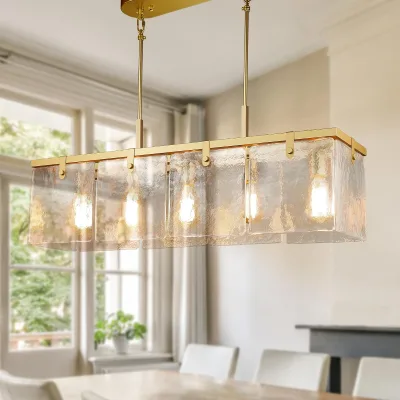
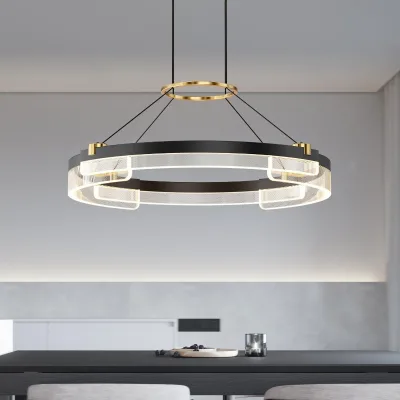


Comprehensive Sourcing Guide
Strategic Sourcing Guide for Minimalist Nordic Pendant Lights
The global demand for minimalist Nordic pendant lights has surged as commercial and residential spaces prioritize clean lines, functional elegance, and energy efficiency. For procurement professionals, sourcing these fixtures requires a nuanced understanding of technical specifications, regulatory compliance, and supply chain logistics. This guide synthesizes verified product attributes and industry standards to provide a disciplined framework for evaluating suppliers and selecting high-quality lighting solutions. Buyers must navigate a market where "Nordic" implies a specific aesthetic of simplicity and functionality, often realized through materials like stainless steel, iron, and glass, combined with precise LED technologies.
Technical Specifications and Performance Metrics
When evaluating minimalist Nordic pendant lights, the technical specifications form the backbone of the procurement decision. The observed product data indicates a diverse range of performance capabilities that must be matched to specific project requirements. A critical attribute is the light source configuration. While many modern fixtures integrate LED technology directly, some listings specify "Without Light Source," indicating that the fixture is a housing requiring separate bulb procurement. Buyers must verify this distinction immediately to avoid budget overruns and installation delays.
For integrated LED solutions, the luminous flux is a primary indicator of brightness and efficiency. Data points show a range from 100-120 lumens per watt (lm/W) to absolute outputs of 12,000 lumens. This variance suggests that suppliers offer different power tiers, from ambient accent lighting to high-intensity task or area lighting. The beam angle is equally significant for the Nordic aesthetic, which often relies on diffuse, even illumination. Observed beam angles include 80°, 180°, and 360°, allowing for targeted downlighting or omnidirectional ambient glow. The color rendering index (CRI) is a vital metric for interior design; a value of Ra 95 is observed, ensuring that colors in the dining or living space appear natural and vibrant.
Voltage compatibility is another technical hurdle. While some units are rated for 220V, others support a broad input range of 110-240V, which is essential for international projects. The color temperature options typically span 3000K, 4000K, and 5000K, enabling buyers to select warm, neutral, or cool tones that align with the specific mood of the space. Furthermore, the lifespan of the LED components varies significantly, with observed data showing figures of 6,000 hours and 50,000 hours. Procurement teams must prioritize the 50,000-hour lifespan for commercial applications to minimize maintenance costs, while acknowledging that shorter lifespans may be acceptable for low-traffic residential projects.
Compliance, Certification, and Safety Standards
Navigating the regulatory landscape is non-negotiable for B2B procurement. The supplied product facts highlight a robust set of certifications that buyers should verify on a per-shipment basis. The most frequently observed certifications include CE, CCC (China Compulsory Certification), and RoHS (Restriction of Hazardous Substances). These are standard for products originating from China and indicate compliance with European safety directives and environmental restrictions.
In addition to the core trio, some listings include GS, VDE, and ISO standards. The presence of VDE (Verband der Elektrotechnik) suggests rigorous German safety testing, while GS indicates general safety approval. It is crucial for buyers to understand that these certifications are not universal across all SKUs. For instance, one model may carry CE, CCC, and RoHS, while another might include the additional GS and VDE marks. Procurement teams must request valid test reports for the specific model number before finalizing an order to ensure that the batch being shipped matches the claimed certifications.
The "FSC" certification appears in background data but lacks the high-confidence status of the electrical safety marks. Buyers should not assume FSC compliance for wood components unless explicitly verified in the product specification sheet. Similarly, while "Color: Gold" and "Frame Color: Golden" are observed attributes, the material composition varies between Stainless Steel, Iron, and Glass. The durability of these materials depends on the finish quality, which is often a variable not captured in standard certification lists. Therefore, visual inspection and material verification remain essential steps in the compliance process.
Cost Drivers and Pricing Dynamics
The pricing structure for minimalist Nordic pendant lights is influenced by several key variables, resulting in a wide observed range of 0.85 to 449.99 USD. This broad spectrum reflects differences in material quality, manufacturing complexity, and order volume. The lower end of the price range likely corresponds to basic iron or glass fixtures with standard LED integration, while the higher end may involve custom OEM/ODM services, premium stainless steel construction, or high-lumen output units.
Minimum Order Quantity (MOQ) is a significant cost driver. The observed MOQ range spans from 1 to 50 units. For small-scale renovations or sample testing, suppliers offering an MOQ of 1 are advantageous, though the unit price will be higher. Conversely, bulk procurement for large commercial projects can leverage MOQs of 50 or more to secure lower per-unit costs. Trade terms such as EXW (Ex Works), FOB (Free on Board), CIF (Cost, Insurance, and Freight), and CFR (Cost and Freight) also impact the final landed cost. Buyers must calculate the total cost of ownership, including shipping, insurance, and customs duties, rather than focusing solely on the factory gate price.
Customization is a major factor in pricing. The data confirms that customization is available for design, packing, and standards. Customizing the frame color, size, or specific model number (e.g., 202404-463 vs. 202404-308) will invariably increase the unit cost and potentially extend the lead time. The "Lighting Solutions Service," which includes light drawing and project design, adds value but may also be a line item in the commercial proposal. Buyers should clearly define their customization needs to avoid unexpected cost escalations.
Typical Applications and Design Integration
Minimalist Nordic pendant lights are versatile, finding application in a variety of settings ranging from residential dining areas to commercial hospitality spaces. The observed usage categories explicitly include restaurants, bars, homes, and hotels. In these environments, the design style is consistently described as "Modern," characterized by clean lines and uncluttered forms. The specific models, such as BGST-260611-2 or 20231220-2, are tailored to fit these modern aesthetics.
The irradiated area is a critical specification for spatial planning. Products with an irradiated area of ≥30 square meters are suitable for large open-plan dining halls or hotel lobbies, while smaller units with 360° beam angles may be better suited for intimate dining tables or home kitchens. The control mode is typically "Switch Control," with support for dimmers in many models. This flexibility allows facility managers to adjust lighting levels to suit different times of day or event requirements, enhancing the ambiance of the space.
The "Quantity of Lights" and "Style: Modern" attributes suggest that these fixtures are often deployed in clusters or rows to create a cohesive visual rhythm. For project lighting design, suppliers offering services like "Light Drawing and Design" can assist in determining the optimal spacing and quantity of fixtures to achieve the desired illumination levels. The customizable size and color options further enable designers to integrate these lights seamlessly into existing interior schemes, ensuring that the Nordic aesthetic is preserved without compromising functional requirements.
Supplier Evaluation and Quality Assurance
Evaluating suppliers for minimalist Nordic pendant lights requires a focus on their ability to deliver consistent quality and adhere to the agreed specifications. The "Design: OEM ODM Service" attribute indicates that many suppliers have the capacity to manufacture custom designs, which is a strong indicator of manufacturing capability. However, buyers must verify the supplier's track record in handling such customizations to ensure that the final product matches the design intent.
Quality control should begin with a review of the material composition. The observed materials include Stainless Steel, Iron, and Glass. Each material presents unique quality challenges; for instance, stainless steel must be resistant to corrosion, while glass components must be free of bubbles or imperfections. The "Warranty Period" of 2 years is a common standard observed in the data, serving as a baseline for product reliability. Buyers should confirm that the warranty covers both the fixture and the integrated LED components, as failures in either area can disrupt operations.
The "Lifespan (Hours)" data shows a significant disparity between 6,000 and 50,000 hours. This variance suggests that not all suppliers offer the same quality of LED drivers and heat management systems. High-quality suppliers will provide detailed technical datasheets explaining how they achieve the longer lifespan, including thermal management strategies and driver quality. Buyers should request sample units to test for flicker, color consistency, and heat dissipation before committing to a large order. Additionally, the "prod_packing" being customizable allows for protective packaging solutions that reduce the risk of damage during transit, a critical consideration for glass and metal fixtures.
Long-Term Procurement and Logistics Considerations
Sourcing lighting fixtures is a long-term commitment that extends beyond the initial purchase. The "Warranty: 2 Year Guarantee" provides a safety net, but buyers must also consider the availability of spare parts and the ease of replacement. The "Shipping" methods listed—Express Courrier, Air, or Sea—offer different trade-offs between speed and cost. For urgent projects, air freight may be necessary, while sea freight is more economical for bulk orders with flexible timelines.
The "Place of Origin" is consistently listed as Guangdong, China, a major manufacturing hub. This concentration of suppliers can facilitate competitive pricing and rapid production, but it also necessitates rigorous due diligence to ensure that the specific factory meets the buyer's quality standards. The "Trade Terms" (EXW, FOB, CIF, CFR) dictate the division of risk and responsibility between buyer and seller. Understanding these terms is essential for managing logistics and insurance.
Finally, the "Customization" aspect of the product line offers long-term flexibility. As project requirements evolve, the ability to customize the frame color, size, or standard allows buyers to adapt their lighting solutions without changing suppliers. However, this flexibility comes with the need for clear communication and detailed specifications to avoid production errors. By maintaining a disciplined approach to verification and quality control, buyers can secure a reliable supply of minimalist Nordic pendant lights that meet both aesthetic and functional demands for years to come.
Comparative Analysis of Key Product Attributes
To assist in the decision-making process, the following table summarizes the key technical and logistical attributes observed in the product data. This comparison highlights the variability in specifications that buyers must account for when selecting a specific model.
| Attribute | Observed Range / Options | Procurement Consideration |
|---|---|---|
| Voltage | 220V, 110-240V | Verify compatibility with local grid standards. |
| Light Source | Integrated LED, Without Light Source | Confirm if bulbs are included or must be sourced separately. |
| Lifespan | 6,000 Hours, 50,000 Hours | Prioritize 50,000 hours for commercial longevity. |
| Beam Angle | 80°, 180°, 360° | Select based on required illumination spread (targeted vs. ambient). |
| CRI (Ra) | 95 | High CRI ensures accurate color rendering in dining/decor. |
| Certifications | CE, CCC, RoHS, GS, VDE, ISO | Request test reports for the specific model batch. |
| MOQ | 1 - 50 Units | Negotiate based on project scale and budget. |
| Warranty | 2 Years / 2-Year Guarantee | Ensure coverage includes LED driver and fixture housing. |
| Material | Stainless Steel, Iron, Glass | Inspect samples for finish quality and structural integrity. |
| Customization | Available (Design, Color, Size) | Define requirements clearly to avoid production delays. |
This structured approach ensures that procurement decisions are grounded in verified data, minimizing risk and maximizing the value of the investment in minimalist Nordic pendant lighting solutions.
FAQs
What certifications do minimalist nordic pendant lights typically have?
Most units carry CE, CCC, and RoHS certifications, with some models also including GS, VDE, and ISO marks. Buyers must verify test reports for the specific model number before ordering to ensure compliance matches the shipment.
Can I customize the design and packaging for these lights?
Yes, customization is available for design, packing, and standards including frame color and size. Customizing specific model numbers or requesting OEM ODM services will increase unit costs and may extend lead times.
What is the typical lifespan of the LED components in these fixtures?
Observed lifespans vary significantly between 6,000 hours and 50,000 hours depending on the manufacturer and driver quality. Commercial projects should prioritize units with the 50,000-hour rating to minimize long-term maintenance expenses.
How does the warranty period apply to these lighting products?
A 2-year warranty is a common standard observed across the product listings for both fixtures and components. Buyers should confirm that the guarantee covers integrated LED drivers and verify coverage details before finalizing the purchase.
What voltage options are available for international projects?
Units are available in 220V ratings or broad input ranges of 110-240V to support global deployment. Selecting the correct voltage compatibility is essential to avoid installation delays and ensure safe operation in different regions.
Which beam angles are suitable for dining and hotel spaces?
Available beam angles include 80 degrees for targeted lighting, 180 degrees for wider coverage, and 360 degrees for omnidirectional ambient glow. The choice depends on whether the space requires focused task lighting or diffuse atmospheric illumination.
What materials are commonly used for the frame construction?
Frames are typically constructed from stainless steel, iron, or glass, often finished in gold or customizable colors. Material selection impacts durability and aesthetic appeal, requiring visual inspection to verify finish quality and resistance to corrosion.