Source Minimalist Retail Thermal Printer for POS, Logistics, and Inventory
Explore 30 Minimalist Retail Thermal Printer options featuring thermal line printing, 58mm or 80mm paper support, and ESC command compatibility. Buyers can compare models like the MP-58C and MP-80M based on resolution, battery capacity, and printing speed to find the right device for retail or logistics needs.
Key considerations
Products List


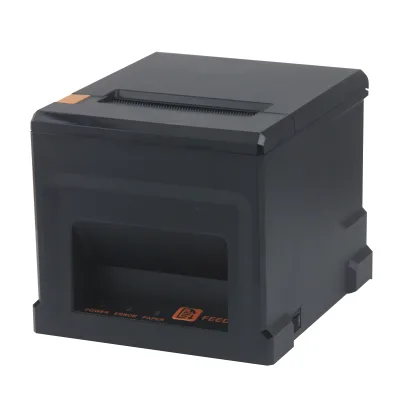


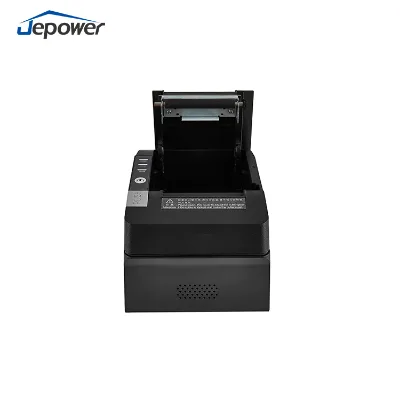


Comprehensive Sourcing Guide
Strategic Sourcing Guide for Minimalist Retail Thermal Printers
Understanding the Core Product Category and Technical Baseline
The search for a Minimalist Retail Thermal Printer typically targets compact, efficient devices designed for point-of-sale (POS) environments, inventory management, and mobile transaction processing. Based on current market observations, these devices are characterized by their small footprint, thermal line printing technology, and compatibility with standard ESC/POS command sets. The core functionality revolves around the ability to print English text, numbers, symbols, graphics, curves, and icons with high precision.
A critical technical distinction in this category is the paper width capability. The market currently features two primary configurations: 58mm and 80mm models. The 58mm variants, such as those identified by model codes like MP-58C and MP-58MINI, are engineered for tight spaces. Their physical dimensions typically measure around 100mm in width, 75-79mm in depth, and 45mm in height. These units are designed to accommodate paper rolls with a maximum diameter of 40mm and a thickness ranging between 60 and 80 micrometers. In contrast, the 80mm models, exemplified by the MP-80M, offer a wider printing area suitable for more detailed receipts or barcodes. These units generally measure approximately 125mm in width, 105mm in depth, and 62mm in height, supporting paper rolls up to 80mm in diameter.
The printing mechanism for these devices is exclusively thermal line printing, which eliminates the need for ink or toner, reducing long-term operational costs. Resolution varies by model, with high-performance units offering 384 dots per line for sharper graphics and text, while standard models provide 203 dots per line. Print speeds are a vital metric for retail throughput; observed specifications indicate black print speeds ranging from 50 to 90 millimeters per second. Buyers must verify the specific speed of the unit they select, as this directly impacts customer wait times during peak hours. Furthermore, these devices do not support automatic two-sided printing, a feature that simplifies the mechanical design but limits their use to single-sided receipt generation.
Power Architecture and Connectivity Constraints
Power management and connectivity are defining factors for minimalist retail printers, particularly when mobility is a requirement. A significant portion of the market offers units equipped with internal rechargeable lithium batteries, often rated at 1500mAh with a voltage of 7.4V. This internal power source allows for cordless operation, making these printers ideal for pop-up shops, delivery services, or counter spaces where power outlets are scarce. However, it is essential to note that not all models include this feature; some rely solely on external power adapters.
For models requiring external power, the specifications typically call for a 5V-1A adapter or a 7.4VDC/2000mA adapter. The absence of a battery in certain configurations necessitates a constant power source, which may limit placement options. Connectivity is another area where buyers must exercise caution. The observed data indicates that many of these minimalist units do not support network functions. This means they are designed for direct connection via USB, Bluetooth, or serial interfaces to a host device, such as a tablet, smartphone, or POS terminal, rather than connecting directly to a local area network (LAN) or Wi-Fi.
Software integration is another critical consideration. While the devices are compatible with standard POS and ESC commands, the availability of a Software Development Kit (SDK) is not universal. Some models explicitly state that an SDK is not included, which implies that integration may require more manual configuration or reliance on pre-built driver solutions provided by the host operating system. Buyers seeking to integrate these printers into custom applications must verify the availability of driver support and command documentation before finalizing a purchase. The lack of network support and SDK availability in certain models suggests that these devices are best suited for standalone or locally connected environments rather than cloud-based or distributed retail networks.
Comparative Analysis of Model Specifications
To facilitate a clear comparison between the different configurations available in the market, the following table outlines the key technical differences between the 58mm and 80mm minimalist thermal printer models. This comparison is based on observed specifications and is intended to help buyers align product features with their specific operational needs.
| Feature | 58mm Model (e.g., MP-58C, MP-58MINI) | 80mm Model (e.g., MP-80M) |
|---|---|---|
| Max Paper Size | 58mm | 80mm |
| Max Roll Diameter | 40mm | 80mm |
| Dimensions (WxDxH) | 100x79x45mm (approx.) | 125x105x62mm |
| Resolution | 384 dots/line (High) or 203 dots/line | 203 dots/line |
| Print Speed | 50-90 mm/s | 70-90 mm/s |
| Battery Option | 1500mAh 7.4V Rechargeable (Model Dependent) | Rechargeable Lithium (Model Dependent) |
| Power Adapter | 5V-1A or 7.4VDC/2000mA | 7.4VDC/2000mA |
| Net Weight | ~205g to 0.35kg | ~0.35kg |
| Printing Method | Thermal Line Printing | Thermal Line Printing |
| Network Support | Not Supported | Not Supported |
| Command Set | Compatible with POS/ESC Command | Compatible with POS/ESC Command |
This table highlights that while both models share the same fundamental printing technology and command compatibility, the 80mm model offers a larger paper capacity and potentially higher print speeds, albeit with a larger physical footprint. The 58mm models are generally lighter and more compact, making them preferable for highly mobile or space-constrained applications. Buyers should note that the "High" resolution of 384 dots per line is observed in specific 58mm models, suggesting that resolution is not strictly tied to paper width but varies by specific product iteration.
Cost Drivers and Procurement Economics
The pricing for minimalist retail thermal printers is influenced by several key factors, including material composition, customization options, and battery integration. The observed price range in the market spans from $0.08 to $560 USD, a variance that reflects differences in build quality, feature sets, and order volumes. The lower end of this spectrum typically corresponds to basic, non-customized units with standard plastic and metal construction. The higher end likely includes models with advanced battery systems, custom branding, or specialized packaging.
Material composition plays a significant role in cost. These printers are constructed from a combination of metal and plastic, where the ratio and quality of these materials affect durability and price. Customization is a major cost driver; the availability of private mold services allows buyers to alter the physical appearance or branding of the device, which incurs additional tooling and setup costs. The Minimum Order Quantity (MOQ) also impacts the unit price, with observed ranges varying from 1 to 1000 units. Buyers purchasing small quantities may face higher per-unit costs, while bulk orders can leverage economies of scale to reduce the price significantly.
Additional cost considerations include the inclusion of a rechargeable battery and the power adapter. Models with integrated 1500mAh batteries are generally more expensive than those requiring external power. Furthermore, the packaging dimensions and weight contribute to logistics costs. Single package sizes range from 13x11.6x6 cm to 18x15x9 cm, with gross weights varying from 0.35kg to 1.000kg. Buyers should factor in these shipping dimensions when calculating the total landed cost, especially for international procurement. The warranty period, typically one year, and after-sales services, such as return and replacement or free spare parts, also add value to the procurement decision and should be weighed against the initial purchase price.
Supplier Evaluation and Quality Assurance Protocols
When evaluating suppliers for minimalist retail thermal printers, buyers must prioritize transparency regarding product origins and manufacturing capabilities. The observed data indicates that many of these devices originate from Fujian, Xiamen, a region known for its electronics manufacturing ecosystem. However, buyers should not assume that all suppliers in this region meet the same quality standards. It is crucial to verify the supplier's ability to provide private mold services if customization is required, as this indicates a higher level of manufacturing control and flexibility.
Quality assurance should focus on the consistency of technical specifications. Buyers must verify that the actual print speed, resolution, and paper handling capabilities match the claimed specifications. For instance, the maximum paper size and roll diameter must be strictly adhered to, as using paper outside these parameters can lead to jams or print quality issues. The compatibility with ESC/POS commands is a standard requirement, but buyers should test the command set with their specific POS software to ensure seamless integration, especially in the absence of an SDK.
After-sales service is another critical evaluation criterion. The market offers varying levels of support, including return and replacement policies or the provision of free spare parts. Buyers should clarify the terms of these services before placing an order. A supplier that offers a 1-year warranty and clear return policies demonstrates confidence in their product quality. Additionally, buyers should inquire about the supplier's lead times and production capacity, although specific values are not universally standardized. The ability to handle the observed MOQ range of 1 to 1000 units is a sign of a flexible supplier capable of accommodating both pilot runs and large-scale deployments.
Long-Term Procurement and Operational Considerations
Sourcing minimalist retail thermal printers is not merely a transactional decision but a strategic one that impacts long-term operational efficiency. The lack of network support in many models means that these devices are best suited for environments where connectivity is managed through direct device-to-device links. Buyers planning for future scalability should consider whether their current infrastructure can support the required direct connections or if they need to invest in additional hardware to bridge the gap.
The maintenance of these devices is generally low due to the thermal printing method, which eliminates the need for ink replacement. However, the thermal print head is a consumable component that will eventually wear out. Buyers should verify the availability of replacement print heads and the cost associated with them. The battery life of units with internal power sources is another long-term consideration. Over time, the 1500mAh batteries will degrade, and buyers should plan for periodic replacement to maintain mobility.
Customization options, such as private molding, can extend the lifecycle of the product by allowing the device to be rebranded or modified for specific use cases. However, this requires a higher initial investment and a longer lead time. Buyers should balance the benefits of customization against the flexibility of using standard models. Finally, the warranty and after-sales service terms should be reviewed annually to ensure they remain competitive and aligned with the evolving needs of the business. By carefully considering these factors, buyers can secure a reliable supply of minimalist retail thermal printers that meet their current and future operational requirements.
FAQs
What is the maximum paper size supported by these printers?
These printers support maximum paper sizes of either 58mm or 80mm depending on the specific model selected. The 58mm variants like MP-58C fit tight spaces while the 80mm models like MP-80M offer wider printing areas for detailed receipts.
Can these devices print graphics and symbols in addition to text?
Yes, the printing content includes English, numbers, symbols, graphics, curves, and icons. This capability allows for versatile receipt generation suitable for various retail and inventory management scenarios without requiring external ink supplies.
How fast do these thermal printers operate during peak hours?
Black print speeds typically range from 50 to 90 millimeters per second depending on the specific unit. Faster models like the MP-80M can reach up to 90mm/s, ensuring minimal customer wait times during busy transaction periods.
Which models include an internal rechargeable battery for mobility?
Some models feature a 1500mAh 7.4V rechargeable lithium battery for cordless operation. Other units rely solely on external power adapters, so buyers must verify the specific power architecture of the chosen model before purchase.
What is the warranty period for these minimalist retail printers?
The standard warranty period provided is one year for most units. After-sales service options may include return and replacement policies or free spare parts depending on the specific supplier agreement and product configuration.
Can these printers connect directly to a local area network?
No, these devices do not support network functions and are designed for direct connection to host devices. They rely on interfaces like USB or Bluetooth rather than Wi-Fi or LAN connectivity for data transmission.
What is the typical net weight of the 58mm printer models?
The net weight for 58mm models like the MP-58MINI is approximately 205 grams. This lightweight design makes them highly portable and suitable for mobile retail applications or compact counter setups.