Source Minimalist Plastic Nursery Pots for home, garden, and hotel
Find 30 options for Minimalist Plastic Nursery Pots suitable for desktop, floor, and balcony use. Buyers can compare sizes ranging from small to large, shapes including oval and round, and features like durability and eco-friendliness across various applications.
Key considerations
Products List


Gallon Garden PP Plant Plastic Flower Pots Seedings Flower Nursery Plant Pot
$0.30 - $0.50
MOQ: 1000 Pieces


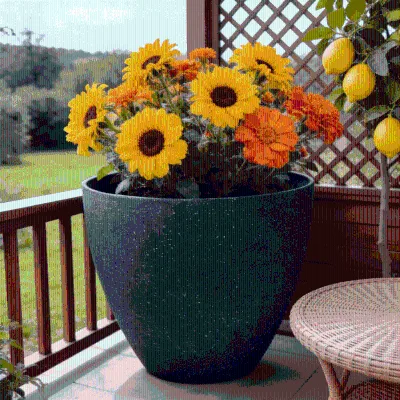
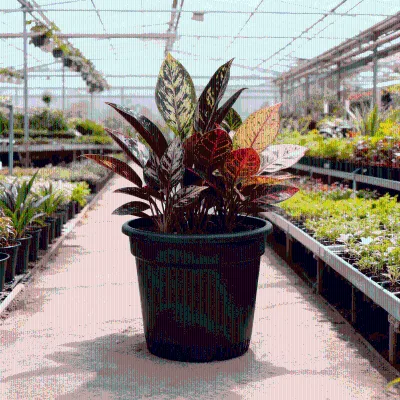

Factory Plastic Pots for Nursery Plants Clear Plastic Pots for Nursery Plants
$0.15
MOQ: 1000 Square Meters


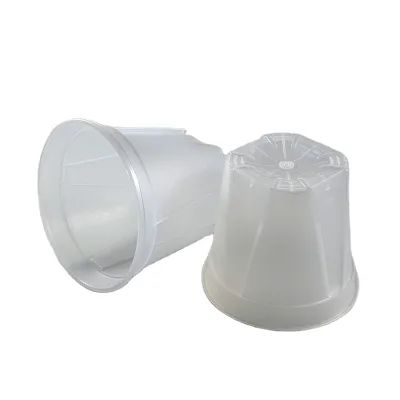
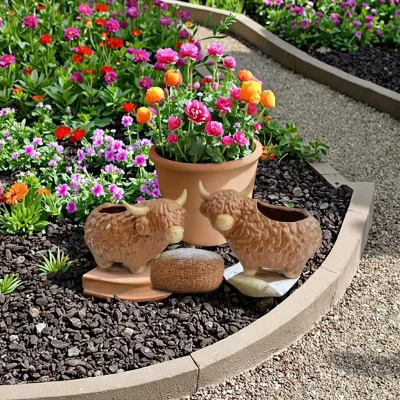

Inexpensive High-Strength Eco-Friendly Plastic Seedling Container Clear Garden Pots Nursery Pots
$0.80 - $0.92
MOQ: 1100 Pieces

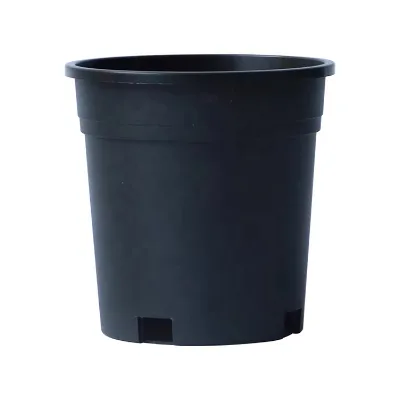

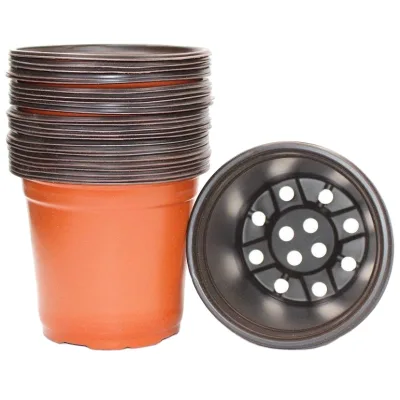
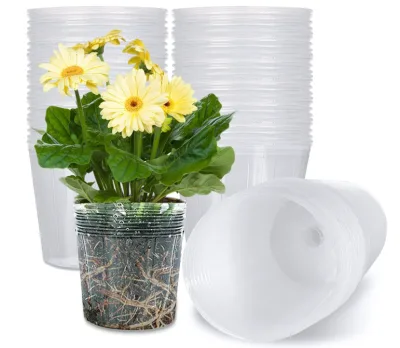

Clear Plant Nursery Pots Transparent Plastic Gardening Planting Containers Cups Planter
$0.51 - $0.71
MOQ: 1408 Pieces


Plastic Nursery Plant Germination Growing Transplanting Pot Tools Garden Flower Pots
$0.99 - $1.45
MOQ: 1000 Pieces

Optimal Drainage Blueberry Nursery Pots High Quality Polyethylene Plastic Outdoor Plant
$0.99 - $1.45
MOQ: 1000 Pieces

Garden Pots Planters Outdoor Indoor Planter Modern Flower Nursery Pots Plastic
$0.05 - $0.07
MOQ: 2000 Pieces


Comprehensive Sourcing Guide
Strategic Sourcing Guide for Minimalist Plastic Nursery Pots
Understanding Product Specifications and Material Integrity
When sourcing Minimalist Plastic Nursery Pots, the primary objective is to identify products that balance aesthetic simplicity with functional durability for plant propagation and display. The core material for these items is consistently identified as plastic, specifically utilizing Polypropylene (PP) or Polyethylene (PE) types. These polymers are selected for their resistance to weathering, chemical stability, and ability to be molded into complex shapes without compromising structural integrity. In the context of minimalist design, the material choice often dictates a smooth, uncoated finish, though some variants may feature powder coating for enhanced visual appeal or color retention.
The physical dimensions of these pots vary significantly to accommodate different stages of plant growth. Sourcing data indicates a wide range of sizes, categorized as small, medium, and large. Specific model specifications reveal precise measurements, such as a diameter of 24cm with a height of 21.8cm, or a single package size of 32x18x28 cm. Other models are defined by a compact footprint of 30x17x26 cm, suitable for desktop applications. The shape of the pot is a critical design element; while circular patterns are common, oval and round geometries are also prevalent in the minimalist category. The production method is predominantly mechanical, ensuring consistency in wall thickness and mold precision, which is essential for stacking and efficient logistics.
Buyers must verify the specific model numbers associated with these specifications, as the market offers distinct series such as HG-5001, HG-0005/0004/0006/0008/0010, HG-6011 LS, HG-2922, and the HGT-001 series. Each model corresponds to a specific size standard and application scenario. For instance, the HG-2922 model is explicitly linked to the 24cm diameter standard, while the HG-6011 LS is associated with large size standards. Understanding these model-to-specification mappings is vital for ensuring that the ordered units meet the exact spatial requirements of the intended nursery or garden layout.
Compliance, Certification, and Manufacturing Standards
In the B2B procurement of nursery pots, verifying the manufacturer's adherence to international quality management systems is a non-negotiable step. Trusted suppliers in this sector often hold certifications such as ISO9001 and BSCI. These certifications indicate that the production facility operates under a documented quality management system and adheres to social compliance standards regarding labor practices. While the presence of these certifications is a strong indicator of reliability, buyers should request current, valid certificates directly from the supplier to confirm that the specific production line for the ordered model is covered.
The product standards for these pots are often defined by their physical attributes rather than a single universal industrial code. Standards observed in the market include size-based classifications like "Small Size," "Medium Size," and "Large Size," as well as material-specific standards noting "Material: Plastic." Some models adhere to precise dimensional standards, such as the Dia: 24cm, Height: 21.8cm specification. It is crucial for buyers to distinguish between marketing terms and actual technical standards. For example, a "Minimalist" style is an aesthetic classification, whereas the "Standard" field in procurement documents refers to measurable parameters like dimensions or material composition.
Furthermore, the origin of the product plays a significant role in compliance and logistics. A substantial portion of these products originates from Wenling, Zhejiang, China, and other regions within Zhejiang Province. This concentration of manufacturing hubs suggests a mature supply chain with established logistics networks. However, buyers must verify the specific factory location for each order, as different facilities within the same region may have varying capabilities regarding customization and production capacity. The production method is noted as mechanical, which implies a reliance on automated molding processes that generally offer high repeatability and lower defect rates compared to manual assembly, provided the machinery is well-maintained.
Cost Drivers and Economic Considerations
The pricing structure for Minimalist Plastic Nursery Pots is influenced by a complex interplay of factors, including material costs, order volume, and packaging requirements. The observed price range in the market spans from $0.02 to $4.14 USD per unit. This wide variance is primarily driven by the size of the pot, the complexity of the mold, and the specific material grade used. Smaller, simple models typically fall at the lower end of this spectrum, while larger, heavy-duty pots with custom features or specific finishes command higher prices.
Minimum Order Quantity (MOQ) is another critical cost driver. The market data indicates an MOQ range of 10 to 50,000 units. A lower MOQ of 10 units may be available for sample orders or highly customized items, but this often comes with a higher unit price. Conversely, larger orders of 100 units or more, such as the specific MOQ of 100 noted for certain models, can significantly reduce the per-unit cost. Buyers should calculate the total landed cost, which includes the unit price, shipping, and potential duties, rather than focusing solely on the ex-factory price.
Packaging methods also impact the overall cost. Standard packaging options include carton boxes, plastic woven bags, and palletized shipments. Some suppliers offer a combination of carton and bag packaging, while others utilize pallets for bulk transport. The choice of packaging affects the weight and volume of the shipment, directly influencing freight costs. For example, a single gross weight of 1.7 kg for a specific package size must be factored into the logistics budget. Additionally, customization services, such as adding specific branding or altering the shape, may incur additional setup fees, which should be clarified before finalizing the order.
Typical Applications and Usage Scenarios
Minimalist Plastic Nursery Pots are designed for versatility, finding applications across a diverse range of environments. The primary use type is categorized as desktop or floor type, depending on the size and stability of the pot. Desktop applications often utilize smaller, lighter models suitable for indoor settings like offices, living rooms, or home gardening spaces. Floor-type pots, which are generally larger and more robust, are intended for balconies, outdoor gardens, and commercial spaces such as shopping malls and hotels.
The application scene extends beyond simple plant holding. These pots are utilized in flower nursery production, plant engineering, and general home gardening. The "Applicable" category confirms their suitability for flowers and plants, making them a staple for both professional horticulturists and amateur gardeners. The style of the pot, which can range from modern and classic to eco-friendly, vintage, and garden-specific, allows for integration into various interior and exterior design schemes. For instance, a "Cartoon" style or "Simple" style pot might be chosen for a playful nursery setting, while a "Modern" or "Minimalist" design fits contemporary architectural spaces.
The usage conditions for these pots are equally varied, covering indoor and outdoor environments. They are designed to withstand exposure to elements in outdoor settings like gardens and balconies, while also maintaining aesthetic appeal in indoor spaces such as offices and living rooms. The material properties, specifically the use of PP or PE, contribute to their durability and eco-friendly nature, ensuring they can be reused or recycled. This adaptability makes them a preferred choice for commercial applications in hotels and shopping malls, where a clean, uncluttered look is desired.
Supplier Evaluation and Production Capabilities
Evaluating a supplier for Minimalist Plastic Nursery Pots requires a deep dive into their production capabilities and customization options. The availability of customization is a key differentiator in the market. Buyers should assess whether the supplier can modify the mold to create unique shapes, colors, or branding elements. The observed product attributes indicate that customization is available, allowing for tailored solutions that meet specific design requirements.
The production method is mechanical, which suggests a high level of automation. Buyers should inquire about the supplier's capacity to handle large volumes without compromising quality. The range of models available, from HG-5001 to the HGT-001 series, indicates a diverse product portfolio. A supplier with a wide range of models is often better equipped to handle fluctuating demand and provide alternative solutions if a specific model is out of stock. Additionally, the supplier's location in Zhejiang, China, should be verified for logistical efficiency, as this region is a major hub for plastic manufacturing.
Quality control is another critical aspect of supplier evaluation. Buyers should request information on the supplier's internal quality assurance processes, including how they handle defects and ensure consistency across batches. The presence of certifications like ISO9001 and BSCI is a positive indicator, but direct verification is necessary. Furthermore, the supplier's ability to provide samples before bulk production is essential for validating the product's aesthetic and functional qualities. The packing method, whether it involves cartons, bags, or pallets, should also be evaluated to ensure it protects the product during transit.
Quality Control and Long-Term Procurement Strategy
Implementing a robust quality control (QC) strategy is essential for maintaining the integrity of the supply chain. Buyers should establish clear acceptance criteria based on the observed specifications, such as dimensions, material type, and finish. Regular inspections, either on-site or through third-party agencies, can help identify issues early in the production process. The focus should be on verifying that the final product matches the agreed-upon model specifications, such as the 24cm diameter or the 30x17x26 cm package size.
Long-term procurement considerations involve building a sustainable relationship with suppliers. This includes negotiating favorable terms for repeat orders, ensuring consistent lead times, and maintaining open communication regarding market trends and material availability. The eco-friendly nature of the products is a growing concern for buyers, and suppliers who can demonstrate a commitment to sustainable practices, such as using recyclable materials or reducing waste, will be more attractive partners.
Finally, buyers should plan for scalability. As demand grows, the ability to increase order quantities without significant price increases or quality degradation is crucial. Understanding the MOQ flexibility and the supplier's capacity to ramp up production is key to long-term success. By focusing on these strategic elements, buyers can secure a reliable supply of high-quality, Minimalist Plastic Nursery Pots that meet their operational and aesthetic requirements.
FAQs
What materials are used for Minimalist Plastic Nursery Pots?
These pots are primarily made from Polypropylene (PP) or Polyethylene (PE) plastic. This material choice ensures resistance to weathering and chemical stability while maintaining structural integrity for various plant growth stages.
Which certifications do suppliers typically hold for these products?
Trusted manufacturers often hold ISO9001 and BSCI certifications. These indicate adherence to documented quality management systems and social compliance standards regarding labor practices in the production facilities.
How do prices vary for different sizes of plastic pots?
Prices range from $0.02 to $4.14 USD per unit depending on size and complexity. Smaller, simple models fall at the lower end, while larger, heavy-duty pots with custom features command higher prices.
Can buyers customize the shape or branding of these pots?
Yes, customization is available for specific design requirements. Buyers can request modifications to molds for unique shapes, colors, or branding elements, though setup fees may apply for non-standard orders.
What are the typical minimum order quantities for these items?
Minimum order quantities range from 10 to 50,000 units depending on the supplier and model. Lower MOQs like 10 units are often available for samples, while bulk orders of 100 units or more reduce per-unit costs.
Where are these minimalist plastic pots primarily manufactured?
Most products originate from Wenling, Zhejiang, China, and other regions within Zhejiang Province. This concentration suggests a mature supply chain with established logistics networks for efficient distribution.