Find Minimalist Stone Serving Platter for Home, Restaurant, Cafe
Explore 30 listings of Minimalist Stone Serving Platter options suitable for home, restaurant, and cafe settings. Buyers can compare customized dimensions, edge finishes, and packaging details from verified manufacturers in China.
Key considerations
Products List


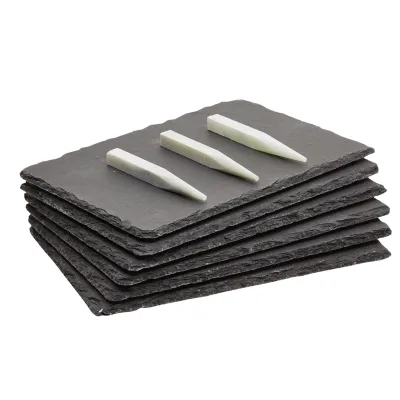
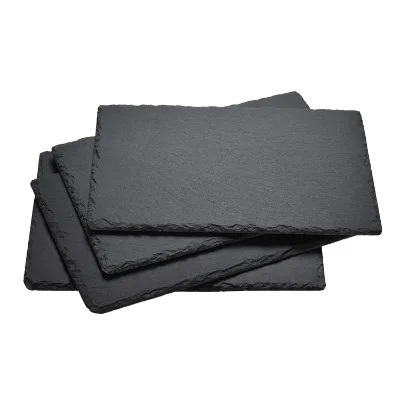


Ceramic Butterfly Serving Plate Embossed Design with Gold Rim for Kitchen
$0.85 - $2.55
MOQ: 1000 Pieces
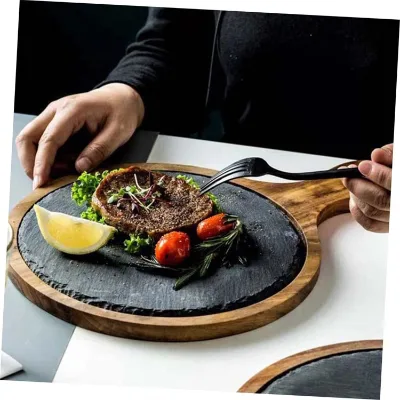


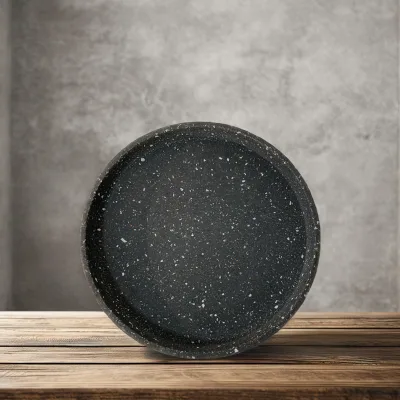

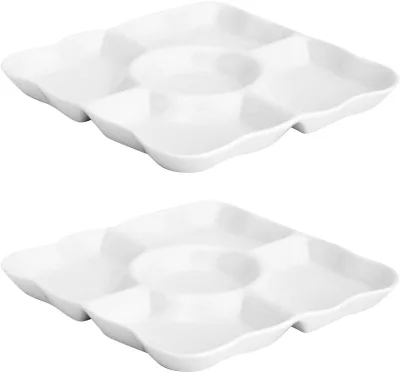
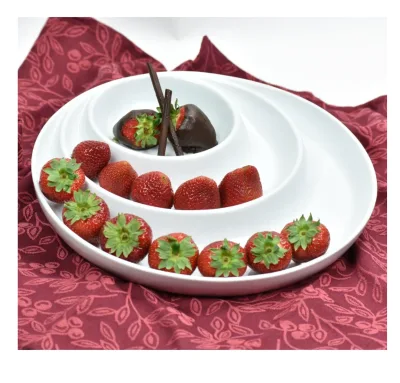
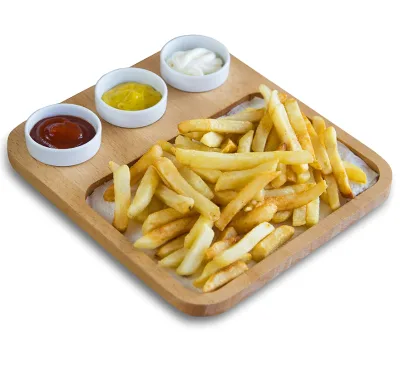
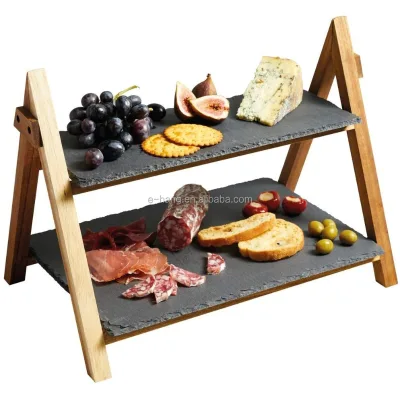


OEM Customizable Factory Elegant Marble Tray Serving Platter Sweets Tray
$50.00 - $200.00
MOQ: 50 Pieces


Elegant Black and White Marble Round Tray Serving Tray with Metal Handles
$80.00 - $149.00
MOQ: 50 Pieces

Comprehensive Sourcing Guide
Strategic Sourcing Guide for Minimalist Stone Serving Platters
The global demand for natural stone serving platters has surged as hospitality and retail sectors prioritize aesthetic authenticity and durability. For buyers targeting the specific niche of minimalist stone serving platters, the procurement landscape requires a nuanced understanding of material properties, dimensional tolerances, and supply chain logistics. This guide synthesizes verified product attributes and industry standards to assist procurement professionals in navigating the market without relying on unverified claims or speculative data. The focus remains on the intersection of functional utility and the clean, unadorned aesthetic defined by the "minimalist" style, ensuring that sourcing decisions are grounded in observable product characteristics.
Technical Specifications and Dimensional Variability
When evaluating minimalist stone serving platters, the primary technical differentiator lies in the precise definition of shape, thickness, and edge treatment. The market offers a distinct array of geometric forms, ranging from the strict geometry of squares to the fluidity of ovals and circles. Verified product data indicates that square shapes are commonly available in specific dimensions, including 10x10cm, 20x20cm, and 30x30cm. For rectangular configurations, standard offerings include 10x20cm and 20x30cm variants. Buyers must also consider circular and oval options, with diameters noted at 10cm, 20cm, and 30cm, and oval dimensions such as 20x10cm, 30x15cm, and 35x20cm.
Thickness is a critical structural parameter that influences both the visual weight of the platter and its resistance to thermal shock. Observed specifications list thickness ranges between 0.4cm and 1.0cm, specifically categorized as 0.5-0.7cm, 0.4-0.6cm, 0.6-0.8cm, and 0.8-1cm. A minimalist design often relies on a thinner profile to emphasize the natural texture of the stone, yet this requires careful verification of structural integrity. The edge finish is equally significant for the minimalist aesthetic. Available edge treatments include sawn cut to size, chipped edges, and bevelled edges. The "sawn cut" finish typically offers the cleanest line, aligning with minimalist principles, while chipped edges may introduce a more rustic character that must be weighed against the specific design intent.
Material Composition and Surface Finish
The core material for these serving platters is identified as natural slate stone, a metamorphic rock known for its durability and natural clefting. The specific color profile observed in high-volume listings is black, which provides a high-contrast background ideal for food presentation. The surface finish is predominantly a matte finish, which reduces glare and enhances the tactile experience of the stone. This matte texture is essential for the minimalist style, as it avoids the high-gloss reflections associated with polished ceramics or glass.
It is crucial to distinguish between the primary stone material and alternative offerings that may appear in the same search category. While the core keyword focuses on stone, some listings in the broader category reference bamboo and wood materials. Buyers must explicitly verify the material composition to ensure the product matches the "stone" requirement. Furthermore, the erosion resistance of the slate is noted as non-acidic, a property that affects its suitability for serving acidic foods. This characteristic implies that while the stone is durable, prolonged contact with highly acidic substances may require specific care protocols. The finish and material combination must be consistent across the entire order to maintain the visual uniformity required for professional dining environments.
Compliance, Certification, and Safety Standards
In the food service industry, compliance with safety standards is non-negotiable. Verified product data confirms the availability of FDA certification for slate serving platters. This certification is a critical benchmark for buyers operating in markets with strict food safety regulations, such as the United States. The presence of FDA certification indicates that the material does not leach harmful substances into food under normal usage conditions. However, buyers should not assume that all listed products carry this certification; it must be verified on a per-supplier basis.
Quality control processes are integral to maintaining compliance. Professional QC teams are reported to check pieces individually, ensuring that no product with visible defects or structural weaknesses enters the supply chain. This "piece-by-piece" inspection is a vital safeguard against contamination or physical hazards. Additionally, the product is classified as non-disposable, which aligns with sustainability goals and long-term cost-efficiency for commercial buyers. The eco-friendly feature is also highlighted in the product attributes, suggesting that the sourcing of raw materials and the manufacturing process may adhere to environmental standards, though specific environmental certifications should be requested and validated separately.
Cost Drivers and Pricing Dynamics
The pricing of minimalist stone serving platters is influenced by a complex interplay of factors, including material sourcing, labor intensity, and logistical complexity. The observed price range in the market spans from $0.30 to $200 USD, a wide variance that reflects differences in size, thickness, and customization levels. Smaller, standard-sized platters with simple finishes will naturally fall toward the lower end of this spectrum, while larger, custom-thickened, or intricately finished pieces will command higher prices.
Minimum Order Quantity (MOQ) is another significant cost driver. The market data indicates an MOQ range of 50 to 1,000 units. Buyers must align their order volume with these thresholds to secure optimal pricing. Orders falling below the MOQ may incur higher per-unit costs or be rejected entirely. Furthermore, the customization of dimensions and edge finishes can impact the final cost. While standard sizes like 10x10cm or 20x20cm are likely more economical due to production efficiency, custom sizes or specific edge treatments may require additional tooling or manual labor, increasing the unit price. Packaging requirements also play a role; options range from individual polybags to complex inner boxes and cartons, each adding to the overall landed cost.
Typical Applications and Usage Scenarios
The versatility of minimalist stone serving platters makes them suitable for a diverse range of applications. The primary usage sectors include homes, restaurants, and cafes, where the aesthetic appeal of natural stone enhances the dining experience. In commercial settings, these platters serve as hotel dinnerware, kitchen essentials, and decorative elements for landscaping or interior design. The black slate color and matte finish provide a sophisticated backdrop for a wide variety of cuisines, from appetizers to main courses.
The product is specifically categorized as "Hotel Dinnerware," indicating its suitability for high-volume, high-traffic environments. The non-disposable nature of the product supports a sustainable operational model, reducing waste compared to single-use alternatives. Additionally, the "Travel" occasion is noted in some product attributes, suggesting that these platters may be designed for portability or use in outdoor catering scenarios. However, buyers should verify the weight and fragility of the specific model, as stone is inherently heavier and more brittle than ceramic or plastic. The "Simple" and "Minimalist" styles are particularly effective in modern dining concepts where the focus is on the food itself rather than ornate tableware.
Supplier Evaluation and Quality Assurance
Selecting the right supplier is paramount for ensuring consistency and reliability. The supply chain for stone serving platters often originates from specific manufacturing hubs, with Fujian and Jiangxi in China identified as key production locations. These regions have established expertise in stone processing and finishing. Buyers should verify the business type of the supplier, with "Manufacturer" being the preferred classification to ensure direct control over quality and pricing.
Quality assurance protocols must be rigorously evaluated. The presence of a professional QC team that inspects every piece is a strong indicator of a reliable supplier. Buyers should request detailed quality control reports and, if possible, conduct third-party inspections before shipment. The packing standards are also a critical component of quality assurance. Verified packing methods include individual shrink film, color labels, inner boxes, and master cartons. The specific packing configuration, such as 1PC per polybag, 50PCS per inner box, and 500PCS per carton, must be clearly defined to prevent damage during transit. OEM (Original Equipment Manufacturer) services are acceptable, allowing buyers to customize branding or labeling, but this requires clear communication of design specifications to avoid production errors.
Long-Term Procurement Considerations
Sourcing stone serving platters involves long-term considerations regarding inventory management, maintenance, and supply chain resilience. The customizable nature of the product allows for flexibility in adapting to changing menu requirements or seasonal trends. However, buyers must account for the lead times associated with custom dimensions and edge finishes. While standard items may be stocked, custom orders often require longer production cycles.
Sustainability is a growing priority in B2B procurement. The eco-friendly attributes of the stone platters align with corporate social responsibility goals. Buyers should explore the lifecycle of the product, from extraction to end-of-life, to ensure it meets their sustainability criteria. The non-acidic erosion resistance of the slate is a long-term performance factor; understanding this limitation helps in establishing proper care guidelines for kitchen staff, extending the product's lifespan. Finally, maintaining a relationship with a manufacturer capable of consistent quality control and reliable delivery is essential for scaling operations. The ability to produce consistent square, rectangular, and round shapes with precise thickness tolerances ensures that the brand's aesthetic remains intact across all orders.
FAQs
What dimensions are available for square minimalist stone serving platters?
Square platters are commonly available in 10x10cm, 20x20cm, and 30x30cm sizes. Buyers can also request customized dimensions to fit specific menu requirements or display needs.
Which certifications ensure food safety for these slate serving platters?
FDA certification is available for these natural slate stone platters to ensure they do not leach harmful substances. Buyers must verify this certification per supplier as it is not guaranteed for all listings.
How thick are the minimalist stone serving platters typically?
Thickness ranges from 0.4cm to 1.0cm with specific options like 0.5-0.7cm or 0.8-1cm. Thinner profiles suit minimalist aesthetics but require verification of structural integrity for thermal shock resistance.
Can I customize the edge finish on these stone platters?
Yes, customization is available for edge finishes including sawn cut, chipped, or bevelled edges. The sawn cut finish offers the cleanest line best aligned with minimalist design principles.
What is the minimum order quantity for these slate platters?
The minimum order quantity typically ranges from 50 to 1,000 units depending on the supplier. Orders below the MOQ may incur higher costs or be rejected entirely by the manufacturer.
Where are these minimalist stone serving platters manufactured?
Production primarily originates from Fujian and Jiangxi in China where stone processing expertise is established. Buyers should verify the specific origin and business type to ensure they are dealing with a manufacturer.
How are these platters packed for international shipping?
Standard packing includes individual polybags, inner boxes, and master cartons with quantities like 500 pieces per carton. Specific configurations vary by supplier but often include shrink film and color labels.