Source Mining Machinery Wearing Plate for Crushers, Mills, and Screens
Source 30 Mining Machinery Wearing Plate options including jaw plates and piston wear plates. Compare materials like cast steel and high manganese, surface treatments, and certifications to find suitable spare parts for your equipment; compare the available evidence and request quotations based on your requirements.
Key considerations
Products List




Comprehensive Sourcing Guide
Mining Machinery Wearing Plate Sourcing Guide
Procuring wear-resistant components for mining machinery requires a disciplined approach to balancing material performance, supply chain reliability, and total cost of ownership. Buyers must recognize that these parts are critical to operational continuity, as premature failure can lead to significant downtime and increased maintenance costs. The sourcing process should begin with a clear definition of the specific application, whether for jaw crushers, excavators, or other heavy-duty equipment, to ensure the selected material matches the abrasive and impact conditions of the site.
This guide provides a structured framework for evaluating suppliers and products in the global market. It focuses on verifying technical specifications, understanding compliance documentation, and assessing commercial terms that affect long-term value. By following these steps, procurement teams can mitigate risks associated with inconsistent quality or supply disruptions. The emphasis is on evidence-based decision-making, ensuring that every claim made by a supplier is backed by verifiable data and industry-standard testing protocols.
Product Scope and Observed Listing Signals
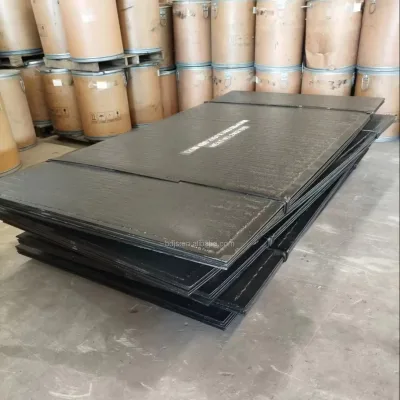
The market for mining machinery wearing plates includes a diverse range of products, primarily categorized by their function and material composition. Common items include movable and stationary jaw plates for crushers, as well as piston wear plates for hydraulic systems. Listings often specify materials such as cast steel, iron, or high-manganese alloys, with standards like Mn13Cr2, Mn18Cr2, and Mn22Cr2 frequently cited. Understanding these variations is essential for matching the right product to the specific wear mechanism encountered in your operation.
Buyers should pay close attention to the manufacturing process and surface treatment details provided in product listings. Sand casting is a prevalent method, while surface treatments may include spray-painting or polishing to enhance durability or corrosion resistance. Additionally, the origin of the product, often listed as China, and the availability of customization options are key signals of supplier flexibility. Reviewing these attributes helps narrow down suppliers who can meet specific dimensional and performance requirements without extensive rework.
Technical Specifications to Verify
Verifying technical specifications is the cornerstone of successful procurement for wear-resistant parts. Buyers must confirm the exact material grade, such as high-manganese steel, to ensure it aligns with the expected service life and impact resistance required for their machinery. Dimensions must be cross-referenced with original equipment manufacturer drawings to guarantee a precise fit. Any deviation in size can lead to improper installation, increased wear on adjacent components, or even equipment failure, making dimensional accuracy a non-negotiable requirement.
Beyond basic dimensions, buyers should investigate the hardness and metallurgical properties of the material. Quality control tests typically include dimensional checks, hardness testing, and ingredient analysis to verify the chemical composition. Some suppliers also provide metallographic testing to assess the microstructure of the casting. Requesting these test reports before placing an order ensures that the material meets the specified standards and will perform reliably under the harsh conditions of mining operations.
Compliance and Safety Documentation
Compliance with international quality management systems is a critical indicator of a supplier’s reliability and consistency. Many suppliers in this sector hold ISO 9001 certification, which signifies that their manufacturing processes are audited and meet global standards for quality management. Buyers should request current certification documents to verify that the supplier maintains these standards actively. This documentation provides assurance that the production process is controlled and that quality issues are systematically addressed and prevented.
In addition to quality certifications, buyers should review safety and environmental compliance documents, particularly if the materials involve specific alloys or coatings. While not always explicitly listed, adherence to local and international safety regulations is implied by reputable manufacturers. Verifying that the supplier follows proper handling and disposal procedures for raw materials and waste products can also be part of a comprehensive due diligence process, ensuring that the supply chain aligns with corporate sustainability and safety goals.
Cost Drivers and Commercial Terms
The cost of mining machinery wearing plates is influenced by several factors, including material grade, size, and complexity of the casting. High-manganese alloys, for instance, may command a higher price due to their superior wear resistance and longer service life. Buyers should request detailed quotations that break down costs by material, processing, and shipping. Understanding these components helps in negotiating better terms and identifying areas where cost savings can be achieved without compromising quality.
Commercial terms such as minimum order quantities, lead times, and payment conditions also play a significant role in the total cost of ownership. Lead times can vary significantly, with some suppliers offering delivery within 20 to 50 days, while others may require longer periods for complex castings. Buyers should align these timelines with their maintenance schedules to avoid production disruptions. Additionally, clarifying payment terms and any potential penalties for late delivery ensures that the commercial agreement is fair and transparent for both parties.
Supplier Qualification and Quality Control
Qualifying a supplier involves more than just reviewing their product catalog; it requires a thorough assessment of their manufacturing capabilities and quality control systems. Buyers should evaluate the supplier’s experience in producing similar wear-resistant parts and their ability to handle custom orders. Visiting the factory, if possible, provides valuable insights into the production environment, equipment condition, and workforce expertise. This firsthand observation can reveal potential issues that are not apparent in digital communications or sample inspections.
Quality control measures should be scrutinized to ensure that every batch of products meets the specified standards. Suppliers often conduct multiple stages of testing, including dimensional checks, hardness testing, and non-destructive testing such as penetrant testing. Requesting detailed quality control reports and certificates of analysis for each shipment helps verify that the products are consistent and reliable. Establishing a clear quality agreement with the supplier, including acceptance criteria and rejection procedures, further protects the buyer’s interests.
Long-Term Procurement Checks
Establishing a long-term relationship with a supplier requires ongoing monitoring and evaluation of their performance. Buyers should track key performance indicators such as on-time delivery, defect rates, and responsiveness to technical queries. Regular reviews of these metrics help identify trends and areas for improvement, fostering a collaborative partnership that benefits both parties. Maintaining open communication channels ensures that any issues are addressed promptly and that the supplier remains aligned with the buyer’s evolving needs.
Additionally, buyers should consider the supplier’s capacity to scale production in response to increased demand or changes in product specifications. Assessing their financial stability and supply chain resilience is crucial for ensuring continuity of supply. Diversifying the supplier base, while maintaining a primary partner, can mitigate risks associated with single-source dependencies. By implementing these long-term checks, buyers can secure a reliable and cost-effective supply of mining machinery wearing plates for their operations.
FAQs
What materials are used for mining machinery wearing plates?
Mining machinery wearing plates are primarily made from cast steel and iron. Specific standards include Mn13Cr2, Mn18Cr2, and Mn22Cr2. These high manganese materials ensure durability and wear resistance for jaw crushers and other heavy machinery applications in mining environments.
Can I request customization for these wearing plates?
Yes, customization is available for mining machinery wearing plates. Buyers can request specific dimensions, surface treatments like spray paint or polishing, and custom packing according to their needs. Technical support including drawing and surveying is also provided to ensure the parts fit your equipment perfectly.
How long is the lead time for delivery?
The lead time for delivery ranges from 20 to 50 days depending on the order specifics. Some standard items may be delivered within 30 to 45 days. Buyers should confirm exact timelines based on their specific model requirements and the current production schedule of the manufacturer.
What certifications do the manufacturers hold?
Manufacturers of these wearing plates hold ISO 9001 certification for their manufacturing processes. This ensures quality control through rigorous testing of dimensions, hardness, ingredients, and destructive testing. The production follows GB standards and utilizes sand casting methods to maintain consistent product quality.
What is the minimum order quantity for these parts?
The minimum order quantity can be as low as one piece for certain items. However, general MOQs may range up to 1000 pieces depending on the specific product type and customization level. Buyers should verify the exact MOQ with the supplier before placing an order for large quantities.
Where are these mining machinery parts manufactured?
These mining machinery wearing plates are manufactured in China, specifically originating from Jiangsu. The products are exported globally with standard packing or custom packaging. Buyers can expect reliable shipping arrangements according to their specific requests and delivery timelines.
What quality control measures are in place?
Quality control includes dimensional checks, hardness testing, ingredient analysis, and metallographic examination. Destructive testing is also performed to ensure reliability. Video outgoing inspection is provided for buyers, and 24-hour online service is available for any technical support or after-sales inquiries regarding the parts.