Source Mining Integral Vehicle Frame Backhoe for Excavation
Compare 30 Mining Integral Vehicle Frame Backhoe options from verified Chinese suppliers. Review specifications like engine power, bucket capacity, and warranty terms to find the right equipment for construction and mining projects; compare the available evidence and request quotations based on your requirements.
Key considerations
Products List
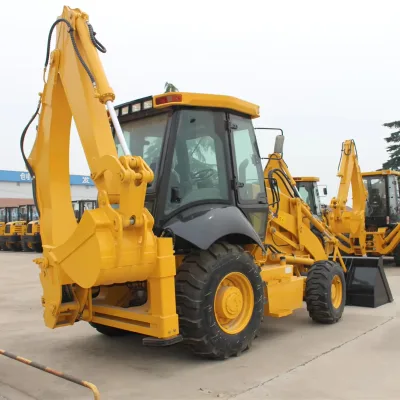


High Quality Hot Sale Backhoe Wheel Loader and Backhoe in China
$2200.00 - $3800.00
MOQ: 1 Pieces
Shandong Liying Agricultural Technology Development Co., Ltd.


Robust Frame Underground Utility Vehicle for Tough Mining Conditions
$80000.00 - $120000.00
MOQ: 1 Pieces


Backhoe Loader Construction Vehicle for Municipal and Landscaping Work
$20000.00 - $30000.00
MOQ: 1 Pieces

Industrial Material Handling Loader 4WD Backhoe with Digging Unit for Construction Operations
$8000.00 - $11000.00
MOQ: 1 Pieces

Backhoe Loader with Heavy Duty Rear Stabilizers for Stable Digging Operations
$18000.00 - $50000.00
MOQ: 1 Pieces

Backhoe Loader with Reinforced Steel Frame and High Structural Strength
$7899.00 - $19999.00
MOQ: 1 Pieces


4m Digth Integral Vehicle Frame Adjustable Digger Backhoe with CE EPA Euro5 Certificate
$20300.00 - $21200.00
MOQ: 1 unit


CE EPA Certified Mini Farm Utility Vehicle Front Backhoe with Reinforced Structure
$19800.00 - $23100.00
MOQ: 1 Pieces

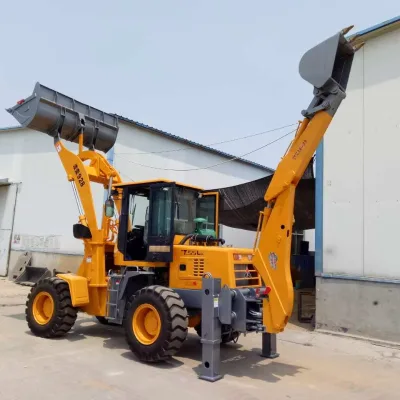

Direct Wholesale Good Quality Medium-Sized Wheel Backhoe with Price
$24280.00 - $25700.00
MOQ: 1 Pieces

Versatile 4WD Wheel Backhoe for All Terrain Applications 4*4 Medium-Sized Wheel Backhoe
$24280.00 - $25700.00
MOQ: 1 Pieces


CE Standard 388 Backhoe Loader 2500kg Lifting Capacity Integral Frame Design
$23360.00 - $23980.00
MOQ: 1 Pieces

Factory Direct 388 Backhoe Loader 8200kg Integral Frame for Construction Agriculture
$23360.00 - $23980.00
MOQ: 1 Pieces
Comprehensive Sourcing Guide
Mining Integral Vehicle Frame Backhoe Sourcing Guide
Procuring heavy earthmoving equipment for mining operations requires a rigorous evaluation of structural integrity and operational efficiency. Buyers must prioritize machines that demonstrate high operating efficiency, as this directly impacts project timelines and fuel consumption in demanding environments. The integral vehicle frame design is critical for maintaining stability during high-load cycles, ensuring that the chassis can withstand the torsional stresses inherent in mining and construction sites. This structural robustness minimizes downtime and extends the service life of the equipment, making it a vital consideration for long-term capital investment.
When evaluating listings, buyers should observe specific technical signals that indicate suitability for heavy-duty tasks. The presence of a diesel power type and a rated load capacity of eight tons suggests a machine built for substantial material handling. Additionally, the observation of video outgoing-inspection services provides a layer of transparency, allowing buyers to verify the physical condition and assembly quality before shipment. These signals help distinguish between light-duty loaders and true mining-grade backhoes, ensuring that the selected equipment aligns with the rigorous demands of industrial excavation and material transport.
Product Scope and Observed Listing Signals
The product scope for mining integral vehicle frame backhoes encompasses a range of configurations, primarily identified as backhoe loaders or front-end loaders. Listings often highlight a model number such as WZ388 or WZ30-16, indicating variations in bucket capacity and engine power. Buyers should note that while some units are described with a bucket capacity of 0.25 cubic meters, others may offer a loading bucket capacity of 0.9 cubic meters. This variance requires careful alignment with specific site requirements, as the volume of material to be moved dictates the necessary machine size and operational efficiency.
Observed listing signals also include specific brand names and component origins that influence procurement decisions. The brand MAP and engine brands like Yuchai or Quanchai are frequently cited, providing insight into the powertrain reliability. Furthermore, the color yellow is a standard safety feature, enhancing visibility on busy mine sites. Buyers should verify the moving type, which is often listed as a wheel loader or special type, to ensure the walking mode matches the terrain conditions. These details collectively define the operational profile of the machine, guiding buyers toward units that meet their specific logistical and performance needs.
Technical Specifications to Verify
Technical verification must begin with the core components, which include the engine, gear, motor, pump, bearing, and PLC. The hydraulic pump brand, such as Huade, is a critical factor in determining system responsiveness and durability under heavy loads. Buyers should confirm the hydraulic output, which is often specified as two groups, ensuring adequate power for simultaneous boom and bucket operations. The transmission type, typically hydraulic with a shuttle shift configuration of 12 forward and 12 reverse gears, offers flexibility in maneuvering tight spaces common in mining environments.
Dimensional and weight specifications are equally vital for logistics and site compatibility. The machine weight is observed at 8200 kg, while the operating weight may be listed as 4900 kg for certain models, highlighting the need to clarify which metric applies to the specific unit. Transportation dimensions, such as 5100x1980x2900 mm, impact shipping costs and site access. Buyers must also verify the wheel base, ground clearance, and bucket dumping height to ensure the machine can navigate the specific topography and clearance constraints of the mining site without compromising stability or operational reach.
Compliance and Safety Documentation
Compliance with international standards is non-negotiable for mining equipment, particularly regarding safety and environmental regulations. Buyers should verify that the machine holds CE certification, which indicates adherence to European health, safety, and environmental protection standards. Additionally, ISO 9001 certification suggests that the manufacturer follows a robust quality management system, ensuring consistent production standards. These certifications are essential for importing equipment into regulated markets and for meeting the internal safety protocols of major mining corporations.
Safety features such as ROPS (Roll-Over Protective Structure) and FOPS (Falling Object Protective Structure) cabins are critical for operator protection. Listings often mention EC and OECD standards for these structures, which provide certified protection against rollovers and falling debris. Buyers must ensure that the cabin is equipped with appropriate filtration and climate control to maintain operator comfort and safety in dusty or extreme environments. Verifying these safety documentation details is a prerequisite for insurance coverage and regulatory approval, protecting both the operator and the employer from liability in the event of an accident.
Cost Drivers and Commercial Terms
Cost drivers for mining integral vehicle frame backhoes include the engine power, hydraulic system complexity, and customization options. Units with higher rated power, such as 75 KW, typically command a higher price due to increased performance capabilities. The inclusion of advanced components like PLCs and specific hydraulic pump brands also influences the final cost. Buyers should consider the total cost of ownership, which includes fuel efficiency, maintenance intervals, and the availability of spare parts, rather than focusing solely on the initial purchase price.
Commercial terms such as MOQ (Minimum Order Quantity) and packing methods significantly affect procurement logistics. Observed MOQ ranges from 1 to 5 units, offering flexibility for small to medium-sized projects. Packing options like SKD (Semi-Knocked Down) or CBU (Completely Built Unit) impact shipping volume and assembly requirements on-site. Buyers should negotiate warranty terms, typically one year, and clarify the scope of coverage for core components. Understanding these commercial variables allows for more accurate budgeting and ensures that the procurement process aligns with the project’s financial and logistical constraints.
Supplier Qualification and Quality Control
Supplier qualification is paramount when sourcing heavy machinery, as the reliability of the manufacturer directly impacts equipment performance. Buyers should prioritize suppliers who provide video outgoing-inspection services, as this demonstrates a commitment to transparency and quality assurance. Verifying the place of origin, such as Shandong, China, can provide context regarding the industrial ecosystem and manufacturing capabilities. Additionally, checking for customization availability ensures that the supplier can tailor the machine to specific operational requirements, such as specialized buckets or enhanced cooling systems.
Quality control processes should be rigorously evaluated before finalizing any purchase. Buyers should request detailed inspection reports and verify the condition of the machine, which is typically listed as new. Understanding the production standards, such as specific dimensional tolerances, helps in assessing the precision of the manufacturing process. Engaging with suppliers who offer comprehensive after-sales support and readily available spare parts is crucial for minimizing downtime. Establishing a clear communication channel for technical queries and support ensures that any issues can be addressed promptly, maintaining operational continuity in mining environments.
Long-Term Procurement Checks
Long-term procurement checks focus on the sustainability and supportability of the equipment over its lifecycle. Buyers should assess the availability of replacement parts for core components like the engine, gearbox, and hydraulic pump. A robust supply chain for spare parts is essential for minimizing downtime and maintaining operational efficiency. Additionally, verifying the warranty terms and the supplier’s commitment to after-sales service ensures that any defects or issues are addressed within the agreed timeframe, protecting the buyer’s investment.
Operational efficiency and fuel consumption are key metrics for long-term cost management. Buyers should monitor the machine’s performance in real-world conditions to ensure it meets the advertised operating efficiency. Regular maintenance schedules and the availability of technical support are critical for extending the machine’s service life. By establishing a comprehensive maintenance plan and maintaining open lines of communication with the supplier, buyers can optimize the total cost of ownership and ensure that the Mining Integral Vehicle Frame Backhoe continues to deliver reliable performance throughout its operational lifespan.
FAQs
What is the operating weight of the Mining Integral Vehicle Frame Backhoe?
The operating weight is 4900 kg for the specific model listed. This weight supports stability during digging and loading operations. The machine features a robust frame designed for heavy-duty tasks. Buyers should verify the exact weight for their specific configuration. This specification ensures safe handling on various terrain types.
Which engine brands are used in these backhoe loaders?
Engine brands include Yuchai and Quanchai for different models. One variant specifies a Yuchai engine with 75 KW power. Another model utilizes a Quanchai engine with 45 KW rated power. These engines provide reliable performance for mining and construction applications. Buyers can select based on specific power requirements and fuel efficiency.
What certifications are available for the Mining Integral Vehicle Frame Backhoe?
Certifications include CE and ISO9001 for quality assurance. These standards ensure compliance with international safety and manufacturing requirements. The equipment meets specific regulatory criteria for global markets. Buyers should request certification documents to verify compliance. This ensures the machinery meets necessary operational and safety standards.
Can the Mining Integral Vehicle Frame Backhoe be customized?
Customization is available for specific buyer requirements. Options may include modifications to bucket capacity or hydraulic systems. The manufacturer supports tailored solutions for unique operational needs. Buyers should discuss specific customization requests during the sourcing process. This ensures the equipment aligns perfectly with project specifications.
What is the warranty period for the backhoe loader?
The warranty period is one year for the equipment. This coverage typically includes core components like the engine and gearbox. Buyers should review the warranty terms for specific exclusions. The warranty provides assurance for initial operational reliability. Extended warranty options may be available through the supplier.
How is the Mining Integral Vehicle Frame Backhoe packaged for shipping?
Packaging options include SKD, CBU, and nude packages. SKD and CBU methods protect components during transit. Nude packaging is used for specific shipping configurations. Buyers should specify their preferred packaging method during ordering. Proper packaging ensures the equipment arrives in optimal condition.