Source Mobile Diesel Concrete Vibrator for Foundations, Pavements, and Bridges
Explore 30 listings for the Mobile Diesel Concrete Vibrator to compare specifications like engine power, weight, and rotation speed. Buyers can evaluate options from Chinese manufacturers with CE and ISO certifications for various construction applications; compare the available evidence and request quotations based on your requirements.
Key considerations
Products List


Construction Machine Concrete Vibrator Vibrating Brand Concrete Vibrator
$150.00 - $400.00
MOQ: 1 Pieces


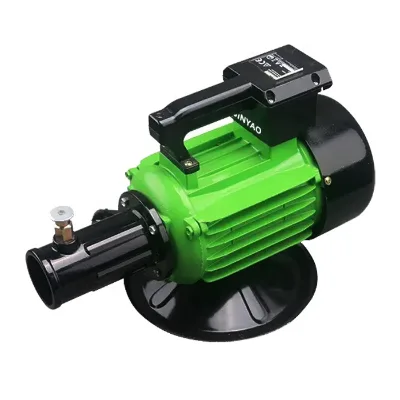
Concrete Vibrating Internal Electric Concrete Vibrator Mechanical Vibrator
$52.00 - $55.00
MOQ: 10 Pieces




Comprehensive Sourcing Guide
Mobile Diesel Concrete Vibrator Sourcing Guide
Procuring mobile diesel concrete vibrators requires a disciplined approach to matching equipment specifications with project demands. These machines are essential for consolidating fresh concrete, eliminating air pockets, and ensuring structural integrity in large-scale construction projects. Buyers must prioritize units that offer reliable power delivery and mobility, as the ability to move the vibrator across a site without external power sources significantly enhances operational efficiency. The core value lies in selecting a unit that balances engine durability with effective vibration frequency, ensuring consistent compaction quality regardless of the concrete mix design or ambient conditions.
The sourcing landscape for these industrial tools is diverse, with manufacturers offering various configurations to suit different site constraints. Understanding the specific mechanical attributes, such as engine type and coupling style, is critical for making an informed purchase decision. Buyers should focus on verifying the actual performance metrics provided by suppliers, rather than relying solely on marketing claims. This guide outlines the key technical, compliance, and commercial factors that influence the selection process, helping procurement teams navigate the complexities of acquiring heavy-duty construction equipment that meets both safety standards and operational requirements.
Product Scope and Observed Listing Signals
The market for mobile diesel concrete vibrators presents a wide range of options, with observed listing prices varying significantly from twenty to nine hundred fifty-five US dollars. This broad price spectrum reflects differences in engine power, build quality, and included accessories. Buyers should note that the minimum order quantity typically ranges from one to twenty units, allowing for flexible procurement strategies whether for single-unit replacement or fleet expansion. The presence of customization options indicates that suppliers can tailor certain features to specific project needs, such as modifying the coupling type or adjusting the vibration amplitude for specialized concrete mixes.
Observed product attributes reveal a mix of diesel and petrol-powered engines, with some units featuring specific engine models like the 170f or Robin Ey20. Power outputs vary, with some units rated at 3.8 horsepower and others at higher capacities, while rotation speeds are commonly observed at 3600 revolutions per minute. The condition of the equipment ranges from new to used, with some listings specifying yellow or white color options. These signals suggest that buyers must carefully cross-reference technical specifications with their operational requirements, as the available inventory includes diverse configurations that may not all be suitable for heavy-duty continuous use.
Technical Specifications to Verify
Verifying the engine and power specifications is the first critical step in evaluating a Mobile Diesel Concrete Vibrator. Buyers should confirm the exact engine type, whether diesel or petrol, and ensure the horsepower rating aligns with the required vibration intensity. For instance, some units are listed with 31 horsepower, while others may have lower outputs. It is essential to verify the coupling type, as options include Chinese, Japanese, or Malaysian types, which must be compatible with existing hose assemblies or site infrastructure. The voltage and frequency requirements, such as 220V 50Hz for electric components, should also be checked to ensure compatibility with site power supplies if the unit has hybrid features.
Dimensional and weight specifications are equally important for logistics and site maneuverability. Units may have dimensions around 36 by 21 by 21 centimeters and weigh approximately 31 kilograms, affecting how easily they can be transported and positioned. Buyers should also verify the automatic grade and mixing method if the unit is part of a larger system, noting that some equipment is designed for intermittent compulsory mixing. The product capacity, ranging from 40 to 400 tons per hour in related machinery, provides context for the scale of operations the vibrator can support. Ensuring these technical details match the project’s physical and operational constraints prevents costly mismatches and ensures efficient workflow.
Compliance and Safety Documentation
Compliance with international standards is a non-negotiable aspect of sourcing industrial construction equipment. Buyers must verify that the Mobile Diesel Concrete Vibrator holds relevant certifications, such as CE and ISO9001, which indicate adherence to quality management and safety directives. Some listings also mention EPA standards, which are crucial for engines operating in regions with strict emissions regulations. It is important to confirm that the certification applies to the specific model and engine configuration being purchased, as compliance can vary between different product lines. Documentation should be requested prior to order placement to ensure that the equipment meets the legal requirements of the destination country.
Safety features and protection ratings are also key components of the compliance package. Buyers should check the class of protection, such as IP4, which indicates the level of protection against solid objects and water ingress. This is particularly important for equipment used in wet or dusty construction environments. Additionally, the condition of the unit, whether new or used, impacts the reliability of safety systems. For used equipment, buyers must ensure that all safety guards and emergency stops are functional and that the unit has been properly maintained. Requesting detailed safety manuals and maintenance logs helps verify that the equipment has been operated within safe parameters throughout its lifecycle.
Cost Drivers and Commercial Terms
The total cost of ownership for a Mobile Diesel Concrete Vibrator is influenced by several factors beyond the initial purchase price. Engine type and power output are primary drivers, with higher horsepower units typically commanding a premium. The inclusion of specific engine brands, such as Robin or 170f, can also affect pricing due to brand reputation and parts availability. Buyers should consider the cost of consumables, such as fuel and maintenance parts, when evaluating the overall expense. Diesel engines may offer better fuel efficiency for continuous use, while petrol engines might be cheaper upfront but more expensive to operate over time.
Commercial terms, including payment methods and shipping arrangements, play a significant role in the procurement process. The observed minimum order quantity of one to twenty units allows for negotiation on bulk discounts, which can reduce the per-unit cost. Buyers should also consider the packaging, which may include carton or pallet options, as this affects shipping costs and handling requirements. Lead times and delivery schedules should be clarified early in the negotiation process to avoid project delays. Understanding the warranty terms and after-sales support options is also crucial, as these factors can mitigate the risk of unexpected repair costs and downtime during the equipment’s operational life.
Supplier Qualification and Quality Control
Selecting a qualified supplier is essential for ensuring the reliability and longevity of the Mobile Diesel Concrete Vibrator. Buyers should verify the supplier’s manufacturing capabilities and quality control processes, looking for evidence of ISO9001 certification and consistent production standards. The origin of the product, often China or specific regions like Ningbo, can provide insights into the supply chain and potential logistics advantages. However, buyers must not assume that all suppliers from a particular region meet the same quality benchmarks. Due diligence should include reviewing the supplier’s track record, customer feedback, and ability to provide customization services as needed.
Quality control measures should be implemented throughout the procurement process, from initial inquiry to final delivery. Buyers should request detailed product specifications and test reports to verify that the equipment meets the stated performance criteria. For used equipment, a thorough inspection or third-party verification may be necessary to assess the condition and remaining lifespan of the unit. Establishing clear communication channels with the supplier allows for timely resolution of any issues that arise during production or shipping. Building a relationship with a reliable supplier can lead to better pricing, priority support, and access to the latest product innovations, enhancing the overall procurement experience.
Long-Term Procurement Checks
Long-term procurement success depends on establishing robust checks and balances for ongoing equipment management. Buyers should implement a regular maintenance schedule based on the manufacturer’s recommendations to ensure the Mobile Diesel Concrete Vibrator operates at peak efficiency. This includes monitoring engine performance, checking for wear on the coupling and vibration components, and replacing filters and fluids as needed. Tracking the operational hours and maintenance history of each unit helps identify potential issues before they lead to costly breakdowns. Digital logs or maintenance software can streamline this process, providing valuable data for future procurement decisions.
Evaluating the performance of the equipment over time is crucial for optimizing the fleet and planning future purchases. Buyers should assess factors such as fuel consumption, vibration consistency, and ease of maintenance to determine the suitability of specific models for their operations. Feedback from site operators can provide insights into the practical usability and durability of the equipment. As technology evolves, buyers should stay informed about new features and improvements in mobile diesel concrete vibrators that could enhance productivity and safety. By maintaining a proactive approach to equipment management, procurement teams can maximize the return on investment and ensure consistent project outcomes.
FAQs
What certifications do mobile diesel concrete vibrators typically have?
Most mobile diesel concrete vibrators carry CE and ISO9001 certifications to ensure compliance with international safety and quality standards. These documents verify that the machinery meets rigorous manufacturing requirements. Buyers should always request valid certificates from suppliers before finalizing orders to confirm regulatory adherence and operational safety for global deployment.
Can mobile diesel concrete vibrators be customized for specific projects?
Yes, customization is available for many Mobile Diesel Concrete Vibrator models to suit unique project requirements. Manufacturers often allow adjustments to engine types, coupling styles, or structural dimensions. Buyers should specify their exact needs during the inquiry phase to ensure the final equipment aligns perfectly with their operational workflows and site conditions.
What is the typical power output for these diesel vibrators?
Power outputs vary significantly, ranging from approximately 3.8 HP to 31 HP depending on the specific model and engine configuration. Higher power units generally support greater vibration intensity and deeper concrete penetration. Buyers must match the power rating to their specific concrete density and structural thickness requirements for optimal compaction results.
How does the engine type affect mobile vibrator performance?
Engine types, such as diesel or petrol variants, directly influence fuel efficiency, maintenance needs, and operational noise levels. Diesel engines typically offer higher torque and durability for heavy-duty continuous use. Selecting the appropriate engine ensures reliable performance and minimizes downtime during extensive concrete pouring operations on large construction sites.
What is the standard packaging for these industrial machines?
Standard packaging usually involves sturdy cartons or combined carton and pallet configurations to protect the equipment during transit. This method safeguards sensitive components like the engine and vibration motor from damage. Proper packaging ensures the machine arrives in new condition, ready for immediate installation and commissioning at the buyer's facility.
Which specifications should buyers check before purchasing a vibrator?
Buyers should verify key specifications including model number, rotation speed, weight, and voltage requirements. These details determine compatibility with existing power sources and site logistics. Accurate specification matching prevents operational failures and ensures the equipment integrates seamlessly into the current workflow without requiring extensive modifications or additional adapters.