Source Mobile Crushing Plant for Limestone Iron Ore Granite
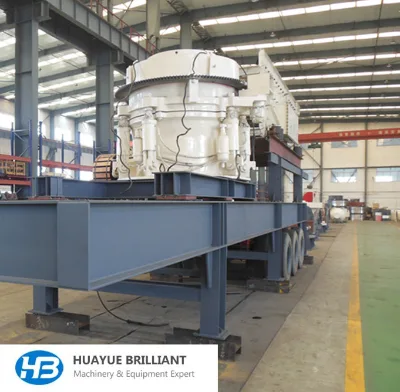
Compare 30 Mobile Crushing Plant units with varying motor powers and capacities for mining applications. Buyers can evaluate tracked models, jaw crushers, and impact crushers sourced from China with customization options and warranty support.
Key considerations
Products List


High Efficiency Jaw Type Mobile Crushing Station Mobile Stone Crusher Plant
$160000.00 - $174000.00
MOQ: 1 Sets

Crushing Plant Tracked Type Mobile Impact Crusher with Screening Machine
$160000.00 - $174000.00
MOQ: 1 Sets


Tracked Mobile Jaw Crusher Plant Mobile Jaw Crusher Plant - China Manufacturer
$160000.00 - $174000.00
MOQ: 1 Sets


Mobile Crushing Plant / Jaw Crushing Plant for Highway Construction
$50000.00 - $100000.00
MOQ: 1 Sets


Mobile Jaw Crusher, Portable Jaw Crusher, Wheeled Jaw Crushing Plant, Primary Mobile Crusher
$20000.00 - $200000.00
MOQ: 1 Pieces


Comprehensive Sourcing Guide
Strategic Sourcing Guide for Mobile Crushing Plants
Understanding Technical Specifications and Configuration
When sourcing a Mobile Crushing Plant, the primary objective is to align the machine's technical capabilities with the specific geological and operational requirements of the mining or construction site. The market offers a diverse array of configurations, ranging from tracked mobile jaw crushers to impact crushers and complete mobile screening units. A critical observation in the current supply landscape is the variation in power ratings. Buyers must verify that the motor power aligns with the intended throughput; observed specifications in the market include units ranging from 30kw to 110kw, with some heavy-duty configurations reaching 55-75kw. The choice of motor type is equally significant, with AC motors being a standard configuration for reliability and power consistency in industrial environments.
The physical dimensions and capacity of the unit are non-negotiable factors in the selection process. A mobile plant must fit within the logistical constraints of the site while delivering the required output. Data indicates that dimensions can vary significantly, with some models measuring approximately 14000mm in length and 2450mm in width, while others may be configured as 13500mm by 4500mm by 4800mm. Capacity is another pivotal metric, with observed ranges spanning from 80-200 tons per hour to high-output models capable of 150-350 tons per hour. The feed opening size, such as 400*1080mm, dictates the maximum size of raw material the machine can accept, which is crucial when processing large boulders of limestone, granite, or basalt.
Furthermore, the crushing style and degree of processing define the end product quality. The market features machines utilizing extruding and milling styles, suitable for fine grinding applications. The type of crusher, whether a tracked mobile jaw crusher or an impact crusher, determines the mechanism of force application. For instance, impact crushers are often preferred for softer materials or specific aggregate shapes, while jaw crushers excel in primary crushing of hard ores. The chassis design, such as triaxial frames, supports the heavy weight of the unit, which can reach up to 55 tons, ensuring stability during operation and transport.
Compliance, Certification, and Material Standards
Ensuring that a Mobile Crushing Plant meets international safety and quality standards is a fundamental step in the procurement process. Compliance is not merely a formality but a prerequisite for operational safety and legal adherence in global markets. The supply chain for these heavy industrial machines often highlights adherence to ISO standards. Specific observations indicate that products may carry ISO and CE certifications, which are critical for entry into European and other regulated markets. Additionally, some manufacturers reference ISO9001:2000 as a standard for their quality management systems, ensuring that the production process is controlled and consistent.
Buyers must also scrutinize the material composition of critical wear parts, as these components directly influence the lifespan and efficiency of the plant. The jaw plate material is frequently cited as high manganese steel, a choice made for its durability against the abrasive nature of materials like iron ore, gold ore, and copper ore. Similarly, the cutter material in certain configurations is identified as hard alloy, designed to withstand the high-impact forces of crushing. The machine is generally designed to process a wide variety of materials, including limestone, granite, basalt, and various ores, with a processing capability for materials under 350 MPa.
It is essential to verify that the "standard" claimed by the supplier matches the actual documentation provided. While some listings mention specific standard codes, buyers should treat these as observations rather than universal guarantees. The verification process should include requesting physical copies of the certification documents and cross-referencing them with the issuing bodies. The origin of the machinery, often listed as China or specifically Henan province, should be noted, as this influences the supply chain logistics and the specific regulatory frameworks the equipment was built to satisfy.
Cost Drivers and Pricing Dynamics
The pricing of mobile crushing plants is influenced by a complex interplay of factors, including power rating, capacity, customization, and the level of technological integration. The observed price range in the market is exceptionally broad, spanning from 500 USD to 1,000,000 USD. This vast disparity underscores the importance of defining the exact scope of requirements before engaging with suppliers. A unit with a 30kw motor and a capacity of 80 tons per hour will naturally command a different price point compared to a 110kw unit with a 350 tons per hour capacity and advanced tracking systems.
Customization is a significant cost driver. Many suppliers offer customizable colors and specific configurations to meet unique site requirements. The availability of customization allows buyers to tailor the machine to their branding or specific operational needs, but it often incurs additional costs and may affect the lead time. The packaging method also plays a role in the final landed cost. Options range from wooden boxes to containerized shipping, nude packs, or bulk transport. The choice of packaging depends on the dimensions of the unit and the shipping route, with larger units requiring specialized container configurations or bulk shipping arrangements.
Another factor influencing cost is the warranty and after-sales service package. While a standard warranty of one year is common, some suppliers offer extended support, including spare parts supply for the whole year or even for the entire using life of the machine. These service inclusions add value to the initial purchase price but must be weighed against the total cost of ownership. Buyers should also consider the weight of the unit, as heavier machines (e.g., 55 tons) incur higher transportation and handling costs, which can be a hidden expense in the overall budget.
Typical Applications and Operational Scope
Mobile crushing plants are designed for versatility, making them suitable for a wide range of applications across the mining and construction sectors. The primary application identified in the market is for mining operations, where the ability to move the crushing plant closer to the face of the mine reduces the need for extensive haulage infrastructure. This mobility is particularly advantageous when processing hard materials like limestone, granite, and basalt, which are common in quarrying and mining.
The specific application also dictates the choice of crusher type and configuration. For instance, fine grinding machines are utilized when the end product requires a specific particle size distribution, often achieved through extruding and milling styles. The processed materials list includes a diverse array of ores such as gold, copper, and iron ore, indicating that these plants are robust enough to handle high-value and abrasive materials. The capacity of the plant, ranging from 80 to 350 tons per hour, allows it to scale with the production needs of the project, from small-scale operations to large industrial complexes.
Furthermore, the machine's ability to handle various materials, including 200 different types of materials with a compressive strength under 350 MPa, highlights its adaptability. This versatility makes mobile crushing plants ideal for projects that involve multiple material types or changing geological conditions. The inclusion of features like vibrating feeders (e.g., Zsw110X420) and magnetic separators (Magnet) further expands the operational scope, allowing for pre-screening and metal removal to protect the crusher and improve product purity.
Supplier Evaluation and Service Capabilities
Evaluating a supplier for a Mobile Crushing Plant requires a deep dive into their service capabilities and willingness to engage with potential buyers. A key differentiator in the market is the attitude toward factory visits. Many suppliers explicitly state that factory visits are "warmly welcomed," providing an opportunity for buyers to inspect the manufacturing process, quality control measures, and the actual condition of the machinery. This transparency is a strong indicator of a supplier's confidence in their product and their commitment to building long-term relationships.
After-sales service is another critical criterion. The procurement process should prioritize suppliers who offer comprehensive support, including engineer assignment for testing and installation. This ensures that the machine is set up correctly and operates efficiently from day one. The availability of spare parts is equally important; suppliers who commit to supplying spare parts for the whole year or the entire using life of the machine demonstrate a long-term commitment to customer satisfaction. The export markets of the supplier, often listed as "Global," suggest that they have experience navigating international logistics and regulatory requirements.
Buyers should also assess the condition of the machinery. While "New" is a common status, the specific condition of the components, such as the jaw plates and cutters, should be verified. The presence of a warranty, typically one year, provides a baseline level of protection, but the terms of the warranty and the response time for service calls are crucial factors in the decision-making process. The supplier's ability to provide a complete package, including the vibrating feeder and other auxiliary equipment, simplifies the procurement process and ensures system compatibility.
Quality Control and Long-Term Procurement Considerations
Quality control in the manufacturing of mobile crushing plants is paramount to ensuring operational reliability and minimizing downtime. The production standards, such as ISO9001:2000, serve as a framework for maintaining consistency, but buyers must verify that these standards are actively applied in the production line. The use of high-quality materials, such as high manganese steel for jaw plates and hard alloy for cutters, is a direct indicator of the manufacturer's commitment to durability. However, the buyer should not assume that every listed product satisfies these material specifications without verification.
Long-term procurement considerations extend beyond the initial purchase price. The total cost of ownership includes maintenance, spare parts, energy consumption, and potential downtime. The motor power and type, such as the 110kw AC motor, influence energy efficiency, which can have a significant impact on operational costs over the life of the machine. The weight of the unit, up to 55 tons, and its dimensions affect transportation and site preparation costs, which should be factored into the long-term budget.
Additionally, the customization options available, such as color and specific configurations, should be evaluated for their long-term value. Customization can enhance the machine's integration into the site's workflow but may also complicate future maintenance if non-standard parts are required. The supplier's track record in the global export market is a strong indicator of their ability to support international clients over the long term. Buyers should seek suppliers who have a proven history of delivering reliable equipment and providing consistent after-sales support, ensuring that the Mobile Crushing Plant remains a productive asset for years to come.
Comparative Analysis of Key Specifications
To facilitate a clearer understanding of the variations in the market, the following table summarizes key specifications observed across different Mobile Crushing Plant models. This comparison highlights the diversity in power, capacity, and dimensions, aiding buyers in making informed decisions based on their specific project requirements.
| Specification Category | Model A (Example) | Model B (Example) | Model C (Example) |
|---|---|---|---|
| Type | Tracked Mobile Jaw Crusher | Mobile Crusher | Impact Crusher |
| Motor Power | 55-75kw | 110kw | 30kw |
| Capacity (T/H) | 80-200 | 150-350 | N/A |
| Dimensions (LWH) | 1400024504800 | 1350045004800 | 1500058003300 |
| Weight | N/A | 55t | N/A |
| Feed Opening | 400*1080mm | N/A | N/A |
| Certification | ISO, CE | ISO9001:2000 | N/A |
| Warranty | 1 Year | 1 Year | 1 Year |
| Material Processed | Quartz, Limestone, Iron Ore | Limestone, Granite | Various (<350 MPa) |
This table illustrates that while there are commonalities in warranty and certification, the technical specifications vary significantly. Buyers must carefully match these specifications to their operational needs to ensure optimal performance and cost-efficiency. The diversity in dimensions and capacity underscores the need for a thorough site assessment before finalizing a procurement decision.
FAQs
What certifications do mobile crushing plants typically have?
Mobile crushing plants typically carry ISO and CE certifications. Some manufacturers also adhere to ISO9001:2000 standards for quality management. These certifications ensure compliance with international safety and quality requirements for global export markets.
Which materials can a Mobile Crushing Plant process?
These plants can process over 200 materials under 350 MPa, including limestone, granite, basalt, and various ores like gold and copper. The specific jaw plate material is often high manganese steel to handle abrasive materials effectively during crushing operations.
How much does a Mobile Crushing Plant cost?
The price range for mobile crushing plants spans from 500 to 1,000,000 USD. Costs vary significantly based on motor power, capacity, and customization options. Buyers must define exact requirements to determine the specific price point for their needs.
Can mobile crushing plants be customized for specific needs?
Yes, customization is available for color and specific configurations. Suppliers often offer tailored options to meet unique site requirements, though this may affect lead times. Customization allows buyers to align the machine with branding or operational constraints.
What is the warranty period for mobile crushing plants?
The standard warranty period is typically one year. Some suppliers extend support by offering spare parts supply for the whole year or even the entire using life of the machine. This ensures long-term reliability and operational continuity for the buyer.
Which motor power options are available for these plants?
Motor power options range from 30kw to 110kw, with some heavy-duty configurations reaching 55-75kw. AC motors are a standard configuration for reliability. Buyers must verify that the selected power aligns with the intended throughput and site requirements.
Where are mobile crushing plants manufactured?
These plants are primarily manufactured in China, specifically in Henan province. The origin influences supply chain logistics and regulatory frameworks. Buyers should note this location when planning international shipping and ensuring compliance with local import regulations.