Source Mobile Continuous Asphalt Drum Heater for Roads
Compare 30 Mobile Continuous Asphalt Drum Heater units from verified Chinese manufacturers. Buyers can evaluate specifications like capacity, power, and mixing methods to find the right equipment for road construction projects; compare the available evidence and request quotations based on your requirements.
Key considerations
Products List


Brand New Asphalt Melter Heating for Sale Drummed Bitumen Melting Machine
$20000.00 - $65000.00
MOQ: 1 Sets

Automatic Asphalt Heating Tank Asphalt Heating Machine for Bitumen Plant
$20000.00 - $65000.00
MOQ: 1 Sets

Automatic Asphalt Heating Tank Asphalt Heating Machine for Bitumen Plant
$20000.00 - $65000.00
MOQ: 1 Sets


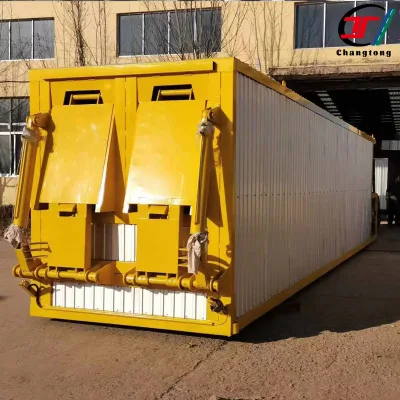
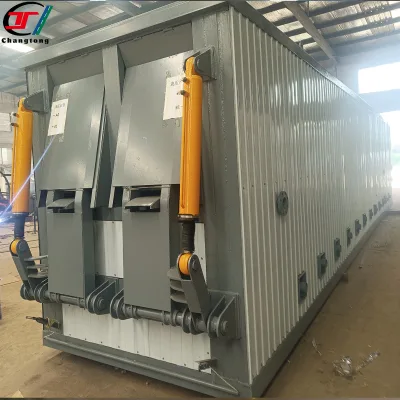
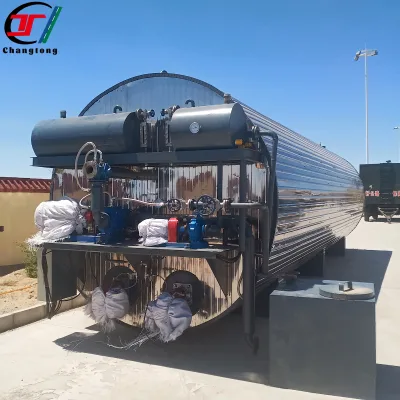
Wholesale Fine Quality Hot Container Asphalt Mixing Asphalt Heating Tank
$30000.00 - $31000.00
MOQ: 1 sets
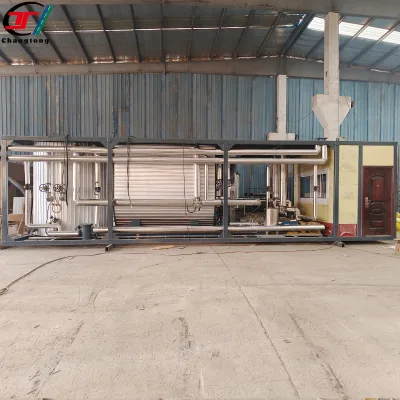
Stainless Steel Rubberized Asphalt Heater - Industrial Polymer Modification System
$46370.14 - $49461.48
MOQ: 1 sets
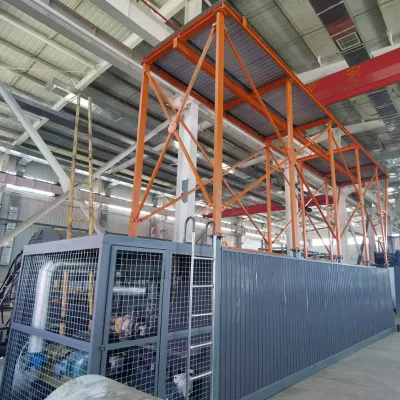
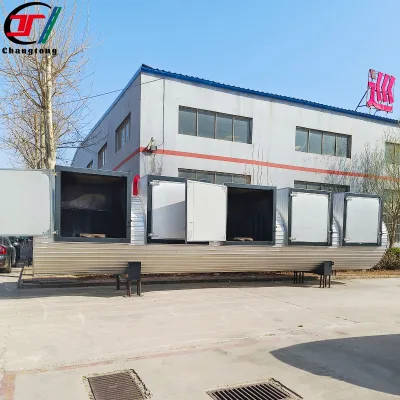

High Efficiency Asphalt Barrel Discharging Equipment Bitumen Drum Heating Machine
$30000.00 - $39000.00
MOQ: 1 Pieces

Thermal Oil Heating Bitumen Drum Melter Asphalt Drum Decanting Machine
$30000.00 - $39000.00
MOQ: 1 Pieces

Electric Heating Bitumen Drum Decanter Asphalt Drum Melting Machine
$30000.00 - $39000.00
MOQ: 1 Pieces

Thermal Oil Heating Asphalt Drum Melter Bitumen Drum Decanting Equipment
$30000.00 - $39000.00
MOQ: 1 Pieces


Electric Heating Bitumen Drum Melter Stable Asphalt Drum Unloading Machinery
$30000.00 - $39000.00
MOQ: 1 Pieces


Durable Drummed Bitumen Asphalt Melter Dt3 Dt6, Advanced Heating Bitumen Melting Equipment
$38596.26 - $40055.98
MOQ: 1 Pieces
Comprehensive Sourcing Guide
Mobile Continuous Asphalt Drum Heater Sourcing Guide
Procurement of mobile continuous asphalt drum heaters requires careful evaluation of the specific operational environment, as these units are designed for high-efficiency mixing on asphalt concrete pavement projects. The observed market data indicates a strong preference for mobile configurations that can be easily transported between job sites while maintaining a continuous mixing method. Buyers must prioritize units that offer a compact footprint, typically around 12 meters in length, to ensure they fit within standard transport constraints without sacrificing the necessary 4 to 10 tons per hour productivity.
The core functionality of these heaters relies on a continuous drum system that integrates seamlessly with semi-automatic or fully automatic control grades. This distinction is critical for buyers who need to balance labor costs with production consistency. The observed listings highlight a capacity range of less than 40 tons per hour, suggesting these machines are optimized for medium-scale road construction rather than massive highway infrastructure projects. Understanding this capacity ceiling helps buyers avoid over-specifying equipment that exceeds their actual project volume needs.
Product Scope and Observed Listing Signals
Market analysis reveals a distinct product range where mobile asphalt mixing plants are categorized by their specific model numbers, such as the BM-10, MB60, and MA80 series. These models often feature integrated structures that combine the heating and mixing processes into a single unit, which simplifies the logistics of setting up a temporary asphalt plant. The observed listings consistently show a weight range between 11,000 kg and 24 tons, indicating that while the units are mobile, they are substantial pieces of heavy machinery requiring specialized lifting equipment for deployment.
Buyers should note that the observed price range spans from 2,000 to 180,000 USD, reflecting significant variations in configuration, power output, and included features. This wide variance suggests that the base price often excludes critical add-ons or specific customization requests, such as the quantity of barrels which can range from 18 to 32 units depending on the model. It is essential for procurement teams to verify exactly what is included in the quoted price, as the minimum order quantity is typically one unit, but the final cost depends heavily on the selected voltage and power specifications.
Technical Specifications to Verify
Technical due diligence must focus on the power and voltage requirements, as observed listings show units operating at 220V/380V with total power consumption ranging from 17 kW to 36 kW. The transfer oil temperature is a critical parameter, with observed data indicating a range of 200 to 240 degrees Celsius, which directly impacts the efficiency of the bitumen heating process. Buyers must ensure their local power infrastructure can support the specific voltage and amperage requirements of the selected model to prevent operational downtime or electrical failures during critical paving seasons.
The mixing method and automatic grade are equally vital, with the market offering both continuous drum and intermittent compulsory mixing options alongside semi-automatic and automatic control systems. The core components, including PLCs, bearings, pumps, and burners, dictate the longevity and reliability of the machine under continuous operation. Verification of the product temperature, which typically falls between 120 and 165 degrees Celsius, is necessary to ensure the final asphalt mix meets the required quality standards for the specific pavement application.
Compliance and Safety Documentation
Safety and compliance verification should begin with the certification status, as observed listings frequently cite CE and ISO9001 standards for the core components and overall machinery. These certifications are essential for ensuring that the electrical systems, such as the PLC controls and hydraulic pushes, meet international safety regulations. Buyers must request current certification documents directly from the supplier to confirm that the specific unit being purchased adheres to the latest safety protocols, rather than relying on general marketing claims about the brand.
Documentation regarding the warranty of core components is another critical area, with standard offerings typically providing a one-year warranty on key parts like the burner and hydraulic systems. The absence of a machinery test report in some listings necessitates a proactive approach where buyers must request video outgoing-inspection services to verify the machine's condition before shipment. This visual verification serves as a crucial proxy for physical testing, allowing the buyer to confirm that the unit is in new condition and fully operational prior to the final payment release.
Cost Drivers and Commercial Terms
The total cost of ownership is heavily influenced by the shipping and packaging requirements, as observed data indicates that units are typically shipped in 40-foot high cube containers or standard packages. The packaging method, whether it is a 40HQ container or a standard package, directly impacts the freight costs and the insurance premiums associated with international transport. Buyers should calculate the total landed cost by factoring in the specific dimensions of the unit, which are often around 12 by 2.3 by 2.4 meters, to ensure they have adequate space at the destination for unloading and assembly.
Commercial terms also vary based on the customization options available, with many suppliers offering tailored solutions that can affect the final price point. The marketing type often labels these units as new products from 2020, which may influence the perceived value and the availability of spare parts. Buyers must clarify whether the quoted price includes the cost of the unique selling points, such as diesel cost-saving features, or if these are optional upgrades that require additional investment to achieve the promised operating efficiency.
Supplier Qualification and Quality Control
Supplier qualification should prioritize those who provide comprehensive after-sales services, including video technical support and online assistance, which are standard offerings in the current market. The ability to provide remote support is particularly valuable for mobile units that may be deployed in remote locations where on-site technical expertise is scarce. Buyers should verify the supplier's track record in providing these services by requesting references or case studies that demonstrate their ability to resolve technical issues quickly and effectively.
Quality control processes must be rigorously evaluated, especially given that machinery test reports are not always available for every listed unit. The presence of a video outgoing-inspection service is a positive indicator, but buyers should also inquire about the specific quality control checks performed on the core components like the PLC and hydraulic systems. Ensuring that the supplier has a robust internal quality assurance process is essential to mitigate the risk of receiving a unit that does not meet the specified performance criteria or that fails prematurely during operation.
Long-Term Procurement Checks
Long-term procurement success depends on the availability of spare parts and the durability of the core components under continuous operation. Buyers should verify the expected lifespan of critical parts such as the burners and pumps, which are subject to high thermal stress and mechanical wear. The warranty period of one year is a baseline, but understanding the cost and lead time for replacing these components after the warranty expires is crucial for maintaining continuous production schedules.
Finally, buyers must assess the supplier's commitment to product evolution, as the market often highlights new product launches and updated models. The observation of marketing types like "New Product 2020" suggests a dynamic market where technology is constantly improving. Procurement strategies should include a plan for periodic reviews of the supplier's product line to ensure that the purchased equipment remains competitive and that the supplier continues to offer support and updates that align with the latest industry standards and efficiency requirements.
FAQs
What is the production capacity of the Mobile Continuous Asphalt Drum Heater?
The production capacity ranges from 4 to 15 tons per hour depending on the specific model selected. This range covers smaller units like the BM-10 with 4-10t/H output up to larger configurations reaching 15t/H. Buyers should verify the exact tonnage requirements against the model specifications to ensure the equipment meets their daily paving volume needs.
Can the mobile asphalt mixing plant be customized for specific projects?
Yes, customization is available for these integrated mobile asphalt mixing plants. Manufacturers offer tailored solutions to adapt the equipment to unique site conditions or specific operational requirements. Buyers can request modifications to the structure or components to ensure the machine fits their particular workflow and logistical constraints effectively.
What certifications do the mobile asphalt drum heaters hold?
The equipment holds CE and ISO9001 certifications, ensuring compliance with international quality and safety standards. These credentials verify that the manufacturing processes and final products meet rigorous regulatory requirements. Buyers can rely on these certifications for import clearance and quality assurance when sourcing mobile asphalt mixing plants from certified suppliers.
How is the mobile asphalt heater packaged for shipping?
The equipment is typically packed in 40HQ containers or standard packages for secure transport. This packaging method ensures the integrated structure remains protected during transit from the origin in Shandong, China. Buyers should confirm the specific packing details with suppliers to optimize container space and ensure safe delivery to the project site.
What after-sales support is provided for the mobile asphalt plant?
Providers offer video technical support and online assistance to help users resolve operational issues. This support ensures that buyers can maintain equipment performance without immediate on-site visits. The warranty for core components is typically one year, providing additional assurance for long-term reliability and operational continuity in various paving environments.
What is the voltage requirement for the mobile asphalt mixing equipment?
The equipment operates on 220V or 380V electrical systems, accommodating different power infrastructure standards. Some models specify 380V as the standard voltage for optimal performance. Buyers must verify the local power supply compatibility before installation to ensure the electrical system matches the machine's requirements for safe and efficient operation.