Source Mobile LPG Tanker Truck with Gas Dispensing for Fueling
Find a Mobile LPG Tanker Truck with Gas Dispensing for liquefied gas storage, fueling cars, and LPG pump operations. Compare 30 new steel units with manual transmissions, 4x4 drive, and ISO certifications from Chinese manufacturers; compare the available evidence and request quotations based on your requirements.
Key considerations
Products List


LPG Liquid Gas Carried ISO Storage Tanker Tank Container Transport
$16500.00 - $23900.00
MOQ: 1 Pieces

40cbm 40000L LPG Mobile Tanker Liquefied Petroleum Gas Tank Trailer
$18500.00 - $24500.00
MOQ: 1 Pieces


23.3cbm ASME LPG Bobtail Tank Truck Gas Tanker with Pump System for Sale
$65000.00 - $75000.00
MOQ: 1 Pieces


12000L Mobile LPG Transport Tank Truck with Gas Refilling Equipment
$19999.00 - $49999.00
MOQ: 1 Pieces


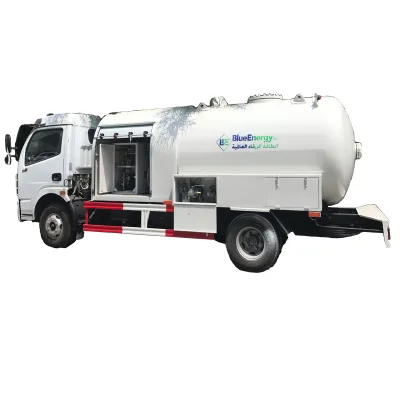
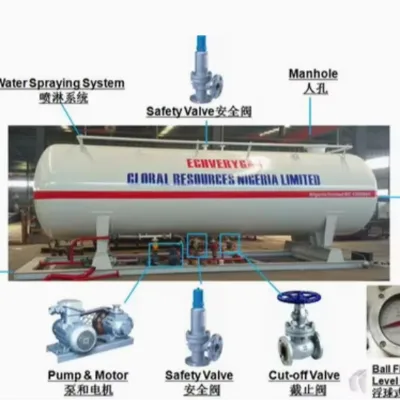
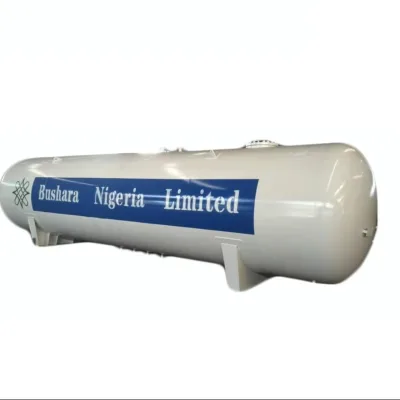

Sinotruk HOWO 10cbm Mobile LPG Gas Dispenser Truck LPG Tank Truck for Sale
$13000.00 - $14000.00
MOQ: 1 Pieces

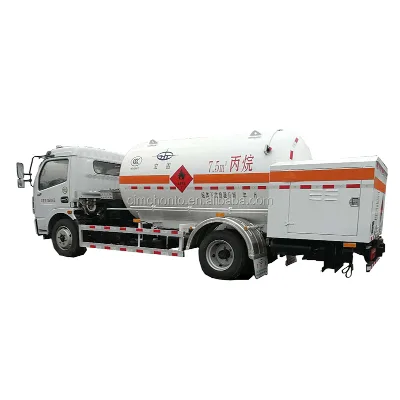
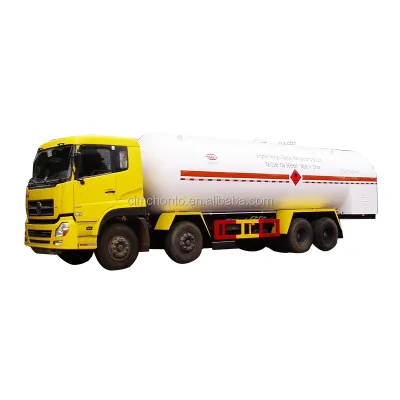

3 Axles LPG Tanker Liquid Propane Petroleum Gas Tank with Semi Trailer
$22000.00 - $28000.00
MOQ: 1 Pieces


Comprehensive Sourcing Guide
Mobile LPG Tanker Truck with Gas Dispensing Sourcing Guide
The Mobile LPG Tanker Truck with Gas Dispensing represents a specialized asset designed for the efficient transport and on-site distribution of liquefied petroleum gas. These units integrate heavy-duty chassis with pressurized storage vessels and integrated pumping systems to facilitate direct fueling operations. Buyers must distinguish between pure transport models and those equipped with active dispensing capabilities, as the latter require specific pump specifications and safety interlocks. The observed market data indicates a focus on medium-pressure vessels capable of handling flammable and toxic storage media, ensuring compliance with rigorous safety protocols for hazardous material logistics.
Procurement decisions should prioritize the functional integration of the chassis and the tank system, particularly regarding the pump flow rates and lift capabilities required for specific site conditions. The available listings highlight configurations with diesel power sources and manual transmissions, suitable for varied terrain and operational demands. Buyers need to verify that the selected unit matches the intended application, whether for general liquefied gas storage or specific fueling car operations. Understanding the distinction between self-dumping and non-self-dumping configurations is critical, as the latter is standard for pressurized gas transport to maintain vessel integrity during transit.
Product Scope and Observed Listing Signals
The current market listings for mobile LPG tankers reveal a distinct range of technical attributes, including tank volumes between 5001 and 10000 liters and horsepower ratings under 150hp. These specifications suggest a fleet of vehicles optimized for regional distribution rather than long-haul heavy freight. The observed price range is broad, reflecting the variability in customization options, pump systems, and chassis configurations. Buyers should note that while some units feature standard nude packing, others may include specialized packaging for the pump systems, which can significantly impact logistics planning and initial setup costs.
Listing signals also indicate a strong emphasis on customization availability, allowing buyers to tailor filling weights and pump power to specific operational needs. The presence of models with dual-speed landing gear and multi-link suspension systems points to a focus on stability and ease of operation during loading and unloading cycles. However, the data shows that tire certifications and drive wheel configurations vary, requiring careful verification against local road regulations. Buyers must scrutinize the listed axle brands, such as BPW or Fuwa, to ensure they meet the durability requirements for the intended load capacity of 1 to 10 tons.
Technical Specifications to Verify
Verification of the pressure vessel design is paramount, as the observed listings specify design pressures ranging from 1.61 MPa to 2.01 MPa with shell thicknesses of 12mm to 13mm. These parameters define the safety margin for medium-pressure applications and must align with the intended storage medium of flammable or toxic gases. Buyers should confirm that the filling weight, whether 5 tons or 10 tons, corresponds accurately with the vessel's structural integrity and the vehicle's load capacity limits. The material composition, typically carbon steel or heavy-duty steel, must be validated to ensure resistance to corrosion and pressure fatigue over the vehicle's service life.
The integration of the dispensing system requires detailed scrutiny of the pump specifications, including flow rates of 5m³/h and lift capabilities up to 150m. These figures determine the efficiency of the fueling process and must be matched against the specific requirements of the target fueling stations or industrial sites. Additionally, the engine capacity, observed in the 4-6L range, and the emission standards, such as Euro compliance, are critical for regulatory adherence in various jurisdictions. Buyers must ensure that the ABS anti-lock braking system and the specific transmission type are compatible with the vehicle's total weight and operational environment.
Compliance and Safety Documentation
Safety documentation for mobile LPG tankers must include comprehensive certification records, with observed listings frequently citing CCC and ISO9000 standards. These certifications indicate that the manufacturing process adheres to established quality management systems and product safety requirements. Buyers should request proof of these certifications for both the chassis and the pressure vessel to ensure that the entire assembly meets the necessary regulatory frameworks. The presence of ISO certification for tires further underscores the importance of component-level compliance in the overall safety profile of the vehicle.
Beyond general certifications, specific safety features like the ABS anti-lock braking system and the dual-speed landing gear must be documented with operational manuals and test reports. The classification of the storage medium as flammable and toxic necessitates strict adherence to handling protocols, which should be reflected in the vehicle's design and the accompanying safety data sheets. Buyers must verify that the pressure levels, ranging from low to medium, are clearly marked and that the vessel's design pressure exceeds the operating pressure to provide a necessary safety buffer. Ensuring that all safety documentation is up-to-date and valid is essential for insurance and regulatory approval.
Cost Drivers and Commercial Terms
The cost of a mobile LPG tanker truck is heavily influenced by the level of customization, particularly regarding the pump system and tank volume. Units with customized flow rates, lift heights, and filling weights often command higher prices due to the specialized engineering and testing required. The observed price range of 500 to 5,000,000 USD reflects the spectrum from basic transport units to fully integrated dispensing systems with advanced safety features. Buyers should anticipate that the inclusion of specific brands for axles and landing gear, such as BPW or Jost, will also impact the final commercial terms.
Commercial terms must clearly define the scope of customization and the lead time for production, as these factors can vary significantly based on the complexity of the order. The observed MOQ of 1 suggests flexibility for individual buyers, but the lead time and delivery conditions should be explicitly negotiated. Buyers should also consider the cost implications of the packing method, whether nude or normal, as this affects shipping and handling expenses. Understanding the total cost of ownership, including maintenance requirements for the diesel engine and pump system, is crucial for accurate budgeting and financial planning.
Supplier Qualification and Quality Control
Supplier qualification for mobile LPG tankers requires a thorough review of the manufacturer's production capabilities and quality control processes. The observed origin of these vehicles, primarily from Suizhou, Hubei, China, indicates a concentration of specialized manufacturing hubs. Buyers should verify the supplier's track record in producing vehicles that meet the specific standards of CCC and ISO9000, ensuring that the quality control measures are robust and consistent. The availability of customization options suggests that the supplier has the engineering capacity to adapt designs to specific buyer requirements without compromising safety or performance.
Quality control checks should extend beyond the final assembly to include the sourcing of critical components like the carbon steel material and the diesel engine. Buyers must ensure that the supplier conducts rigorous testing on the pressure vessel, including hydrostatic tests and leak checks, to verify the integrity of the shell and head thickness. The use of heavy-duty grade materials and the specific design of the suspension system are key indicators of the vehicle's durability. Establishing a clear quality assurance protocol with the supplier, including third-party inspection rights, is essential to mitigate risks associated with manufacturing defects or non-compliance.
Long-Term Procurement Checks
Long-term procurement strategies for mobile LPG tankers must include a plan for ongoing maintenance and component replacement, particularly for the pump system and pressure vessel. The observed specifications for pump power and flow rates suggest that these components will require regular servicing to maintain optimal performance and safety. Buyers should establish a relationship with the supplier for the supply of spare parts, ensuring that critical components like the landing gear and axles are readily available. This proactive approach helps minimize downtime and extends the operational life of the vehicle.
Regular audits of the vehicle's compliance with safety standards and emission regulations are also essential for long-term procurement success. As regulations evolve, the vehicle may require upgrades or modifications to remain compliant, particularly regarding the emission standards and pressure vessel certifications. Buyers should maintain a detailed log of all maintenance activities, inspections, and modifications to ensure a clear history of the vehicle's condition. This documentation is vital for resale value and for demonstrating compliance during regulatory inspections, ensuring the asset remains a viable part of the fleet for years to come.
FAQs
What is the tank volume capacity for this Mobile LPG Tanker Truck with Gas Dispensing?
The tank volume capacity ranges from 5001 to 10000 liters. This large storage volume supports extended operations for liquefied gas distribution. The design ensures efficient transport and storage of flammable or toxic media. Operators can rely on this substantial capacity for consistent supply in various industrial or commercial fueling applications without frequent refilling stops.
Can the Mobile LPG Tanker Truck with Gas Dispensing be customized for specific needs?
Yes, customization is available for various components and specifications. Buyers can adjust the pump flow, lift, and power to match operational requirements. The filling weight can be set to 5 or 10 tons, and shell thickness is customizable. This flexibility allows the vehicle to meet specific regulatory or functional demands for different gas dispensing tasks.
Which certifications apply to the Mobile LPG Tanker Truck with Gas Dispensing?
The product holds CCC and ISO9000 certifications for the vehicle and manufacturing standards. Additionally, the tires carry ISO certification. These credentials verify compliance with safety and quality management systems. Buyers can trust that the equipment meets established regulatory requirements for road use and industrial pressure vessel standards in multiple markets.
How does the pressure level affect the Mobile LPG Tanker Truck with Gas Dispensing?
The system operates at low pressure, defined as 0.1MPa to 1.6MPa. The design pressure is typically 1.61 MPa or customized. This pressure range is suitable for storing and dispensing liquefied gas safely. The medium pressure vessel design ensures structural integrity while handling flammable or toxic storage media during transport and fueling operations.
What is the origin and packing method for the Mobile LPG Tanker Truck with Gas Dispensing?
The product originates from Suizhou, Hubei, China, or general China sources. Packing methods include nude packing or normal packing depending on the specific model. This logistical detail helps buyers plan shipping and handling procedures. The origin indicates a known manufacturing hub for specialized commercial vehicles and pressure vessel equipment.
What is the load capacity and drive configuration of the Mobile LPG Tanker Truck with Gas Dispensing?
The load capacity ranges from 1 to 10 tons. The drive configuration is a 4x2 setup with a diesel engine. This powertrain provides sufficient torque for heavy-duty transport while maintaining fuel efficiency. The manual transmission and radial tires support stable operation on various road conditions during gas delivery and dispensing tasks.