Source Modern Commercial Household Baseboard for Floors, Walls, and Apartments
Compare 30 listings for Modern Commercial Household Baseboard options featuring PVC and aluminum materials. Buyers can evaluate customization, certifications, and pricing for floor and wall applications in contemporary designs.
Key considerations
Products List


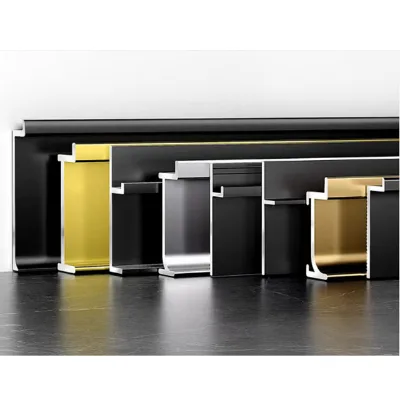
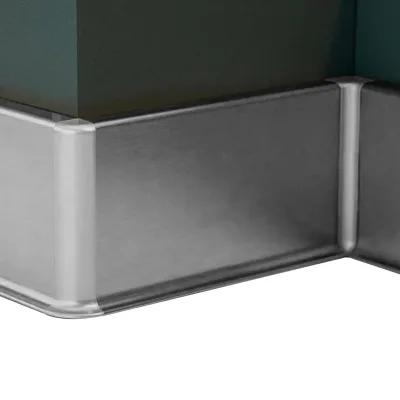

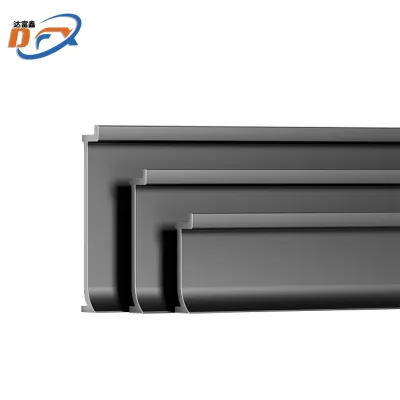
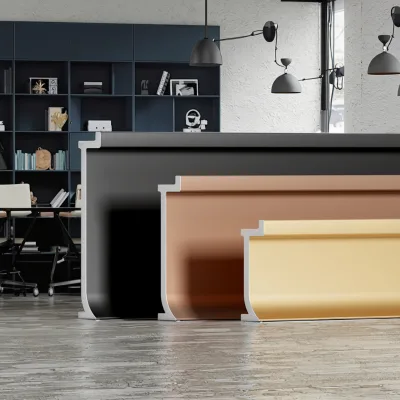


White Primed Baseboard with Back Groove Interior Skirting Board Moulding
$400.00 - $450.00
MOQ: 2 cubic meter


Comprehensive Sourcing Guide
Modern Commercial Household Baseboard Sourcing Guide
Selecting the right baseboard for modern commercial and residential projects requires balancing aesthetic precision with rigorous performance standards. The current market offers a diverse range of materials, primarily PVC and aluminum alloys, each presenting distinct advantages in terms of moisture resistance, durability, and installation complexity. Buyers must navigate a landscape where customization is standard, yet quality varies significantly between suppliers. This guide provides a structured approach to evaluating these products, ensuring that procurement decisions align with both design intent and operational requirements.
The following sections detail the critical factors influencing sourcing decisions, from technical specifications and compliance documentation to cost structures and supplier verification. By focusing on observable listing signals and verifiable attributes, buyers can mitigate risks associated with material inconsistencies and supply chain delays. The goal is to empower procurement teams with the knowledge to identify high-quality suppliers and secure products that meet the stringent demands of modern construction and interior design projects.
Product Scope and Observed Listing Signals
The observed product landscape for modern baseboards reveals a strong emphasis on contemporary and simple design styles, catering to both floor and wall applications. Listings frequently highlight PVC-coated surfaces and flat profiles, indicating a preference for sleek, minimalist aesthetics that complement modern architectural trends. The availability of customization options, including processing and design services, suggests that buyers can tailor products to specific project needs, such as graphic design or 3D model integration. This flexibility is crucial for large-scale commercial projects where uniformity and brand alignment are paramount.
Material composition is a key differentiator, with PVC and aluminum alloy being the most prevalent options. PVC-based products often boast excellent moisture resistance and environmental protection levels, making them suitable for high-traffic or humid environments. In contrast, aluminum alloy baseboards offer superior durability and a range of surface treatments, such as anodizing and powder coating, which enhance their visual appeal and longevity. Buyers should carefully review product models and standards, such as FDF76 and SBF95, to ensure that the selected materials align with the specific functional requirements of their project.
Technical Specifications to Verify
Verifying technical specifications is essential to ensure that the selected baseboards meet the physical and dimensional requirements of the project. Key attributes to confirm include thickness, length, and height, which directly impact installation ease and final appearance. For instance, aluminum alloy baseboards may come in thicknesses ranging from 0.8mm to 1mm, with customizable lengths and heights to accommodate various design preferences. Buyers should also pay attention to the standard dimensions provided by suppliers, such as 2200/2400mm lengths, to ensure compatibility with existing construction plans and to minimize waste during installation.
Sound insulation and fire protection levels are critical technical factors, particularly for commercial applications where safety and acoustic comfort are priorities. Products with a fire protection level of B1 offer enhanced safety, reducing the risk of fire spread in building interiors. Additionally, sound insulation capabilities, such as a rating of 45, can contribute to a quieter and more comfortable environment in multi-unit residential or office settings. Buyers should request detailed technical data sheets to verify these specifications and ensure that the products meet the specific performance criteria outlined in their project specifications.
Compliance and Safety Documentation
Compliance with international standards and certifications is a non-negotiable aspect of sourcing modern baseboards, especially for commercial projects. Certifications such as ISO, CE, SGS, and ISO9001 indicate that the supplier adheres to rigorous quality management and safety standards. Buyers should verify the validity of these certifications and ensure that they cover the specific products being procured. Additionally, environmental protection levels, such as E0, are crucial for maintaining indoor air quality and meeting sustainability goals, particularly in residential and healthcare settings.
Fire safety documentation is equally important, with products needing to meet specific fire protection levels to comply with building codes. Buyers should request test reports and certification documents that confirm the fire resistance of the baseboards, ensuring that they meet the required standards for the intended application. Furthermore, understanding the environmental impact of the materials used, such as the use of PVC or aluminum alloys, is essential for projects with sustainability mandates. Buyers should work with suppliers who provide transparent information about the environmental footprint of their products and their commitment to eco-friendly manufacturing practices.
Cost Drivers and Commercial Terms
Understanding the cost drivers and commercial terms is vital for effective budgeting and negotiation. The price range for modern baseboards can vary significantly, influenced by factors such as material type, customization options, and order volume. For example, PVC-coated baseboards may be more cost-effective for large orders, while aluminum alloy options with specialized surface treatments may command a higher price due to their enhanced durability and aesthetic appeal. Buyers should consider the total cost of ownership, including installation, maintenance, and potential replacement costs, when evaluating pricing options.
Minimum Order Quantities (MOQs) and lead times are also critical commercial terms that impact procurement planning. MOQs can range from 200 pieces per color to 10,000 pieces, depending on the supplier and product type. Buyers should negotiate MOQs that align with their project requirements and inventory management strategies. Additionally, lead times, which can range from 7 to 20 days, should be factored into the project schedule to avoid delays. Suppliers offering free samples and online technical support can provide valuable insights and assistance, helping buyers make informed decisions and resolve any issues that may arise during the procurement process.
Supplier Qualification and Quality Control
Supplier qualification is a critical step in ensuring the reliability and consistency of the sourced baseboards. Buyers should assess suppliers based on their annual production capacity, monthly production capability, and overall reputation in the market. Suppliers with a high production capacity, such as 30 million pieces per year for PVC products or 4000 tons per month for aluminum alloys, are better equipped to handle large orders and maintain consistent quality. Additionally, verifying the supplier's location, such as Guangdong or Foshan in China, can provide insights into their supply chain efficiency and access to raw materials.
Quality control measures implemented by the supplier are equally important. Buyers should inquire about the supplier's quality assurance processes, including inspection protocols and testing procedures. Suppliers that offer free samples and online technical support demonstrate a commitment to customer satisfaction and product quality. Furthermore, after-sales services, such as free spare parts and online technical support, can provide valuable assistance in the event of any issues or defects. Buyers should prioritize suppliers with a strong track record of quality control and customer service to ensure a smooth procurement experience.
Long-Term Procurement Checks
Establishing long-term procurement checks is essential for maintaining product quality and supplier performance over time. Regular audits and inspections of the supplier's facilities and processes can help identify potential issues early and ensure that the supplier continues to meet the required standards. Buyers should also monitor the supplier's ability to deliver on time and maintain consistent quality across multiple orders. This proactive approach can help mitigate risks and ensure that the project remains on schedule and within budget.
Building a strong relationship with the supplier is also crucial for long-term success. Open communication and collaboration can help address any issues that may arise and foster a partnership based on mutual trust and respect. Buyers should provide feedback on product performance and supplier service, helping the supplier improve and adapt to changing market conditions. Additionally, staying informed about industry trends and technological advancements can help buyers identify new opportunities for innovation and cost savings. By maintaining a strategic approach to procurement, buyers can ensure that their projects are supported by high-quality, reliable baseboard solutions.
FAQs
What customization options are available for Modern Commercial Household Baseboard?
Customization is available for this product line, allowing buyers to specify unique dimensions and finishes. The processing customization feature supports tailored requirements, ensuring the baseboard meets specific project needs while maintaining the modern style.
Which certifications do the Modern Commercial Household Baseboard products hold?
The products hold ISO, CE, SGS, and Cc certifications to ensure quality and safety standards. These credentials verify that the materials and manufacturing processes meet international requirements for commercial and household applications.
How long is the lead time for ordering Modern Commercial Household Baseboard?
The lead time typically ranges from 15 to 20 days for standard orders. Some suppliers may offer delivery within 7 to 20 days depending on the specific customization and production capacity of the factory.
Can I get a free sample of the Modern Commercial Household Baseboard?
Yes, a free sample is offered to potential buyers for evaluation purposes. This service allows clients to verify the material quality, such as the PVC or aluminum alloy, before committing to a larger purchase order.
What is the minimum order quantity for Modern Commercial Household Baseboard?
The minimum order quantity is 200 pieces per color for most product models. However, some suppliers may accept orders starting from 1 piece up to 10,000 pieces depending on the specific product type and customization level.
Where are the Modern Commercial Household Baseboard products manufactured?
These products originate from China, specifically from regions like Guangdong and Foshan. The annual production capacity reaches 30 million pieces, ensuring a steady supply for large-scale commercial and residential projects.