Source Modern European Wooden Storage Cabinet for Bedrooms, Hotels, and Living Rooms
Compare 30 Modern European Wooden Storage Cabinet listings covering solid wood and panel materials, drawer and door configurations, customizable sizes, colors, and finishes. Review specifications from multiple suppliers to match apartment, hotel, villa, and residential project requirements.
Key considerations
Products List
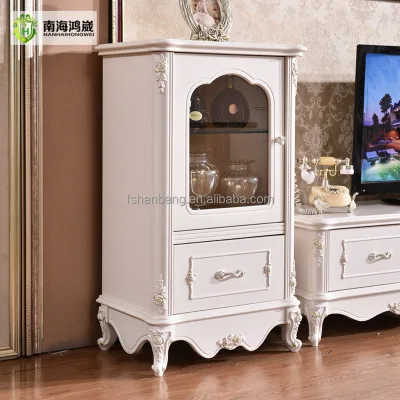


European Style Modern Bedroom Wooden Furniture Corner Wardrobe Closet Wood Storage Cabinet
$48.00 - $95.00
MOQ: 5 Square Meters

Built-in Storage Combination Modern Style Wooden Furniture Storage Cabinet
$48.00 - $95.00
MOQ: 5 Square Meters


Simple Modern Furniture Living Room Storage Cabinet Customized Wooden Cabinet
$48.00 - $95.00
MOQ: 3 Square Meters

Modern Living Room Furniture Wooden Cabinet for Storage and Display
$48.00 - $95.00
MOQ: 3 Square Meters


Wooden Storage Cabinet Chest of Drawer Modern Home European Living Room Furniture
$30.00 - $50.00
MOQ: 50 Pieces


Comprehensive Sourcing Guide
Modern European Wooden Storage Cabinet Sourcing Guide
Sourcing modern European-style wooden storage cabinets requires a disciplined approach to balancing aesthetic precision with functional durability. These pieces are characterized by clean lines, minimalist hardware, and high-quality wood finishes that integrate seamlessly into contemporary residential and commercial interiors. Buyers must navigate a market where "modern" can range from Scandinavian-inspired simplicity to sleek, handle-less designs, each demanding specific manufacturing tolerances and material selections. The procurement process begins with a clear definition of the desired style, ensuring that the supplier’s portfolio aligns with the intended visual language before any technical discussions commence.
The European market standard often emphasizes modularity and space optimization, making these cabinets suitable for a variety of settings including apartments, hotels, and villas. Procurement teams should focus on suppliers who offer customizable dimensions and compartment layouts, as off-the-shelf solutions rarely fit the precise spatial constraints of modern architectural designs. Understanding the distinction between solid wood constructions and engineered wood alternatives is critical, as this choice impacts both the aesthetic appeal and the long-term structural integrity of the furniture. This guide outlines the key verification steps necessary to secure high-quality units that meet both design specifications and commercial viability.
Product Scope and Observed Listing Signals
The current market landscape for modern wooden storage cabinets reveals a diverse range of product configurations, from corner wardrobes to living room TV storage units. Observed listings indicate a strong preference for customizable options, with many suppliers offering fully tailored dimensions and color schemes to match specific interior design themes. The presence of multiple model numbers, such as DW21-0156 and DW21-0057, suggests that manufacturers maintain extensive catalogs of modular components that can be mixed and matched. Buyers should expect to encounter products that combine sliding doors, hinged doors, and glass elements, allowing for a personalized storage solution that addresses both accessibility and visual openness.
Price points and minimum order quantities (MOQs) vary significantly based on the complexity of the customization and the material grade selected. Market observations show a price range that accommodates both budget-conscious projects and premium residential developments, with MOQs starting as low as one piece for sample orders and scaling up to two hundred units for bulk procurement. This flexibility allows buyers to test quality and design fidelity before committing to large-scale production runs. It is essential to verify whether the listed prices include packaging and basic hardware, as these elements can significantly impact the final landed cost, especially when sourcing from regions like Shandong, China, where many manufacturers are concentrated.
Technical Specifications to Verify
Material selection is the most critical technical factor in determining the quality and longevity of a wooden storage cabinet. Buyers must verify whether the core material is solid wood, plywood, MDF, or particle board, as each offers different advantages in terms of stability, weight, and finish quality. The board grade, often categorized as E0, E1, or ENF, indicates the formaldehyde emission levels, which is a crucial consideration for indoor air quality and regulatory compliance. Additionally, the door panel finish, whether melamine, PVC, lacquer, or wood veneer, dictates the tactile experience and resistance to wear and tear, requiring careful evaluation against the intended usage environment.
Structural design and hardware quality are equally important for ensuring smooth operation and durability. The cabinet system should be evaluated for its structural type, such as modular design, flat pack, or built-in configurations, which affects assembly complexity and shipping efficiency. Hardware components, including soft-close hinges, drawer slides, and hanging rods, must be inspected for their load-bearing capacity and smoothness of movement. Buyers should also confirm the availability of additional features like mirrors, integrated lighting, and cabinet straighteners, which can enhance functionality but may require specific technical integration during the manufacturing phase.
Compliance and Safety Documentation
While specific certification statuses may vary by supplier, buyers should prioritize documentation that demonstrates adherence to international quality and safety standards. Trusted category knowledge suggests that standards such as ISO 9001:2015 for quality management and EN 1143-1 for furniture strength are relevant benchmarks for European-style furniture. Although not all suppliers may explicitly list these certifications, procurement teams should request evidence of compliance or third-party testing reports to ensure that the products meet the rigorous safety requirements of their target markets. This due diligence helps mitigate risks associated with structural failures or hazardous material emissions.
Environmental compliance is another key area requiring verification, particularly regarding formaldehyde emissions and sustainable sourcing. Certifications like FSC (Forest Stewardship Council) can provide assurance that the wood materials are sourced from responsibly managed forests, which is increasingly important for brand reputation and regulatory compliance in many regions. Buyers should inquire about the specific board grades used and request material safety data sheets (MSDS) to verify that the finishes and adhesives meet local environmental regulations. This proactive approach ensures that the procurement process aligns with corporate sustainability goals and legal obligations.
Cost Drivers and Commercial Terms
The cost of modern wooden storage cabinets is influenced by several key factors, including material choice, customization level, and packaging requirements. Solid wood and high-grade plywood typically command higher prices than particle board or MDF, while complex customizations such as unique dimensions or specialized finishes can increase production costs. Buyers should also consider the impact of packaging, as options ranging from simple carton packing to more protective foam and wooden box configurations affect both the unit cost and the risk of damage during transit. Understanding these cost drivers allows for more accurate budgeting and negotiation with suppliers.
Commercial terms, including payment conditions, lead times, and sample policies, play a significant role in the overall procurement strategy. Many suppliers offer one-stop solutions and accept sample orders, which can be valuable for quality verification before bulk production. However, lead times can vary based on the complexity of the order and the supplier’s current production capacity. Buyers should negotiate clear terms regarding quality acceptance criteria and return policies for defective items, ensuring that they have recourse in case the delivered products do not meet the agreed-upon specifications. Transparent communication about these terms helps prevent misunderstandings and ensures a smoother transaction process.
Supplier Qualification and Quality Control
Supplier qualification is a critical step in ensuring the reliability and consistency of the supply chain. Buyers should assess suppliers based on their production capabilities, quality control processes, and ability to meet customization requests. Factories with experience in producing European-style furniture are more likely to understand the precise tolerances and aesthetic requirements associated with this market segment. It is advisable to request detailed information about the supplier’s manufacturing facilities, including machinery capabilities and workforce expertise, to gauge their ability to deliver high-quality products consistently.
Quality control measures should be implemented at various stages of production, from raw material inspection to final product testing. Buyers should establish clear quality standards and inspection protocols, potentially engaging third-party inspection services for pre-shipment checks. This includes verifying dimensions, finish quality, hardware functionality, and overall structural integrity. By implementing rigorous quality control measures, buyers can minimize the risk of receiving defective products and ensure that the final delivery meets the expected standards. Regular communication with the supplier regarding quality issues and feedback helps foster a collaborative relationship and continuous improvement.
Long-Term Procurement Checks
Long-term procurement success depends on establishing a robust framework for ongoing supplier evaluation and performance monitoring. Buyers should regularly review supplier performance metrics, including on-time delivery rates, product quality consistency, and responsiveness to issues. This continuous assessment helps identify potential risks and opportunities for improvement, allowing for proactive management of the supply chain. Maintaining open lines of communication with suppliers facilitates the resolution of any emerging issues and ensures that both parties remain aligned on quality and service expectations.
Additionally, buyers should stay informed about market trends and technological advancements in furniture manufacturing to ensure that their procurement strategies remain competitive. This includes monitoring changes in material availability, production techniques, and regulatory requirements that may impact sourcing decisions. By staying agile and informed, buyers can adapt to market fluctuations and maintain a reliable supply of high-quality modern wooden storage cabinets. Regular audits and feedback loops with suppliers help reinforce quality standards and drive continuous improvement, ensuring long-term value and satisfaction for end-users.
FAQs
What are the standard dimensions for this cabinet?
The standard size is 650*450*1100mm. However, the product size is fully customizable to meet specific spatial requirements. Buyers can request tailored dimensions and compartment layouts to fit unique interior designs or storage needs effectively.
Can the cabinet be customized for specific projects?
Yes, customization is available for various project types. Options include sliding, hinged, or glass doors, and modular or flat-pack structures. Materials like plywood, MDF, or solid wood are selectable, along with board grades such as E0 or E1.
What materials are used in the construction?
The cabinet is primarily made of wood, with material options including plywood, MDF, particle board, or solid wood. The carcase material may be plywood, and door panel finishes can be melamine, PVC, lacquer, or wood veneer for durability and style.
Where is this wooden storage cabinet manufactured?
The product originates from Shandong, China. It is designed for applications in apartments, hotels, villas, and residential projects. The manufacturing location supports efficient logistics for international B2B sourcing and large-scale furniture procurement needs.
What hardware features are included in the design?
The cabinet includes soft-close hinges and drawer slides for smooth operation. It also features hanging rods and optional accessories like mirrors, lighting, and cabinet straighteners. These components enhance functionality and user experience in modern storage solutions.
Is the product condition new and high quality?
Yes, the product is new and classified as high quality. It is available in white or customizable colors. The construction ensures durability, making it suitable for various furniture types including corner wardrobes, TV storage cabinets, and kitchen cabinet sets.