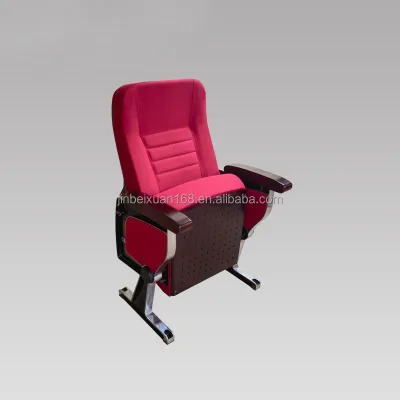
Source Modern Gliding Theater Auditorium Chair for Meeting Room, Church, and Hall
Compare 30 listings of Modern Gliding Theater Auditorium Chair options featuring fabric or metal construction with fixed or handrail footings. Buyers can evaluate specifications like high-density sponge cushions, cup holders, and OEM availability for use in meeting rooms, churches, and auditoriums.
Key considerations
Products List


Classroom School Stadium Lecture Hall Cinema Church Theater Auditorium Chair
$10.00 - $200.00
MOQ: 100 Pieces


Multiplex USB Sliding Auditorium Church School Movie Cinema Theater Chair
$10.00 - $200.00
MOQ: 100 Pieces


Comprehensive Sourcing Guide
Strategic Sourcing Guide for Modern Gliding Theater Auditorium Chairs
Procuring modern gliding theater auditorium chairs requires a disciplined approach that balances aesthetic integration with rigorous functional performance. These seating units are not merely furniture; they are critical infrastructure for venues ranging from corporate conference halls to large-scale cinemas and religious auditoriums. The modern gliding mechanism, in particular, demands precise engineering to ensure smooth operation while maintaining structural integrity under high-frequency use. This guide outlines the essential factors buyers must evaluate, grounded in observed market data and verified product attributes to facilitate informed decision-making.
Technical Specifications and Structural Integrity
The foundation of a successful procurement strategy lies in a detailed understanding of the technical specifications that define the chair's performance. Modern auditorium chairs typically feature a robust frame constructed from materials such as metal or wood, often combined with high-density sponge for cushioning. The specific model data indicates that the seat and backrest are frequently molded using cold foaming techniques with high-density polyurethane (PU) sponge, ensuring long-term resilience and comfort. This construction method is vital for maintaining the chair's shape over years of use in high-traffic environments.
The gliding mechanism itself is a critical differentiator. While some models feature fixed rotary structures, the "gliding" requirement implies a specific type of motion or stability mechanism that allows for smooth transitions. In the context of the observed product attributes, the station foot is often designed as a "foot landing" or "handrails foot landing," which provides the necessary stability for the gliding action. The armrest configuration is typically "with armrest," contributing to the overall structural rigidity and user comfort. Buyers must verify that the specific model selected, such as those designated by model numbers like SJ5505 or SJ9610, aligns with the required motion profile. The dimensions of these units vary, with standard specifications often falling within ranges like 580x900x1010mm or 580x778x1110mm, depending on the specific application and manufacturer standards.
Compliance, Certification, and Safety Standards
In the commercial furniture sector, compliance with international standards is non-negotiable. The supply chain for auditorium seating is heavily regulated to ensure safety and durability. Verified product attributes confirm that reputable manufacturers in this sector often hold ISO 9001 and ISO 14001 certifications. These certifications indicate a commitment to quality management systems and environmental management, respectively. The presence of these certifications is a strong indicator that the supplier adheres to rigorous production controls and quality assurance protocols.
Buyers should explicitly request documentation verifying these certifications for every batch of chairs ordered. While some background information may reference standards like EN 12727/2017 or ISO 354, these should be treated as benchmarks for verification rather than assumed defaults. The primary focus must be on the supplier's ability to provide valid, current certificates. Additionally, the "customized" nature of the product standard suggests that buyers can negotiate specific compliance requirements based on local building codes or venue-specific safety regulations. It is imperative to confirm that the chair's fire resistance, structural load-bearing capacity, and material safety meet the specific legal requirements of the destination country.
Cost Drivers and Pricing Dynamics
Understanding the cost structure of modern gliding theater chairs is essential for budgeting and negotiation. The observed market data reveals a price range in USD from 8.9 to 200, reflecting a significant variance based on material quality, customization, and order volume. Several key factors drive these costs. First, the material composition plays a major role; chairs utilizing metal frames and high-density PU sponge generally command higher prices than those with simpler constructions. The "Fabric Color" attribute, offering more than 20 colors for choosing, also influences cost, as custom dyeing and fabric sourcing add to the production expense.
Second, the Minimum Order Quantity (MOQ) is a critical cost driver. While some listings show an MOQ of 1000, others indicate a much higher threshold of 10,000 units. This discrepancy highlights the importance of volume in determining unit pricing. Buyers with smaller requirements may face higher per-unit costs or need to consolidate orders with other projects. Furthermore, the "OEM" and "ODM" capabilities of the supplier can impact pricing. Custom branding, specific color matching, and unique structural modifications require additional engineering and production time, which are reflected in the final cost. The packaging method, whether "Each Packed in a Polybag" or "Carton" packing, also contributes to the overall logistics cost and must be factored into the total landed cost calculation.
Typical Applications and Functional Requirements
Modern gliding theater auditorium chairs are designed for versatility, serving a wide array of applications. The observed product attributes list usage scenarios including Meeting Rooms, Churches, Auditoriums, Halls, Theaters, and Cinemas. Each of these environments imposes unique functional requirements. For instance, chairs intended for a cinema may prioritize comfort for long viewing durations, whereas those for a meeting room might focus on ease of movement and stackability or gliding efficiency for quick reconfiguration.
The "Application" field often specifies a combination of venues, such as "Auditorium, Conference Hall, School, Cinema, Theatre." This versatility suggests that the core design must be adaptable. The "WordPad Structure" is another critical consideration; some models feature a "Mounted" structure, while others offer a "Concealed" option. This choice affects the aesthetic appeal and the ease of cleaning, which is particularly important in high-traffic public spaces like schools and churches. Additionally, features like cup holders and specific cushion recovery mechanisms (Spring+Damping) are essential for enhancing user experience in these diverse settings. Buyers must align the specific features of the chair with the primary function of the venue to ensure optimal performance.
Supplier Evaluation and Manufacturing Capabilities
Selecting the right supplier is as important as selecting the right product. The supply chain for these chairs is predominantly centered in China, as indicated by the product origin data. When evaluating potential suppliers, buyers should look for a proven track record in commercial furniture manufacturing. The availability of OEM and ODM services is a strong positive indicator, suggesting that the supplier has the flexibility to meet specific client needs.
Key evaluation criteria include the supplier's production capacity, quality control processes, and after-sales support. The observed "After-Sales Service" of 5 years is a significant value proposition that buyers should verify in detail. This service period likely covers structural integrity and mechanism functionality, providing a safety net for the investment. Buyers should also assess the supplier's ability to handle large-scale orders, as evidenced by the high MOQs observed in the market. The "Delivery Time" of within 30 days for a 1*40hq container is a standard benchmark, but buyers must confirm if this applies to their specific order volume and customization requirements. A supplier's ability to provide detailed product documentation, including technical drawings and material specifications, is also a crucial indicator of professionalism and reliability.
Quality Control and Long-Term Procurement Considerations
Implementing a robust quality control (QC) protocol is essential to mitigate risks associated with bulk procurement. Given the mechanical nature of gliding mechanisms, rigorous testing is required to ensure smooth operation and durability. Buyers should insist on pre-shipment inspections that verify the structural integrity of the frame, the quality of the cushioning, and the functionality of the gliding system. The "Condition: New" attribute confirms that the products are intended for immediate installation, but this must be verified upon delivery to prevent issues related to transit damage.
Long-term procurement considerations extend beyond the initial purchase. The "General Use" classification as "Commercial Furniture" implies that the chairs will undergo heavy usage. Therefore, the durability of the fabric, the resilience of the sponge, and the longevity of the metal or wood frame are paramount. The "Cushion Recovery" mechanism, described as "Spring+Damping," is a key feature that buyers should test for consistency. Furthermore, the packaging method, such as "Kd Packing" or "Standard Export Packing Carton," must be evaluated to ensure it protects the chairs during shipping and storage. Buyers should also consider the availability of replacement parts and the ease of maintenance. A supplier that offers comprehensive after-sales support and spare parts availability will significantly reduce the total cost of ownership over the life of the furniture.
Final Procurement Strategy and Verification
In conclusion, sourcing modern gliding theater auditorium chairs requires a meticulous approach that integrates technical verification, compliance checks, and strategic supplier evaluation. The market offers a wide range of options, from basic models to highly customized solutions, with prices and MOQs varying significantly. Buyers must prioritize the verification of certifications like ISO 9001 and ISO 14001, ensure that the technical specifications match the intended application, and establish clear communication regarding delivery timelines and after-sales support. By adhering to these guidelines and focusing on the specific attributes observed in the market, buyers can secure high-quality seating solutions that meet the demanding requirements of modern commercial venues. The final decision should be based on a comprehensive analysis of the total value proposition, balancing initial costs with long-term performance and reliability.
FAQs
What certifications do modern gliding theater auditorium chairs have?
Reputable models typically hold ISO 9001 and ISO 14001 certifications. These indicate adherence to quality management and environmental standards, ensuring the furniture meets rigorous production controls for commercial venues.
Which materials are used for the frame and cushioning?
Frames are constructed from metal or wood, while cushions use high-density PU sponge molded by cold foaming. This combination ensures structural integrity and long-term comfort for high-traffic environments like cinemas and halls.
Can buyers customize the fabric color and design?
Yes, customization is available with over 20 fabric color options to choose from. Buyers can also request specific structural modifications or branding through OEM and ODM services offered by the manufacturers.
What is the typical delivery time for large orders?
Delivery is typically completed within 30 days for a 40HQ container. This timeline applies to standard orders, though specific lead times may vary based on the volume and customization requirements of the purchase.
How long is the after-sales service period for these chairs?
The standard after-sales service period is five years. This coverage helps ensure the durability of the gliding mechanisms and structural components, providing buyers with long-term support for their commercial furniture investment.
What are the standard dimensions for these auditorium chairs?
Standard dimensions vary by model, often ranging from 580x900x1010mm to 580x778x1110mm. These specifications are designed to fit various venue requirements while maintaining comfort and stability for users in theaters and conference halls.