Source Modern Glass Sided Display Fridge for Retail, Bars, and Cafes
Explore 30 options for a Modern Glass Sided Display Fridge designed for retail, beverage cooling, and commercial storage. Buyers can compare single or double door models with varying capacities, defrost types, and thermostat controls to find the right unit for their business needs.
Key considerations
Products List


Beverage Upright Cooler Double Glass Doors Cold Drink Display Fridge for Supermarket
$420.00 - $480.00
MOQ: 16 Pieces


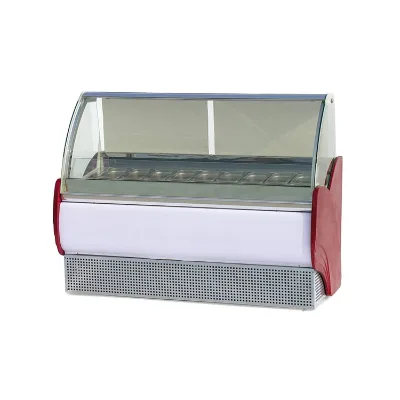
New Design Display Ice Cream Fridge Display Counter Fridge Glass Fridge
$1718.06 - $2034.60
MOQ: 1 Minimum


Comprehensive Sourcing Guide
Strategic Sourcing Guide for Modern Glass Sided Display Fridges
Understanding Technical Specifications and Configuration Options
When sourcing modern glass-sided display fridges, buyers must first navigate a complex landscape of technical configurations that directly impact operational efficiency and product presentation. The observed market data reveals a distinct bifurcation in power sources and temperature capabilities. While some units are engineered with gas power sources, the majority of modern commercial display solutions rely on electricity, necessitating a clear definition of the facility's power infrastructure before procurement. Temperature control is another critical variable; the market offers both single-temperature and double-temperature systems. Single-temperature units are typically optimized for specific storage needs, whereas double-temperature models provide the flexibility to manage different product zones simultaneously.
The physical dimensions and capacity of these units vary significantly based on the intended retail environment. Specifications indicate a wide range of sizes, from compact units measuring approximately 447mm in width to large display cases exceeding 1880mm in length. Capacity is equally diverse, ranging from small units holding 101-200 liters to large commercial models exceeding 501 liters. Buyers should verify the exact internal volume against their inventory requirements, as the difference between a 401-500L unit and a >501L unit can dictate floor space allocation and refrigeration load.
The construction of the display case is defined by specific material and component choices. The primary cabinet material is typically painted steel, offering durability and a clean aesthetic that can be customized in black or white finishes. The defining feature of these units is the glass door configuration, which often utilizes hollow glass to ensure thermal insulation while maintaining high visibility. Door types are predominantly swing doors, though the number of doors varies from single-door configurations to double-door setups. The shelving system is another critical specification; units frequently feature PVC shelves, with some models offering a specific count of five pieces to maximize storage organization.
Compliance, Certification, and Safety Standards
In the B2B procurement of commercial refrigeration equipment, compliance with international safety and environmental standards is non-negotiable. The supply chain for modern glass display fridges is characterized by a robust array of certifications that validate the safety and quality of the manufacturing process. Buyers should verify that potential suppliers possess a comprehensive suite of certifications, including CE, RoHS, ISO, CB, EMC, GS, and ETL. These certifications cover electrical safety, electromagnetic compatibility, and environmental restrictions on hazardous substances, ensuring the equipment meets the regulatory requirements of various global markets.
Specific regional standards also play a vital role in the selection process. For instance, the CCC certification is a mandatory requirement for products entering the Chinese market, indicating compliance with local safety and quality norms. The presence of these certifications is not merely a formality; they serve as evidence that the manufacturer adheres to rigorous testing protocols regarding the compressor, electrical wiring, and refrigerant handling.
Refrigerant selection is a key component of environmental compliance. Modern units often utilize R134A or R600A refrigerants, which are chosen for their efficiency and lower environmental impact compared to older generation gases. The choice of refrigerant must align with local environmental regulations and the specific cooling requirements of the application. Furthermore, the cooling system design, which typically employs fan cooling and fin-type copper pipe evaporators, must be verified to ensure it meets the necessary thermal efficiency standards. The defrost mechanism, often an auto electrical defrost system, is another area where compliance with safety standards is essential to prevent ice buildup and ensure consistent temperature maintenance.
Cost Drivers and Pricing Dynamics
The pricing of modern glass-sided display fridges is influenced by a multitude of factors, resulting in a wide observed range from approximately $55.70 to $2,899. This variance is not arbitrary but is driven by specific technical and material attributes. The primary cost driver is the capacity and physical size of the unit. Larger models with dimensions exceeding 1880mm in length and capacities over 500 liters naturally command higher prices due to the increased material usage and more powerful refrigeration systems required.
The choice of compressor is another significant determinant of cost. Units equipped with branded compressors from recognized manufacturers like Donper or Secop often carry a premium over those with generic "brand compressors." These high-performance compressors offer greater reliability, energy efficiency, and longevity, which are critical for high-traffic commercial environments. Similarly, the type of temperature control system impacts pricing; units featuring smart thermostats or computer thermostats with digital controllers are more expensive than those with basic mechanical controls.
Customization options also play a pivotal role in the final cost. The availability of customization allows buyers to tailor the unit to specific branding or functional needs, such as specific color finishes or unique door configurations. However, this flexibility often comes with a price premium. The minimum order quantity (MOQ) is another factor that influences the effective unit cost. The observed MOQ range spans from 1 to 110 units, meaning that buyers purchasing in smaller quantities may face higher per-unit costs compared to those placing bulk orders. Additionally, the inclusion of accessories such as canopy boxes with LED lighting or universal wheels can add to the overall cost. Buyers must carefully balance these features against their budget constraints to optimize value.
Typical Applications and Usage Scenarios
Modern glass-sided display fridges are designed to serve a variety of commercial applications, with the primary usage focused on drinks cooling and product visibility. The design of these units, featuring hollow glass doors and internal vertical LED lighting, is specifically engineered to attract customer attention and showcase products effectively. The bright, energy-efficient LED lighting ensures that beverages and perishable goods are presented in an appealing manner, enhancing the overall shopping experience.
The capacity of the unit dictates its suitability for different environments. Compact units with capacities between 101-200 liters are ideal for small retail outlets, convenience stores, or hotel minibars where floor space is limited. These smaller units often come with wheels for easy mobility, allowing for flexible placement within the store. Mid-range units with capacities of 401-500 liters are well-suited for medium-sized supermarkets, cafes, or restaurants that require a balance between storage volume and display visibility.
Large commercial units with capacities exceeding 501 liters are designed for high-volume environments such as hypermarkets, large grocery chains, or event venues. These units often feature double doors and advanced temperature control systems to handle the increased load and ensure consistent cooling across a larger volume. The ability to customize the unit, such as adding a canopy box with LED lighting, makes these fridges versatile for various promotional displays and seasonal campaigns. The specific temperature range of 2~10°C is particularly suitable for storing beverages, dairy products, and other chilled items that require precise temperature management to maintain freshness and safety.
Supplier Evaluation and Quality Assurance
Evaluating suppliers for modern glass display fridges requires a rigorous approach to quality assurance and due diligence. Buyers should prioritize suppliers who demonstrate transparency in their manufacturing processes and provide clear documentation of their certifications. The origin of the product is a critical factor; many units are manufactured in Guangdong, China, a hub for commercial refrigeration equipment. While this region offers competitive pricing and a wide range of options, buyers must verify the specific factory's reputation and quality control measures.
The quality of the compressor is a key indicator of the unit's long-term reliability. Suppliers should be able to provide detailed specifications regarding the compressor brand and model, as well as warranty terms. The use of high-quality materials, such as painted steel cabinets and fin-type copper pipe evaporators, is essential for durability and thermal efficiency. Buyers should also inspect the door frame construction, which is typically made of aluminum, to ensure it is robust and provides a tight seal to prevent cold air leakage.
Quality control should extend to the assembly and finishing of the unit. The presence of universal wheels or strong wheels indicates attention to detail in mobility and stability. The defrost system, whether auto electrical or manual, must be tested for reliability to prevent ice accumulation that could compromise cooling performance. Buyers should request samples or visit the manufacturing facility to verify the build quality, paying close attention to the installation of the PVC shelves and the alignment of the glass doors.
Long-Term Procurement and Maintenance Considerations
Sourcing modern glass display fridges is not just about the initial purchase; it involves long-term considerations regarding maintenance, energy efficiency, and operational costs. The choice of cooling system and compressor significantly impacts energy consumption. Units with fan cooling systems and efficient compressors like Donper or Secop are likely to offer lower operating costs over time, despite potentially higher upfront prices. Buyers should calculate the total cost of ownership, including electricity bills and maintenance expenses, to make an informed decision.
Maintenance requirements vary based on the defrost type and temperature control system. Auto defrost units reduce the need for manual intervention, saving labor costs and ensuring consistent temperature performance. However, buyers should verify the availability of spare parts and the technical support provided by the supplier. The presence of a digital temperature controller allows for precise monitoring and adjustment, which can help in optimizing energy usage and preventing temperature fluctuations that could spoil products.
Customization options offer long-term value by allowing the unit to adapt to changing business needs. For example, the ability to change the color or add specific shelving configurations can extend the useful life of the unit as the business evolves. Buyers should also consider the lead time and supply chain reliability of the supplier, as delays in receiving replacement parts or new units can disrupt operations. Establishing a strong relationship with a supplier who offers reliable after-sales support and warranty coverage is essential for the long-term success of the procurement strategy.
Comparative Analysis of Key Product Attributes
To facilitate informed decision-making, the following table summarizes the key attributes observed in the market for modern glass-sided display fridges. This comparison highlights the diversity in specifications and helps buyers identify the features that align with their specific requirements.
| Attribute Category | Specific Options Observed | Relevance to Procurement |
|---|---|---|
| Power Source | Gas, Electricity | Determines infrastructure requirements; electricity is standard for most modern units. |
| Temperature Type | Single-temperature, Double-temperature | Single for uniform storage; double for zones requiring different temps. |
| Capacity | 101-200L, 401-500L, >501L | Dictates floor space and storage volume; select based on inventory needs. |
| Door Configuration | Single Door, Double Doors | Affects accessibility and display area; double doors for high traffic. |
| Compressor Brand | Donper, Secop, Brand Compressor | Branded compressors offer higher reliability and efficiency. |
| Defrost Type | Auto Defrost, Auto Electrical Defrost | Auto defrost reduces maintenance and ensures consistent cooling. |
| Material | Painted Steel | Durable and easy to clean; available in black or white. |
| Glass Type | Hollow Glass Door | Provides insulation and visibility; critical for display aesthetics. |
| Lighting | Inside Vertical LED Light | Enhances product visibility; energy-efficient and long-lasting. |
| Shelving | PVC Shelves (5PCS) | Durable and easy to clean; count varies by model. |
| Certifications | CE, RoHS, ISO, CB, EMC, GS, ETL, CCC | Essential for regulatory compliance and safety assurance. |
| Origin | Guangdong, China | Indicates manufacturing hub; verify specific factory quality. |
This comparative analysis underscores the importance of matching specific product attributes to the buyer's operational needs. By carefully evaluating these factors, procurement professionals can select modern glass-sided display fridges that deliver optimal performance, compliance, and value for their business.
FAQs
What certifications do modern glass sided display fridges typically have?
These units typically hold CE, RoHS, ISO, CB, EMC, GS, and ETL certifications. Some models also include CCC certification for specific regional compliance, ensuring safety and environmental standards are met for global markets.
Which power sources are available for these display refrigeration units?
Available power sources include both gas and electricity depending on the specific model configuration. Buyers must verify the facility's infrastructure, as some units are engineered for gas while the majority rely on electrical power.
Can I customize the color and door configuration of these fridges?
Customization is available for color finishes like black or white and door types such as single or double swing doors. Buyers can tailor units to specific branding needs, though this may affect the minimum order quantity and final price.
How does the temperature control system function in these units?
Temperature control is managed via smart thermostats or computer thermostats with digital controllers. These systems maintain precise ranges like 2 to 10 degrees Celsius, with options for single or double-temperature zones to suit different storage requirements.
What is the typical capacity range for these glass display units?
Capacity ranges from 101 to 200 liters for compact models up to over 501 liters for large commercial units. Specific models offer volumes between 401 and 500 liters, requiring buyers to match internal volume to their inventory needs.
Which compressor brands are commonly used in these display coolers?
Common compressor brands include Donper and Secop, though some units utilize generic brand compressors. High-performance compressors from recognized manufacturers offer greater reliability and energy efficiency for high-traffic commercial environments.