Source Modern LED Bar Counter for Clubs Restaurants and Cafes
Compare 30 listings for the Modern LED Bar Counter featuring customizable sizes, materials like wood and glass, and OEM services. Buyers can evaluate specifications, pricing, and production times from suppliers in China.
Key considerations
Products List
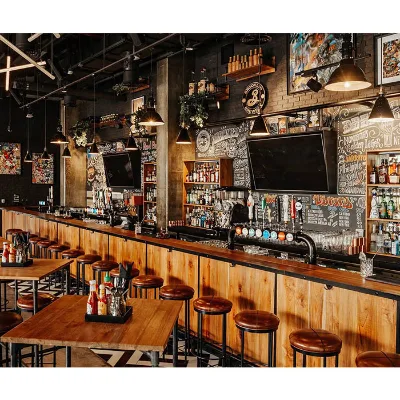


Modern Bar Furniture Grey Restaurant Bar Counter Customized Food Counter
$800.00 - $1200.00
MOQ: 1 Meters


Modern Round Nightclub Bar Counter Corian Top LED Bar Counter for Restaurant
$800.00 - $1200.00
MOQ: 1 Meters


Hotel Restaurant Bar Counter Contemporary Modern Wine Drink LED Cafe Bar Counter
$800.00 - $1100.00
MOQ: 1 Meters


LED Mini Bar Counter Furniture Hotel Residences Bar Small Size Bar Counter with Light
$799.00 - $1100.00
MOQ: 1 Meters


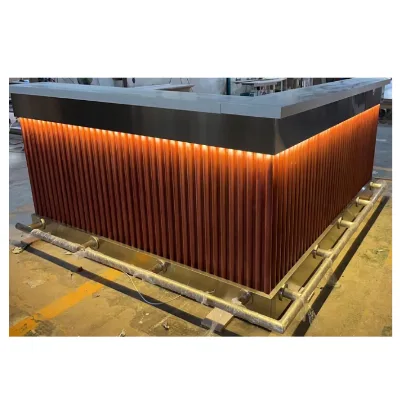
Wooden Style Hotel and Nightclub Led bar Counter with Waterproof Led Strip
$2300.00 - $4600.00
MOQ: 1 Minimum

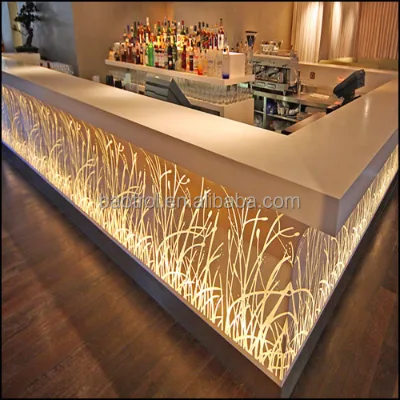
L Shape bar Top Led Light bar Counter,solid Surface Commercial bar Counters Design
$514.54 - $2058.17
MOQ: 1 Minimum


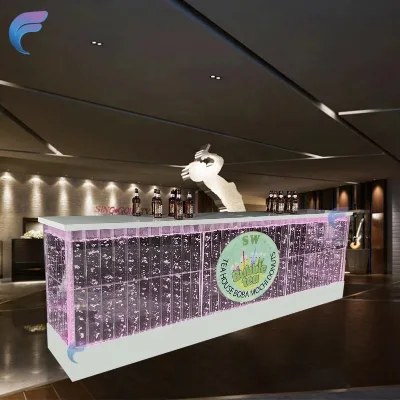
Comprehensive Sourcing Guide
Strategic Sourcing Guide for Modern LED Bar Counter Procurement
Understanding Product Variability and Core Specifications
The procurement of a Modern LED Bar Counter requires a nuanced understanding of a product category defined by high customization rather than uniform standardization. Unlike off-the-shelf furniture, these units are engineered to specific spatial and aesthetic requirements. The observed market data indicates a wide spectrum of configurations, ranging from compact units with a single piece minimum order quantity (MOQ) to large-scale commercial installations requiring bulk orders. The core product identity is consistently described as a "Modern Bar Counter" or "LED Bar Counter," often featuring integrated lighting solutions designed for venues such as clubs, restaurants, and cafes.
A critical observation in the current supply landscape is the variance in material composition. While some listings specify a combination of wood, glass, and metal, others highlight the use of acrylic alongside these traditional materials. This variation suggests that the structural integrity and visual finish of the final product depend heavily on the specific supplier's material sourcing. Buyers must verify the exact material mix for their specific order, as the presence of acrylic may alter the durability and maintenance profile compared to a solid wood or stone construction. Furthermore, the dimensions are rarely fixed. The "Custom Size Accepted" attribute is prevalent, with specific model examples showing standard lengths ranging from 2200mm to 2800mm and heights consistently around 1200mm. However, the ability to customize size is a primary selling point, meaning the buyer must provide precise floor plans to ensure the unit fits the intended venue layout.
Technical Configuration and Customization Parameters
When evaluating the technical specifications of a Modern LED Bar Counter, the focus must shift from generic descriptions to precise engineering details. The integration of LED lighting is a defining feature, often marketed as "Lighted Wine Disco Club Bar Counter" or "Indoor Bar Counter for Creperie Restaurant LED." The technical challenge lies in ensuring that the lighting system is seamlessly integrated into the counter's structure without compromising safety or aesthetics. The production models observed, such as AZBC-095, AZBC-001, and BG Carve3-Q2, indicate that manufacturers utilize distinct model numbers to denote different design iterations, likely varying in lighting patterns, structural supports, and surface finishes.
Customization extends beyond dimensions to include branding and color. The "Custom Logo" and "Custom Color" attributes confirm that suppliers are prepared to apply branding directly onto the unit, which is essential for corporate venues or branded entertainment spaces. The "Service: OEM Service & 3D Drawing" attribute highlights a critical technical step in the procurement process: the requirement for digital visualization before production begins. Buyers should expect a workflow where a 3D drawing is generated based on their specifications, serving as the blueprint for the manufacturing phase. This step is vital for verifying that the LED placement, material joints, and overall geometry meet the design intent. Additionally, the "Folded: Unfolded" attribute suggests that some units may have modular or collapsible features, which would significantly impact logistics and installation requirements.
Cost Drivers and Pricing Structure Analysis
The pricing structure for modern LED bar counters is complex and influenced by multiple variables, making it difficult to establish a single baseline cost. The observed price range in the market spans from approximately $18.53 to $4,600 USD. This extreme variance is not indicative of quality differences alone but reflects the scale of the order, the complexity of the design, and the specific materials selected. A unit priced at the lower end of the spectrum may be a smaller, simpler model with a higher MOQ, while the upper end likely represents large, custom-engineered installations with premium materials and extensive LED integration.
The Minimum Order Quantity (MOQ) is a significant cost driver. Data shows an observed MOQ range from 1 piece to 1,000 pieces. Some suppliers offer an MOQ of just 1 piece, which is advantageous for small businesses or prototype testing, while others require a minimum of 100 pieces, which is typical for large-scale commercial projects. The "30% Deposit" payment term is a standard industry practice, requiring buyers to have sufficient liquidity to initiate production. Buyers must calculate the total cost of ownership, which includes not only the unit price but also the shipping costs associated with the "Single gross weight" of 65.000 kg and the "Single package size" of 125x245x65 cm. These dimensions suggest that shipping will require specialized freight arrangements, potentially increasing the landed cost significantly compared to the base unit price.
Supplier Evaluation and Production Capabilities
Selecting the right supplier is paramount when dealing with custom furniture that involves electrical components. The supply base appears to be concentrated in Fujian, China, a region known for its manufacturing capabilities in this sector. When evaluating potential suppliers, buyers should prioritize those who explicitly offer "OEM Service & 3D Drawing." This capability indicates a mature production process capable of handling bespoke requests rather than just selling catalog items. The "Production Time" varies, with some listings citing 10 working days and others indicating 15-20 working days or "2 Weeks." This discrepancy underscores the importance of confirming the lead time for the specific order, as rush orders may incur additional costs or compromise quality.
The "Condition: New" and "Warranty: 5 Years" attributes are strong indicators of supplier confidence in their product longevity. A five-year warranty is particularly significant for LED components, which can degrade over time, and for the structural integrity of the counter. Buyers should verify the terms of this warranty, including what constitutes a valid claim and the process for replacement or repair. The "Packing: Safe Packing" and "prod_packing: Wooden Case" or "Plywood Carton" details suggest that suppliers are aware of the fragility of glass, acrylic, and integrated lighting systems. The use of a wooden case for larger units is a best practice for international shipping, ensuring that the counter arrives without damage. However, buyers must confirm that the packaging standards align with their specific shipping route and handling requirements.
Quality Control and Compliance Verification
Quality control in the manufacturing of LED bar counters must address both structural integrity and electrical safety. While the supplied data mentions "CE" as a potential certification, it is categorized as low-confidence background information. Therefore, buyers cannot assume that all listed products are CE compliant. Instead, the procurement strategy must include a mandatory verification step where the buyer requests valid certification documents for the specific batch of goods being purchased. This is critical because the integration of electrical components into a commercial setting requires adherence to local safety standards, which may differ from the manufacturer's home country regulations.
The "prod_standard: Customized" attribute implies that there is no single universal standard for these units. Consequently, the buyer must define the acceptance criteria during the design phase. This includes specifying the type of LED lights used, the color temperature, the brightness levels, and the power consumption. The "Material" list includes Acrylic, Glass, Metal, and Wood, each presenting unique quality control challenges. For instance, acrylic requires inspection for scratches and clarity, while glass must be checked for tempering and edge finishing. Metal components should be inspected for corrosion resistance and weld quality. The "Sample time: 10 Working Days" offers an opportunity for buyers to request a physical sample or a detailed prototype to verify material quality and lighting performance before committing to a full production run.
Long-Term Procurement and Operational Considerations
The long-term viability of a Modern LED Bar Counter procurement depends on the durability of the materials and the availability of replacement parts. The "Warranty: 5 Years" suggests a focus on long-term performance, but buyers should also consider the maintenance requirements of the specific materials used. A counter made of wood and glass may require different cleaning protocols and environmental controls compared to one made of acrylic and metal. The "Usage: Displaying" attribute indicates that these units are designed for high-traffic commercial environments, which necessitates robust construction to withstand constant use.
Logistics and installation are also critical long-term considerations. The "Single package size" and "Single gross weight" data highlight the logistical complexity of these items. A unit weighing 65 kg and measuring 125x245x65 cm requires careful handling during transit and potentially specialized equipment for installation. Buyers should plan for these logistical challenges in their venue design, ensuring that access routes, elevators, and loading docks can accommodate the dimensions of the packaged unit. Furthermore, the "Customization: Available" feature means that future modifications or expansions of the venue may require coordinating with the original supplier to ensure compatibility. Establishing a direct relationship with a supplier who offers 3D drawing services can facilitate future updates or repairs, ensuring that the bar counter remains a functional and aesthetic asset for the life of the business.
Comparative Analysis of Key Procurement Attributes
To facilitate decision-making, the following table summarizes the key attributes observed in the market, highlighting the variability that buyers must navigate.
| Attribute Category | Observed Range / Options | Procurement Implication |
|---|---|---|
| Material Composition | Wood, Glass, Metal, Acrylic | Verify specific mix for durability and maintenance needs. |
| Dimensions | Custom (e.g., L 2200-2800mm, H 1200mm) | Provide exact floor plans; do not assume standard sizes. |
| MOQ | 1 to 1000 pieces | Align order volume with budget and storage capacity. |
| Lead Time | 10 to 20 Working Days | Plan production schedule; confirm exact timeline per order. |
| Packaging | Wooden Case, Plywood Carton | Assess shipping costs and handling requirements. |
| Warranty | Up to 5 Years | Verify terms for LED and structural components. |
| Customization | Logo, Color, Size, 3D Drawing | Leverage OEM services for brand alignment. |
| Payment Terms | 30% Deposit | Ensure cash flow for initial production phase. |
In conclusion, sourcing a Modern LED Bar Counter is a process that demands rigorous attention to detail, from material selection to logistical planning. The market offers a diverse array of options, but the lack of standardized specifications requires buyers to be proactive in defining their requirements. By focusing on verified technical data, confirming compliance through direct communication, and selecting suppliers with robust OEM capabilities, buyers can secure high-quality units that meet the demanding standards of modern commercial venues.
FAQs
What materials are used for modern led bar counters?
Modern led bar counters typically use wood, glass, metal, and acrylic. Buyers must verify the specific material mix for each order as suppliers vary their compositions.
Can I get a custom size for my venue?
Yes, custom sizes are accepted for most Modern LED Bar Counter models. Buyers should provide precise floor plans to ensure the unit fits the intended layout.
How long does production take for these units?
Production time ranges from 10 to 20 working days depending on the supplier. Buyers must confirm the exact lead time for their specific order before committing.
What is the minimum order quantity required?
Minimum order quantities vary from 1 piece to 1000 pieces across different suppliers. Small businesses can find options with low MOQs while large projects may require bulk orders.
Do these counters come with a warranty?
Some suppliers offer a five-year warranty for structural and LED components. Buyers should verify the specific warranty terms and coverage conditions for their purchase.
Is OEM service and 3D drawing available?
OEM service and 3D drawing are available for customization needs. This allows buyers to visualize the final design before production begins.
Where are these products manufactured?
These products originate from Fujian, China. Buyers should account for shipping logistics when planning for international delivery of these large units.