Source Folding Outdoor Burger Grill for Camping, Patio, and Garden Use
Find and compare 30 Folding Outdoor Burger Grill options from verified suppliers. Evaluate features like charcoal or electric power, stainless steel construction, and portable designs suitable for camping, patio gatherings, and garden parties.
Key considerations
Products List


Premium Outdoor Folding BBQ Room Gas Grill - Fireproof and Waterproof
$1500.00 - $2500.00
MOQ: 1 Pieces


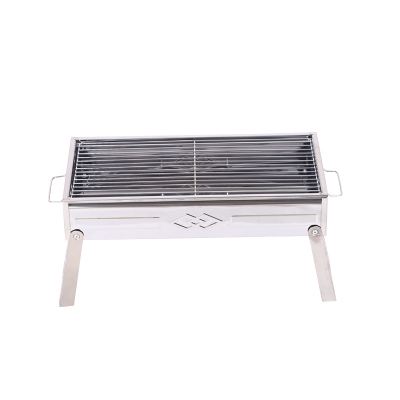


Folding Portable Stainless Steel Barbeque Grill Outdoor Charcoal BBQ Grill
$15.00 - $30.00
MOQ: 1000 Pieces


Comprehensive Sourcing Guide
Folding Outdoor Burger Grill Sourcing Guide
Sourcing folding outdoor burger grills requires a nuanced understanding of the diverse product landscape, which spans from compact charcoal units to heavy-duty electric and dual-fuel systems. Buyers must navigate a market where "folding" is a key feature for portability, yet the underlying construction materials and power sources vary significantly. The observed product range includes charcoal grills with heat-resistant coatings, electric grills with waterproof capabilities, and dual-fuel models designed for garden, camping, or patio use. This diversity means that a single specification sheet rarely applies to all potential suppliers, necessitating a rigorous verification process to align product attributes with specific operational needs.
The procurement strategy must account for the wide variance in observed minimum order quantities (MOQs) and price points, which range from $3.55 to $2,500 USD. This disparity often reflects differences in material quality, such as the use of stainless steel versus cold-rolled steel, or the inclusion of complex features like trolleys and integrated sinks. Buyers should approach this category by first defining their primary use case—whether it is high-volume commercial catering or occasional residential use—to filter out products that do not meet their durability or portability requirements. Understanding these foundational differences is critical before engaging with suppliers or requesting detailed quotations.
Product Scope and Observed Listing Signals
The product scope for folding outdoor burger grills encompasses a variety of configurations, including charcoal, electric, and dual-fuel options. Listings indicate that charcoal grills often feature folding designs and flame safety devices, making them suitable for outdoor parties and camping. Electric variants may include waterproof ratings and heavy-duty structures, often finished with power coating for enhanced durability. Dual-fuel models, such as those described as portable, offer flexibility by allowing users to switch between gas and charcoal, catering to environments where fuel availability might be inconsistent.
Observed listing signals reveal significant variation in material composition and finishing processes. Some products utilize stainless steel, specifically grade 201, while others rely on cold-rolled steel or cast iron for the grill structure. Finishing techniques range from heat-resistant coatings to power coating, with some items noted as uncoated, which may impact longevity in outdoor environments. Additionally, features such as custom colors, OEM acceptance, and specific packing methods like color boxes or containers are common, indicating that many suppliers are prepared for branded or bulk commercial orders rather than just retail sales.
Technical Specifications to Verify
When evaluating technical specifications, buyers must prioritize the structural integrity and material composition of the grill. Key attributes to verify include the metal type, such as whether the frame is constructed from stainless steel, cold-rolled steel, or cast iron, as this directly affects weight, rust resistance, and heat retention. The presence of a folding mechanism should be assessed for ease of use and stability during operation, ensuring that the design supports the weight of the grill grate and food without compromising safety. Additionally, the inclusion of accessories like grill grates and the type of pans used, such as charcoal BBQ grill pans, should be confirmed to ensure compatibility with the intended cooking method.
Power source and environmental resistance are critical technical factors that determine the grill's suitability for specific applications. For electric models, verifying waterproof ratings and the type of panel material, such as WPC (Wood-Plastic Composite), is essential for outdoor durability. For charcoal and dual-fuel models, combustion efficiency and the presence of high-temperature resistant coatings should be checked to ensure safe and efficient operation. Buyers should also confirm the physical dimensions and standard sizes, such as 31x31x15.5 cm or 60cm widths, to ensure the product fits within their designated storage or cooking space.
Compliance and Safety Documentation
Compliance with safety standards is non-negotiable for outdoor cooking equipment, particularly given the risks associated with open flames and electrical components. Buyers should request documentation for relevant certifications, which may include CCC, AGA, CE, EMC, GS, and ITS, depending on the target market and product type. These certifications indicate that the product has undergone testing for electrical safety, electromagnetic compatibility, and general product safety, providing a baseline assurance of quality and regulatory adherence. It is crucial to verify that the certifications are current and applicable to the specific model being purchased.
Safety devices and environmental resistance features also play a significant role in compliance and user protection. Products should be equipped with flame safety devices to prevent accidental fires, especially for charcoal and dual-fuel models. For electric grills, waterproof ratings and corrosion resistance, such as high-temperature paint coatings, are vital to prevent electrical hazards and extend the product's lifespan in outdoor conditions. Buyers should ensure that all safety features are clearly documented in the product specifications and that the supplier can provide test reports or compliance certificates upon request.
Cost Drivers and Commercial Terms
Cost drivers in the Folding Outdoor Burger Grill market are primarily influenced by material quality, manufacturing complexity, and customization options. Products made from stainless steel or featuring dual-fuel capabilities typically command higher prices due to the cost of raw materials and the intricacy of their construction. Customization options, such as specific colors, OEM branding, and tailored packaging, can also increase costs, as they require additional production steps and setup time. Buyers should be aware that lower-priced items may use less durable materials, such as uncoated cold-rolled steel, which could lead to higher long-term replacement costs.
Commercial terms, including MOQs and packing methods, significantly impact the total cost of ownership. Observed MOQs range from 1 to 1000 units, with some suppliers requiring a minimum of 300 units for certain models. Packing methods vary from individual color boxes to bulk container shipping, which affects logistics costs and storage requirements. Buyers should negotiate terms that align with their inventory capacity and sales volume, considering factors like FCL/40hq container loads, which can range from 8 to 12 pieces for certain large items, to optimize shipping efficiency and reduce per-unit costs.
Supplier Qualification and Quality Control
Supplier qualification is a critical step in ensuring the reliability and consistency of the products sourced. Buyers should verify the supplier's manufacturing capabilities, including their experience with folding mechanisms and material finishing processes. It is important to assess whether the supplier offers OEM services and can accommodate custom specifications, such as specific metal types or color options. Additionally, checking the supplier's production standards and quality control processes, such as inspections for coating uniformity and structural stability, can help mitigate the risk of receiving defective products.
Quality control measures should be implemented throughout the procurement process, from initial sampling to final shipment. Buyers should request pre-production samples to verify that the product meets all specified technical and safety requirements. During production, regular inspections can help identify and address any issues early, such as inconsistencies in folding mechanisms or coating defects. Post-production, final random inspections should be conducted to ensure that the products meet the agreed-upon quality standards before they are packed and shipped, reducing the likelihood of disputes or returns.
Long-Term Procurement Checks
Long-term procurement success depends on establishing a robust relationship with suppliers and maintaining consistent quality over time. Buyers should conduct periodic audits of their suppliers to ensure that they continue to meet quality and compliance standards. This includes verifying that any changes in materials or manufacturing processes are communicated and approved in advance. Additionally, monitoring supplier performance metrics, such as on-time delivery rates and defect rates, can help identify potential issues before they become significant problems.
Sustainability and environmental resistance are also important considerations for long-term procurement. Buyers should evaluate the environmental impact of the materials used, such as the recyclability of stainless steel or the durability of power-coated surfaces, to ensure that the products align with their corporate sustainability goals. Furthermore, assessing the product's ability to withstand all-weather outdoor use and its ease of cleaning can help ensure customer satisfaction and reduce warranty claims, contributing to a more sustainable and profitable procurement strategy.
FAQs
What certifications are available for folding outdoor burger grills?
Available certifications include CCC, AGA, CE, EMC, GS, and ITS. These ensure the products meet specific safety and quality standards required for international markets and regulatory compliance.
Can I customize the color and design of the grill?
Customization is available for color and design features. Buyers can request specific finishes like white or grey, and OEM services are accepted to tailor the product to brand requirements.
What is the minimum order quantity for these grills?
The minimum order quantity is typically 300 units. However, observed ranges vary from 1 to 1000 depending on the specific supplier and product model selected for the order.
Which materials are used to construct the grill body?
Grills are constructed using stainless steel, cast iron, or cold rolled steel. Specific models may use 201 stainless steel code or feature heavy-duty strength for durability.
How does the folding feature benefit outdoor storage?
The folding design allows for compact storage and portability. This structure design is ideal for garden, camping, or patio use where space is limited and easy transport is needed.
What safety devices are included with the grill?
A flame safety device is included to ensure safe operation. This feature helps prevent accidents during use, making the grill suitable for various outdoor environments and applications.
Are these grills suitable for all-weather outdoor use?
Yes, they are designed for all-weather outdoor use with high environmental resistance. Features include waterproof capabilities and high-temperature paint coating to resist rust and corrosion effectively.