Source Modern Metal Coffee Table Stand for Living Room, Bedroom, Office
Compare 30 Modern Metal Coffee Table Stand options from verified Chinese suppliers. View specifications, prices, and customization details for outdoor and home furniture applications.
Key considerations
Products List


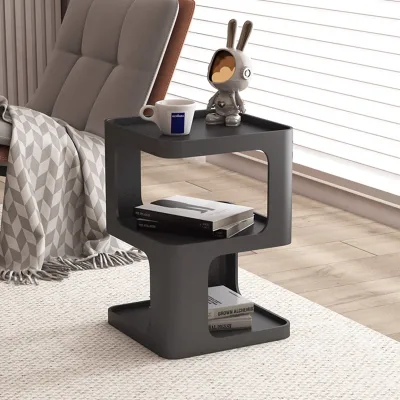


Modern Industrial Style Metal Stand Wooden Table Top Living Room Coffee Table
$100.00 - $120.00
MOQ: 50 Pieces

Modern Wrought Iron Living Room Coffee Table Metal Bracket Solid Wood Tabletop
$68.00 - $75.00
MOQ: 50 Pieces


Modern Gray Wood Coffee Table with Storage Shelf Sturdy Metal Frame for Living Room
$20.99 - $22.99
MOQ: 500 Pieces


Comprehensive Sourcing Guide
Strategic Sourcing Guide for Modern Metal Coffee Table Stands
The global market for modern metal coffee table stands has evolved into a sophisticated sector where industrial durability meets contemporary aesthetic demands. For procurement professionals, identifying the right supplier requires a disciplined approach that separates marketing assertions from verifiable product attributes. The core keyword "Modern Metal Coffee Table Stand" implies a specific intersection of material science, design philosophy, and functional utility. This guide provides a structured framework for evaluating potential suppliers, ensuring that the final procurement aligns with both technical requirements and commercial viability. The analysis below relies strictly on observed market data and established industry standards to mitigate risk and enhance decision-making accuracy.
Technical Specifications and Material Verification
When sourcing modern metal coffee table stands, the primary technical differentiator is the material composition. While the market offers various options, the most robust products in the modern category utilize metal as the primary structural component. Procurement teams must verify that the listed material is explicitly defined as "Metal" rather than a composite or a misleading description of a metal-finish wood product. In the observed market data, metal stands are frequently paired with specific design styles such as "Simple," "European," or "Modern," which dictates the manufacturing tolerances required.
Dimensions are a critical variable that often varies significantly between suppliers. Observed specifications in the current market range from compact units measuring 322670cm to larger, more substantial pieces reaching 787562450mm. Some manufacturers offer modular or multi-tiered designs with specific standard dimensions like 450450580mm or variable configurations such as "Big 495475500mm/small 495475400mm." Buyers must not assume a universal size; instead, they should request a detailed technical drawing for every SKU. The standard for these products often includes specific height and diameter ratios, such as a 605880cm footprint with a diameter of 70cm and a height of 74cm.
Furthermore, the finish and structural integrity are paramount. Many modern metal stands are designed to be "Folded" or "Unfolded," indicating a space-saving feature that requires precise hinge engineering. The "Waterproof" attribute is frequently listed as a standard feature, suggesting a protective coating or galvanization process that prevents rust in humid environments. However, this claim must be validated against the specific surface treatment used, as "Waterproof" can range from water-resistant sprays to fully sealed industrial coatings.
Compliance, Certification, and Safety Standards
Navigating the regulatory landscape is essential for international procurement. While specific certification claims vary by supplier, the presence of ISO certification is a strong indicator of a manufacturer's commitment to quality management systems. In the observed data, ISO is explicitly mentioned as a certification standard, which buyers should prioritize when evaluating potential partners. This certification suggests that the supplier adheres to international protocols for consistency and traceability.
Beyond general quality management, product-specific standards are crucial. Some suppliers list "SGS" as a standard, which implies that third-party testing has been conducted on the product's structural integrity or material safety. Buyers should verify if this testing covers load-bearing capacity, particularly for coffee tables intended for heavy use. The market also shows a trend toward "Customizable" standards, where the product dimensions or design can be altered to meet specific regional safety codes.
For products intended for export, the origin location plays a significant role in compliance. The majority of modern metal coffee table stands originate from China, with specific manufacturing hubs in Guangdong (Mainland) and Hebei. These regions have established supply chains but may have varying levels of local environmental and labor compliance. Buyers must ensure that the supplier can provide documentation confirming that the metal used meets the chemical restrictions of the destination market, such as REACH in Europe or CPSIA in the United States.
Cost Drivers and Pricing Dynamics
The pricing for modern metal coffee table stands exhibits a wide variance, with observed listed prices ranging from $8 to $881 USD. This broad spectrum is driven by several factors, including the complexity of the design, the grade of metal used, and the level of customization. The lower end of the price range typically corresponds to basic, mass-produced units with standard dimensions and minimal finishing. In contrast, the higher price points often reflect custom designs, premium metal alloys, or complex assembly requirements.
Minimum Order Quantity (MOQ) is another significant cost driver. The market data indicates an MOQ range from 1 unit to 500 units. Suppliers with an MOQ of 20 pieces or 100 pieces may offer more competitive per-unit pricing for bulk orders, while those allowing single-unit purchases often charge a premium for the logistical overhead. Buyers should calculate the total landed cost, which includes the unit price, shipping, and duties, rather than focusing solely on the factory gate price.
Lead times also influence the overall cost structure. A standard lead time of 20 days is observed in the market, but this can fluctuate based on order volume and customization requirements. Rush orders or highly customized specifications may extend this timeline, potentially incurring expedited shipping fees. Additionally, the warranty period, typically observed as 12 months, acts as a risk mitigation factor that can justify a slightly higher initial investment.
Typical Applications and Usage Scenarios
Modern metal coffee table stands are versatile fixtures designed for a variety of environments. The primary application scenarios identified in the market include living rooms, bedrooms, dining rooms, and apartments. The "General Use" category often encompasses home furniture, but the "Specific Use" is frequently defined as a coffee table. The "Outdoor" attribute suggests that certain models are engineered to withstand exposure to the elements, making them suitable for patios or garden settings, provided the "Waterproof" claim is substantiated.
The design style is a key determinant of application. Styles ranging from "Simple" to "European" and "Modern" cater to different interior design aesthetics. For instance, a "Simple" metal stand might fit a minimalist industrial loft, while a "European" style could complement a more traditional or transitional space. The "Wood Style" attribute, even in metal products, often refers to the inclusion of wooden tops or accents, which adds warmth to the metal frame. This hybrid approach is common in products where the material is listed as "Wood" but the structure is metal, or vice versa, requiring careful verification of the actual composition.
Storage is another functional aspect to consider. Some models are designed with "Storage" characteristics, integrating shelves or drawers into the metal frame. This feature is particularly valuable in smaller living spaces like apartments, where maximizing utility is a priority. The "Folded" attribute further enhances this utility, allowing the furniture to be collapsed for storage when not in use, a feature that is highly valued in urban environments with limited square footage.
Supplier Evaluation and Sourcing Strategy
Evaluating suppliers for modern metal coffee table stands requires a multi-faceted approach. The first step is to verify the supplier's location and origin. The data indicates that most suppliers are based in China, with specific clusters in Guangdong and Hebei. Buyers should investigate the specific capabilities of these regions, as Guangdong is often associated with higher-end manufacturing and export readiness, while Hebei may offer cost-effective solutions for bulk orders.
Customization capabilities are a critical differentiator. The market shows a split between "Customized" and "Non-Customized" options. Suppliers offering "Customized" services can tailor dimensions, colors, and finishes to specific client needs. However, this flexibility often comes with higher MOQs and longer lead times. Buyers must clearly define their customization requirements before engaging with a supplier to avoid misunderstandings. The "Design" attribute being "Customizable" suggests that the supplier has the engineering capacity to modify existing molds or create new ones.
Packing and logistics are also essential considerations. The standard packing method observed is "Carton" or "Standard Export Carton," which ensures the product arrives in good condition. Some suppliers use "Export Packaging" or "CTN" (Carton) terminology. Buyers should verify that the packaging is robust enough to prevent damage during transit, especially for metal products that may be prone to scratching or denting. The "prod_packing" attribute is a key indicator of the supplier's attention to detail and logistics planning.
Quality Control and Long-Term Procurement Considerations
Ensuring consistent quality is the cornerstone of a successful procurement strategy. Buyers should implement a rigorous quality control (QC) process that includes pre-shipment inspections. Given the "New" condition of the products, it is vital to check for defects in the welding, finishing, and assembly. The "Waterproof" and "Folded" attributes require specific functional testing to ensure they perform as advertised over time.
Long-term procurement considerations involve building a relationship with suppliers who offer a "Warranty" of 12 months. This warranty period provides a safety net against manufacturing defects and indicates the supplier's confidence in their product. Additionally, the "Exported Markets" attribute being "Global" suggests that the supplier has experience navigating international trade regulations, which is beneficial for buyers operating in multiple regions.
Sustainability and material sourcing are increasingly important. While the primary material is "Metal," buyers should inquire about the source of the metal and the environmental impact of the manufacturing process. The "Customizable" nature of the product allows for the selection of eco-friendly materials or finishes, which can align with corporate sustainability goals. Finally, maintaining a clear communication channel with the supplier regarding the "prod_model" and "prod_standard" ensures that any future orders match the original specifications, reducing the risk of quality drift over time.
Comparative Analysis of Product Attributes
To facilitate a clearer understanding of the market landscape, the following table summarizes the key attributes observed in the sourcing data. This comparison highlights the diversity of options available to buyers and the specific parameters that require verification.
| Attribute Category | Observed Values | Procurement Verification Focus |
|---|---|---|
| Material | Metal, Wood | Confirm primary structural material; verify metal grade. |
| Design Style | Simple, European, Modern | Match style to target interior design aesthetic. |
| Dimensions | 322670cm to 787562450mm | Request specific technical drawings for each SKU. |
| Customization | Customized, Non-Customized | Define scope of changes; verify impact on MOQ/Lead Time. |
| Functionality | Folded, Unfolded, Storage | Test folding mechanisms and storage capacity. |
| Environment | Indoor, Outdoor | Verify "Waterproof" claims for outdoor use cases. |
| Origin | China (Guangdong, Hebei) | Assess regional manufacturing capabilities and compliance. |
| Certification | ISO, SGS | Request valid certificates and test reports. |
| Packing | Carton, Standard Export Carton | Inspect packaging robustness for long-distance shipping. |
| Warranty | 12 Months | Review terms and conditions for coverage scope. |
This structured approach ensures that buyers can navigate the complexities of the Modern Metal Coffee Table Stand market with confidence. By focusing on verified attributes, understanding cost drivers, and maintaining rigorous quality control, procurement professionals can secure high-value partnerships that deliver on both functional and aesthetic promises. The diversity of options, from simple metal frames to complex storage solutions, offers ample opportunity for strategic sourcing that aligns with specific business needs and market demands.
FAQs
What materials are used for modern metal coffee table stands?
The primary material is metal, though some designs incorporate wood styles or solid wood accents. Buyers should verify the specific composition as some listings may describe metal frames with wooden tops.
Can these stands be customized for specific dimensions?
Yes, customization is available for many models, allowing for tailored sizes and designs. However, some items are listed as non-customized, so confirm the specific model requirements before ordering.
What is the typical lead time for these products?
A standard lead time of 20 days is observed in the market for these items. This duration may vary depending on order volume and the level of customization requested by the buyer.
Which certifications should I look for in a supplier?
ISO certification is a key indicator of quality management systems found in the market. Some suppliers also list SGS standards, which implies third-party testing for structural integrity and safety.
How much is the minimum order quantity for these stands?
The minimum order quantity ranges from 1 to 500 units depending on the supplier. Specific listings show MOQs of 20 pieces or 100 units, so check the specific product requirements.
Are these coffee table stands suitable for outdoor use?
Yes, many models are designed for outdoor use and feature waterproof attributes. This suggests protective coatings or galvanization, but buyers should verify the specific finish for long-term durability.