Source Microfiber Bathroom Floor Mat for Home Hotel Gift
Find 30 listings for the Microfiber Bathroom Floor Mat with features like eco-friendly design and custom options. Buyers can compare specifications including size, material, and backing to suit home, hotel, or gift applications.
Key considerations
Products List
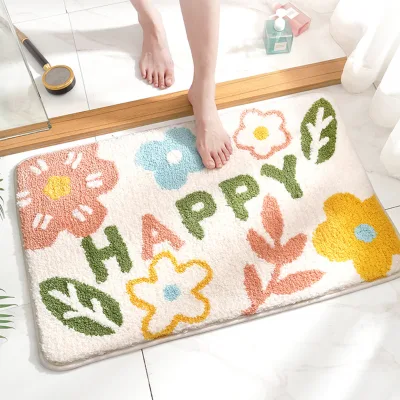


Leaf Shaped Microfiber Water Absorbent Bath Mat Bedroom Non Slip Floor Mat
$4.20 - $4.90
MOQ: 100 Pieces


High Quality Feather Microfiber Anti-Slip Floor Mats/Bathroom Mat for Home Use
$0.60 - $1.00
MOQ: 6000 Pieces


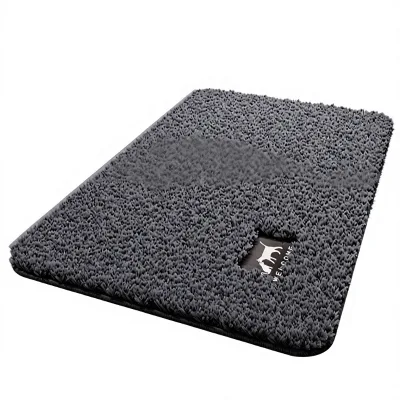


Tufted Carpet Mats Bath Rug Shower Floor Washable Anti Skid Polyester Bathroom Mats
$5.87 - $6.34
MOQ: 200 Square Meters


Comprehensive Sourcing Guide
Strategic Sourcing Guide for Microfiber Bathroom Floor Mats
Understanding Product Specifications and Material Composition
When sourcing microfiber bathroom floor mats, buyers must first establish a clear understanding of the technical specifications that define product quality and functionality. The core material for these mats is typically superfine fiber, often referred to simply as microfiber. This material is selected for its high absorbency and softness, which are critical for bathroom environments where water management and user comfort are paramount. The surface material is consistently described as superfine fiber, while the backing material often utilizes 100% TPR (Thermoplastic Rubber) or latex. This backing is essential for preventing slippage on wet tile or stone surfaces, a key safety feature for bathroom flooring.
The physical dimensions of the mat vary significantly based on customization needs. Standard specifications observed in the market include sizes such as 400mm x 600mm and 500mm x 600mm, with other common standards listed as 43cm x 61cm or 43cm x 73cm. The thickness of the product is a critical metric for durability and comfort; observed data indicates a thickness of approximately 18mm. The weight of the product is equally important, with specific listings noting a weight of 1900gsm (grams per square meter), which suggests a dense, plush pile that retains water effectively. The shape is predominantly rectangular, aligning with standard bathroom layouts.
Manufacturing techniques play a significant role in the final product's integrity. The primary technique observed is machine-made, ensuring consistency in pile height and density. The craft is described as woven, which contributes to the structural stability of the mat. While some listings mention a "classic" or "modern" design style, the pattern can range from solid colors to printed designs. Buyers should note that while "solid" is a common pattern, "printed" and "plain design" options are also available. The hardness of the mat is consistently described as soft, providing a comfortable underfoot experience.
| Specification Category | Observed Attributes | Sourcing Verification Point |
|---|---|---|
| Surface Material | Superfine fiber, Microfiber | Verify fiber denier and density for absorbency. |
| Backing Material | 100% TPR, Latex | Confirm non-slip properties and adhesive durability. |
| Dimensions | 400x600mm, 500x800mm, 43x61cm | Confirm exact cut sizes against custom requirements. |
| Thickness | 18mm | Measure pile height to ensure comfort standards. |
| Weight | 1900gsm | Check GSM to assess material density and longevity. |
| Shape | Rectangle, Rectangular | Ensure shape matches intended floor space. |
| Technics | Machine Made, Woven | Verify production method for consistency. |
Compliance, Certification, and Safety Standards
In the B2B procurement of bathroom textiles, compliance with safety and environmental standards is a non-negotiable aspect of supplier evaluation. While specific certification statuses like GOTS (Global Organic Textile Standard) or Oeko-TEX are mentioned in background contexts, buyers must treat these as potential verification points rather than guaranteed attributes of every listed product. The presence of "Eco-Friendly" as a product feature suggests that many suppliers prioritize sustainable materials, but this claim requires independent validation.
Buyers should request specific test reports to verify that the microfiber and backing materials meet international safety standards for chemical content. The backing material, often containing latex or TPR, must be free from harmful substances that could off-gas or cause allergic reactions in sensitive environments like hotels or homes. The "Eco-Friendly" designation should be backed by documentation proving the absence of hazardous chemicals, such as formaldehyde or heavy metals, which are common concerns in textile manufacturing.
Furthermore, the origin of the product is a critical factor in compliance. The primary place of origin for these products is Guangdong, China. While this region is a major hub for textile manufacturing, buyers must ensure that the specific factory adheres to local and international labor and environmental regulations. The "Stocked" status of some items indicates immediate availability, but custom orders may involve different compliance timelines. Buyers should verify that the supplier can provide a Certificate of Analysis (CoA) for the microfiber and a Certificate of Compliance (CoC) for the backing materials to ensure they meet the destination market's regulatory requirements.
Cost Drivers and Pricing Dynamics
The pricing of microfiber bathroom floor mats is influenced by a complex interplay of factors, including material costs, customization levels, and order volume. The observed price range in the market spans from $0.20 to $8.13 USD per unit. This wide variance is primarily driven by the level of customization and the specific material specifications chosen. Basic, solid-color mats with standard dimensions and minimal branding will fall toward the lower end of this spectrum. Conversely, mats featuring custom colors, embroidered logos, woven labels, and complex printed designs will command higher prices.
The Minimum Order Quantity (MOQ) is another significant cost driver. The observed MOQ range varies from 2 pieces to 6,000 pieces. For buyers testing the market or requiring small batches for specific hotel rooms, a low MOQ of 2 pieces allows for flexibility, though the unit cost may be higher. Large-scale procurement, such as for a hotel chain or a retail distributor, can leverage higher MOQs to negotiate better pricing. The "Selling Units" are typically listed as single items, but bulk pricing structures are often available for orders exceeding standard thresholds.
Additional cost factors include the packaging method. Options range from simple OPP bags to more robust Zip PE bags combined with carton packaging. The choice of packaging affects the final landed cost, especially for international shipping. Customization features such as "Your Design" or "Customized Style" add to the production complexity and cost. Buyers must balance the desire for unique branding with the budget constraints of the project. The weight of the product, at 1900gsm, also impacts shipping costs, as heavier mats incur higher freight charges. Therefore, optimizing the balance between weight, size, and packaging is essential for cost-effective procurement.
Typical Applications and Usage Scenarios
Microfiber bathroom floor mats are versatile products designed for a wide range of applications, primarily in residential and commercial settings. The primary usage categories identified are "Home" and "Hotel." In residential settings, these mats are valued for their ability to absorb water quickly, keeping bathroom floors dry and reducing the risk of slips. The softness and absorbency of the 1900gsm microfiber make them ideal for family bathrooms where comfort is a priority.
In the commercial sector, particularly in hotels, the requirements for these mats are more stringent. The mats must withstand frequent washing and heavy foot traffic while maintaining their appearance and functionality. The "Eco-Friendly" feature is increasingly important in the hospitality industry, as many hotel chains are adopting sustainability initiatives. The ability to customize the mat with the hotel's logo via embroidery or woven labels allows for brand reinforcement. The "All" season designation indicates that these mats are suitable for year-round use, regardless of climate conditions.
Beyond homes and hotels, the product is also applicable for gifting purposes. The "Gift" application suggests that these mats are packaged and designed to appeal to consumers looking for high-quality home accessories. The availability of custom colors and designs makes them suitable for corporate gifts or promotional items. The "Disposable" feature listed in some contexts may refer to specific single-use variants or be a misclassification for washable mats; buyers should clarify this with suppliers to ensure the product meets the intended durability expectations. The rectangular shape and standard sizes make them easy to integrate into existing bathroom layouts, ensuring they fit under sinks or next to showers without obstruction.
Supplier Evaluation and Production Capabilities
Evaluating suppliers for microfiber bathroom floor mats requires a thorough assessment of their production capabilities and quality control systems. The primary place of origin is Guangdong, China, a region known for its extensive textile manufacturing infrastructure. Buyers should verify that the supplier has the capacity for "Machine Made" production, which ensures consistency in the woven craft and pile density. The ability to offer "Customized Style" and "Your Design" options indicates a flexible manufacturing process capable of handling bespoke orders.
Key evaluation criteria include the supplier's ability to manage the full production cycle, from material sourcing to final packaging. The supplier should demonstrate proficiency in handling the "100% TPR/Latex" backing, ensuring that the adhesive application is even and the non-slip properties are consistent across the batch. The "Single package size" of 48x15x15 cm and the "Single gross weight" of 1.500 kg are important metrics for logistics planning. Buyers should confirm that the supplier can maintain these specifications consistently, especially for custom orders where dimensions might vary.
The "Customization" availability is a critical factor for buyers seeking branded products. Suppliers should offer options for "Embroidered Logo" and "Woven Label" integration, as well as "Washing Label" inclusion. The ability to produce "Custom Color" mats allows buyers to match specific brand guidelines or interior design schemes. However, buyers must be cautious of "Design" claims that may not be fully realized without a detailed brief. The "Craft" of weaving should be verified to ensure the mat is durable and does not shed fibers excessively.
| Evaluation Criterion | Supplier Capability Indicator | Verification Method |
|---|---|---|
| Production Method | Machine Made, Woven | Request production facility photos or video. |
| Customization | Logo, Color, Size, Design | Review sample gallery for similar custom work. |
| Material Quality | Superfine fiber, TPR/Latex | Request material certificates and lab test results. |
| Packaging | OPP Bag, Zip PE Bag, Carton | Inspect packaging samples for durability. |
| Origin | Guangdong, China | Verify business license and factory address. |
Quality Control and Long-Term Procurement Considerations
Implementing a robust quality control (QC) strategy is essential for maintaining product integrity in the long term. Given the observed weight of 1900gsm and thickness of 18mm, buyers should establish clear acceptance criteria for these physical attributes. Variations in these metrics can significantly affect the mat's performance and perceived quality. QC checks should include visual inspections for pattern consistency, color accuracy, and the absence of defects in the weaving. The backing material must be tested for adhesion strength to ensure it does not peel or separate from the microfiber surface after repeated use and washing.
Long-term procurement considerations involve building a sustainable relationship with suppliers who can deliver consistent quality over time. The "Stocked" status of some items suggests that suppliers may have inventory for immediate shipment, but custom orders require lead time management. Buyers should negotiate clear lead times and ensure the supplier has the capacity to scale production if demand increases. The "All" season attribute implies that the product should not degrade or lose its properties due to seasonal changes, but buyers should verify the durability of the materials under different humidity and temperature conditions.
Sustainability is another long-term consideration. The "Eco-Friendly" feature should be a core part of the procurement strategy, with buyers requesting documentation on the environmental impact of the manufacturing process. The use of "100% TPR/Latex" backing should be evaluated for recyclability and end-of-life disposal options. By prioritizing suppliers who adhere to strict quality and environmental standards, buyers can ensure that their microfiber bathroom floor mats remain a reliable and responsible choice for their customers or end-users. Regular audits and sample testing should be part of the ongoing procurement process to maintain high standards and mitigate risks associated with supply chain disruptions.
FAQs
What material is used for the surface of the mat?
The surface material is superfine fiber, often referred to as microfiber. This material is selected for its high absorbency and softness, making it ideal for bathroom environments where water management and user comfort are critical.
Can the product be customized with a specific design?
Yes, customization is available for design, color, and logo. Buyers can request custom colors, embroidered logos, woven labels, and specific dimensions like 400mm by 600mm to match their branding or interior requirements.
What is the minimum order quantity for this product?
The minimum order quantity is 20 pieces for standard orders. However, the observed market range allows for orders as low as 2 pieces or as high as 6000 pieces depending on the specific supplier and customization level.
Where is the product manufactured and what is the origin?
The place of origin is Guangdong, China. This region is a major hub for textile manufacturing, and buyers should verify that the specific factory adheres to local and international labor and environmental regulations.
What are the standard dimensions and thickness of the mat?
Standard specifications include sizes such as 400mm by 600mm and 500mm by 800mm with a thickness of 18mm. The shape is predominantly rectangular, and the weight is typically 1900gsm for dense, plush performance.
How is the backing material constructed to prevent slipping?
The backing material consists of 100% TPR or latex to ensure non-slip properties. This backing is essential for preventing slippage on wet tile or stone surfaces, providing a key safety feature for bathroom flooring.