Source Modern Office Chair Mechanism for Home, Gaming, and Office
Find a Modern Office Chair Mechanism from 30 verified listings. Compare metal construction, tilting controls, and lever types for home office, gaming, and commercial building applications. Review specifications like ISO 9001 and BIFMA certifications to select the right part; compare the available evidence and request quotations based on your requirements.
Key considerations
Products List


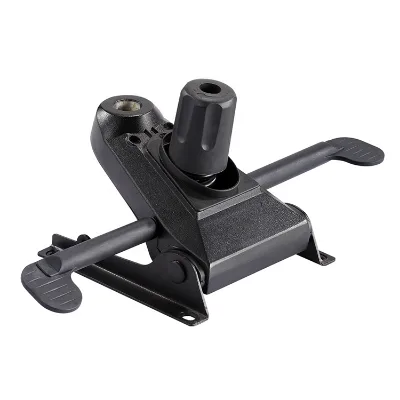


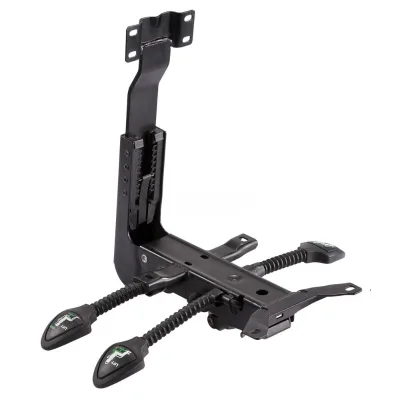
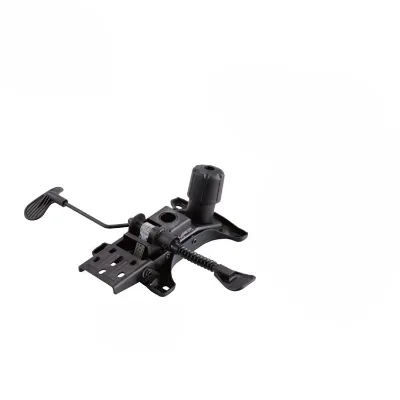
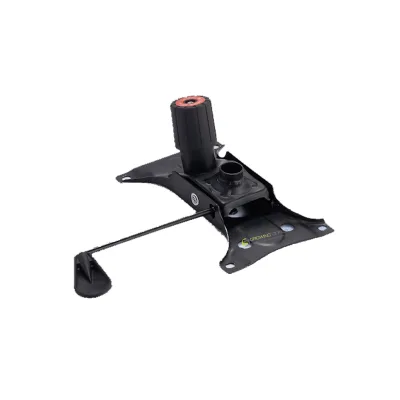
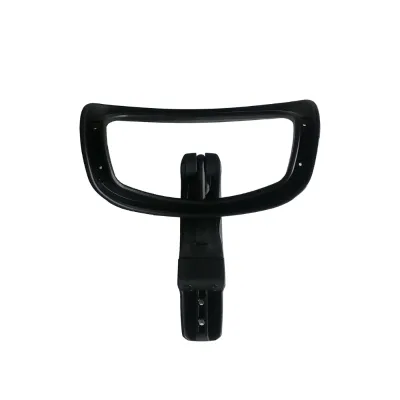
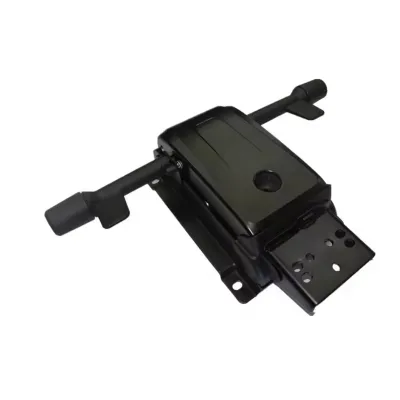


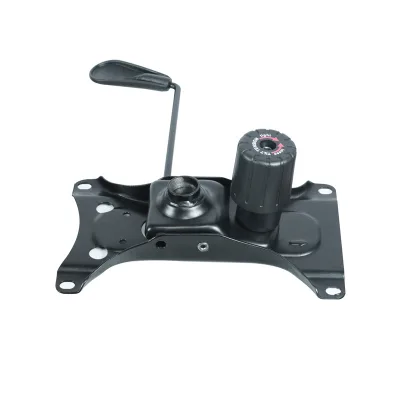


Simple One Level Handle No Bend Office Chair Parts Metal Tilting Mechanism
$3.56 - $4.38
MOQ: 30 Pieces
Comprehensive Sourcing Guide
Modern Office Chair Mechanism Sourcing Guide
Sourcing a Modern Office Chair Mechanism requires a disciplined approach to balancing ergonomic functionality with structural durability. Buyers must recognize that these components are the critical pivot points for seat height, tilt tension, and lumbar support, directly influencing user comfort and product longevity. The market offers a variety of configurations, from basic one-lever controls to advanced multi-function systems, each serving distinct ergonomic needs. Understanding the specific mechanical requirements of your final chair design is the first step in selecting the right supplier and component type.
Procurement teams should evaluate mechanisms based on their intended application, whether for mesh chairs, gaming seats, or traditional office furniture. The observed market includes options with varying degrees of customization, such as adjustable heights and fixed or rotary bases. It is essential to align the mechanism’s capabilities with the chair’s frame and cushioning to ensure seamless integration. By focusing on these functional attributes, buyers can avoid mismatches that lead to assembly issues or premature wear in the finished product.
Product Scope and Observed Listing Signals
The current market landscape for chair mechanisms reveals a diverse range of product models, including identifiers like MC-02, MC-14, and MC-01A, alongside generic designations such as A#. These models often feature black finishes and are constructed primarily from metal or iron materials, providing the necessary strength for daily use. Listings indicate that these components are typically new and designed for specific chair types, including home office and commercial office building environments. The presence of brands like Dandelion suggests that some suppliers offer branded solutions, while others provide generic OEM parts.
Observed listing signals highlight significant variation in packaging and logistics details. Some products are packed in standard export cartons with quantities ranging from four to twelve pieces per carton, while others specify detailed carton dimensions and weights. For instance, certain listings note gross weights around fourteen to twenty-one kilograms per carton, indicating the density of the metal components. These logistical details are crucial for calculating freight costs and warehouse storage requirements. Buyers must carefully review these packing specifications to ensure they align with their supply chain capabilities and inventory management strategies.
Technical Specifications to Verify
Verifying technical specifications is paramount to ensuring the mechanism fits your chair’s frame and meets ergonomic standards. Key dimensions to confirm include the base plate size, which may vary from approximately 158x60x200mm to larger square formats like 195x195mm or 242x242mm. The mechanism type, such as a one-lever control or a butterfly mechanism with tilting functions, must match the desired user interaction. Additionally, features like height adjustability and rotary capabilities should be explicitly confirmed, as some models are fixed while others offer dynamic movement.
Weight and material composition are also critical technical factors. Mechanisms are typically made of iron or metal, with net weights per piece often cited around 1.67 kilograms. However, these figures can vary based on the model and additional features like gas lift compatibility or tilt tension controls. Buyers should request detailed engineering drawings or CAD files to verify hole patterns and mounting points. Ensuring that the mechanism’s physical dimensions and material properties align with your chair’s design specifications will prevent costly rework and assembly delays during production.
Compliance and Safety Documentation
Compliance with international safety and quality standards is non-negotiable for office furniture components. Many suppliers claim certifications such as ISO 9001, BIFMA, and SGS, which indicate adherence to quality management systems and product safety benchmarks. BIFMA certification, in particular, is a widely recognized standard for office furniture durability and safety in North America. Buyers must verify the validity of these certificates and ensure they cover the specific mechanism model being procured, as certifications may not always apply to every product variant.
Beyond certifications, documentation should include material safety data sheets and test reports for fatigue and load-bearing capacity. These documents provide evidence that the mechanism can withstand the expected usage cycles without failure. Buyers should also inquire about the origin of the components, with many listings indicating production in Guangdong, China. Understanding the supply chain’s transparency and the supplier’s commitment to regulatory compliance helps mitigate risks associated with product liability and ensures that the final chair meets global market requirements.
Cost Drivers and Commercial Terms
Cost drivers for chair mechanisms include material prices, manufacturing complexity, and order volume. Metal components are subject to fluctuating raw material costs, which can impact the final unit price. The observed price range in the market spans from approximately 1.3 to 50 USD, reflecting differences in quality, features, and brand positioning. Minimum order quantities (MOQs) also vary significantly, ranging from twenty pieces to one hundred pieces or more, influencing the initial investment required for a production run.
Commercial terms such as payment methods, lead times, and shipping arrangements play a crucial role in the total cost of ownership. Suppliers often offer OEM/ODM services, which may incur additional tooling or design fees. Packaging details, such as the use of five-layer export cartons, can affect shipping efficiency and damage rates. Buyers should negotiate clear terms regarding warranty periods, typically three years for these components, and clarify responsibilities for defective items. Understanding these commercial nuances allows for more accurate budgeting and risk management.
Supplier Qualification and Quality Control
Qualifying suppliers requires a thorough assessment of their manufacturing capabilities and quality control processes. Buyers should verify the supplier’s production capacity, with some claiming supply abilities of up to 80,000 pieces per week. This capacity ensures that the supplier can meet large orders without compromising quality or delivery schedules. Additionally, suppliers should have robust quality assurance protocols in place, including incoming material inspections and final product testing.
Quality control measures should also encompass packaging integrity and labeling accuracy. Proper packaging, such as standard export cartons with protective inserts, prevents damage during transit. Buyers should request samples to evaluate the mechanism’s smoothness, durability, and finish quality before placing bulk orders. Establishing a clear communication channel with the supplier for addressing defects or discrepancies is essential. A reliable supplier will provide transparent feedback and support throughout the procurement process, ensuring a smooth partnership.
Long-Term Procurement Checks
Long-term procurement success depends on continuous monitoring of supplier performance and product reliability. Buyers should track key performance indicators such as on-time delivery rates, defect rates, and responsiveness to issues. Regular audits of the supplier’s quality management systems can help identify potential problems before they impact production. Maintaining a diverse supplier base can also mitigate risks associated with single-source dependencies, ensuring continuity in case of supply chain disruptions.
Furthermore, staying informed about industry trends and technological advancements in chair mechanisms is crucial for maintaining a competitive edge. As ergonomic standards evolve, suppliers may introduce new features or materials that enhance user comfort and durability. Buyers should engage in ongoing dialogue with suppliers to explore innovation opportunities and discuss potential improvements. By fostering strong, collaborative relationships, buyers can secure a steady supply of high-quality mechanisms that meet the evolving needs of their customers and market demands.
FAQs
What certifications do the chair mechanisms hold?
The mechanisms hold ISO 9001, BIFMA, and SGS certifications. These standards ensure quality and safety for office use. Buyers can verify these documents before placing orders to confirm compliance with international safety requirements for commercial furniture.
Which customization options are available for buyers?
Customization is available for most models including color and design adjustments. Some items accept OEM and ODM requests. Buyers should confirm specific requirements with the supplier to ensure the final product meets their unique branding and functional needs.
How is the product packed for international shipping?
Products are packed in standard export cartons with varying quantities per box. Some models use five-layer cartons while others use four pieces per carton. This packaging protects the metal mechanisms during transit and ensures safe delivery to global destinations.
What is the minimum order quantity for these mechanisms?
The minimum order quantity varies between 20 and 100 pieces depending on the specific model. Buyers must check the exact MOQ for their selected item before confirming the order. This ensures the supplier can process the request efficiently.
Can the chair mechanism height be adjusted?
Yes, the mechanism features an adjustable height function for ergonomic comfort. It includes a one-lever control system for easy operation. This allows users to customize their seating position quickly while maintaining stability during daily office activities.
What is the warranty period for the mechanism?
The product comes with a three-year warranty covering manufacturing defects. This coverage applies to the metal construction and functional parts. Buyers should retain proof of purchase to validate warranty claims if any issues arise during the coverage period.
Which materials are used to construct the mechanism?
The mechanism is constructed from durable iron and metal materials. This ensures long-term stability and resistance to wear. The robust build quality supports heavy usage in home offices and commercial buildings without compromising performance or safety standards.