Source Modern Metal Sofa Chair Leg for Furniture Projects
Find 30 options for the Modern Metal Sofa Chair Leg, featuring materials like iron, brass, and stainless steel. Compare sizes from 10cm to 150mm and colors including gold, black, and chrome. These legs support sofas, cabinets, beds, and chairs with customizable OEM and ODM services available.
Updated
Key considerations
Products List


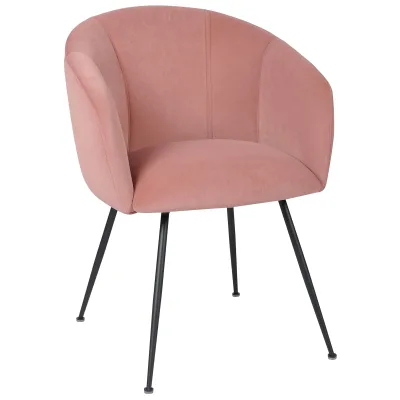


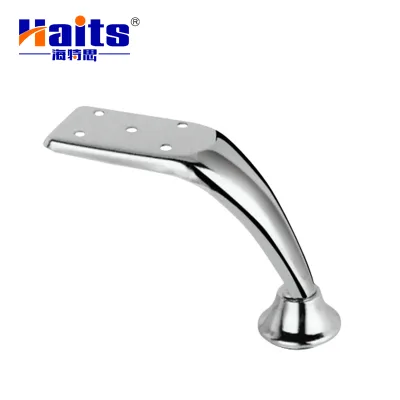
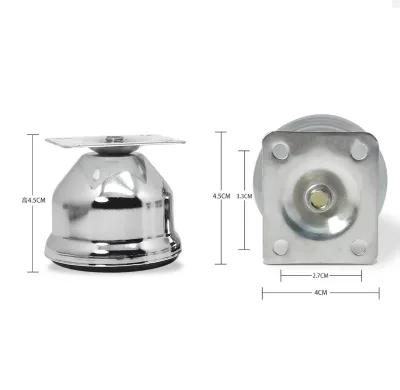
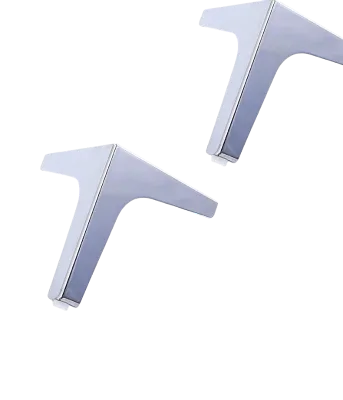
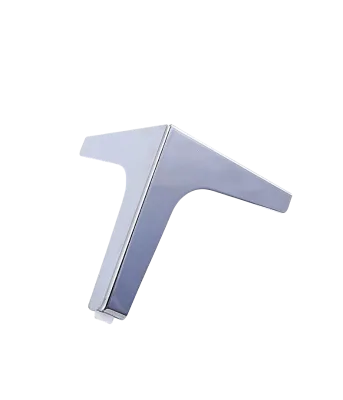
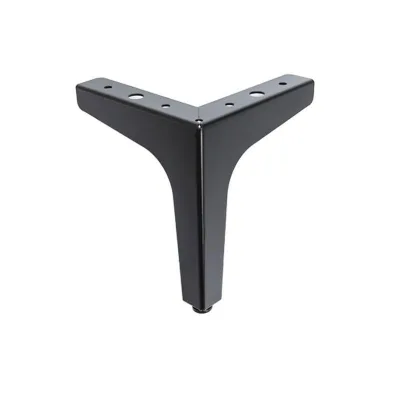
Furniture Feet Metal Chrome Furniture Legs Metal Modern Sofa Leg for Sofa
$0.09 - $0.15
MOQ: 10 pieces

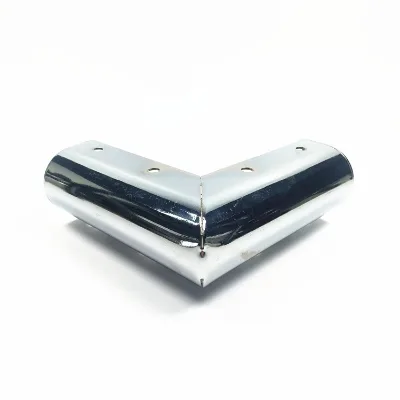


Comprehensive Sourcing Guide
Modern Metal Sofa Chair Leg Sourcing Guide
Sourcing modern metal sofa and chair legs requires a disciplined approach to balancing aesthetic precision with structural integrity. Buyers must navigate a market where customization is standard, yet quality varies significantly across suppliers. The core keyword highlights a specific niche where design flexibility meets functional durability, demanding careful evaluation of material grades and finish consistency. This guide provides evidence-based procurement strategies to help buyers identify reliable partners and avoid common pitfalls in international sourcing.
The following sections detail the critical verification steps, from technical specifications to commercial terms. By focusing on observable listing signals and mandatory compliance checks, procurement teams can build a robust supplier base. This structured approach ensures that every ordered component meets the exact design requirements of the final furniture assembly, reducing waste and improving production efficiency.
Product Scope and Observed Listing Signals
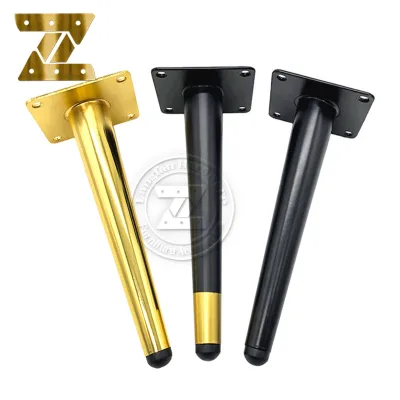
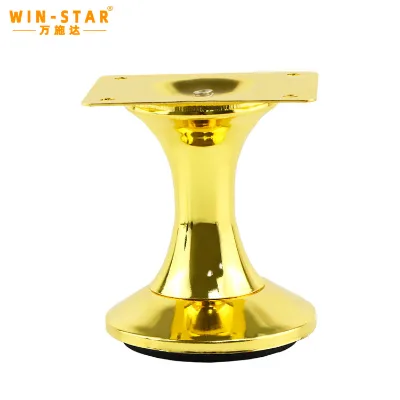
The observed product landscape reveals a wide range of metal furniture legs, primarily constructed from iron, brass, stainless steel, or customizable raw materials. Listings frequently indicate a modern design style, with finishes including gold, black, chrome, and silver options. Buyers should note that customization is widely available, allowing for specific size adjustments such as 10, 12, or 15 cm lengths, or fully customized dimensions. This flexibility supports diverse furniture applications, including sofas, tables, cabinets, beds, and chairs, ensuring the legs integrate seamlessly into various interior designs.
Observed listing signals also highlight significant variations in packaging and model identifiers. Some suppliers offer standard packing like 1PCS/PP or 50PCS/CTN, while others provide free samples to verify quality before bulk orders. Model numbers such as B049 or BS-FL-M029 appear frequently, serving as unique identifiers for specific designs. Buyers must carefully cross-reference these model numbers with their technical drawings to ensure compatibility. Additionally, the presence of OEM and ODM services indicates that suppliers are equipped to handle bespoke design requirements, provided clear specifications are communicated upfront.
Technical Specifications to Verify
Technical verification begins with confirming the exact dimensions and load-bearing capabilities of the selected legs. Observed specifications include sizes like 10cm, 12cm, and 15cm, with corresponding weight tolerances ranging from 0.9 to 2us. Buyers must verify if these tolerances align with their structural engineering requirements, especially for heavy-use furniture like dining chairs or office seating. The material composition is critical; while metal is the primary component, the specific alloy or finish (e.g., chrome vs. gold plating) affects both durability and aesthetic appeal. Requesting detailed material certificates ensures that the raw materials meet the specified standards for strength and corrosion resistance.
Further verification involves checking the surface treatment and design style consistency. Modern designs often require precise geometric accuracy, so buyers should request samples to inspect the finish quality for defects like scratches or uneven plating. The application scope extends beyond residential use to include hotels, hospitals, and commercial spaces, each demanding different levels of durability. Buyers should confirm if the legs are suitable for their specific environment, such as outdoor or high-traffic indoor areas. Additionally, verifying the packing details, such as 1PCS/PP Bag or 60PCS/CTN, helps in planning logistics and minimizing damage during transit.
Compliance and Safety Documentation
Compliance with international safety standards is non-negotiable for furniture components, particularly those supporting significant weight. Buyers must ensure that suppliers provide documentation verifying that the metal legs meet relevant structural integrity standards, such as those for static load testing. While specific certification names are not always listed, buyers should request test reports from accredited laboratories to confirm that the legs can withstand the specified weight limits without deformation or failure. This is especially important for commercial applications where furniture undergoes rigorous use.
Environmental and chemical compliance is another critical area, particularly regarding surface finishes like chrome or gold plating. Buyers should verify that the coatings are free from harmful substances like lead or cadmium, adhering to regulations such as REACH or RoHS, depending on the target market. Requesting Material Safety Data Sheets (MSDS) for any chemical treatments used in the manufacturing process helps ensure compliance. Additionally, buyers should confirm that the supplier follows ethical labor practices and environmental management systems, which are increasingly important for brand reputation and regulatory compliance in global markets.
Cost Drivers and Commercial Terms
Cost drivers for modern metal sofa and chair legs include material prices, customization complexity, and order volume. The observed price range of $0.09 to $31.5 USD reflects significant variation based on material grade, finish quality, and design intricacy. Buyers should anticipate higher costs for customized designs or premium finishes like gold or chrome plating. Minimum Order Quantities (MOQs) vary widely, from 1 to 5000 pieces, impacting unit pricing. Larger orders typically benefit from economies of scale, but buyers must balance inventory costs with cash flow constraints.
Commercial terms also play a crucial role in total procurement cost. Payment methods such as T/T, Western Union, and PayPal are commonly accepted, but buyers should negotiate favorable terms to mitigate risk. Lead times and shipping costs should be factored into the total landed cost, especially when sourcing from regions like Guangdong or Hebei in China. Buyers should also consider the cost of samples, which are often provided for free, but shipping fees may apply. Clear communication regarding these terms helps avoid unexpected expenses and ensures a transparent procurement process.
Supplier Qualification and Quality Control
Supplier qualification requires a thorough assessment of their manufacturing capabilities and quality control processes. Buyers should verify the supplier’s production capacity, especially if they offer OEM and ODM services. Checking for relevant certifications, such as ISO 9001 for quality management, provides assurance of consistent production standards. Additionally, buyers should inquire about the supplier’s experience in exporting to their target market, as this indicates familiarity with international shipping and compliance requirements. A supplier’s ability to provide free samples is a positive indicator of confidence in their product quality.
Quality control measures should be clearly defined in the purchase agreement. Buyers should specify inspection criteria, including dimensional accuracy, surface finish, and load-bearing tests. Implementing a pre-shipment inspection (PSI) or third-party quality audit can help identify defects before goods are dispatched. Buyers should also establish a clear protocol for handling non-conforming products, including return policies and compensation terms. Regular communication with the supplier regarding production progress and quality issues helps maintain high standards and ensures timely delivery of orders.
Long-Term Procurement Checks
Long-term procurement success depends on continuous monitoring of supplier performance and market trends. Buyers should regularly review supplier metrics, such as on-time delivery rates, defect rates, and responsiveness to issues. Establishing a scorecard system helps track these metrics and identify areas for improvement. Additionally, buyers should stay informed about changes in material costs and regulatory requirements that may impact sourcing strategies. Building strong relationships with suppliers fosters collaboration and can lead to better pricing and priority service during peak demand periods.
Regular audits and site visits, when feasible, provide valuable insights into the supplier’s operational practices and quality culture. These visits help verify that the supplier maintains the standards promised during the qualification phase. Buyers should also encourage suppliers to innovate and improve their products, fostering a partnership focused on mutual growth. By maintaining a diversified supplier base and continuously evaluating performance, buyers can mitigate risks and ensure a steady supply of high-quality modern metal sofa and chair legs for their furniture production needs.
FAQs
What customization options are available for modern metal sofa chair legs?
Customization is available for these metal furniture legs, allowing buyers to select specific designs and sizes. The product supports OEM and ODM services, enabling tailored solutions for various furniture applications. Buyers can choose from different materials including iron, brass, and stainless steel to meet specific project requirements and aesthetic preferences.
What sizes are offered for the metal sofa legs?
Standard sizes include 10cm, 12cm, and 15cm lengths, with specific weight ranges noted for each dimension. Additionally, a 150mm length option is available, and custom sizing can be requested. These dimensions cater to diverse furniture needs, ensuring compatibility with various sofa, chair, and cabinet structures for modern interior designs.
What colors are available for the metal furniture legs?
The metal legs are available in Gold, Black, and Chrome finishes. Silver is also listed as an option for certain models. These color choices allow for versatile styling in modern furniture designs, accommodating different interior themes and material combinations for sofas, chairs, and cabinets in residential or commercial settings.
What is the minimum order quantity for these metal legs?
The minimum order quantity varies by product, with some items requiring 1000 pieces while others start at just one piece. This flexibility allows buyers to order samples or small batches for testing. Larger orders can be placed up to 5000 pieces, accommodating both small businesses and large manufacturing operations.
Where are these metal sofa legs manufactured?
These metal furniture legs are manufactured in Guangdong, China, with some specific items originating from Hebei, China. The production facilities support various metal materials and customization services. Buyers can expect consistent quality and availability from these established manufacturing regions in China for their furniture component needs.
Can I get free samples of the metal chair legs?
Free samples are provided for these metal furniture legs, allowing buyers to evaluate quality before placing bulk orders. This service supports decision-making for both OEM and ODM projects. Buyers can request samples to check dimensions, finishes, and material quality, ensuring the products meet their specific furniture design requirements.