Modern Industrial Metal Hairpin Legs Suppliers and Manufacturers
Compare 23 verified suppliers offering Modern Industrial Metal Hairpin Legs with CE certification and Guangdong origin. Review lead times, MOQs, and response times to source heavy-duty steel legs for furniture applications; review the available evidence before requesting comparable quotations from suitable candidates.
Updated
Suppliers List
Guangzhou Veitop Libang Co., Ltd.
- Trading Company
- Lead time旺季: "1 - 1000":15,"1001 - 3000":20,"3001 - 5000":25,"> 5000":"To be negotiated", 淡季: "1 - 1000":15,"1001 - 3000":20,"3001 - 5000":25,"> 5000":"To be negotiated"
- Avg. response≤ 3h
Main productsSofa Bed Accessories, Sofa Bed Table Lift Mechanism, Swivel Plate Chair Base, Furniture Sofa Leg, Metal Bed Frame
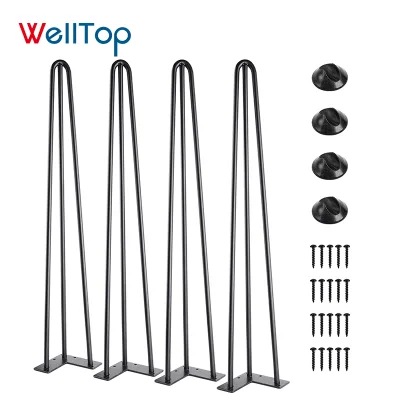
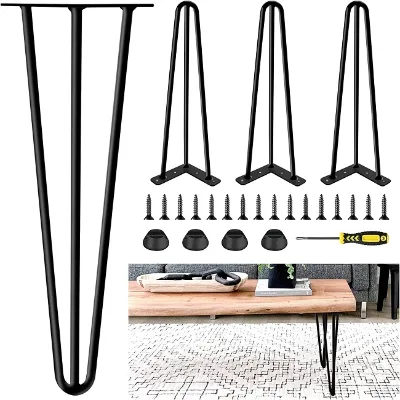
$2.0314 - $2.476
MOQ: 2000 pieces
Guangzhou Veitop Libang Co., Ltd.
- Verified by TüVRheinland
- Trading Company
- Lead time30 days
- Avg. response≤ 3h
Main productsSofa Bed Accessories, Funiture Sofa Legs, Sofa Bed Table Mechanism, Metal Bed Frame, Other Furniture Hardware
Main marketsNorth America(15%), Western Europe(15%), South America(10%)

Foshan Wekis Smart Home Co., Ltd.
- Verified by CTI
- Combined
- China Guangdong
- Lead time23 days
- Avg. response≤ 4h
Main productsTable Leg, Table Frame, Table Base, Hairpin Leg, Furniture Leg, Sliding Door Hardware, Cabinet Handle, Industrial Pipe Series, Adhesive Hooks, Shelving Bracket
Main marketsSouth America,Africa,Others(foreignTradeCapacity.exportBusinessCapacityMarketOther),Southeast Asia/ Mideast,East Asia(Japan/ South Korea),Domestic,Europe,Australia,North America

18 Inch Hairpin Legs Hot Sale Set of 4 Modern Industrial Hairpin Table Legs
$0.50 - $2.90
MOQ: 4 Pieces


4 Inch Hairpin Legs Factory Price Hairpin Legs Accessory for Furniture Home
$0.50 - $1.70
MOQ: 4 Pieces


Guangdong Yijun Precision Technology Co., Ltd.
- Verified by TUVRHEINLAND
- Trading Company,Manufacturer/Factory
- China Guangdong
- Lead time30 days
- Avg. response≤ 13h
Main productsHardware Accessories, Precision Electronic Products, Sofa Leg, Furniture Fitting, Pipe, Cabinet Leg, Sliding, Gas Spring, Table Leg, Drawer Lock
Main marketsSouth America,Eastern Europe,Mid East,North America,Southeast Asia,Eastern Asia,Oceania,Western Europe,Africa


Popular China Manufacturer Coffee Table Rose Gold Steel Metal Hairpin Table Legs
$16.40 - $22.00
MOQ: 1 Pieces


Shijiazhuang Changsi Trading Co., Ltd.
- Trading Company
- Hebei, China
- Lead time30 days
- Avg. response≤ 3h
Main productshardware,building materal
Main marketsNorth America(60.00%), Southern Europe(10.00%), Western Europe(10.00%), Eastern Europe(10.00%), South America(10.00%)

GUANGZHOU LICHUAN HARDWARE ENTERPRISE CO.,LTD.
- Verified by CTI
- Combined
- China Guangdong
- Lead time23 days
- Avg. response≤ 3h
Main productsSofa Nails, Legs, Table Legs, Round Socket Castors, Adjustive Ending Feet, Sofa Leg, Sofa Nails Strims, Wooden Leg, Brass Castor, Sofa Fitting
Main marketsSouth America,Africa,Southeast Asia/ Mideast,East Asia(Japan/ South Korea),Domestic,Europe,Australia,North America

$0.55 - $10.00
MOQ: 2 pieces


- Verified by TUVRHEINLAND
- Trading Company
- China Guangdong
- Lead time23 days
- Avg. response≤ 7h
Main productsFurniture Hardware, Furniture Legs, Furniture Handle, Door Hardware, Sliding Door System, Aluminum Framed Glass Doors, Wardrobe Accessories
Main marketsEurope

New Design Furniture Hairpin Legs Wholesale Metal Hairpin Legs Assortment
$2.90 - $7.90
MOQ: 500 Pieces


Colorful New Design Furniture Hairpin Legs Wholesale Metal Hairpin Table Legs
$0.90 - $1.90
MOQ: 500 Pieces


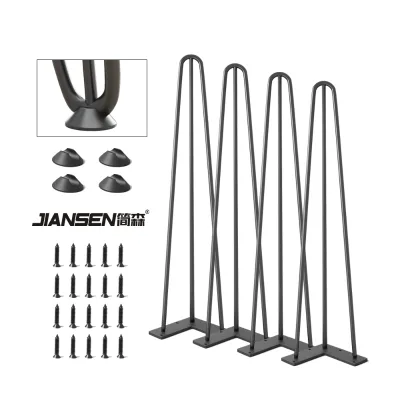
Hangzhou Jiansen Hardware Co., Ltd.
- Verified by SGS Group
- Manufacturer, Trading Company
- Lead time30 days
- Avg. response≤ 2h
Main productsBarn Door Hardware, Fence Hardware, Pergola Bracket, Table Leg, Bracket
Main marketsNorth America(35%), Domestic Market(30%), Oceania(10%)
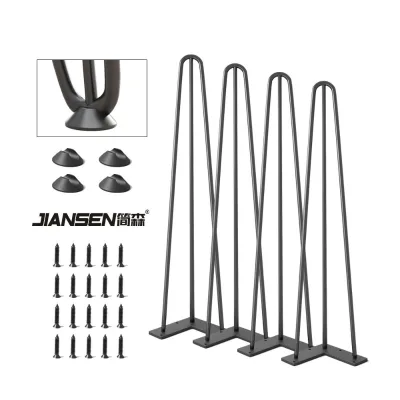
$0.9296 - $5.0554
MOQ: 4 Minimum
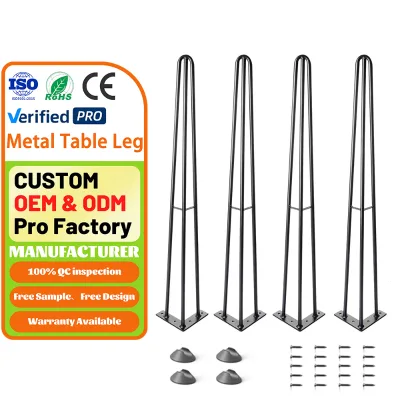
$0.7186 - $2.256
MOQ: 200 Minimum
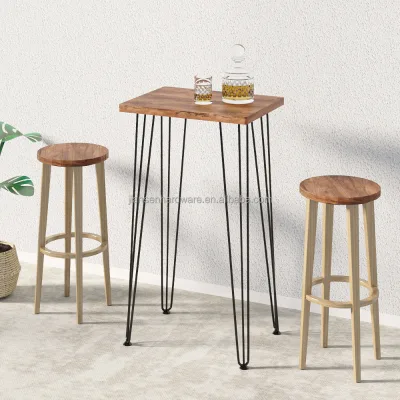

Cangzhou Futong Precision Manufacturing Co., Ltd
- Verified by BV
- Combined
- China Hebei
- Lead time15 days
- Avg. response≤ 5h
Main productsMetal Stamping, Sheet Metal Fabrication, Stamping Parts, Sheet Metal Bracket, Timber Connection Hardware, Joist Hanger, Gang Nail Plate, Pergola Bracket, Floating Shelf Brackets, Cable Tray
Main marketsEast Asia(Japan/ South Korea),Europe,Australia,North America


Wholesale Hardware Fitting Hairpin Hair Pin Legs 4 Inch Coffee Table Hairpin Legs
$2.90 - $4.90
MOQ: 200 Pieces

Metal Hairpin Table Legs 2 Rods DIY Projects for Coffee Table Legs End Desk Dining Bench Legs
$2.90 - $4.90
MOQ: 200 Pieces
Chongqing Dazu District Caiyi Hardware Factory
- Verified by Intertek
- Manufacturer, Trading Company
- Lead time15 days
- Avg. response≤ 1h
Main productsFurniture Legs, Drawer Slides, Nails, Hinges, Other Hardware Accessories
Main marketsDomestic Market(68%), South America(8%), North America(5%)

Hangzhou Xinhao Trading Co., Ltd.
- Trading Company
- Zhejiang, China
- Lead time7 days
- Avg. response≤ 1h
Main productsFence Hardware,Vinyl Fence Gate Hardware,Wood Fence Gate Hardware,Chain Link Fence HardwareHardware,Gate Wheels
Main marketsNorth America(60.00%), Domestic Market(15.00%), Oceania(10.00%), Northern Europe(5.00%), Eastern Europe(5.00%), Eastern Asia(3.00%), Southeast Asia(2.00%)
Foshan Pinlong Furniture Material Co., Ltd.
- Verified by Intertek
- Trading Company
- Lead time10 days
- Avg. response≤ 4h
Main productsMetal Sofa Leg, Wooden Sofa Leg, Crystal Button, Hardware Decorative Buttons, Functional Hardware
Main marketsDomestic Market(45%), Southeast Asia(25%), Mid East(20%)
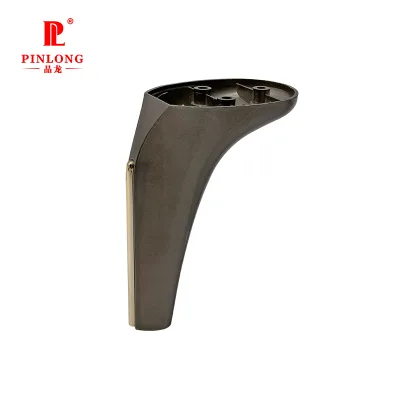
light Duty plastic Industrial Strength Hairpin Legs Sofa Legs Cabinet Support Legs
$0.4611 - $0.503
MOQ: 200 pieces
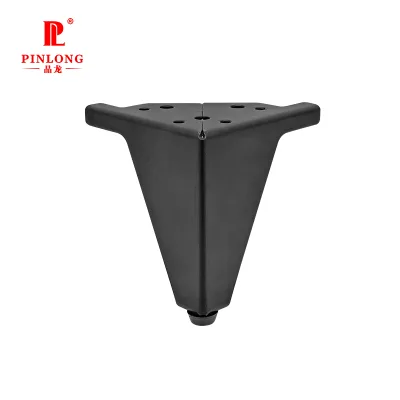
Black Sofa Legs Hardware Luxury Furniture Chrome Hairpin Metal Iron Cabinet Legs
$0.9356
MOQ: 2 Minimum
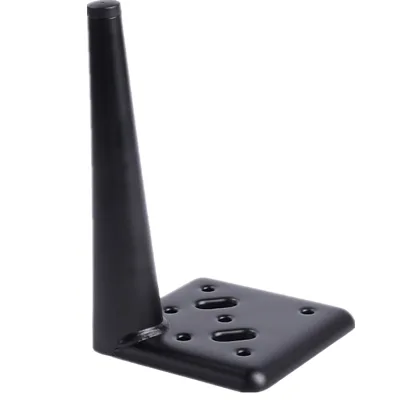
Hairpin Legs Wholesale Cheap Inch Round Iron Steel Feet Metal Furniture Side Bench Coffee Table Legs
$0.5254 - $2.1003
MOQ: 2 pieces
Cangzhou Ling Ang Hardware Manufacturing Co., Ltd.
- Verified by SGS Group
- Manufacturer, Trading Company
- Lead time15 days
- Avg. response≤ 4h
Main productsMetal Stamping Parts, Metal Legs, Auto Parts, Metal Stamping Mould, Sheet Metal Parts
Main marketsDomestic Market(70%), North America(15%), Western Europe(10%)
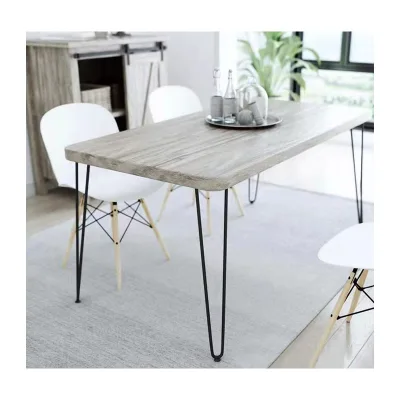
$7.1781 - $41.6046
MOQ: 30 Minimum
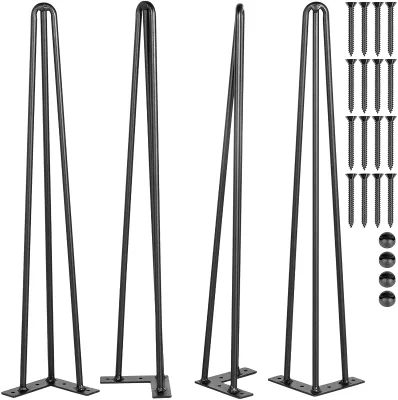
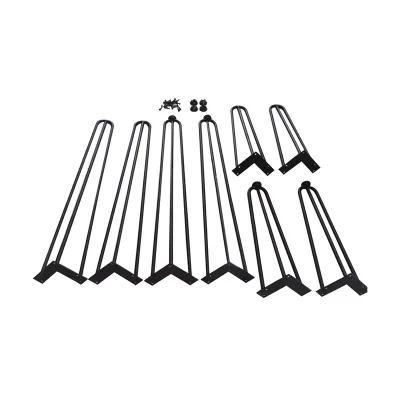
Low Price Customer Modern Light Luxury Metal Steel Accessories Legs Table Furniture Hairpin Leg
$7.00 - $40.73
MOQ: 30 Minimum
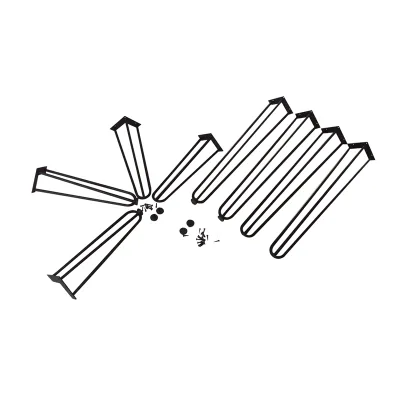
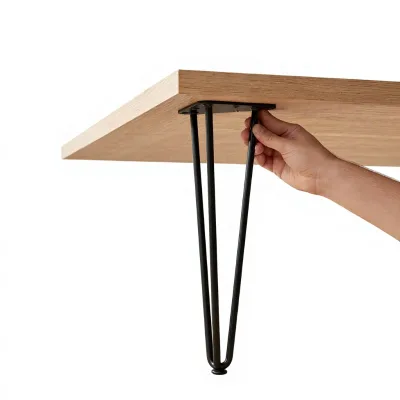
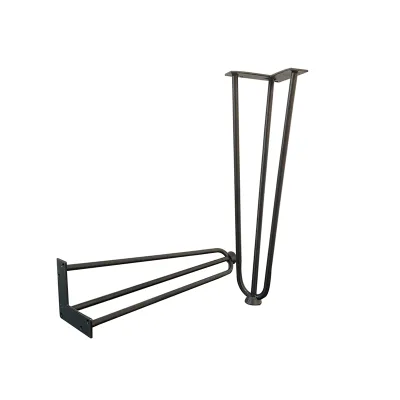
Black Hairpin Leg Furniture Parts and Accessories Living Room & Hospital Use
$7.00 - $40.79
MOQ: 30 Minimum

Hangzhou Jiansen Hardware Co., Ltd.
- Verified by SGS
- Combined
- China Zhejiang
- Lead time15 days
- Avg. response≤ 5h
Main productsBarn Door Hardware, Fence Hardware, Garage Door Hardware, Metal Furniture Leg, Metal Fabrication, Barn Door Rail, Barn Door Roller, Fence Hinge, Fence Latch, Fence Gate Hardware Kit
Main marketsEurope,Australia,North America
Foshan Run Rises Hardware Industry Co., Ltd.
- Verified by TüVRheinland
- Manufacturer, Trading Company
- Lead time10 days
- Avg. response≤ 1h
Main productsSwivel Plate, Coffee Table Mechanism, Furniture Hardware, Hardware Accessories, Sofa Functional Hinge
Main marketsSoutheast Asia(30%), Domestic Market(30%), Mid East(10%)
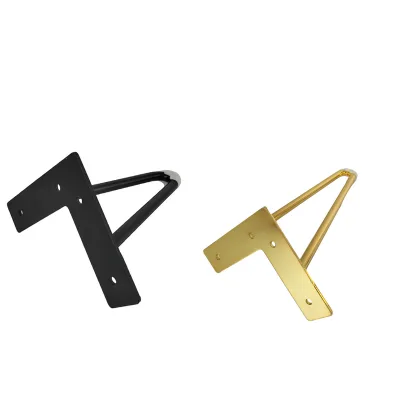
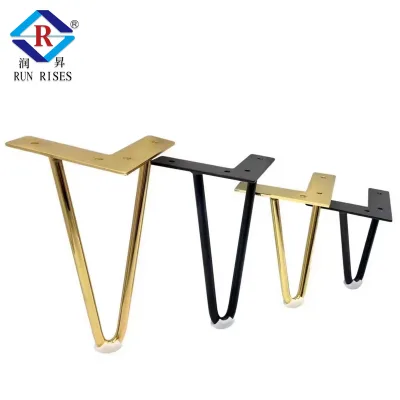
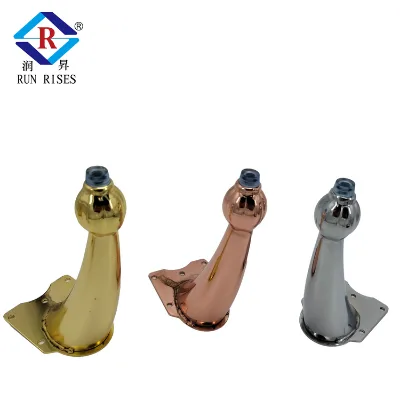
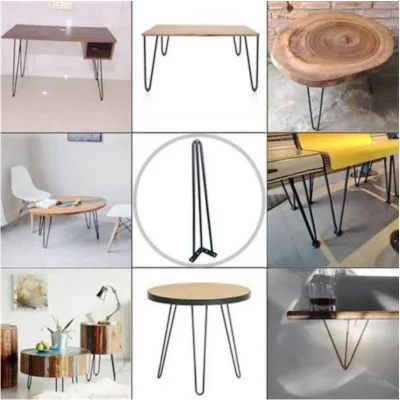
$1.1692 - $1.5284
MOQ: 60 Minimum

Highpoint Industry Company Limited
- Manufacturer
- Guangdong, China
- Lead time20 days
- Avg. response≤ 2h
Main productssofa leg,metal feet,furniture legs,furniture accessories,bed frame
Main marketsEastern Europe(30.00%), Northern Europe(20.00%), Central America(10.00%), Oceania(10.00%), North America(10.00%), Southern Europe(5.00%), South America(5.00%), Eastern Asia(5.00%), Western Europe(5.00%)
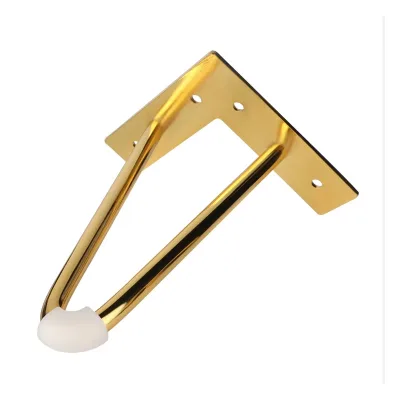
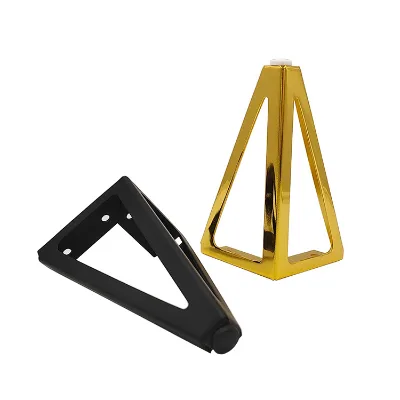
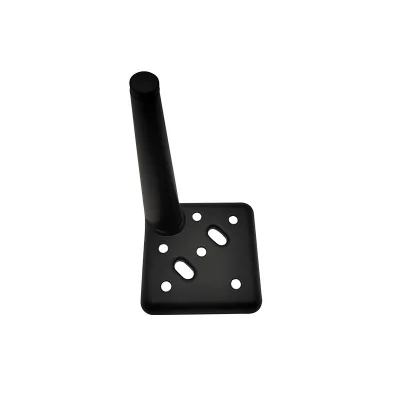
Wholesale Hairpin Legs Iron Feet Metal Furniture Side Bench Coffee Table Legs
$0.63 - $0.80
MOQ: 1000 pieces
Cangzhou Jiaguo Hardware Manufacturing Co., Ltd.
- Verified by TüVRheinland
- Manufacturer, Trading Company
- Lead time7 days
- Avg. response≤ 3h
Main productsGutter Hanger Bracket, Table Hairpin Leg, Pavilion Bracket, Folding Bracket, Stainless Steel Bento Lunch Box
Main marketsDomestic Market(70%), North America(20%), South America(10%)
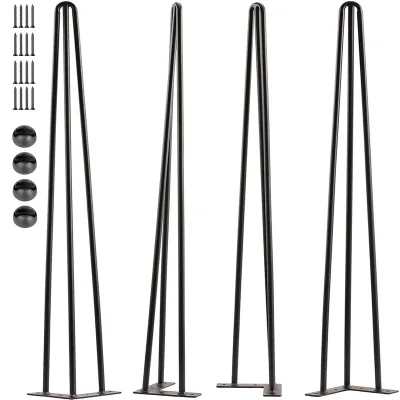
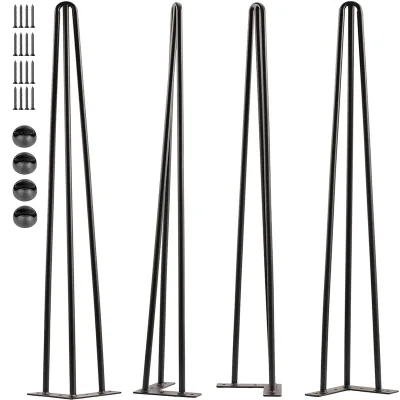
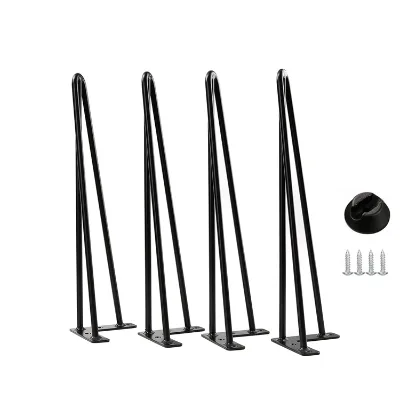
New Design Different Height and Color Coffee Table Base Desk Hairpin Legs Clamp Table Legs
$1.58 - $4.16
MOQ: 10 Minimum
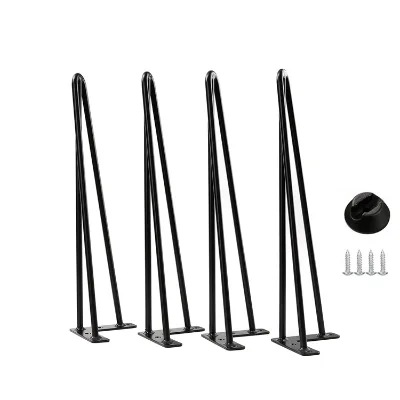
$1.6302 - $4.2904
MOQ: 10 Minimum
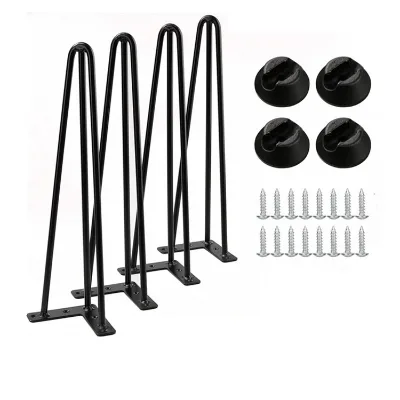
Custom Adjustable Height Furniture Dining Table Legs High Quality Metal Coffee Table Legs
$1.58 - $4.16
MOQ: 10 Minimum
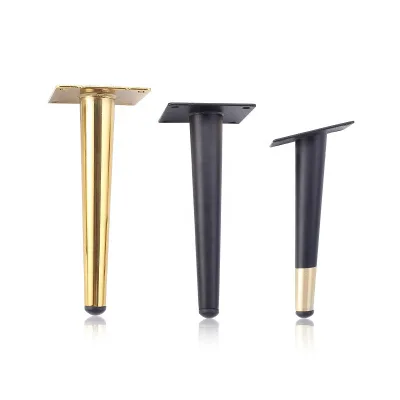
Good Quality Custom Size Sofa Table Legs Hardware Foot Thickened Metal Furniture Legs
$1.4416 - $2.3054
MOQ: 10 Minimum
Guangdong Kingstar Hardware Co Limited
- Verified by SGS Group
- Manufacturer, Trading Company
- Lead time30 days
- Avg. response≤ 2h
Main productsBall Bearing Slide, Under Mounted Slide, Slim Box, Table Leg, Cabinet Push Latch
Main marketsWestern Europe(25%), North America(18%), Eastern Europe(13%)
Ningbo Lake & Sea Hardware Co., Ltd.
- Trading Company
- Zhejiang Province, China
- Lead time15 days
- Avg. response≤ 5h
Main productsdoor hardware,tables,Furniture hardware,Doors and Windows accessories,door
Main marketsWestern Europe(30.00%), North America(30.00%), Northern Europe(20.00%), South America(10.00%), Southern Europe(5.00%), Eastern Europe(5.00%)
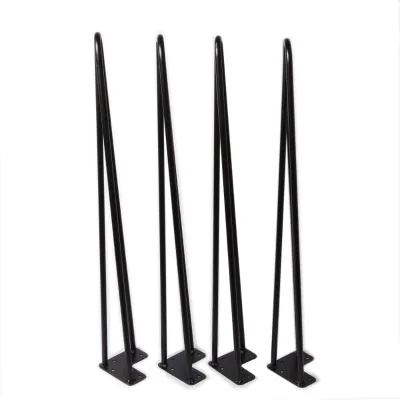
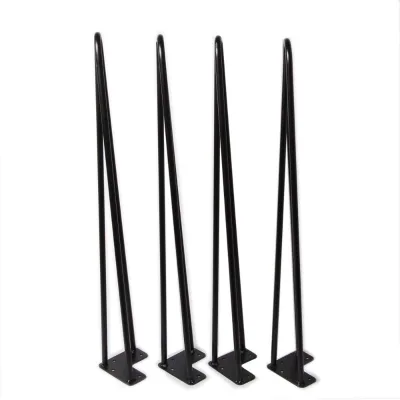
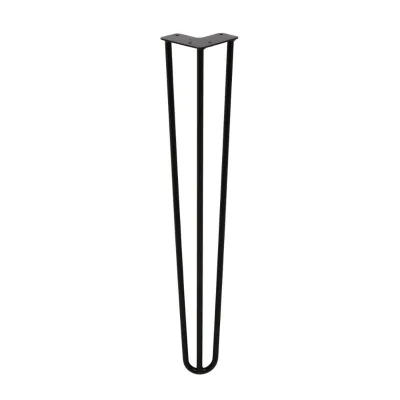
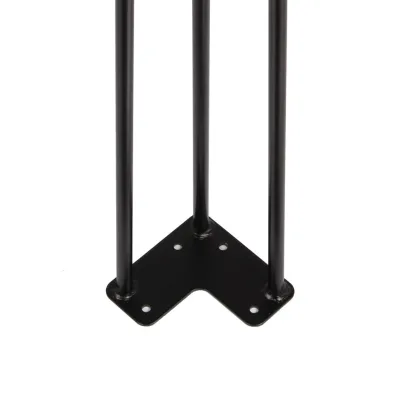
Modern Metal Powder Coated Black Multi-Height Hairpin Table Legs for Apartment Use
$3.20 - $3.50
MOQ: 100 sets
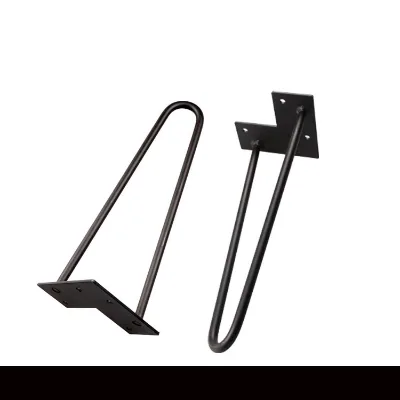
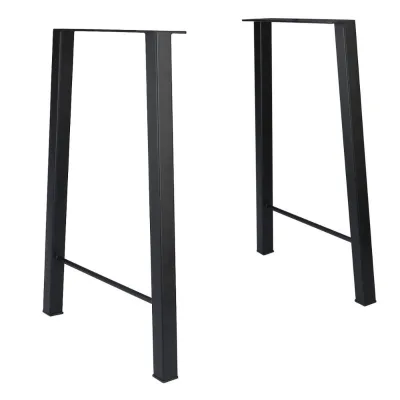
China Supplier Delicate Style New Design Metal Table Legs for Coffee Table
$3.50 - $6.80
MOQ: 100 Minimum

FOSHAN JINRUI PLASTIC HARDWARE PRODUCT CO., LTD.
- Verified by SGS
- Combined
- China Guangdong
- Lead time30 days
- Avg. response≤ 8h
Main productsSofa Leg, Furniture Accessories, Webbing, Staple, Furniture Leg, Hardware Accessories, Metal Leg, Zig Zag Spring, Mechanism for Sofa, Sofa Hinge
Main marketsSouth America,Southeast Asia/ Mideast,Europe


Modern Hairpin Legs Furniture Black Gold Chrome Metal Legs Chair Leg Manufactures
$0.35
MOQ: 1000 Pieces

- Verified by SGS
- Manufacturer/Factory
- China Guangdong
- Lead time45 days
- Avg. response≤ 7h
Main productsTable Leg, Handle, Bolt, Screw, Shelf Support, Knob, Connectors, Castor, Furniture Hardware Fitting, Furniture Hardware
Main marketsSouth America,Eastern Europe,Mid East,North America,Eastern Asia,Oceania,Western Europe

Tangshan Shangpin Union Furniture Manufacturing Co., Ltd.
- Manufacturer
- Hebei, China
- Lead time25 days
- Avg. response≤ 1h
Main productsModern furniture,Metal furniture,Metal beds,Metal hotel and restaurant furniture,Metal office furniture
Main marketsEastern Europe(30.00%), Western Europe(20.00%), North America(20.00%), Southeast Asia(10.00%), Eastern Asia(10.00%), Mid East(10.00%)

Hebei Hanghong Trading Co., Ltd.
- Verified by TUVRHEINLAND
- Trading Company
- China Hebei
- Lead time15 days
- Avg. response≤ 9h
Main productsElbow, Tee, Flange, Reducer, Pipe, Cap, Key Clamps, Metal Stamping
Main marketsSouth America,Africa,Southeast Asia/ Mideast,East Asia(Japan/ South Korea),Europe,Australia,North America
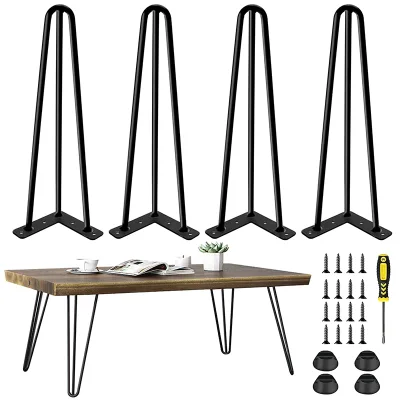
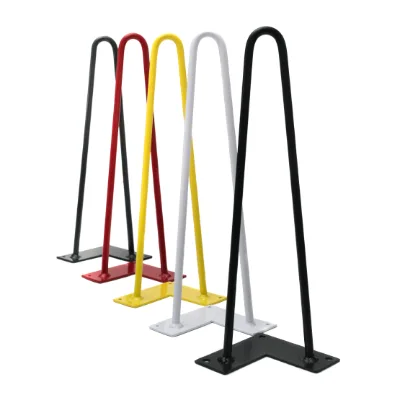
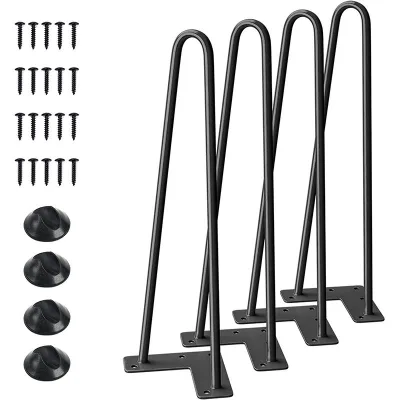
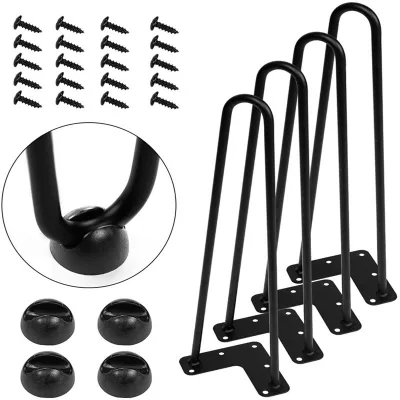
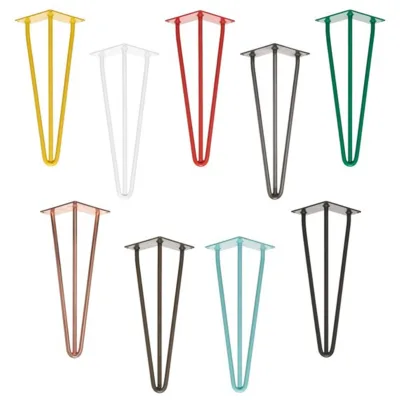
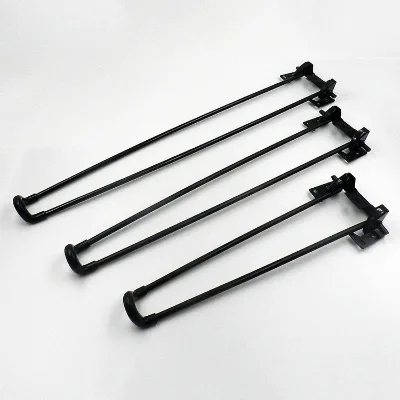
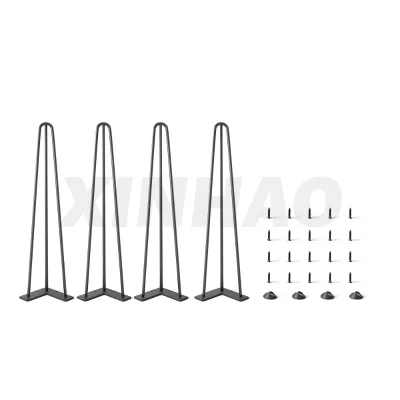
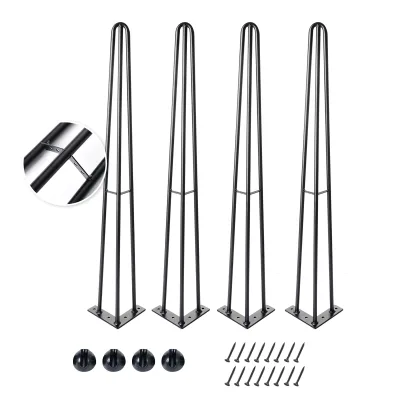
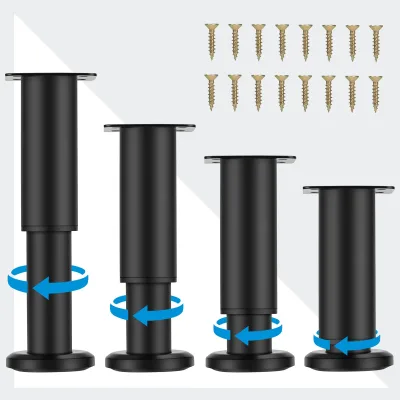
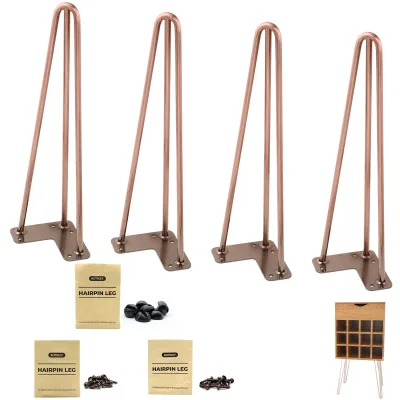


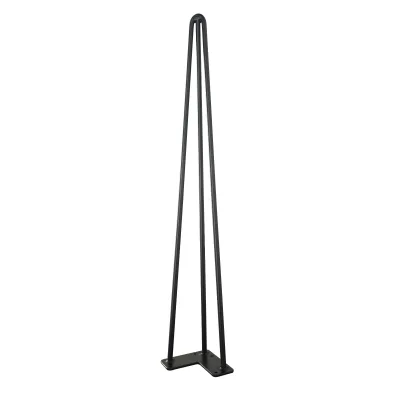




Comprehensive Sourcing Guide
Modern Industrial Metal Hairpin Legs Supplier Concentration and Factory Types
When sourcing Modern Industrial Metal Hairpin Legs, understanding where suppliers cluster and what type of company you are dealing with shapes every later decision. Product listings in this category frequently indicate a place of origin in Guangdong, China, which points to an established metal fabrication region with access to steel rod supply, welding capacity, and powder-coating services. Rather than accepting a listing's origin field at face value, buyers should treat it as a starting hypothesis and confirm it by asking which facility actually produces the legs, whether welding and coating happen in-house or are subcontracted, and what machinery is used for rod bending and plate welding.
Factory types in this category vary more than buyers expect. Some sellers are trading companies whose main products span sofa bed accessories, sofa bed table lift mechanisms, swivel plate chair bases, furniture sofa legs, and metal bed frames. A trading company can be a legitimate choice because it aggregates several furniture hardware lines and may simplify consolidated orders, but it introduces a layer between you and the welding floor. Other sellers position themselves as manufacturers with direct control over rod diameter consistency, weld penetration, and finish quality. Ask each candidate to describe its production setup specifically for hairpin legs, including whether heavy-duty solid steel rod is stocked in common sizes, and request clarity on who performs quality checks before goods leave the facility.
How to Verify Modern Industrial Metal Hairpin Legs Suppliers
Verification starts with the credentials a supplier displays and ends with evidence you generate yourself. On the credential side, check what system certifications are listed, such as a CE marking, and note whether an independent inspection body has verified the supplier's profile, for example through a TÜV Rheinland verification. These signals reduce baseline risk but do not tell you whether a specific hairpin leg run will meet your requirements. Treat them as permission to proceed to deeper checks, not as proof of product quality. Ask for the certification documents themselves and confirm they cover the relevant product scope rather than an unrelated factory activity.
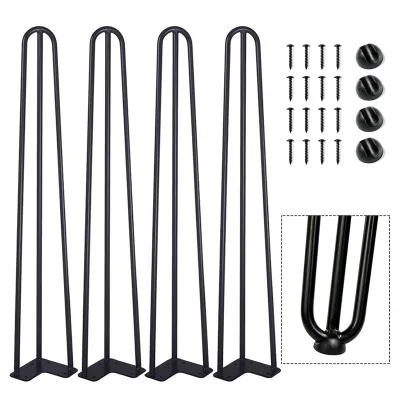
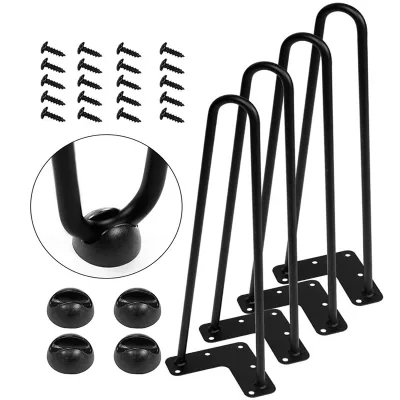
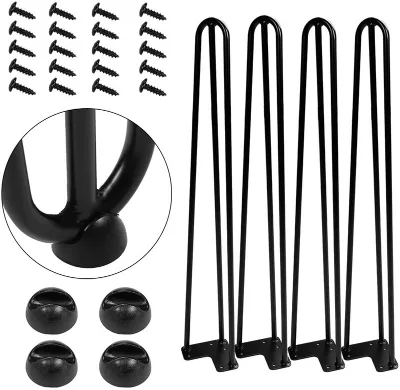
Product-level verification matters more in this category than company-level badges. Hairpin legs fail in predictable ways: welds crack at the plate junction, rods bend under load, coatings chip during transit, and rubber floor protectors detach. Request samples before committing, since some suppliers explicitly state samples are available while others ask you to consult them first. When samples arrive, measure rod diameter against the stated size, check weld consistency across multiple legs in the same box, and test the protective feet. Also verify the supplier's origin claim: listings may say Guangdong, China, but you should ask for the factory address, the port of dispatch, and photos or video of the welding process. A supplier that answers these requests promptly and specifically is far safer than one with an impressive badge and vague replies.
What to Compare Across Modern Industrial Metal Hairpin Legs Suppliers
Build a comparison table using only attributes each supplier actually displays, and mark the rest as "to verify" rather than guessing. Useful dimensions include main product lines, company type, response time, lead time, MOQ, certifications, verification status, and location. In this category you may see main products such as sofa bed accessories, furniture sofa legs, metal bed frames, and related furniture hardware, which signals whether hairpin legs are a core line or a side item. Response time figures, where shown, such as a three-hour or three-day indication, tell you how quickly a supplier handles pre-sale questions, which usually predicts post-order communication quality.
Lead times deserve row-by-row attention because they often scale with quantity. Some listings publish tiered production windows, for example roughly fifteen days for the first thousand pieces, twenty days up to three thousand, and twenty-five days up to five thousand, with larger volumes to be negotiated. Others state a flat thirty days. Compare these figures against your launch calendar rather than picking the smallest number. MOQs also vary widely: one listing shows a 2,000-piece minimum while another shows 500, so align minimums with your order sizes. Price ranges on listings, spanning fractions of a dollar to a couple of dollars per piece depending on size and rod configuration, are only negotiation baselines. Finally, compare service capabilities such as OEM and ODM acceptance, customized colors, and available size ranges from small diameters up to forty inches.
Common Modern Industrial Metal Hairpin Legs Sourcing Risks
The first risk cluster is technical. Weld quality is the most common failure point: spot welds that look acceptable in product photos can crack when a loaded table is moved across a floor. Rod gauge substitution is a second hazard, where a buyer specifies one diameter and production uses a thinner rod that flexes under weight. Coating inconsistency, including thin powder coverage on weld seams and scratches from loose packing, generates customer complaints even when the legs themselves are sound. Rubber floor protectors may pop off after minimal use if they are simply pressed on rather than fitted properly. Mitigate these by specifying weld requirements, rod material as heavy-duty solid steel, and coating thickness in writing, and by inspecting a pre-production sample against those specs.
The second cluster is commercial and informational. Some suppliers are trading companies, which can obscure who actually welds the legs, so clarify the production chain before ordering. Lead times can stretch in peak season; tiered schedules that promise roughly fifteen days at low volumes may extend at higher quantities or slip entirely, so confirm the window for your exact quantity in writing. Displayed prices and MOQs are starting points, and a supplier quoting a 500-piece minimum may revise terms once you request custom colors or larger sizes. Verification badges cover the company, not your shipment, so arrange your own inspection. Finally, vague product listings that mix sizes, configurations, and weights suggest weaker internal controls and deserve extra sampling scrutiny.
Modern Industrial Metal Hairpin Legs Regional Sourcing and Logistics
Where a credible location fact exists, use it; where it does not, use a disciplined method. Listings in this category commonly state a place of origin in Guangdong, China, which aligns with the province's dense network of metal furniture hardware processors, coating shops, and export forwarders. Sourcing from a recognized cluster shortens the sub-supply chain for steel rod and powder coating and increases the number of factories able to quote competitively. However, cluster proximity does not guarantee any individual supplier's quality, and some sellers in the same listings operate as trading companies rather than factories, so verify the actual production site regardless of the province named.
Logistics planning should start from the dispatch point. At least one listing names Guangzhou as the port of dispatch, which is useful when comparing freight routings and container consolidation options. Hairpin legs are long, thin, welded items that nest well but scratch easily, so packing matters: one listing describes one piece per poly bag with 100 pieces per carton, while others list single package sizes and gross weights ranging from a few kilograms to twenty or more. Ask each supplier for the packing plan for your specific sizes, since a forty-inch leg ships differently from a ten-inch one. Confirm whether mail packing applies, request carton dimensions and weights for freight estimates, and clarify whether quoted terms include loading. Heavy-duty steel legs add meaningful weight quickly, so calculate freight impact before finalizing rod diameter.
Modern Industrial Metal Hairpin Legs Commercial Terms and Order Planning
Order planning in this category should reconcile three variables: MOQ, tiered lead time, and customization scope. Listings show minimums ranging from 500 pieces on some items to 2,000 on others, and production windows that step from roughly fifteen days at the low end to twenty-five days approaching five thousand pieces, with larger volumes subject to negotiation, while another supplier states a flat thirty days. Model your timeline from the tier that matches your real quantity, add buffer for coating and packing, and get the confirmed date in the purchase order rather than relying on the listing. Note stated monthly supply capacity where available, such as a figure of 200,000 pieces per month, but verify it against your required ramp rate.
Commercial terms should be negotiated around the listing prices rather than accepted from them. Observed price ranges span from under a dollar per piece to around two and a half dollars depending on size, rod count, and finish, so treat every quote as a baseline and request itemized pricing for your exact configuration. Clarify sample costs and whether they credit against the bulk order, since some suppliers offer samples on request and others ask you to consult first. Confirm payment structure, quality inspection rights before shipment, and the remedy for weld or coating defects found on arrival. For custom colors, OEM or ODM work, and mixed sizes in one order, expect terms to differ from catalog defaults and document every agreed deviation in writing.
FAQs
What is the price range for Modern Industrial Metal Hairpin Legs?
Prices typically range from $0.07 to $2.48 per unit depending on specifications. Basic 2-rod designs start near $0.07, while adjustable or heavy-duty 3-rod options cost up to $2.48. Bulk orders often secure lower rates within this bracket.
What is the minimum order quantity for these furniture legs?
MOQs vary by product type, generally starting at 500 pieces for standard hairpin legs. Some specific models require a minimum of 2000 units. Buyers should verify the exact MOQ for their chosen size and rod configuration before placing an order.
How long does production take for bulk orders?
Lead times depend on order volume and season. For quantities under 1000 units, production takes approximately 15 days. Larger orders between 1001 and 5000 units require 20 to 25 days. Orders exceeding 5000 units require negotiation for delivery schedules.
Are OEM and ODM services available for custom designs?
Yes, suppliers offer both OEM and ODM services to meet specific design requirements. Buyers can request customized colors, sizes ranging from 4 to 40 inches, and specific finishes. Samples are available upon consultation to ensure the final product matches expectations.
What certifications do these furniture legs hold?
Manufacturers hold CE system certifications to ensure compliance with relevant standards. Products are verified by TüV Rheinland, indicating adherence to quality and safety protocols. Buyers should request specific certification documents for their target market requirements during the sourcing process.
Where are these metal hairpin legs manufactured?
These furniture components are manufactured in Guangdong, China. The region is known for its robust furniture hardware supply chain. Buyers can expect efficient logistics with dispatch ports located in Guangzhou, facilitating international shipping for global orders.