Source Modern Modular Sofa for Living Rooms, Offices, and Showrooms
Compare 30 Modern Modular Sofa options from manufacturers in China. Buyers can review specifications including fabric, dimensions, and delivery times for living rooms, offices, and showrooms.
Key considerations
Products List




Comprehensive Sourcing Guide
Strategic Sourcing Guide for Modern Modular Sofas
Understanding the Technical Architecture of Modern Modular Seating
When evaluating modern modular sofas for B2B procurement, the primary focus must be on the structural integrity and the specific configuration capabilities that define the "modular" nature of the product. The core product model observed in current market listings is the Sofa, with specific designations such as YF2618-1, YF2655-2, and YF618. These models represent distinct variations in dimensions and component arrangements, which are critical for buyers to distinguish before placing orders. The physical footprint of these units varies significantly; for instance, one observed configuration measures 1253535cm, while another standardizes at 16812572CM. A third variation is recorded at 13510065CM, and a larger unit reaches 26517079CM. These dimensional discrepancies directly impact shipping logistics and the spatial planning required for the end-user environment.
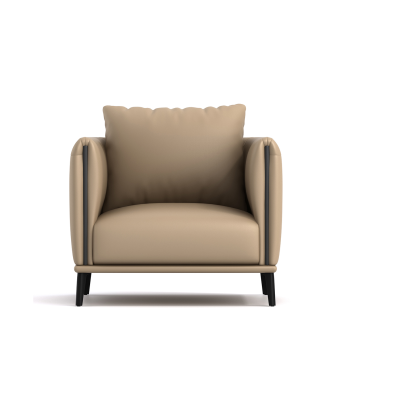
The structural composition of these sofas is defined by a medium back height and the presence or absence of armrests, a feature that varies by model. Some units are specified as having armrests, while others are designed without them, offering flexibility in how the modules are connected. The internal construction relies heavily on sponge padding, which is a standard observation across the product range. This padding is essential for maintaining the comfort profile expected of modern furniture. The external finish is equally critical, with the cover materials observed including linen, velvet, and various fabric types. Specific fabric observations include plush, corduroy, and linen, each offering a different tactile experience and aesthetic appeal. The color palette available in the current market includes white, taupe brown, beige, and black, allowing for broad customization to match diverse interior design schemes.
Compliance Standards and Certification Verification
In the B2B sector, verifying compliance and certification is not merely a formality but a prerequisite for risk management. The supply chain data indicates that FSC certification is a high-confidence attribute associated with these products. This certification suggests that the wood components, likely used in the internal frame or support structures, are sourced from responsibly managed forests. Buyers must explicitly request proof of this FSC status for every batch ordered, as the presence of the certification on a product page does not guarantee that every individual unit in a shipment carries the same verified lineage.
Furthermore, fire safety is a paramount concern for commercial and residential furniture. The observed data references a "Fire Retardant Standard" described as "ISO Inflatable:Non Inflatable." This phrasing indicates a specific testing protocol or classification relevant to the product type. However, the exact numerical standard (e.g., specific ISO numbers like ISO 6941 or regional equivalents like BS 5852) is not explicitly detailed in the provided text. Consequently, buyers must not assume compliance based on the general mention of "ISO." Instead, the procurement strategy must involve a direct request for the specific test reports that validate the fire retardant properties of the sponge and fabric materials. The verification process should confirm that the materials meet the fire safety regulations of the destination country, as standards vary significantly between regions.
Cost Drivers and Pricing Dynamics
The pricing structure for modern modular sofas is influenced by a complex interplay of material costs, customization levels, and logistical factors. The observed price range in the current market spans from 96 to 2200 USD. This wide variance suggests that the base price is heavily dependent on the specific configuration, the quality of the fabric chosen, and the level of customization requested. A unit with a basic linen cover and standard sponge padding will likely fall at the lower end of this spectrum, while a configuration featuring velvet, plush fabrics, and complex modular arrangements will command a premium price.
Material selection is a primary cost driver. The choice between linen, velvet, and corduroy directly impacts the unit cost. Additionally, the volume of the product, measured in cubic meters (CBM), affects shipping costs. Observed volumes range from 0.15 CBM to 0.5 CBM. A higher volume per unit increases the freight cost, which is often passed on to the buyer. Weight is another critical factor; gross weights observed range from 28.5 kg to 88 kg. Heavier units, such as those weighing 88 kg, require more robust handling and potentially higher shipping fees. Buyers should calculate the total landed cost by factoring in these weight and volume metrics, not just the unit price. The Minimum Order Quantity (MOQ) also plays a role in cost efficiency, with observed ranges from 1 to 100 units. Larger orders may negotiate better unit pricing, but the buyer must balance this against inventory holding costs.
Supplier Evaluation and Operational Capabilities
Identifying a reliable supplier requires a deep dive into their operational profile and production capabilities. The data identifies the supplier type as a Manufacturer and Factory, which is a positive indicator for quality control and cost management compared to trading companies. The production location is consistently cited as Foshan, China, a region known for its extensive furniture manufacturing ecosystem. However, the origin is also broadly listed as China, necessitating verification of the specific factory location to ensure it aligns with the buyer's logistics strategy.
Lead times are a critical component of supplier evaluation. The observed delivery window is 7-35 days, while the specific production time is noted as 20-30 days. This discrepancy suggests that the 7-day figure may refer to the time from order confirmation to dispatch for ready-stock items, whereas the 20-30 day window applies to custom orders. Buyers must clarify this distinction during negotiations to avoid supply chain disruptions. The customization availability is a key feature, allowing for tailored fabric, color, and dimension choices. However, the extent of this customization must be defined clearly in the contract to ensure the supplier can meet the specific requirements within the agreed timeline.
Quality Control and Packaging Standards
Quality control in the furniture industry extends beyond the final product inspection to include packaging and protection during transit. The observed packing methods include "Sea" shipping containers and "Cardboard Box" packaging. The specific use of cardboard boxes for individual units suggests a need for secondary packaging to protect the sofa during the final leg of delivery. The product dimensions, such as 664928 inch or 104.368.931.1 inch, must be cross-referenced with the packaging dimensions to ensure efficient container loading.
The volume of the product, such as 0.15 CBM or 0.26 CBM, is crucial for calculating the number of units that can fit in a standard shipping container. Inefficient packing can lead to wasted space and increased shipping costs. Buyers should request a packing list that details the dimensions and weight of each package to optimize the loading plan. Additionally, the condition of the product is listed as "New," which implies that the goods should arrive without prior use or damage. However, the buyer must implement a rigorous inspection protocol upon receipt to verify that the sponge padding, fabric cover, and structural integrity remain intact after the journey.
Long-Term Procurement and Application Strategy
The application of modern modular sofas extends across various sectors, including hospitality, residential complexes, and corporate offices. The versatility of the modular design allows for reconfiguration to suit changing space requirements, making them a strategic investment for long-term use. The "Modern" style observed in the product attributes ensures that the furniture remains relevant in contemporary interior design trends. However, the durability of the materials, particularly the fabric and sponge, must be assessed for the intended application. For high-traffic areas, the choice of fabric, such as corduroy or plush, should be evaluated for its resistance to wear and tear.
Sourcing these products requires a long-term perspective. The production time of 20-30 days and the delivery window of 7-35 days mean that inventory planning must be precise. Buyers should consider the lead time when planning for seasonal demand or new project rollouts. The ability to customize the product allows for brand alignment, but it also introduces complexity into the supply chain. Establishing a strong relationship with the manufacturer is essential to ensure consistent quality and timely delivery. The buyer should also consider the environmental impact of the materials, leveraging the FSC certification as a selling point for sustainability-focused projects.
Comparative Analysis of Product Specifications
To facilitate informed decision-making, the following table summarizes the key technical specifications observed across the different product models. This comparison highlights the variations in dimensions, weight, and material that influence procurement choices.
| Specification | Model YF2618-1 | Model YF2655-2 | Model YF618 |
|---|---|---|---|
| Dimensions | 1253535cm | 13510065CM | 26517079CM |
| Volume | 0.15cbm | 0.26CBN | 0.5cbm |
| Color | Taupe Brown | Beige | Black |
| Fabric | Linen | Corduroy | Plush |
| Armrest | With Armrest | With Armrest | Without Armrest |
| Gross Weight | 28.5 Kg | 51 Pounds | 88kg |
| Net Weight | 26.4kg | 53.9 Pounds | 82kg |
| Standard | 16812572CM | 1600*2000 | 1600*2000 |
This table illustrates the diversity in the product line. The YF2618-1 is a compact unit suitable for smaller spaces, while the YF618 is a larger configuration designed for expansive areas. The variation in fabric and color allows buyers to match specific design requirements. The absence of armrests in the YF618 model offers a different seating arrangement compared to the other two models. Understanding these differences is essential for selecting the right product for the intended application.
Final Procurement Considerations
The procurement of modern modular sofas requires a meticulous approach that balances technical specifications, compliance, cost, and supplier reliability. The observed data provides a solid foundation for understanding the market landscape, but the buyer must conduct due diligence to verify all claims. The FSC certification and fire retardant standards are critical compliance points that must be validated through documentation. The wide price range and varying lead times necessitate clear communication with the supplier to align expectations. By focusing on these key areas, buyers can ensure a successful sourcing experience that delivers high-quality, compliant, and cost-effective furniture solutions. The modular nature of the product offers significant flexibility, but this must be managed carefully to avoid supply chain bottlenecks. Ultimately, the success of the procurement depends on a thorough understanding of the product attributes and a strategic approach to supplier engagement.
FAQs
What certifications are available for these modern modular sofas?
FSC certification is available for the wood components used in these modern modular sofas. Buyers should request specific proof for each batch, as the presence on a page does not guarantee every unit carries the same verified lineage.
How long is the production time for custom orders?
The production time for custom orders is typically 20 to 30 days. This differs from the 7 to 35 day delivery window, which may include dispatch time for ready-stock items, so clarify this distinction during negotiations.
Which fabric types are offered for the Modern Modular Sofa covers?
Cover materials include linen, velvet, and various fabrics such as plush and corduroy. The specific fabric choice directly impacts the unit cost and tactile experience, with options ranging from white to black colors.
Can I find modern modular sofas without armrests?
Yes, specific models like YF618 are designed without armrests. Other configurations, such as YF2618-1 and YF2655-2, are specified with armrests, offering flexibility in how the modules are connected and arranged.
What is the price range for these modern modular sofas?
The observed price range spans from 96 to 2200 USD. This variance depends on the specific configuration, fabric quality, and customization level, with higher volumes and heavier weights potentially increasing shipping costs.
Where are these modern modular sofas manufactured?
The products originate from Foshan, China, which is a known furniture manufacturing hub. While the broad origin is listed as China, verifying the specific factory location is essential for aligning with your logistics strategy.