Source Modern Moisture Resistant Kitchen Cabinets for apartments, hotels, and residential houses
Explore 30 listings for Modern Moisture Resistant Kitchen Cabinets designed for apartments, hotels, and residential houses. Buyers can compare customizable layouts, solid wood or MDF door materials, and quartz or marble countertops with options for professional installation guidance.
Key considerations
Products List


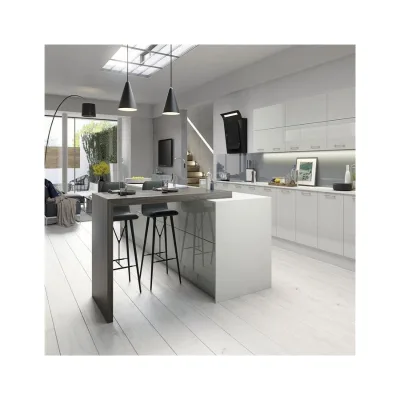


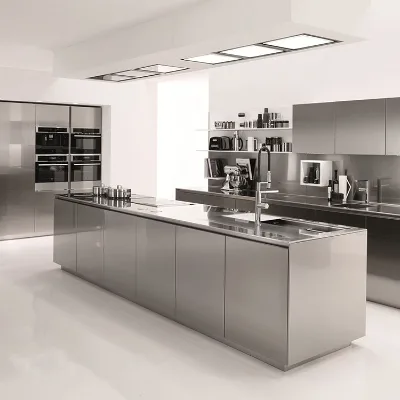
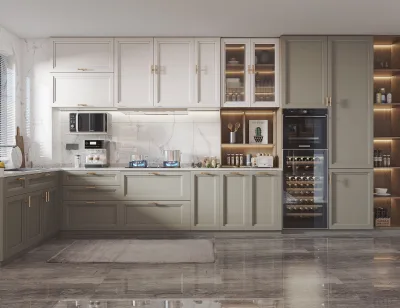
Comprehensive Sourcing Guide
Strategic Sourcing Guide for Modern Moisture Resistant Kitchen Cabinets
The global demand for modern moisture-resistant kitchen cabinets has surged as residential and commercial buyers prioritize durability alongside contemporary aesthetics. Sourcing these units requires a disciplined approach that balances technical specifications with supply chain reliability. The following guide synthesizes verified product attributes and industry standards to assist procurement professionals in identifying suitable suppliers and evaluating product viability without relying on unverified claims.
Technical Specifications and Material Composition
The foundation of a moisture-resistant kitchen cabinet lies in its material composition and surface treatment. In the current market, suppliers offer a diverse range of door materials, including solid wood and MDF (Medium Density Fiberboard). While solid wood provides a classic aesthetic, MDF is often preferred for its dimensional stability and ability to accept various finishes without warping in humid environments. The choice of material directly influences the cabinet's longevity in high-moisture zones such as kitchens and bathrooms.
Countertop materials are equally critical. Verified data indicates that quartz stone, marble, and granite are the primary options available. Quartz stone is particularly noted for its non-porous nature, offering superior resistance to moisture absorption and staining compared to natural stone alternatives like marble. The surface treatment of the door panels further enhances moisture resistance. Common finishes include melamine, molding, PET (Polyethylene Terephthalate), and solid paint finishes. These coatings act as a barrier against water vapor, preventing the underlying substrate from swelling or delaminating.
Hardware selection is another pivotal technical factor. High-performance drawer guide rails, such as path rails, ensure smooth operation even when humidity fluctuates. Suppliers often integrate hardware from recognized manufacturers like Higold, DTC, or Blum. These brands are known for corrosion-resistant coatings and robust mechanisms that withstand the rigors of daily use. The layout type, ranging from one-line and L-shaped configurations to U-shaped, two-line, and island styles, must be compatible with the specific dimensions of the installation space. Customizable dimensions are a standard offering, allowing buyers to tailor the unit to exact spatial requirements, often defined by CAD renderings during the design phase.
Compliance and Certification Verification
Navigating the regulatory landscape is essential for international procurement. Buyers must verify that products meet specific safety and environmental standards. The supplied data confirms that many modern kitchen cabinets carry certifications such as CE, ISO, RoHS, and CCC. These certifications indicate compliance with European safety directives, international quality management systems, restrictions on hazardous substances, and Chinese compulsory product certification, respectively.
However, procurement professionals should not assume that every listed product possesses all certifications. Verification is required on a per-supplier basis. The "ISO" designation typically refers to ISO 9001 for quality management, while "RoHS" ensures the product is free from specific hazardous materials. The "CCC" mark is mandatory for products sold within China but serves as a quality indicator for international buyers as well. Additionally, the "Standard" attribute often lists specific dimensions or custom specifications, such as 400cm500cm600cm or "as drawing," which buyers must cross-reference with their architectural plans.
When evaluating compliance, buyers should request valid certification documents directly from the supplier. It is crucial to distinguish between the product's origin and the certification body. For instance, products originating from Chongqing, China, may carry local certifications that are recognized globally, but the specific scope of these certifications must be confirmed. The absence of a specific certification in a product listing does not necessarily imply non-compliance, but it does necessitate a deeper inquiry into the supplier's quality assurance protocols.
Cost Drivers and Pricing Dynamics
Understanding the cost structure of modern kitchen cabinets is vital for budgeting and negotiation. The observed price range for these products spans from $48 to $2,800 USD. This wide variance is driven by several key factors, including material quality, customization complexity, and hardware selection. A basic unit with standard MDF doors and melamine finish will sit at the lower end of the spectrum, while a fully customized island unit featuring solid wood doors, quartz countertops, and premium Blum hardware will command a higher price.
The Minimum Order Quantity (MOQ) also impacts the unit cost. The observed MOQ range is between 1 and 100 units. Suppliers offering an MOQ of 1 are typically catering to individual homeowners or small renovation projects, whereas those requiring 100 units are targeting bulk commercial orders or large-scale developments. Buyers should note that higher customization levels often correlate with higher MOQs or longer lead times, as the production process shifts from mass manufacturing to bespoke fabrication.
Production cycle time is another significant cost driver. The standard production cycle time for these cabinets is approximately 30 days. This duration includes material sourcing, fabrication, surface treatment, and quality inspection. Any expedited requests will likely incur additional costs. Furthermore, packaging requirements, such as paper shells, wooden boxes, or plywood packages, add to the overall expense. For international shipping, the robustness of the packaging, often described as a "wood crate" or "plywood package," is essential to prevent damage during transit, which can indirectly affect the total landed cost.
Typical Applications and Layout Flexibility
Modern moisture-resistant cabinets are designed for a variety of application scenarios. The primary use cases include apartments, residential houses, and hotels. In residential settings, the focus is often on aesthetic appeal combined with practical durability. In commercial environments like hotels, the cabinets must withstand higher usage frequencies and stricter hygiene standards. The "Application" attribute explicitly lists "Kitchen" as the primary domain, but the versatility of the design allows for adaptation in other moisture-prone areas.
Layout flexibility is a major advantage for buyers with unique spatial constraints. Suppliers offer a range of layout types, including one-line, L-shaped, U-shaped, two-line, and island configurations. The "Style" attribute highlights both "L Style" and "Modern" designs, indicating that the cabinets can be tailored to fit various architectural styles, from classic to contemporary. The composition modules, such as hanging cabinets, floor cabinets, and high cabinets, allow for a modular approach to storage.
Storage systems are also customizable, with options like pot racks, baskets, and specialized units like "Little Monster" or "Price Increase B" configurations. These internal systems enhance the functionality of the cabinet, ensuring that the moisture-resistant exterior is matched by an efficient interior organization. The inclusion of features like single bowl sinks and square shapes further demonstrates the adaptability of these units to specific user needs.
Supplier Evaluation and Service Capabilities
Evaluating a supplier requires more than just reviewing product specifications; it involves assessing their service capabilities and communication channels. The supplied data indicates that suppliers offer online measurement guidance, consultation, and inspection services. These services are crucial for ensuring that the final product fits the intended space perfectly, especially given the customizable nature of the dimensions.
Buyers should prioritize suppliers who provide CAD rendering services. This allows for a visual confirmation of the design before production begins, reducing the risk of errors. The "Drawing" attribute confirms that CAD rendering is a standard offering, enabling precise customization. Additionally, the "Service" attribute suggests a proactive approach to customer support, which is essential for resolving any issues that may arise during the procurement process.
When selecting a supplier, buyers should verify the "Condition" of the product, which is listed as "New." This ensures that the cabinets are manufactured to current standards and are not refurbished or surplus stock. The "Advantage" attribute, listing "Customizable" and "Trendy," suggests that the supplier is responsive to market trends and willing to adapt to specific design requests. However, buyers must remain vigilant and avoid assuming that all listed advantages apply to every product without verification.
Quality Control and Long-Term Procurement Considerations
Quality control is paramount when sourcing moisture-resistant cabinets. The "Feature" attribute lists both "Modern" and "Classic" styles, indicating a broad range of design options. However, the physical quality of the finish and the integrity of the joints are what determine the product's longevity. The "Countertop Edging" attribute mentions options like eased edge, radius, and beveled edge, which not only affect aesthetics but also the ease of cleaning and resistance to chipping.
For long-term procurement, buyers should consider the "Packaging" standards. The use of plywood packages and wooden crates suggests a commitment to protecting the product during shipping. However, the "Standard" attribute also lists specific dimensions, which buyers must verify to ensure the packaging does not exceed shipping container limits or incur excessive freight costs.
The "Notch" attribute, mentioning "Single Sink," and the "Type for Basin" attribute, listing "Cabinet Basins," highlight the integration of plumbing components. Buyers should ensure that the sink style, such as single bowl or with faucet, aligns with their existing plumbing infrastructure. The "Material" attribute, listing stainless steel for certain components, indicates a focus on corrosion resistance, which is critical for long-term performance in wet environments.
In conclusion, sourcing modern moisture-resistant kitchen cabinets requires a meticulous approach that balances technical specifications, compliance verification, and supplier evaluation. By leveraging the verified data on materials, certifications, and production capabilities, buyers can make informed decisions that ensure the delivery of high-quality, durable, and aesthetically pleasing kitchen solutions. The wide range of customization options and layout types available allows for tailored solutions that meet the specific needs of diverse application scenarios, from residential apartments to commercial hotels.
FAQs
What certifications do Modern Moisture Resistant Kitchen Cabinets have?
Many units carry CE, ISO, RoHS, and CCC certifications. Buyers must verify specific documents per supplier as not every listed product possesses all certifications.
Which door materials are available for moisture resistance?
Suppliers offer solid wood and MDF door materials. MDF is often preferred for dimensional stability in humid environments while solid wood provides a classic aesthetic.
How long is the production cycle time for these cabinets?
The standard production cycle time is approximately 30 days. This duration includes material sourcing, fabrication, surface treatment, and quality inspection before shipping.
Can I customize the dimensions and layout of the cabinets?
Yes, dimensions are customizable and layouts include L-shaped, U-shaped, and island styles. CAD rendering is available to confirm the design before production begins.
What hardware brands are integrated into these kitchen cabinets?
High-performance hardware from brands like Higold, DTC, and Blum is commonly used. These brands offer corrosion-resistant coatings suitable for daily use in wet environments.
What is the observed price range for these products?
The observed price range spans from 48 to 2800 USD. This variance depends on material quality, customization complexity, and the selection of premium hardware components.
Where are these kitchen cabinets manufactured?
Products originate from Chongqing, China, and other locations within China. Buyers should verify the specific origin and shipping capabilities for their required delivery timeline.
What packaging methods are used for international shipping?
Packaging includes paper shells, wooden boxes, plywood packages, and wood crates. Robust packaging is essential to prevent damage during transit to international destinations.