Source Modern Modular Sectional Sofa for Living Rooms, Offices, and Showrooms
Explore 30 listings for the Modern Modular Sectional Sofa from verified manufacturers in China. Buyers can compare specifications, materials, and pricing to find suitable options for residential or commercial spaces.
Key considerations
Products List


L Shape Modern Sectional Compressed Sofa Modular Couch Living Room Sofa
$97.03 - $485.20
MOQ: 10 Pieces


Modern Italian Style Furniture Modular Fabric Contemporary Living Room Sofa
$10160.00 - $12700.00
MOQ: 1 Sets


Modern Modular Sectional Sofa 4 Seats Hotel Villa Furniture Couch Living Room Sofa
$1800.00 - $2300.00
MOQ: 1 Sets


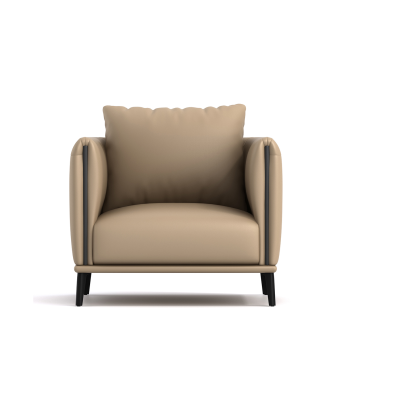


Comprehensive Sourcing Guide
Modern Modular Sectional Sofa Sourcing Guide
Sourcing a Modern Modular Sectional Sofa requires a disciplined approach to balancing aesthetic flexibility with structural integrity. The term "modern" in this context often encompasses a spectrum of styles, including contemporary minimalist designs and American-inspired variants that feature medium back heights and defined armrests. Buyers must recognize that "modular" implies a configuration system, yet the physical products observed often present as fixed units or specific model numbers such as E2052, CX7001, or YF2618-1. This discrepancy highlights the need for precise communication with suppliers regarding whether the product is truly a reconfigurable system or a pre-assembled sectional that mimics modular aesthetics. The primary decision point for the buyer is determining whether the end-user requires true reconfigurability for changing spaces or simply the visual appeal of a segmented design within a fixed footprint.
The material composition and finish are critical differentiators in this category, with fabric being the dominant material observed across listings. Options range from plush textiles to specific weaves like Cloud DOT Corduroy, with cover materials explicitly listed as linen, velvet, or general fabric. The internal structure typically relies on a wood frame, which provides the necessary durability for a new condition product, while padding is consistently identified as sponge. Buyers should verify the density and quality of the sponge padding, as this directly impacts long-term comfort and resilience. Additionally, the presence of a medium back and armrests suggests a design focused on ergonomic support and traditional seating comfort, which may appeal to residential clients seeking a balance between modern lines and classic usability.
Product Scope and Observed Listing Signals
The observed market signals indicate a wide variance in product specifications, suggesting that the "modern modular" label is applied broadly across different manufacturing capabilities. Listings show a price range from approximately $97 to over $12,700, which reflects the disparity between basic fabric-covered units and high-end, fully customized sectional systems. The minimum order quantity (MOQ) ranges from 1 to 100 units, indicating that suppliers cater to both small boutique orders and large-scale commercial projects. Buyers must assess their volume requirements against the supplier’s flexibility, noting that customization is available, which may incur additional costs or longer lead times. The condition of all observed products is listed as new, ensuring that buyers are not dealing with refurbished or second-hand inventory, which is crucial for maintaining brand reputation in the furniture sector.
Packaging and logistics data reveal significant variations in how these sofas are prepared for shipment, which directly impacts freight costs and handling requirements. Observed packing methods include sea freight containers, woven bags, and cardboard boxes, with specific volume measurements such as 0.15 CBM, 0.26 CBM, and 1 CBM noted for different models. This variability underscores the importance of verifying the exact packed dimensions and weight for each specific model number, such as the YF409 or YF2618-1, to accurately calculate landed costs. The gross and net weights also vary considerably, from around 50 pounds to over 160 pounds, which affects not only shipping fees but also the ease of installation and placement within the end-user’s space. Buyers should prioritize suppliers who provide clear, model-specific packing details to avoid unexpected logistics challenges.
Technical Specifications to Verify
Verifying the exact dimensions and model specifications is the first critical step in ensuring the product meets the spatial requirements of the end-user. Observed product dimensions range from compact units measuring 664928 inches to larger configurations reaching 11268.9022.83 inches, with some standards citing 16002000 mm or 168125*72 cm. Buyers must confirm whether these dimensions refer to the individual modules or the assembled sectional, as confusion in this area can lead to significant fitting issues. The standard configurations observed include 1+2+3 setups, which suggest a multi-piece arrangement, but the exact number of pieces and their individual sizes must be explicitly defined in the purchase order. Relying on generic standard numbers without detailed dimensional drawings can result in mismatched components or inadequate seating capacity.
The structural and material specifications require close scrutiny to ensure durability and aesthetic consistency. The frame material is consistently identified as wood, which is a reliable choice for structural support, but the type of wood and joinery methods are not always specified. Buyers should request details on the wood species and construction techniques to assess longevity. The fabric options, including plush, linen, velvet, and cloud dot corduroy, offer diverse tactile experiences, but the color availability, such as white, camel, or beige, must be confirmed against the supplier’s current inventory. Additionally, the non-inflatable nature of these products is a key specification, distinguishing them from air-based furniture, and buyers should ensure that the padding density and cover material are suitable for the intended usage environment, whether residential or commercial.
Compliance and Safety Documentation
Compliance with fire retardant standards is a non-negotiable aspect of sourcing modern sectional sofas, particularly for commercial applications. Observed listings reference multiple fire retardant standards, including CAL and ISO, which indicate that suppliers may produce to different regulatory requirements depending on the target market. Buyers must specify which standard applies to their order, as failure to do so can result in non-compliant products that cannot be legally sold or installed in certain jurisdictions. The presence of these standards suggests that the sponge padding and fabric covers have been treated or selected to meet specific burn resistance criteria, but buyers should request test reports or certificates to verify that the specific batch of goods meets the agreed-upon standard.
Environmental and chemical safety certifications provide additional assurance regarding the materials used in the sofa’s construction. Observed certifications include FSC, EPA, TECO, CARB, REACH, and Oeko-Tex Standard, which cover a range of environmental and health concerns. FSC certification indicates that the wood frame is sourced from responsibly managed forests, which is increasingly important for sustainability-focused buyers. REACH and Oeko-Tex standards address the chemical safety of the fabrics and padding, ensuring that harmful substances are minimized. Buyers should verify which certifications are valid for the specific model and batch, as not all listed certifications may apply to every product variant. Requesting up-to-date certification documents is essential to maintain compliance and protect against regulatory risks.
Cost Drivers and Commercial Terms
The cost of a Modern Modular Sectional Sofa is influenced by several key factors, including customization, material selection, and order volume. The availability of customization allows buyers to tailor the sofa to specific design requirements, but this flexibility often comes at a premium. Buyers should clarify the scope of customization, such as fabric choice, color, and configuration, and understand how these choices impact the unit price. The observed price range of $97 to $12,700 highlights the significant cost variation based on these factors, with higher prices likely associated with premium fabrics, complex configurations, or additional certifications. Buyers must balance their design aspirations with budget constraints, ensuring that the chosen specifications align with the project’s financial parameters.
Commercial terms, including lead times and payment conditions, are critical for effective supply chain management. The observed delivery time ranges from 7 to 35 days, with a production time of 20 to 30 days, indicating that lead times can vary based on order complexity and supplier workload. Buyers should negotiate clear delivery schedules and include penalties for delays to mitigate the risk of project disruptions. The origin of the products, primarily from China and specifically Foshan, a major furniture manufacturing hub, suggests that buyers should account for international shipping logistics and potential tariffs. Understanding the full cost structure, including manufacturing, packaging, shipping, and duties, is essential for accurate budgeting and avoiding unexpected expenses.
Supplier Qualification and Quality Control
Supplier qualification is a vital step in ensuring a reliable sourcing relationship, particularly when dealing with manufacturers and factories in China. Buyers should verify the supplier’s business license, production capacity, and export experience to assess their ability to meet order requirements. The observation that suppliers are categorized as manufacturers or factories suggests a direct relationship with production, which can offer cost advantages and greater control over quality. However, buyers should conduct due diligence to confirm that the supplier has the necessary infrastructure and expertise to produce high-quality modern sectional sofas. Requesting references or case studies from previous clients can provide additional insight into the supplier’s reliability and performance.
Quality control measures must be established to ensure that the delivered products meet the agreed-upon specifications. Buyers should implement a robust inspection process, including pre-production samples and final random inspections, to identify and rectify any defects before shipment. The variability in observed specifications, such as weight, volume, and dimensions, underscores the need for precise quality checks against the purchase order. Buyers should define clear acceptance criteria for fabric quality, frame construction, and overall finish, and communicate these standards to the supplier. Establishing a feedback loop for continuous improvement can help maintain consistent quality levels and address any recurring issues promptly.
Long-Term Procurement Checks
Long-term procurement success depends on establishing a sustainable and adaptable supply chain that can evolve with market demands. Buyers should regularly review supplier performance metrics, including on-time delivery, product quality, and responsiveness to issues, to identify areas for improvement. Building a strong relationship with the supplier can facilitate better communication and collaboration, leading to more favorable terms and priority treatment during peak seasons. Buyers should also stay informed about industry trends and regulatory changes, such as updates to fire retardant standards or environmental certifications, to ensure ongoing compliance. Proactive engagement with the supplier can help anticipate and mitigate potential risks, ensuring a stable supply of modern modular sectional sofas.
Continuous evaluation of product performance and customer feedback is essential for maintaining product relevance and quality. Buyers should monitor how the sofas perform in the end-user environment, paying attention to issues such as fabric wear, frame stability, and comfort retention. This feedback can inform future purchasing decisions and guide discussions with the supplier regarding product improvements or new designs. Buyers should also consider the lifecycle of the product, including maintenance requirements and end-of-life disposal, to align with sustainability goals. By adopting a strategic approach to long-term procurement, buyers can build a resilient supply chain that supports their business objectives and delivers value to their customers.
FAQs
What certifications do the modern modular sectional sofas have?
The products hold FSC, EPA, TECO, CARB, REACH, and Oeko-Tex Standard certifications. These credentials ensure compliance with environmental and safety regulations for wood materials and fabric components used in the manufacturing process.
Can I request customization for the sofa style and fabric?
Customization is available for these modern modular sectional sofas. Buyers can select from various cover options including linen, velvet, and fabric, while the style remains consistent with modern or American design preferences.
How long does production take for a custom order?
Production time typically ranges from 20 to 30 days for these units. The total delivery period spans 7 to 35 days depending on the specific shipping method and destination requirements for the finished furniture.
Which materials are used for the sofa frame and padding?
The frame is constructed from wood while the padding utilizes sponge material. The surface covers are made of fabric, with specific options like plush or cloud dot corduroy available for different model configurations.
What is the minimum order quantity for these sofas?
The minimum order quantity ranges from 1 to 100 units depending on the specific supplier and model. Buyers should verify the exact MOQ for their selected product model before finalizing the purchase agreement.
How are the sofas packed for sea shipping?
Packing methods include woven bags, cardboard boxes, or sea shipping containers based on the specific model. This ensures the furniture arrives safely while maintaining the structural integrity of the wood frame and fabric cover.