Find Modern Nordic Swivel Dining Chair for Hotel, Home, and Dining Room
Source 30 Modern Nordic Swivel Dining Chair options from verified suppliers. Compare specifications including fabric, dimensions, and customization to find the right leisure chair for your hotel, home, or dining room needs.
Key considerations
Products List


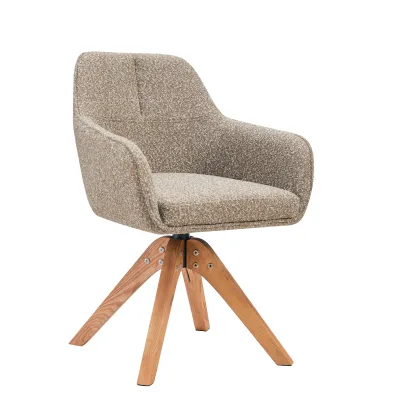

Restaurant Chair Nordic Dining Room Chairs Modern Furniture Fabric Dining Chairs
$16.70 - $17.70
MOQ: 100 Pieces


Stylish Nordic Modern Dining Chair with Leather Seat for Hotel Restaurant Home
$10.00 - $18.00
MOQ: 100 Pieces


Modern Furniture and Dining Chair for Nordic Style Integrated Dining Living Space
$10.00 - $18.00
MOQ: 100 Pieces

Comfortable Nordic Design Dining Chair with Upholstered Seat for Restaurant Event
$10.00 - $18.00
MOQ: 100 Pieces


Chairs for Dining Modern Chairs Dining Leisure Velvet Nordic Dining Chair
$217.00 - $299.00
MOQ: 1 Pieces


Comprehensive Sourcing Guide
Strategic Sourcing Guide for Modern Nordic Swivel Dining Chairs
Understanding the Product Category and Design Attributes
The Modern Nordic Swivel Dining Chair represents a specific intersection of aesthetic minimalism and functional versatility. In the current global B2B market, this category is defined by clean lines, neutral color palettes, and an emphasis on material quality that supports a "less is more" philosophy. When sourcing these items, buyers must distinguish between fixed-base and rotary models, as the mechanical requirements differ significantly. The observed market data indicates a clear divergence in product configurations, with some units featuring rotary mechanisms while others are fixed. This distinction is critical for procurement teams, as the rotary feature directly impacts the complexity of the manufacturing process and the subsequent cost structure.
The aesthetic profile of these chairs typically aligns with a modern style, characterized by unadorned silhouettes and functional forms. The absence of armrests is a common attribute in specific sub-segments of this category, designed to maximize seating density in dining rooms, hotels, or study areas. Conversely, models with armrests offer enhanced comfort for longer dining sessions. The color spectrum observed in the supply chain ranges from white to grey, allowing buyers to match specific interior design schemes. The material composition is another pivotal variable; while fabric is a dominant choice for the seat and backrest, the structural legs are frequently constructed from wood, providing a warm contrast to the cooler tones of the upholstery.
Technical Specifications and Dimensional Standards
Precision in technical specifications is paramount when ordering custom or semi-custom furniture. The physical dimensions of the chair dictate its suitability for various table heights and room layouts. Available data points suggest that standard dimensions for these units often fall within specific ranges, such as a width of 48 to 60 centimeters, a depth of 50 to 62 centimeters, and a height that is adjustable or fixed between 76 and 86 centimeters. For buyers requiring exact fits, the model number serves as a unique identifier for these specifications. For instance, specific models are cataloged with precise measurements like W57D62H79cm or W58D55H85cm.
The structural integrity of the chair is equally important. The weight capacity is a critical safety metric, with observed standards indicating a load-bearing limit of up to 150 kilograms. This figure ensures the chair can support adult users comfortably without risk of structural failure. The folding mechanism is another technical specification to verify; while some modern designs are rigid and non-folding to ensure stability, others may offer foldable options for storage efficiency. In the context of the modern Nordic style, the "unfolded" state is the primary configuration for dining use, emphasizing a solid, grounded presence. The shape of the base, whether rectangular or otherwise, must be compatible with the intended table arrangement to prevent tipping or instability during use.
Cost Drivers and Pricing Dynamics
The pricing of modern Nordic swivel dining chairs is influenced by a complex matrix of factors, including material selection, customization levels, and order volume. The observed market price range spans from approximately 9.9 USD to 299 USD, reflecting the vast disparity between basic, mass-produced units and high-end, fully customized pieces. Several key drivers contribute to this variance. First, the choice of fabric plays a significant role; the ability to select specific fabrics allows for a wide range of price points, from standard textiles to premium, durable weaves. Second, the presence of a rotary mechanism adds mechanical complexity and cost compared to fixed-base models.
Minimum Order Quantity (MOQ) is another decisive factor in the total cost of ownership. While some suppliers may accept orders as low as one unit for sampling, the standard MOQ for production runs is often set at 100 pieces. This threshold is designed to ensure manufacturing efficiency and cost-effectiveness. Buyers should be aware that ordering below the standard MOQ may result in higher per-unit costs or require a premium for setup fees. Additionally, the customization options, such as specific dimensions, colors, or branding (OEM), will invariably increase the unit price. The payment terms, typically structured as a 30% advance payment via Telegraphic Transfer (TT), also influence the cash flow requirements for the buyer, necessitating careful financial planning before finalizing the order.
Compliance, Certification, and Quality Verification
Navigating the compliance landscape for furniture sourcing requires a rigorous approach to verification. While certain certifications like BSCI, FSC, and CE are frequently associated with the furniture industry, their presence for specific products must be confirmed on a case-by-case basis rather than assumed. Buyers should explicitly request certification documents from the supplier to ensure that the wood used in the legs meets sustainable forestry standards (FSC) and that the manufacturing facility adheres to social compliance audits (BSCI). The CE mark, often relevant for products entering the European market, should be verified against the specific product model to ensure it meets the necessary safety and health requirements.
Quality control extends beyond certifications to include material verification and structural testing. The durability of the chair is a primary concern, with many models marketed as "durable" and featuring "revolving" mechanisms. Buyers should request test results or third-party verification reports regarding the weight capacity and the longevity of the swivel mechanism. The warranty period is another indicator of manufacturer confidence; observed warranties range from 3 to 5 years, suggesting a commitment to product longevity. A longer warranty period often correlates with higher quality components and more robust manufacturing processes. It is essential to include these quality assurance metrics in the purchase agreement to protect the buyer against premature product failure.
Supplier Evaluation and Operational Logistics
Selecting the right supplier involves evaluating their operational capabilities, including production capacity, lead times, and logistical reliability. The production origin for these chairs is predominantly China, with specific manufacturing hubs identified in regions such as Hebei and Tianjin. These locations offer established supply chains for both wood and fabric components, which can streamline the production process. However, buyers must verify the specific factory location to ensure it aligns with their ethical sourcing policies and logistical preferences.
Lead time is a critical operational variable. The standard delivery window for these chairs typically ranges from 15 to 30 days, though some suppliers may quote 20 to 30 days depending on the complexity of the order and current production load. This timeframe includes manufacturing, quality inspection, and packing. The packing method is also a logistical consideration; standard practice involves carton packing, often with two pieces per carton to optimize shipping volume and minimize damage during transit. Buyers should confirm that the packaging is robust enough to withstand international shipping and handling, especially for fragile components like wooden legs or swivel mechanisms.
Application Scenarios and Market Fit
The versatility of modern Nordic swivel dining chairs makes them suitable for a wide array of commercial and residential applications. The observed usage categories include bars, hotels, study areas, dining rooms, and bedrooms. In commercial settings such as hotels and restaurants, the durability and ease of cleaning of the fabric are paramount. The swivel feature is particularly valuable in bar settings, allowing patrons to turn easily without moving the entire chair. In residential contexts, the modern aesthetic and neutral colors allow these chairs to blend seamlessly with various interior design styles, from minimalist to contemporary.
The specific use case also dictates the required features. For dining chairs, the "specific use" classification often highlights the need for comfort during extended periods of sitting. The absence of armrests in some models facilitates easier access to the table, which is beneficial in tight dining spaces. Conversely, models with armrests provide better support for guests in hotel lobbies or lounge areas. The "leisure chair" classification suggests a broader application beyond strict dining, encompassing areas where comfort and style are equally important. Buyers should align their product selection with the specific demands of their target market, ensuring that the chair's features match the intended environment.
Long-Term Procurement and Relationship Management
Sourcing modern Nordic swivel dining chairs is not merely a transactional event but a strategic initiative that requires long-term planning. Establishing a strong relationship with a reliable supplier is essential for maintaining consistent quality and securing favorable terms over time. The acceptance of OEM (Original Equipment Manufacturer) services indicates that suppliers are willing to collaborate on branding and customization, which can be a significant advantage for buyers looking to build a distinct product line. However, this requires clear communication and detailed specifications to avoid misunderstandings.
Future-proofing the procurement strategy involves monitoring market trends and technological advancements. As the demand for sustainable materials and smart furniture features grows, buyers should stay informed about new developments in the industry. Regular quality audits and performance reviews of the supplied products will help maintain high standards and identify areas for improvement. By treating product attributes as observations rather than absolute guarantees, buyers can remain agile and responsive to changes in the supply chain. Ultimately, a successful sourcing strategy for these chairs depends on a balance of aesthetic appeal, functional reliability, and operational efficiency, ensuring that the final product meets the expectations of both the buyer and their end customers.
FAQs
Can I customize the fabric and design of these chairs?
Yes, customization is available including fabric selection and OEM branding. The product supports custom options with a standard MOQ of 100 pieces and a delivery time of 15 to 30 days for production.
What are the weight capacity and material specifications?
The chairs support a weight capacity of up to 150 kilograms. They are constructed with fabric upholstery and wooden legs, available in models like UC-915 and UC-850 with specific dimensions.
How long is the delivery time for these dining chairs?
The standard delivery time ranges from 15 to 30 days depending on the order specifics. Some suppliers may quote 20 to 30 days, and the items are typically packed in cartons for shipping.
Which warranty periods are offered for these chairs?
Warranty periods vary between 3 years and 5 years depending on the specific model. Buyers should verify the warranty terms for models like UC-915 or UC-888 before finalizing the purchase agreement.
What is the minimum order quantity for production runs?
The standard minimum order quantity is 100 pieces for most models. While some listings show an MOQ of 1, the production threshold is typically set at 100 to ensure manufacturing efficiency.
Are these chairs suitable for hotel and dining room use?
Yes, these chairs are designed for use in hotels, dining rooms, bars, and bedrooms. They feature a modern style and are available in both rotary and fixed configurations to suit different environments.
What payment terms are required for placing an order?
The standard payment term is 30% in advance via Telegraphic Transfer. This arrangement is common for securing the production run before the manufacturer begins the manufacturing process.