Source Modern Oak Fabric Chair for Hotel, Dining, and Study
Explore 30 listings for the Modern Oak Fabric Chair, featuring options with wood legs, pocket spring cushions, and various styles like luxury or antique. Compare specifications for hotel, dining room, and study applications to find the right fit for your project.
Key considerations
Products List


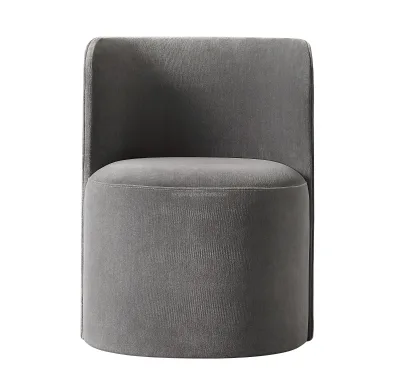


Modern Walnut Accent Chair with Fabric Seat - Contemporary Single Seater
$500.00 - $1500.00
MOQ: 1 Pieces


New Design Modern Solid Wood Chair with Leather and Fabric Upholstery
$500.00 - $1500.00
MOQ: 1 Pieces


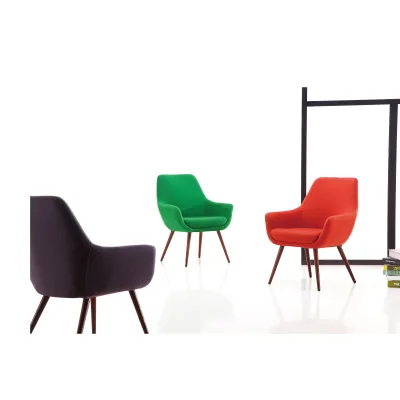


Modern Design Home Furniture High Quality Linen Fabric Upholstered Chair
$25.80 - $26.80
MOQ: 100 Pieces


Comprehensive Sourcing Guide
Modern Oak Fabric Chair Sourcing Guide
Sourcing modern oak fabric chairs requires a disciplined approach to balancing aesthetic appeal with structural integrity and commercial viability. Buyers must navigate a market where "modern" styles often intersect with luxury finishes, demanding careful verification of material composition and construction methods. The observed product landscape indicates a strong presence of customization options, allowing purchasers to tailor dimensions and upholstery to specific interior design schemes. This flexibility is crucial for hospitality and residential projects where uniformity and brand identity are paramount.
Procurement teams should prioritize suppliers who demonstrate transparency in their manufacturing processes and supply chain origins. The available data suggests that many offerings originate from established manufacturing hubs, providing access to skilled labor and mature supply networks. However, buyers must rigorously assess the quality of the oak veneer or solid wood components, as well as the durability of the fabric selections. Understanding the interplay between these materials ensures that the final product meets both visual expectations and long-term performance standards in high-traffic environments.
Product Scope and Observed Listing Signals
The current market for modern oak fabric chairs reveals a diverse range of configurations, including dining, leisure, and bar styles. Listings frequently highlight features such as pocket spring and foam seat cushions, which contribute to comfort and longevity. Buyers will encounter various leg designs, predominantly wood, which complement the oak theme and provide stable support. The presence of armrests and specific shapes, such as rectangles, indicates a focus on ergonomic design and spatial efficiency. These attributes are essential for creating cohesive seating arrangements in hotels, dining rooms, and home offices.
Customization is a prevalent theme, with many suppliers offering tailored sizes and styles to meet unique project requirements. The observed product models, such as mc1404 and CX6004, suggest a standardized yet adaptable production framework. Packaging methods vary from cartons to woven bags and wood packages, reflecting the need for secure transit of fragile components. Buyers should pay close attention to these packaging details to minimize damage during shipping and ensure that the chairs arrive in pristine condition for installation.
Technical Specifications to Verify
Verifying technical specifications is critical to ensuring that the chairs meet functional and aesthetic requirements. Buyers should confirm the exact dimensions of the chairs, as standard sizes like 565989 may not suit all spaces. The model numbers provided, such as F21D051, serve as unique identifiers for tracking and reordering, so accuracy is essential. Additionally, the weight of individual units, observed at around 68 kg, impacts handling and installation logistics. Understanding these physical attributes helps in planning storage, transportation, and assembly processes effectively.
The construction details, including the use of wood legs and specific cushioning systems, must be validated against project specifications. Buyers should request detailed technical drawings or samples to assess the quality of the oak finish and fabric weave. The folded state of the chairs, typically unfolded for delivery, affects packaging volume and shipping costs. Confirming these details with the supplier prevents misunderstandings and ensures that the delivered products align with the intended design and functional goals of the procurement project.
Compliance and Safety Documentation
Compliance with safety and environmental standards is a non-negotiable aspect of modern furniture procurement. Buyers must ensure that the chairs meet relevant fire safety regulations, particularly for hospitality applications where occupancy density is high. Documentation such as material safety data sheets and fire test reports should be requested to verify compliance. While some certifications like FSC may be mentioned, buyers should independently verify the status of such claims to ensure sustainable sourcing practices are genuinely followed.
Additionally, structural integrity and stability tests are crucial to prevent accidents and ensure user safety. Buyers should inquire about the testing protocols used by the supplier to validate the durability of the oak frame and fabric upholstery. Compliance with international standards for furniture safety, such as those related to load-bearing capacity and tip-over resistance, is essential. Obtaining and reviewing these documents provides legal protection and enhances the reputation of the procurement project by demonstrating a commitment to quality and safety.
Cost Drivers and Commercial Terms
Understanding the cost drivers associated with modern oak fabric chairs is vital for effective budget management. Factors such as material quality, customization complexity, and packaging requirements significantly influence the final price. The observed price range of 11.5 to 5000 USD reflects the diversity in product tiers and specifications. Buyers should analyze these costs in relation to the expected lifespan and maintenance requirements of the chairs to determine the true value proposition.
Commercial terms, including payment methods and delivery times, also play a crucial role in the procurement process. Terms like T/T payment and lead times of 25-30 days are common, but buyers should negotiate for flexibility to accommodate project schedules. Minimum order quantities (MOQs) vary, with some suppliers offering as low as 1 piece, which is beneficial for small-scale projects. Clear communication regarding these terms helps in avoiding hidden costs and ensures a smooth transaction from order placement to delivery.
Supplier Qualification and Quality Control
Supplier qualification is a critical step in mitigating risks associated with furniture procurement. Buyers should conduct thorough due diligence on potential suppliers, assessing their manufacturing capabilities, quality control processes, and track record. Visiting factories or requesting third-party audit reports can provide valuable insights into the supplier's operational standards. This verification process helps in identifying suppliers who consistently deliver high-quality products and adhere to agreed-upon specifications.
Quality control measures should be implemented throughout the production process to ensure consistency and reliability. Buyers should establish clear quality benchmarks and conduct pre-shipment inspections to verify that the chairs meet these standards. Checking for defects in the oak finish, fabric stitching, and structural assembly is essential. By maintaining rigorous quality control protocols, buyers can minimize the risk of receiving substandard products and ensure that the final installation meets the desired aesthetic and functional criteria.
Long-Term Procurement Checks
Long-term procurement success depends on establishing strong relationships with reliable suppliers and implementing continuous improvement strategies. Buyers should regularly review supplier performance metrics, such as delivery accuracy, product quality, and responsiveness to issues. This ongoing evaluation helps in identifying potential problems early and fostering a collaborative partnership that benefits both parties. Maintaining open communication channels ensures that any changes in project requirements or market conditions can be addressed promptly.
Additionally, buyers should stay informed about industry trends and technological advancements in furniture manufacturing. This knowledge enables them to make informed decisions about future purchases and adapt to changing market dynamics. Regularly updating procurement strategies and supplier portfolios ensures that the organization remains competitive and responsive to customer needs. By focusing on long-term value creation, buyers can secure a steady supply of high-quality modern oak fabric chairs that enhance their projects and satisfy end-users.
FAQs
What customization options are available for modern oak fabric chairs?
Customization is available for these modern oak fabric chairs to meet specific buyer needs. You can select different sizes, styles, and materials like wood legs or pocket spring cushions. The products come in various applications including hotels, dining rooms, and home offices, allowing for tailored solutions.
How are these modern oak fabric chairs packaged for shipping?
Packaging varies by model, with options including cartons, woven bags, or wood packages depending on the specific item. For instance, some units use cartons while others utilize woven bags or wood packaging. This ensures safe transport while accommodating different product dimensions and weight requirements.
Which lead times should I expect for Modern Oak Fabric Chair orders?
The standard delivery time for these chairs is typically between 25 to 30 days after order confirmation. This timeframe applies to the production and shipping process for the listed models. Buyers should plan their procurement schedules accordingly to ensure timely receipt of the furniture.
Can I order a single unit of modern oak fabric chairs?
Yes, you can order a single unit as the minimum order quantity is one piece for some models. This flexibility allows buyers to test the product quality before committing to larger bulk orders. It is ideal for small businesses or individual buyers seeking specific furniture pieces.
What payment terms are accepted for Modern Oak Fabric Chair purchases?
The accepted payment term for these transactions is T/T, which stands for Telegraphic Transfer. This method is standard for international trade and ensures secure financial processing between buyers and suppliers. Buyers should arrange this payment method prior to the finalization of the shipping schedule.
Where are these modern oak fabric chairs manufactured?
These chairs originate from China, with specific production locations including Tianjin. The manufacturing base supports the supply of various styles such as modern, luxury, and antique designs. This origin ensures access to established production capabilities and material sourcing networks.
What warranty is provided for modern oak fabric chairs?
A two-year warranty is provided for these modern oak fabric chairs to cover potential defects. This guarantee ensures durability and reliability for the furniture in various settings like hotels or homes. Buyers can rely on this coverage for peace of mind regarding the product's long-term performance.