Source Modern Office LED Linear Light for offices, corridors, and meeting rooms
Explore 30 verified listings for Modern Office LED Linear Light featuring aluminum bodies, Osram or Tridonic drivers, and CRI ratings above 80. Buyers can compare customizable lengths, color temperatures, and IP ratings to match specific office building requirements.
Key considerations
Products List


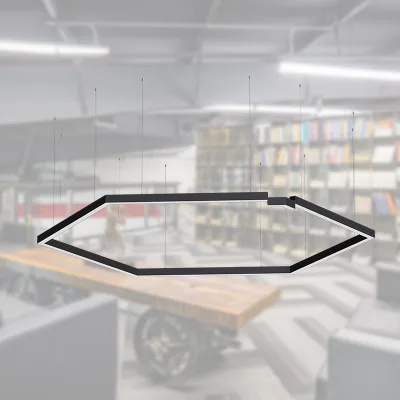

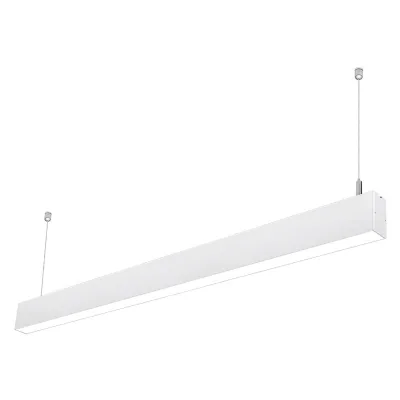


Modern Office Lighting Suspended LED Linear Light with 2.4m 80W Downward Lighting
$20.00 - $100.00
MOQ: 1 Pieces


Comprehensive Sourcing Guide
Strategic Sourcing Guide for Modern Office LED Linear Lighting
The procurement of modern office LED linear lights requires a disciplined approach that balances aesthetic integration with rigorous technical performance. In the current B2B market, these fixtures are defined by their sleek, minimalist profiles and their ability to provide uniform illumination for high-density workspaces. Buyers must navigate a complex landscape of specifications, certifications, and supply chain variables to ensure the selected products meet both operational needs and regulatory compliance. This guide outlines the critical factors for sourcing these lighting solutions, grounded in observed market data and verified product attributes.
Technical Specifications and Optical Performance
When evaluating modern office LED linear lights, the primary focus must be on optical consistency and driver reliability. The core technology relies on Light Emitting Diodes (LED) as the light source, which offers superior energy efficiency and longevity compared to traditional fluorescent alternatives. A critical metric for office environments is the Color Rendering Index (CRI). Market observations indicate that high-quality units typically offer a CRI greater than 80, with premium options reaching above 90. This ensures that colors in the workspace appear natural, which is essential for detailed tasks and reducing eye strain.
The color temperature (CCT) is another vital specification. Buyers should verify that the product supports a range of 3000K to 6000K, allowing for customization between warm white and cool white tones to suit different office cultures. Some advanced models offer changeable emitting colors, providing flexibility for dynamic lighting scenes. The physical dimensions of the fixture are equally important. Standard lengths observed in the market include 600mm, 1200mm, 1450mm, 1800mm, 2400mm, 3000mm, and 3600mm. Crucially, the industry standard supports customized lengths upon request, enabling seamless integration into non-standard ceiling grids.
The driver is the heart of the lighting system. Reliable sourcing requires verifying the use of reputable driver brands such as Osram, Tridonic, or specialized flicker-free drivers. The absence of flicker is non-negotiable for office environments to prevent headaches and visual fatigue. Input voltage compatibility is typically AC 85-240V, ensuring global operability. Furthermore, the lamp body material is predominantly aluminum or aluminum alloy, often combined with PC (polycarbonate) for the shade. This material choice ensures heat dissipation and structural durability. The finishing color options generally include black, white, golden, silver, and timber finishes, allowing for design cohesion with office interiors.
Compliance and Certification Verification
Compliance is a foundational element of B2B procurement, particularly for commercial office projects. Buyers must rigorously verify that products carry recognized safety and quality certifications. The most frequently observed certification in the current market is CE, which indicates conformity with health, safety, and environmental protection standards for products sold within the European Economic Area. Additionally, SAA certification is a critical standard for the Australian market, and its presence on a product listing is a strong indicator of compliance for that region.
Beyond safety, buyers should assess the IP (Ingress Protection) rating. While many office fixtures are rated IP44, which offers protection against water splashes and solid objects larger than 1mm, specific applications may require higher ratings. Some product data suggests an irradiated area of 15-30 square meters or greater than 30 square meters, which correlates with the fixture's output and coverage capabilities. It is essential to confirm that the IP rating matches the specific environmental conditions of the installation site.
Quality standards also extend to the physical construction. The standard cross-section for many linear lights is observed as W68mm x H80mm, though this can vary based on the specific model. Buyers should verify that the product adheres to export standard packaging, which often involves cartons or wooden frames to prevent damage during transit. The origin of the product is predominantly China, with specific manufacturing hubs in Guangdong. While this is a common origin, it necessitates strict quality control protocols to ensure that the "Export Standard" claims are met in practice.
Cost Drivers and Pricing Structures
Understanding the cost drivers for modern office LED linear lights is essential for budget planning. The observed price range in the market is broad, spanning from $0.50 to $262.99 USD. This variance is not arbitrary but is driven by several key factors. The most significant driver is the quality of the LED chips and the driver. Products utilizing Samsung LED chips or premium drivers like Osram and Tridonic command higher prices due to their superior performance and reliability. Conversely, units with generic components will fall at the lower end of the price spectrum.
The level of customization also heavily influences cost. While standard lengths are often available at lower price points, requesting customized lengths or specific finishing colors (such as timber finishes) can increase the unit price. The complexity of the design, such as splicing capabilities or integrated features like dimming, motion sensors, and emergency functions, adds to the manufacturing cost. For instance, models with advanced functions like MW sensors or emergency lighting capabilities will be priced higher than basic switch-controlled units.
Minimum Order Quantity (MOQ) is another critical cost factor. The market shows an MOQ range from 1 piece to 500 pieces. Suppliers offering an MOQ of 1 piece are ideal for prototyping or small-scale renovations, but the unit cost may be higher. Bulk orders typically benefit from economies of scale, reducing the per-unit cost. Buyers must balance their immediate project needs with the potential for future expansion to optimize their procurement strategy. The warranty period, often observed as 5 years, also reflects the manufacturer's confidence in the product and should be factored into the total cost of ownership.
Typical Applications and Design Integration
Modern office LED linear lights are designed primarily for commercial and institutional settings. The most common application cited is the office building, where they provide uniform, glare-free illumination for workstations, conference rooms, and open-plan areas. The design style is consistently described as modern and minimalist, featuring sleek profiles that blend seamlessly into contemporary ceiling systems. The shade shape is often categorized as "Others," indicating a variety of custom profiles that can be tailored to specific architectural requirements.
The versatility of these fixtures allows them to be used in various office layouts. With control modes including switch control and remote control, they can be integrated into smart building systems for energy management. The ability to dim the lights further enhances their utility, allowing for adjustments based on natural light availability or time of day. The irradiated area capabilities, ranging from 15 to over 30 square meters, make them suitable for both small private offices and large open spaces.
In addition to general office use, the robust construction of these lights, often featuring anti-corrosion and dust-proof features, makes them suitable for environments that may require slightly higher durability. The use of aluminum alloy bodies ensures that the fixtures can withstand the thermal cycling common in large commercial buildings. The design style, often minimalist, complements the aesthetic of modern corporate headquarters, creating a professional and inviting atmosphere.
Supplier Evaluation and Quality Control
Evaluating suppliers for modern office LED linear lights requires a multi-faceted approach. Buyers should prioritize suppliers who provide transparent documentation regarding their components. The presence of specific brand names for drivers and LED chips, such as Osram, Tridonic, or Samsung, is a strong indicator of a reputable supplier. Conversely, vague descriptions of components should raise red flags.
Quality control processes are paramount. Buyers should verify that the supplier adheres to export standard packaging, which typically includes carton or wooden frame packaging to ensure the products arrive in pristine condition. The finishing process, which includes options like black, white, golden, silver, and timber finishes, must be consistent and free from defects. The Sdcm (Standard Deviation of Color Matching) value is a critical quality metric; a value of less than 4 indicates high color consistency across multiple units, which is essential for large-scale installations where color shifts are noticeable.
Suppliers should also demonstrate a commitment to long-term performance. The observed lifespan of 89,000 hours is a significant selling point, but buyers must verify the testing conditions under which this figure was achieved. Warranty terms, such as the 5-year warranty observed in the market, serve as a guarantee of the supplier's confidence in their product. It is advisable to request sample units for independent testing before committing to a large order. This allows the buyer to verify the actual CRI, color temperature accuracy, and driver performance.
Long-Term Procurement Considerations
Sourcing modern office LED linear lights is not just about the initial purchase; it is an investment in the long-term operational efficiency of the building. The energy efficiency of LED technology, combined with features like dimming and sensor control, offers significant cost savings over the lifespan of the fixture. The 89,000-hour lifespan suggests that these lights will require minimal replacement, reducing maintenance costs and downtime.
Buyers should also consider the scalability of their lighting systems. The availability of customized lengths and splicing capabilities allows for future expansions or modifications without the need to replace the entire system. The flexibility in color temperature and control modes ensures that the lighting can adapt to changing office needs or reconfigurations of the workspace.
Finally, the supply chain stability is a crucial long-term consideration. Suppliers with a proven track record in exporting from China, particularly from established manufacturing hubs like Guangdong, are more likely to maintain consistent quality and delivery schedules. Buyers should establish clear communication channels and agree on lead times to avoid disruptions in project timelines. By focusing on these long-term factors, buyers can ensure that their investment in modern office LED linear lighting delivers value for years to come.
Comparative Analysis of Key Product Attributes
To facilitate decision-making, the following table summarizes the key attributes observed in the market for modern office LED linear lights. This comparison highlights the variability in specifications and helps buyers identify the features most relevant to their specific project requirements.
| Attribute Category | Common Observation | Premium/High-End Observation | Verification Requirement |
|---|---|---|---|
| Light Source | LED | LED with Samsung Chips | Verify chip brand and binning |
| Color Rendering | CRI > 80 | CRI > 90 | Request CRI test reports |
| Driver Brand | Generic | Osram, Tridonic, Flicker-Free | Confirm driver model and warranty |
| Standard Lengths | 600-3600mm | Customized Lengths Available | Confirm lead time for custom orders |
| Material | Aluminum + PC | Aluminum Alloy Body | Check for corrosion resistance |
| Certifications | CE | CE, SAA | Verify certificate validity |
| Warranty | Standard | 5 Years | Review terms and conditions |
| Control Mode | Switch Control | Remote, Dimming, Sensor | Test functionality on samples |
| IP Rating | IP44 | IP Rating > 30m² Irradiation | Match to environmental needs |
This structured approach to sourcing ensures that buyers can navigate the complexities of the Modern Office LED Linear Light market with confidence. By focusing on verified technical specifications, robust compliance, and long-term value, procurement teams can secure lighting solutions that enhance both the functionality and aesthetics of their office environments.
FAQs
What certifications are available for Modern Office LED Linear Light?
These fixtures typically carry CE and SAA certifications to ensure safety compliance. CE marks conformity with European standards, while SAA is required for the Australian market. Buyers should verify these specific marks on product listings to meet regional regulatory requirements.
Which driver brands are used in Modern Office LED Linear Light?
Reputable manufacturers use drivers from Osram, Tridonic, or Boke to ensure reliability. Some models also feature flicker-free drivers to prevent visual fatigue in office environments. Selecting units with these branded drivers guarantees stable performance and longevity.
Can Modern Office LED Linear Light be customized to specific lengths?
Yes, customized lengths are available upon request to fit non-standard ceiling grids. Standard options include 600mm, 1200mm, 1450mm, 1800mm, 2400mm, 3000mm, and 3600mm. Buyers can request specific dimensions to ensure seamless integration into their office architecture.
What is the typical MOQ for ordering Modern Office LED Linear Light?
The minimum order quantity ranges from 1 piece to 500 pieces depending on the supplier. An MOQ of 1 piece is ideal for prototyping or small renovations, while bulk orders often benefit from lower unit costs. Buyers should confirm the specific MOQ with their chosen vendor.
How does the CRI rating affect Modern Office LED Linear Light performance?
High-quality units offer a Color Rendering Index greater than 80, with premium options exceeding 90. This metric ensures colors in the workspace appear natural, which is essential for detailed tasks. A higher CRI reduces eye strain and improves visual comfort for employees.
Which materials are used for the lamp body of Modern Office LED Linear Light?
The lamp body is predominantly made of aluminum or aluminum alloy for durability. Some models combine aluminum with PC shades to enhance heat dissipation and structural integrity. These materials ensure the fixtures can withstand thermal cycling in large commercial buildings.
What warranty period is standard for Modern Office LED Linear Light?
A 5-year warranty is commonly observed for these lighting fixtures in the market. This warranty reflects the manufacturer's confidence in the product's lifespan, which can reach up to 89,000 hours. Buyers should verify the warranty terms to ensure long-term protection for their investment.