Source Modern PP Beauty Salon Trolley for Hair, Barber, and Beauty Salons
Source a Modern PP Beauty Salon Trolley from 30 available options. Compare features like 360-degree swivel wheels, 3 or 4 layers, and metal or plastic construction. Ideal for hair salons, barber shops, and beauty salons, these carts offer movable storage and contemporary design.
Updated
Key considerations
Products List
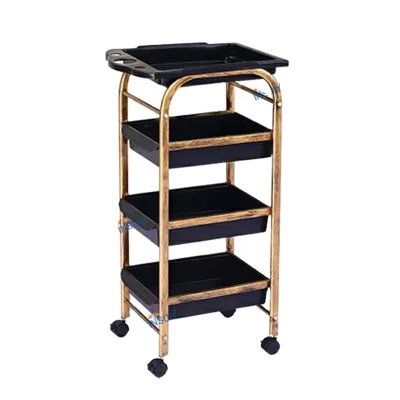


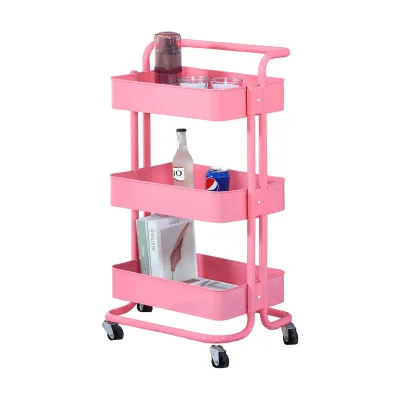
Beauty Salon Trolley Cart Professional Salon Beauty Cart Rolling Trolley
$12.10 - $17.80
MOQ: 10 Pieces

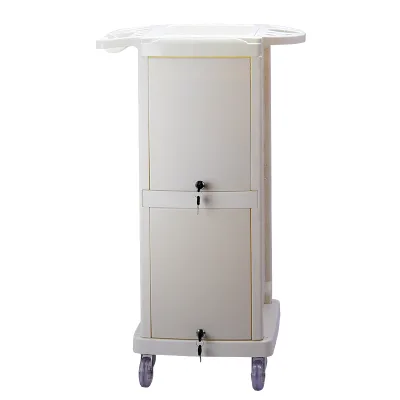
Hot Selling Multifunction Trolley Cart Modern Beauty Modern Beauty Salon Trolley
$12.80 - $18.50
MOQ: 10 Pieces


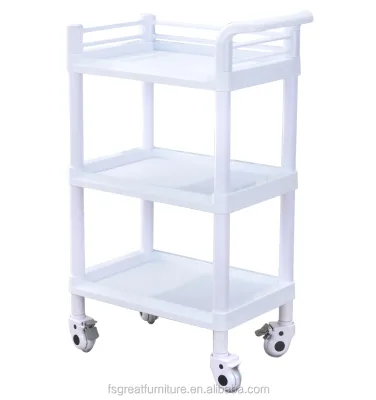
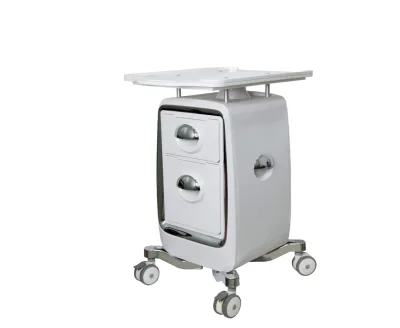
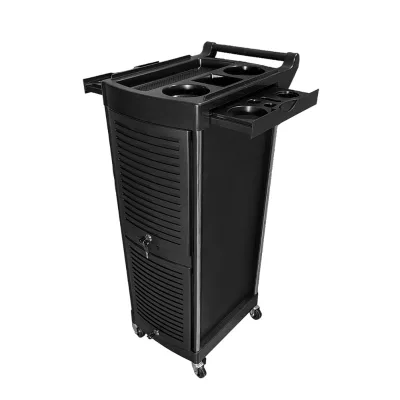
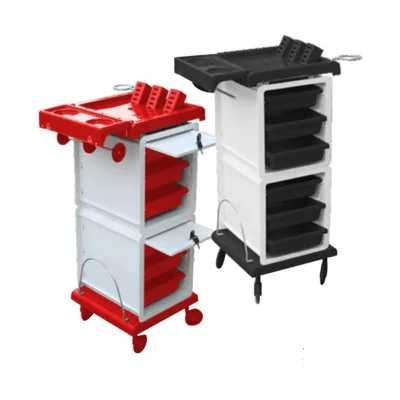
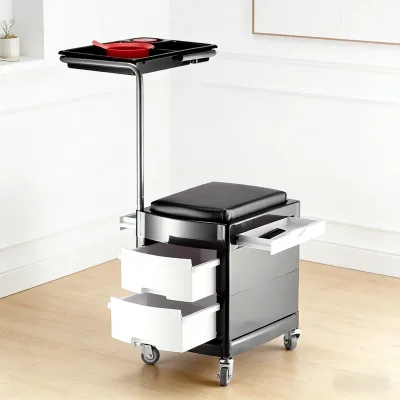
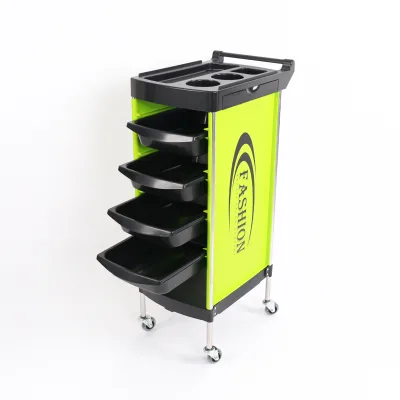
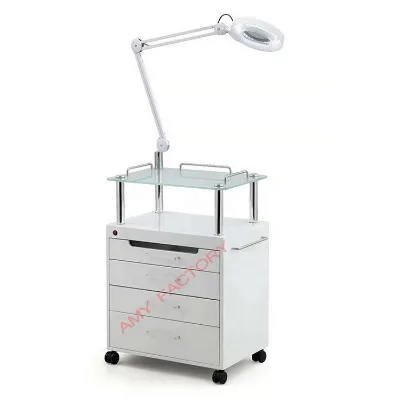
Factory Direct Supply Classics Styling Beauty Salon Trolley for Ally Barber
$13.10 - $14.50
MOQ: 100 units
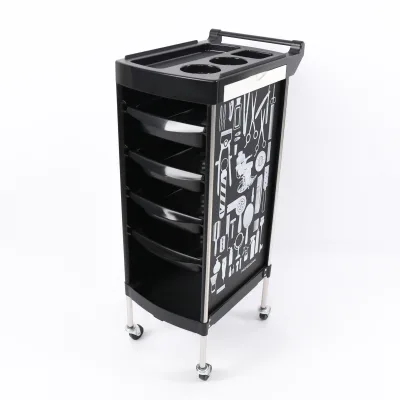
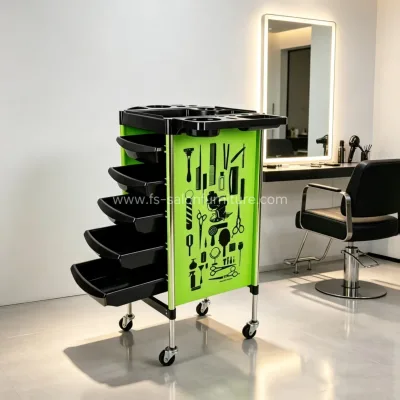
Hot Selling Popular Beauty Salon Working Trolley for Hairdresser Shop
$14.8143 - $16.4775
MOQ: 200 units
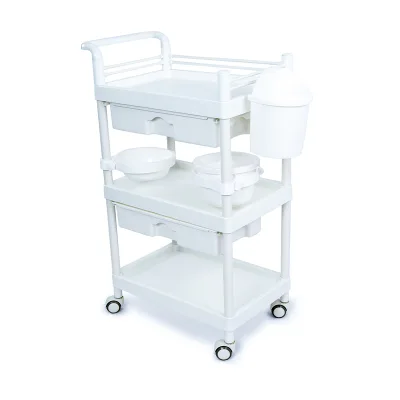
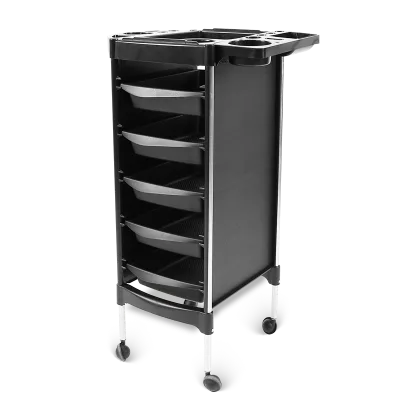
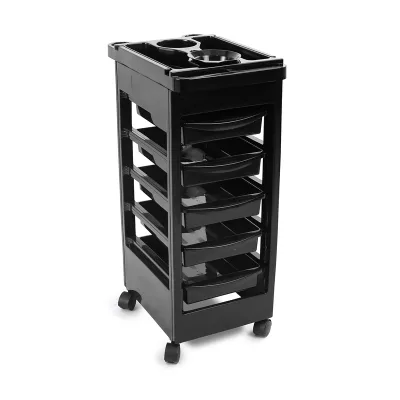
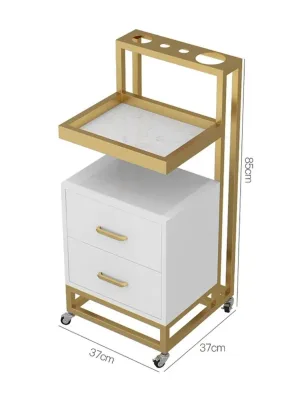


Comprehensive Sourcing Guide
Modern PP Beauty Salon Trolley Sourcing Guide
Procuring modern polypropylene (PP) beauty salon trolleys requires a clear understanding of the material’s specific advantages and limitations in a high-traffic commercial environment. Polypropylene offers a lightweight yet durable alternative to traditional metal or glass carts, making it ideal for mobile styling stations where frequent repositioning is necessary. Buyers must evaluate how the plastic construction interacts with salon hygiene protocols, as smooth, non-porous surfaces are easier to sanitize between clients. This material choice also influences the overall aesthetic, allowing for contemporary designs that fit seamlessly into modern salon decor while maintaining structural integrity under daily use.
The sourcing landscape for these trolleys is dominated by manufacturers in Guangdong, China, who leverage established supply chains for both plastic injection molding and metal frame assembly. While the core keyword emphasizes PP, observed listings reveal a mix of materials, including tempered glass and painted metal, indicating that buyers must carefully filter suppliers to find pure or hybrid PP constructions. Understanding the specific layer configuration and wheel type is critical, as these factors directly impact the trolley’s stability and storage capacity. Sourcing from this region often provides competitive pricing and customization options, but it necessitates rigorous verification of material grades to ensure the plastic does not become brittle or discolored over time.
Product Scope and Observed Listing Signals
The observed product scope for modern salon trolleys spans various configurations, primarily targeting beauty salons, barber shops, and leisure facilities. Listings indicate a strong preference for multi-layer designs, with three and four-layer options being prevalent to maximize storage for tools, products, and linens. The application extends beyond simple transport, serving as functional workstations that enhance workflow efficiency. Buyers should note that while the core keyword specifies PP, many observed products feature mixed materials, such as tempered glass tops or metal frames, which may offer different durability profiles. It is essential to distinguish between pure plastic carts and composite designs to align with specific aesthetic and functional requirements.
Key listing signals highlight features such as 360-degree swivel wheels, which are often described as special medical wheels for enhanced mobility and stability. These wheels are crucial for navigating tight salon spaces and ensuring smooth movement during treatments. Additionally, the presence of customizable options allows buyers to tailor the trolley to their brand identity, including color choices like black or white. The observed data also points to specific models, such as DP-6039 and X11-8, which may have distinct dimensional profiles. Buyers must verify if the "modern" designation aligns with contemporary design styles, as some listings may feature more traditional aesthetics despite the material composition.
Technical Specifications to Verify
When evaluating technical specifications, the layer count is a primary differentiator, with three and four-layer configurations offering varying storage volumes. Buyers must verify the exact dimensions of each layer to ensure compatibility with standard salon tool sizes and product bottles. The overall height and width of the trolley should be assessed to confirm it fits within the designated workspace without obstructing movement. Additionally, the weight capacity of each shelf must be confirmed, especially if heavy items like hair dryers or large product containers will be stored. The material thickness of the PP components also plays a role in durability, so requesting detailed material specifications is advisable to prevent premature wear.
The wheel system is another critical technical aspect, with 360-degree swivel capabilities being a standard expectation for modern trolleys. Buyers should verify the wheel material and bearing quality to ensure smooth operation and longevity, particularly in environments with frequent use. The presence of locking mechanisms on the wheels is essential for stability during treatments. Furthermore, the structural integrity of the frame, whether it is metal or plastic, must be assessed for load-bearing capacity. The packing dimensions and gross weight are also important for logistics planning, as they determine shipping costs and handling requirements. Ensuring that the trolley can be easily assembled and disassembled for maintenance is also a key technical consideration.
Compliance and Safety Documentation
Safety documentation for salon trolleys should include evidence of structural stability and material safety. Buyers must request test reports that verify the trolley’s ability to support specified loads without tipping or deforming. This is particularly important for multi-layer designs where weight distribution can affect stability. Additionally, documentation should confirm that the materials used, including any plastics or coatings, are free from harmful chemicals that could pose health risks to salon staff or clients. Compliance with local furniture safety standards is essential, although specific standards may vary by region. Buyers should inquire about any relevant certifications that demonstrate adherence to quality and safety benchmarks.
Hygiene and sanitation compliance is another critical area, especially for trolleys used in beauty and medical settings. Buyers should verify that the materials are resistant to common salon chemicals, such as alcohol-based sanitizers and hair dyes, which can degrade certain plastics over time. Documentation should also address the ease of cleaning, ensuring that the trolley’s design does not harbor bacteria in hard-to-reach areas. If the trolley includes electrical components, such as lamps, compliance with electrical safety standards is mandatory. Buyers must ensure that all electrical parts are certified and that the wiring is protected from moisture and physical damage. Clear instructions for maintenance and cleaning should be provided to ensure long-term hygiene.
Cost Drivers and Commercial Terms
Cost drivers for modern PP beauty salon trolleys include material quality, design complexity, and customization options. Higher-grade polypropylene and reinforced structures will command higher prices but offer better durability and longevity. The number of layers and the inclusion of specialized features, such as locking wheels or integrated lighting, also impact the final cost. Buyers should consider the total cost of ownership, including maintenance and replacement costs, rather than just the initial purchase price. Customization, such as branding or specific color matching, can add to the cost but may provide marketing benefits. Understanding these factors helps in making informed budgeting decisions and selecting the most cost-effective solution for specific needs.
Commercial terms, including minimum order quantities (MOQ) and payment terms, vary among suppliers. Observed data suggests an MOQ range of 1 to 300 pieces, with some suppliers offering lower MOQs for trial orders. Buyers should negotiate favorable payment terms, such as partial upfront payment and balance upon shipment, to mitigate financial risk. Lead times are another critical factor, with production and shipping durations affecting inventory management. Buyers should confirm the supplier’s supply ability, such as 1000 pieces per month, to ensure they can meet demand. Additionally, packaging details, such as plastic bubble bag packing inside and strong carton packing outside, should be verified to prevent damage during transit. Clear communication on these terms is essential for a smooth procurement process.
Supplier Qualification and Quality Control
Supplier qualification begins with verifying their manufacturing capabilities and experience in producing salon furniture. Buyers should request company profiles, production facility tours, and references from existing clients to assess reliability. Quality control processes should be transparent, with suppliers providing details on their inspection procedures at various stages of production. This includes raw material inspection, in-process checks, and final product testing. Buyers should inquire about the supplier’s defect rate and how they handle quality issues. Establishing a strong relationship with a qualified supplier ensures consistent product quality and reduces the risk of receiving defective goods.
Quality control should also extend to the packaging and shipping process. Buyers must verify that the supplier uses appropriate packaging materials to protect the trolleys during transit. This includes using sturdy cartons and internal padding to prevent damage. Random sampling and third-party inspections can provide additional assurance of product quality before shipment. Buyers should also establish clear communication channels for addressing any quality concerns that arise after delivery. Regular audits and performance reviews of the supplier can help maintain high standards and identify areas for improvement. By prioritizing supplier qualification and rigorous quality control, buyers can ensure they receive durable and reliable salon trolleys that meet their operational needs.
Long-Term Procurement Checks
Long-term procurement checks involve monitoring supplier performance and product durability over time. Buyers should track metrics such as on-time delivery rates, defect rates, and customer satisfaction to evaluate supplier reliability. Regular feedback from salon staff on the trolley’s performance can provide valuable insights into its practical usability. Buyers should also stay informed about industry trends and technological advancements in salon furniture to ensure their procurement strategy remains competitive. Building a diversified supplier base can mitigate risks associated with single-source dependencies. By continuously evaluating and adjusting procurement strategies, buyers can optimize their investment in salon trolleys and support the long-term success of their business operations.
Sustainability and environmental considerations are increasingly important in long-term procurement. Buyers should inquire about the supplier’s environmental policies, including waste management and energy usage during production. Choosing suppliers who prioritize sustainable practices can enhance brand reputation and align with growing consumer demand for eco-friendly products. Additionally, buyers should consider the end-of-life disposal of the trolleys, opting for materials that are recyclable or biodegradable. Regularly reviewing and updating procurement policies to include sustainability criteria can drive positive change in the supply chain. By integrating long-term checks and sustainability goals, buyers can create a resilient and responsible procurement framework that benefits both their business and the environment.
FAQs
How many layers does the salon trolley offer?
The listed salon trolley models come in 3-layer and 4-layer configurations. The 3-layer version suits compact stations with basic tool storage, while the 4-layer version provides extra capacity for busy salons. Buyers should match the layer count to daily workflow, since more layers increase storage but also overall cart height and footprint on the floor.
What materials are used in these salon trolleys?
The trolleys are offered in plastic construction and in metal, with one glass beauty trolley type combining tempered glass and painting metal. Plastic suits lightweight everyday salon use, metal offers sturdier support for heavier items, and tempered glass tops provide a smooth, easy-clean work surface. Material choice affects weight, cleaning, and durability in salon environments.
What is the minimum order quantity for a salon trolley?
The product page shows an MOQ of 10 pieces for the featured salon trolley, while the broader listing range spans 1 to 300 pieces depending on the model. Single-piece purchasing is possible on some listings, so buyers testing a new layout should confirm the MOQ for each specific model before requesting a quotation or placing an order.
Can the salon trolley be customized before ordering?
Yes, customization is available on the listed salon trolley, and customization is marked as supported. Buyers can discuss color options such as the black or white variants, branding, and configuration details with the supplier. Custom orders may require agreeing on specifications and packaging in advance, so confirm requirements, sample approval, and production arrangements before confirming the purchase order.
What is the production capacity and dispatch port?
The listed salon trolley has a supply ability of 1000 pieces per month, and dispatch is handled through the ports of Guangzhou or Shenzhen in Guangdong, China. This capacity supports mid-sized salon furniture orders and replenishment programs. Buyers planning larger volumes should coordinate shipping schedules with the supplier to align production output with container booking timelines.
How is the salon trolley packed for shipping?
Packaging uses a plastic bubble bag inside plus a strong carton outside, and some models list standard export packing with cartons. Mail packing is supported, and single-item selling units are used. Example packing sizes include 83x56x10cm and 83x50x10cm with a carton volume around 0.046 cubic meters, which helps buyers estimate freight and warehouse space.
Which salon environments suit these trolley carts?
The trolleys are designed for hair salons, barber shops, beauty salons, shops, and stores, with commercial furniture classification and salon furniture type. The 360-degree swivel function and movable design with large storage suit styling stations, coloring work, and facial treatment rooms. Buyers should match trolley height, layers, and wheel type to the service performed in each workspace.
What wheel type does the glass beauty trolley use?
The glass beauty trolley uses special medical wheels, which are designed for smooth, quiet movement and easy maneuvering around treatment areas. Wheels of this type help protect flooring and support frequent repositioning between stations. Buyers should confirm wheel material and brake options with the supplier, since mobility requirements differ between salon, shop, and store settings.