Source Modern Portable Shipping Container Villa for Hotels, Homes, and Villas
Explore 30 options for a Modern Portable Shipping Container Villa designed for hotels, residences, and villas. Compare features like wind resistance, thermal insulation, and fast installation across various sizes including 20ft and 40ft models from Chinese manufacturers.
Key considerations
Products List


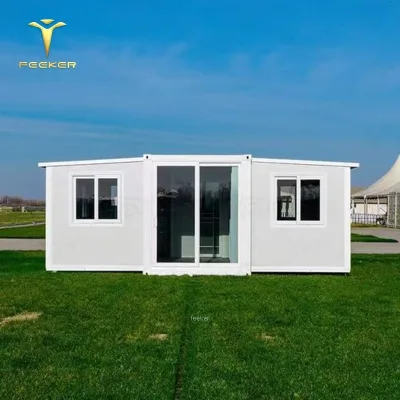
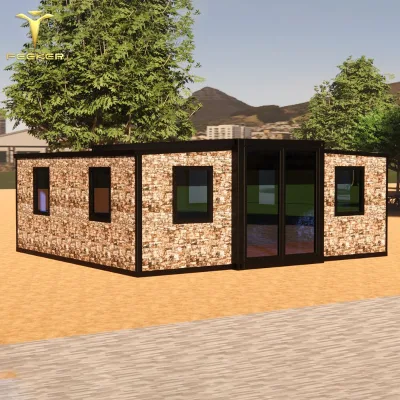


Modular Portable Prefab Prefabricated Steel Structure Modern Shipping container Villa /House/Home.
$90000.00 - $120000.00
MOQ: 1 Pieces


Modern Design Modular Prefab Prefabricated Shipping container House Home Villa.
$65000.00 - $85000.00
MOQ: 1 Pieces

$90000.00 - $120000.00
MOQ: 1 Pieces

3 Bedrooms Modular Prefab Prefabricated Shipping Container House Villa.
$85000.00 - $120000.00
MOQ: 1 Pieces

Luxury Modern Prefab Prefabricated Long Lasting Modular Shipping Container Villa /House.
$160000.00 - $250000.00
MOQ: 1 Pieces


Portable Shipping House Collapsible Container Mobile Container House
$3450.00 - $4850.00
MOQ: 1 Pieces


Luxury Shipping a Collapsible Modern Luxury Prefabricated Villa Container House
$3800.00 - $5700.00
MOQ: 1 Pieces

Cheap Portable Modular Luxury Foldable Container House Prefab Modern Home Villa
$3800.00 - $5700.00
MOQ: 1 Pieces


Comprehensive Sourcing Guide
Modern Portable Shipping Container Villa Sourcing Guide
Procuring a Modern Portable Shipping Container Villa requires a nuanced understanding of the distinction between traditional steel containers and purpose-built modular structures. The market currently offers a diverse range of solutions, from foldable and expandable units to fixed modular homes, each serving different logistical and aesthetic needs. Buyers must navigate a landscape where terminology often overlaps, with terms like "container house," "prefab home," and "mobile home" frequently used interchangeably despite significant structural differences. This guide provides a disciplined framework for evaluating these products, ensuring that procurement decisions are based on verified specifications rather than marketing ambiguity.
The primary challenge in this sector is aligning the visual appeal of a "modern luxury" design with the functional realities of portable construction. While many listings advertise high-end finishes and contemporary aesthetics, the underlying structural integrity and insulation performance are the true determinants of long-term viability. Sourcing success depends on rigorous verification of material composition, installation requirements, and after-sales support structures. By focusing on observable listing signals and technical verifiability, buyers can mitigate the risks associated with cross-border procurement and ensure that the final delivered unit meets both regulatory and operational expectations.
Product Scope and Observed Listing Signals
The current market for modern portable villas is characterized by a wide variance in product models, ranging from compact 10-foot units to expansive 40-foot configurations. Observed listings indicate a strong preference for expandable and foldable designs, which offer the advantage of rapid deployment and reduced shipping volume. These models often feature sandwich panel construction, providing a balance of thermal insulation and structural strength. Buyers should note that while the visual style is consistently described as "modern" or "modern luxury," the actual interior layout and exterior finish, such as wood grain or customized colors, are highly variable and subject to supplier capability.
Application scenarios for these units are broad, encompassing hotels, residential villas, apartments, and even commercial kiosks. This versatility suggests that the products are designed for temporary or semi-permanent use, where mobility and quick installation are prioritized over permanent foundation requirements. However, the term "villa" implies a level of comfort and durability that must be verified against specific product attributes. Buyers must carefully distinguish between units marketed for short-term event use and those designed for long-term residential occupancy, as the latter will require more robust structural features, such as earthquake resistance and enhanced wind load capacity.
Technical Specifications to Verify
Material composition is the most critical technical factor to verify, with sandwich panels and steel structures being the most commonly cited materials. Sandwich panels offer excellent thermal insulation and moisture proofing, which are essential for residential comfort in varying climates. Buyers should request detailed specifications regarding the core material of the sandwich panels, as this directly impacts the unit's energy efficiency and acoustic performance. Additionally, the thickness of the steel structure and panels should be confirmed, as "thicken" or "standard" designations can vary significantly between suppliers and may affect the unit's durability and lifespan.
Dimensional standards and customization options are equally important, with common sizes including 10, 20, 30, and 40-foot lengths. Some models offer specific standard dimensions, such as 590024802520 mm, while others allow for full customization of size and color. Buyers must verify whether the advertised dimensions include the full footprint of the expanded unit or just the shipping container base. Furthermore, the type of windows, such as aluminum frames, and the quality of the door installations should be specified, as these components are often points of failure in portable structures. Ensuring that the product model matches the intended use case, whether it is a "foldable" or "expandable" house, is crucial for accurate logistical planning.
Compliance and Safety Documentation
Safety features are a key selling point for modern portable villas, with many suppliers highlighting wind resistance, earthquake resistance, and leak-proof construction. These attributes are essential for ensuring the structural integrity of the unit in adverse weather conditions. Buyers should request evidence or test reports that substantiate these claims, particularly for wind and seismic performance, as these are critical for insurance and regulatory compliance in many jurisdictions. The presence of safety certifications, such as CE, should be verified, although buyers must be aware that certification status can vary by supplier and product batch.
Thermal insulation and moisture proofing are also vital for health and safety, preventing issues such as mold growth and temperature extremes. Buyers should inquire about the R-value or thermal resistance of the insulation materials used, as this will determine the unit's energy efficiency. Additionally, the fire resistance of the sandwich panels and other materials should be confirmed, as this is a critical safety requirement for residential and commercial applications. Ensuring that the product meets local building codes and safety standards is the responsibility of the buyer, and suppliers should be asked to provide documentation that supports compliance with relevant regulations.
Cost Drivers and Commercial Terms
The price range for modern portable shipping container villas is extensive, reflecting the variability in materials, size, and customization options. Observed listings show prices ranging from approximately $1,249 to $250,000, with the lower end typically representing basic, small-scale units and the higher end corresponding to fully customized, large-scale luxury models. Buyers should understand that the base price often excludes shipping, installation, and any necessary site preparation costs. It is essential to request a detailed breakdown of costs to avoid unexpected expenses during the procurement process.
Minimum Order Quantities (MOQ) and lead times are significant commercial factors that can impact project timelines and budgeting. MOQs can range from a single unit to thousands, depending on the supplier's production capacity and business model. Lead times are typically cited as 10-15 days for production, but this does not include shipping or customs clearance. Buyers should clarify whether the lead time starts from the order date or the receipt of the deposit, and whether expedited production options are available for urgent projects. Understanding these commercial terms is crucial for accurate project planning and cash flow management.
Supplier Qualification and Quality Control
Supplier qualification is a critical step in mitigating procurement risk, particularly when sourcing from international markets. Buyers should verify the supplier's production capabilities, including factory size, equipment, and quality control processes. The presence of a brand name, such as Feeker, can provide some level of accountability, but buyers should still conduct due diligence on the supplier's reputation and track record. Requesting references or case studies from previous clients can provide valuable insights into the supplier's reliability and product quality.
After-sales service is another key factor to consider, as it ensures long-term support for the purchased units. Many suppliers offer online technical support, which can be helpful for troubleshooting installation or maintenance issues. However, buyers should clarify the scope and duration of this support, as well as the availability of spare parts. Warranty terms, which can range from one to five years, should be clearly defined in the contract, including what is covered and what is excluded. Establishing a clear communication channel with the supplier for post-delivery support is essential for resolving any issues that may arise after installation.
Long-Term Procurement Checks
Long-term procurement success depends on the ability to maintain and upgrade the portable villa over time. Buyers should assess the modularity and flexibility of the design, as this will determine how easily the unit can be expanded or reconfigured in the future. The "flexibly combinable" nature of many prefab houses allows for multiple units to be joined together, creating larger living or commercial spaces. However, buyers should verify the compatibility of different models and the ease of connecting utilities between units.
Sustainability and eco-friendliness are increasingly important considerations for modern procurement. Many suppliers highlight the eco-friendly nature of their products, often due to the use of recyclable materials and reduced construction waste. Buyers should inquire about the environmental impact of the production process and the end-of-life disposal options for the materials used. By prioritizing sustainable practices, buyers can align their procurement decisions with broader corporate social responsibility goals and contribute to a more sustainable built environment.
FAQs
Can I customize the color and size of the container villa?
Yes, customization is available for both color and size. The product supports custom colors including wood grain and standard options, with sizes ranging from 10 to 40 feet to meet specific project requirements.
How fast can these prefab houses be installed on site?
These units feature fast installation capabilities with a delivery time of 10 to 15 days. The design allows for quick assembly, making them suitable for urgent housing needs in hotels or residential projects.
What materials are used to construct these portable homes?
The structures are built using steel structures and sandwich panels for durability. This combination ensures the units are wind resistant, waterproof, and provide effective thermal insulation for various climates.
Which applications are suitable for these expandable container houses?
These houses are designed for hotels, apartments, villas, and residences. They can also serve as kiosks, booths, or carports, offering flexible usage for commercial and private sectors alike.
What is the warranty period for the modern portable container villa?
Warranty periods vary by product model, with options available for 1 year or 5 years. Buyers should verify the specific warranty terms associated with their selected model and supplier agreement.
How are these units packed for shipping from China?
Packaging options include unpacked, bare bones, or unpackaged configurations depending on the specific model. This flexibility helps optimize shipping costs and space utilization during international transport from the origin.