Source Modern PP Plastic Planter Pot for Home, Garden, Balcony
Compare 30 Modern PP Plastic Planter Pot options from verified suppliers in Zhejiang, China. Buyers can evaluate sizes, styles, and self-watering features for home gardening, balcony setups, and floor applications; compare the available evidence and request quotations based on your requirements.
Key considerations
Products List


Gallon Garden PP Plant Plastic Flower Pots Seedings Flower Nursery Plant Pot
$0.30 - $0.50
MOQ: 1000 Pieces


Plastic Planter Plants Flower Pots with Saucers for Garden Nurseries Home Decoration
$0.43 - $1.44
MOQ: 20 Pieces


Wholesale Plastic Flower Plant Pot Air Root Control Grow Pots for Plants
$2.40 - $6.80
MOQ: 500 Pieces


Resin Plastic Flowers Pots for Plants, Planters with Drainage Holes for Indoor
$1.00 - $1.04
MOQ: 1000 Pieces

Factory Outlet Plastic Stable High-Strength Space-Saving Modern Home Garden Flower Pots
$2.20 - $2.40
MOQ: 500 Pieces

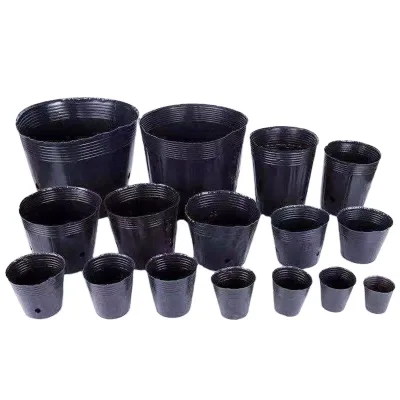
Plastic Seedling Pot for Garden Flowers Cup Seedling Pot Plant Bag Pot
$0.01 - $0.09
MOQ: 1000 Minimum
Comprehensive Sourcing Guide
Modern PP Plastic Planter Pot Sourcing Guide
Sourcing modern polypropylene (PP) planters requires balancing aesthetic versatility with functional durability, particularly for applications ranging from home gardening to commercial balcony setups. Buyers must navigate a market where customization is widely available, allowing for tailored solutions in size, color, and volume capacity. The observed product landscape includes options for floor-standing units as well as desktop varieties, indicating that procurement strategies should align with the specific spatial constraints of the end-user environment. Understanding these distinctions is critical for selecting the right supplier who can deliver consistent quality across diverse design requirements.
The material choice of plastic, specifically polypropylene, offers significant advantages in terms of weight, cost-efficiency, and resistance to environmental degradation. However, the finish and structural integrity vary significantly between manufacturers, with some offering glazed surfaces while others provide uncoated, simple designs. Procurement teams should prioritize suppliers who demonstrate proficiency in mechanical production methods, such as blow molding, which ensures uniform wall thickness and enhanced durability. This technical foundation supports the creation of robust planters that can withstand the rigors of both indoor and outdoor use without compromising on the modern aesthetic appeal that clients demand.
Product Scope and Observed Listing Signals
The current market for modern PP plastic planters exhibits a wide range of product configurations, from simple, uncoated designs to more elaborate glazed finishes. Listings indicate the availability of various shapes, including round forms, and styles that range from simple and pastoral to antique-inspired aesthetics. This diversity suggests that buyers have the flexibility to source planters that match specific interior design themes or exterior architectural styles. The presence of both floor-type and desktop-use classifications highlights the need for precise specification matching to ensure the selected product fits the intended application scene, whether it be a residential balcony, a hotel lobby, or a home garden.
Volume and size specifications are critical differentiators in this category, with observed standards ranging from small to large dimensions. Specific model numbers such as SJ05, SJ06, and SJ07, along with HG-2922, point to a structured product catalog where buyers can identify exact dimensions and capacities. Some listings specify precise measurements, such as a diameter of 24cm with a height of 21.8cm, or larger units with a 32cm diameter and 61cm height. These detailed specifications allow procurement teams to plan logistics and space allocation accurately, ensuring that the ordered planters meet the functional requirements of the project without unexpected size discrepancies.
Technical Specifications to Verify
When evaluating technical specifications, buyers must verify the production technology and finishing processes to ensure long-term performance. Blow molding is a key manufacturing method that contributes to the structural integrity of PP planters, providing a seamless construction that resists cracking under stress. Additionally, the finishing process, whether glazed or uncoated, impacts both the visual appeal and the maintenance requirements of the planter. Buyers should confirm that the chosen finish is suitable for the intended environment, as glazed surfaces may offer better water resistance and easier cleaning, while uncoated options might provide a more natural, matte appearance that blends well with organic garden settings.
Customization capabilities are a significant technical factor, with many suppliers offering OEM and ODM services to tailor products to specific brand identities. This includes options for custom colors, such as black, white, grey, or terracotta, as well as customized packing solutions like pallets, cartons, or bags. Volume capacities can also be adjusted, ranging from 1 to 25 gallons, allowing for precise matching to plant root systems. Buyers should verify the feasibility of these customizations, including minimum order quantities and lead times, to ensure that the supplier can deliver the exact specifications required for the project without compromising on quality or delivery schedules.
Compliance and Safety Documentation
Compliance with international quality management standards is a critical indicator of supplier reliability and product consistency. Many suppliers in this category hold ISO9001 certification, which demonstrates a commitment to standardized production processes and quality control measures. This certification is particularly important for buyers who require consistent product quality across large orders, as it ensures that each unit meets the same rigorous standards. Additionally, some suppliers may hold BSCI certification, which addresses social compliance and ethical manufacturing practices, providing assurance that the products are sourced from facilities that adhere to responsible labor standards.
Safety and material suitability are also key considerations, especially for planters used in residential or commercial spaces where human interaction is frequent. Buyers should verify that the PP material used is food-safe and non-toxic, ensuring that it does not leach harmful chemicals into the soil or water. While specific test results are not always listed, buyers should request material safety data sheets (MSDS) or relevant test reports to confirm the absence of hazardous substances. This due diligence is essential for maintaining brand reputation and ensuring customer safety, particularly when planters are used in environments where children or pets may be present.
Cost Drivers and Commercial Terms
The cost of modern PP plastic planters is influenced by several factors, including material quality, production complexity, and customization requirements. Basic, uncoated planters in standard sizes tend to be more cost-effective, while glazed finishes, custom colors, and specialized volumes can increase the unit price. Buyers should analyze the total cost of ownership, considering not just the purchase price but also shipping, packaging, and potential waste due to damage. The observed price range of $0.01 to $43.9 USD reflects this variability, with higher prices typically associated with larger sizes, premium finishes, or complex customization options.
Minimum order quantities (MOQs) and payment terms are significant commercial considerations that impact procurement strategy. MOQs can range from 20 to 10,000 units, allowing flexibility for both small-scale buyers and large distributors. Buyers should negotiate terms that align with their inventory management capabilities and cash flow constraints. Additionally, packaging options such as carton boxes or pallets can affect shipping costs and efficiency. Understanding these commercial terms helps buyers optimize their procurement strategy, ensuring they secure the best value while maintaining supply chain stability and meeting project deadlines.
Supplier Qualification and Quality Control
Supplier qualification is a critical step in ensuring the reliability of the supply chain for modern PP plastic planters. Buyers should assess suppliers based on their production capacity, technological capabilities, and track record of delivering consistent quality. Factories located in regions like Zhejiang, China, often have established infrastructure for plastic manufacturing, but buyers must verify the specific capabilities of each supplier. This includes evaluating their equipment for blow molding and finishing processes, as well as their ability to handle custom orders efficiently. A thorough supplier audit can reveal potential risks and ensure that the chosen partner can meet the project's demands.
Quality control measures should be integrated into the procurement process to minimize defects and ensure product consistency. Buyers should implement incoming quality inspections and request pre-shipment samples to verify that the final products meet the agreed-upon specifications. This includes checking for structural integrity, finish quality, and dimensional accuracy. Establishing clear quality standards and communication channels with the supplier can help address issues promptly and prevent costly delays. By prioritizing suppliers with robust quality control systems, buyers can reduce the risk of receiving defective products and maintain high customer satisfaction levels.
Long-Term Procurement Checks
Long-term procurement success depends on continuous monitoring of supplier performance and market trends. Buyers should establish key performance indicators (KPIs) to track metrics such as on-time delivery, defect rates, and responsiveness to issues. Regular reviews of these metrics can help identify potential problems early and facilitate corrective actions. Additionally, staying informed about advancements in PP material technology and manufacturing processes can provide opportunities for cost savings and product improvements. Engaging in ongoing dialogue with suppliers can foster a collaborative relationship that supports innovation and mutual growth.
Sustainability and environmental considerations are increasingly important in the procurement of plastic products. Buyers should explore options for recycled PP materials or suppliers who implement eco-friendly manufacturing practices. This not only aligns with global sustainability trends but also enhances brand image and customer loyalty. By prioritizing suppliers who demonstrate a commitment to environmental responsibility, buyers can contribute to a more sustainable supply chain. Regularly reassessing supplier sustainability practices ensures that procurement strategies remain aligned with evolving regulatory requirements and consumer expectations, securing long-term value and resilience.
FAQs
Can modern pp plastic planter pots be customized for specific garden needs?
Yes, customization is available for these plastic flowerpots to meet specific requirements. Buyers can request tailored sizes, colors, and volumes ranging from 1 to 25 gallons. OEM and ODM services are supported, allowing for unique branding or functional adjustments. This flexibility ensures the planters fit various home gardening or balcony applications perfectly.
What certifications do these plastic flowerpots typically hold?
These products typically hold ISO9001 certification, ensuring quality management standards are met during production. Some listings also indicate BSCI certification, which reflects social compliance in the supply chain. These credentials provide assurance regarding manufacturing consistency and ethical sourcing practices for buyers seeking reliable suppliers for their garden or outdoor plant needs.
What are the standard size options for these planter pots?
Standard size options include Small, Medium, and Large categories to suit different plant volumes. Specific dimensions such as a diameter of 24cm with a height of 21.8cm are available, alongside larger options like a 32cm diameter and 61cm height. These varied sizes accommodate everything from small desktop plants to larger floor-standing garden specimens.
How are these plastic planters packaged for shipping?
These planters are commonly packaged in cartons or carton boxes for efficient handling. Some suppliers offer pallet, bag, or customized packing solutions depending on order volume and logistics requirements. This flexible packaging approach helps protect the glazed or uncoated plastic surfaces during transit and ensures safe delivery to various global destinations.
Where are these modern plastic planters manufactured?
These planters are primarily manufactured in Zhejiang, China, a major hub for plastic product production. This location allows for efficient supply chain management and competitive pricing. Buyers can source directly from these factories to access a wide range of styles, including antique, simple, and pastoral designs suitable for various indoor and outdoor applications.
What production methods are used for these plastic pots?
These pots are produced using mechanical methods, including blow molding technology for durability and uniformity. This process ensures consistent wall thickness and structural integrity for both floor-type and desktop planters. The manufacturing approach supports high-volume production while maintaining the aesthetic quality required for modern home gardening and commercial landscaping projects.