Source Modern Remote Control Ceiling Fan for Home Office Hotel
Source 30 Modern Remote Control Ceiling Fan options with varying blade counts, motor types, and installation styles. Compare specifications for 12-inch to 56-inch models including LED light features and timer settings to find the right fit for residential or commercial spaces.
Updated
Key considerations
Products List


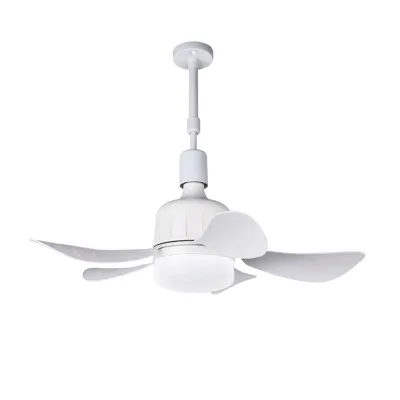
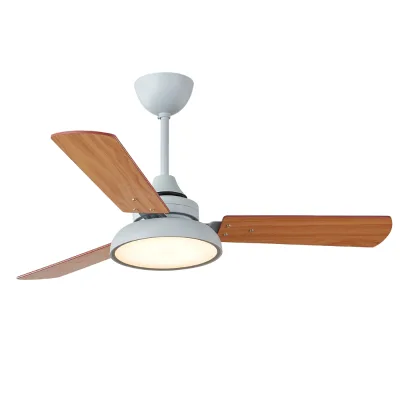
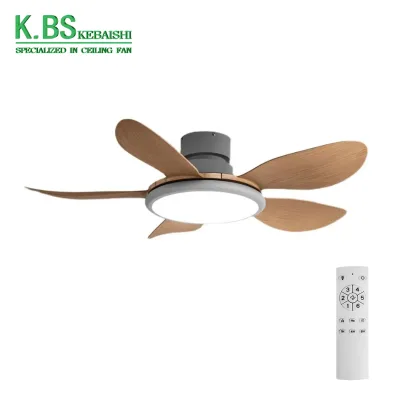
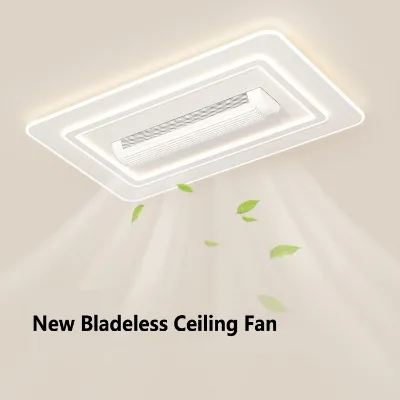
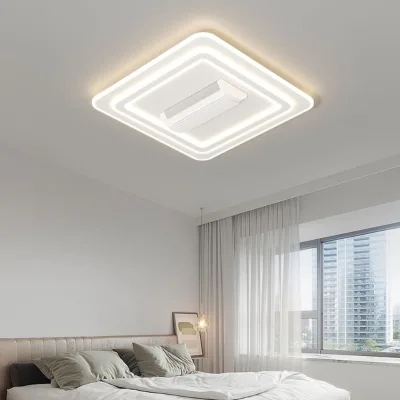
42 Inch Energy Saving Indoor Modern Air Cooler Remote Control Ceiling Fan
$18.00 - $33.00
MOQ: 1000 Pieces



Comprehensive Sourcing Guide
Modern Remote Control Ceiling Fan Sourcing Guide
Sourcing modern remote control ceiling fans requires a careful balance of aesthetic integration, functional performance, and regulatory compliance. Buyers must navigate a diverse market where product attributes vary significantly across manufacturers, from blade count and motor type to specific certification requirements. The core keyword highlights a preference for convenience and contemporary design, necessitating a thorough evaluation of remote control capabilities and installation types. This guide provides a structured approach to identifying suitable suppliers and verifying product specifications against procurement needs.
The procurement process begins with defining the specific use case, whether for residential comfort, commercial cooling, or decorative enhancement. Modern ceiling fans often serve dual purposes, combining air circulation with lighting solutions, which adds complexity to the sourcing decision. Buyers should prioritize suppliers who offer clear documentation on motor efficiency, noise levels, and remote control range. Understanding the distinction between pedestal, table, and ceiling installations is crucial, as it dictates the mounting hardware and electrical requirements for the final application.
Product Scope and Observed Listing Signals
The observed market signals indicate a wide range of product configurations, with prices ranging from 5.8 to 60 USD and minimum order quantities (MOQs) varying from 1 to 3000 units. This broad spectrum suggests that buyers can find options for both small-scale retail replenishment and large-scale commercial projects. The presence of products with remote controls, such as the KL model, alongside those without, like the FC9-30A-HX, highlights the importance of specifying this feature early in the inquiry process. Buyers must clearly distinguish between fans with and without remote capabilities to avoid misalignment with their functional requirements.
Material composition and blade design are critical differentiators in the current listing landscape. Products are constructed from materials such as plastic, metal, and copper, with blade counts ranging from 3 to 8. For instance, the FC9-30A-HX features a new PP body and 3 blades, while the FC30-2A boasts 8 blades. These variations impact airflow efficiency, durability, and aesthetic appeal. Buyers should evaluate these physical attributes against their target market’s preferences, considering factors such as noise reduction, air volume, and visual harmony with interior design schemes.
Technical Specifications to Verify
Verifying technical specifications is essential to ensure the fan meets performance expectations. Key attributes to confirm include the number of speed settings, timer functions, and motor type. The KL model offers 3 speeds and a timer setting, while the FC-A provides 5 speeds and an LED light function. Buyers should request detailed datasheets that specify power consumption, voltage ratings, and motor construction, such as the full copper motor found in the FC30 model. These details are critical for assessing energy efficiency and long-term reliability, particularly for high-usage environments.
Installation type and physical dimensions also require careful verification. The market includes 12-inch desk fans, 14-inch stand fans, and larger ceiling fans ranging from 42 to 56 inches. The CFMF52-5C6L(S) is a 52-inch model, while the CF42-4C3L(M)1 is a 42-inch variant. Buyers must ensure that the selected fan’s dimensions are compatible with the ceiling height and room size. Additionally, confirming the presence of oscillation functions, grill types, and remote control compatibility is necessary to guarantee user convenience and safety.
Compliance and Safety Documentation
Compliance with international safety standards is non-negotiable for ceiling fan procurement. The observed certifications include CB, CE, ROHS, CCC, and GS, indicating varying levels of regulatory adherence across different suppliers. Buyers must verify that the specific model they intend to purchase holds the necessary certifications for their target market. For example, products destined for Europe typically require CE and ROHS compliance, while those for China may need CCC certification. Requesting valid certificates from recognized testing bodies is a critical step in mitigating legal and safety risks.
Documentation should also include detailed test reports and material safety data sheets. Buyers should inquire about the testing procedures used to validate electrical safety, mechanical stability, and noise emissions. The presence of a GS mark, for instance, suggests additional safety testing beyond standard CE requirements. Ensuring that all documentation is up-to-date and directly corresponds to the ordered model number is essential for customs clearance and liability protection. Failure to verify these documents can lead to shipment delays or product recalls.
Cost Drivers and Commercial Terms
Cost drivers for modern remote control ceiling fans include material quality, motor type, and certification levels. Products with full copper motors and multiple speed settings generally command higher prices due to enhanced durability and performance. The observed price range of 5.8 to 60 USD reflects these variations, with premium models featuring advanced features like LED lighting and decorative designs at the higher end. Buyers should analyze the cost structure to understand the value proposition, ensuring that they are not overpaying for unnecessary features or underinvesting in critical components.
Commercial terms, including MOQs and packaging standards, significantly impact the total cost of ownership. MOQs ranging from 1 to 3000 units allow for flexibility, but larger orders often benefit from volume discounts. Packaging is typically standardized, with options like export standard cartons or single-piece cartons. Buyers should negotiate clear terms regarding shipping, insurance, and payment methods. Understanding the total landed cost, including duties and freight, is crucial for accurate budgeting and profitability analysis.
Supplier Qualification and Quality Control
Supplier qualification involves assessing manufacturing capabilities, quality management systems, and past performance. Buyers should request information on the supplier’s production capacity, lead times, and quality control processes. The origin of the products, primarily China, should be verified for consistency and reliability. Suppliers with a track record of exporting to multiple regions are often more adept at handling diverse regulatory requirements and logistical challenges. Conducting factory audits or requesting third-party inspection reports can provide additional assurance of manufacturing standards.
Quality control measures should be explicitly defined in the purchase agreement. This includes pre-production samples, in-process inspections, and final random inspections. Buyers should specify acceptance criteria for cosmetic defects, functional performance, and packaging integrity. Establishing a clear communication channel for addressing quality issues is essential for maintaining supply chain stability. Regular feedback loops with suppliers can help identify and resolve potential problems before they escalate, ensuring consistent product quality across orders.
Long-Term Procurement Checks
Long-term procurement success depends on continuous monitoring of supplier performance and market trends. Buyers should establish key performance indicators (KPIs) for delivery times, product quality, and customer satisfaction. Regular reviews of supplier performance against these KPIs can help identify areas for improvement or potential risks. Staying informed about changes in certification requirements, material costs, and technological advancements is crucial for maintaining a competitive edge. Adapting procurement strategies to align with evolving market demands ensures long-term sustainability.
Building strong relationships with suppliers fosters collaboration and innovation. Engaging in open dialogue about future product developments, such as energy-efficient motors or smart home integration, can lead to mutually beneficial partnerships. Buyers should also consider diversifying their supplier base to mitigate risks associated with single-source dependencies. Regularly updating procurement policies and procedures to reflect best practices and regulatory changes is essential for maintaining operational efficiency and compliance in the long run.
FAQs
Can I find modern remote control ceiling fans with LED lights?
Yes, some models include LED lights as a standard function. You can identify units with this feature by checking product attributes for LED light specifications. Ensure the motor is full copper for durability and verify the blade count matches your airflow needs before ordering.
What certifications do these ceiling fans typically hold?
Common certifications include CB, CE, ROHS, CCC, and GS for safety compliance. These standards ensure the electrical components meet international requirements. Always verify the specific certification list for each model to guarantee it meets your local regulatory standards before finalizing any purchase.
Which blade counts are available for modern remote control ceiling fans?
Available blade counts range from 3 to 8 blades depending on the specific model. Some units feature 3 blades for standard airflow while others offer 5 or 8 blades for enhanced performance. Check the product specifications to select the optimal blade configuration for your room size.
How can I customize the color or design of these fans?
Customization is available for various attributes including color and design elements. You can often select from standard options like white or request OEM specific colors. Contact suppliers directly to discuss your specific customization requirements and confirm the feasibility for your order volume.
What is the typical power source and voltage for these fans?
These fans operate on electric power sources with a standard voltage of 220V. The power consumption varies by model, with some units rated at 40 watts. Ensure your electrical system matches these specifications to prevent damage and ensure safe operation during use.
Can I find ceiling fans with a timer setting feature?
Yes, many models come equipped with a timer setting feature, often up to 60 minutes. This allows you to set the fan to turn off automatically after a specific duration. Verify the timer capability in the product attributes to ensure it meets your usage schedule requirements.
What materials are used to construct these ceiling fan bodies?
Manufacturers use materials such as plastic, metal, and copper for various components. The body might be made of new PP plastic while the motor could be full copper. Check the material specifications for each part to ensure durability and quality match your expectations for long-term use.
How are these fans packaged for export shipping?
Fans are typically packed in export standard cartons or single piece cartons per unit. This packaging ensures protection during transit and simplifies handling at the destination. Confirm the packing details with the supplier to ensure the packaging meets your logistical requirements and prevents damage.