Source Hand-Polished Outdoor Deer Statue for Garden Park Temple
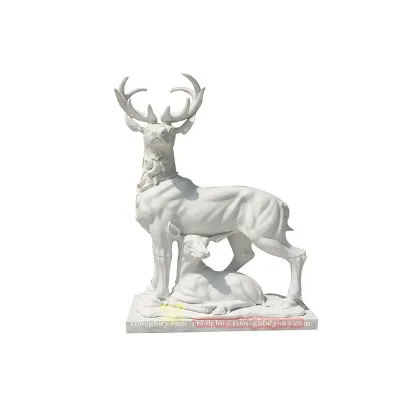
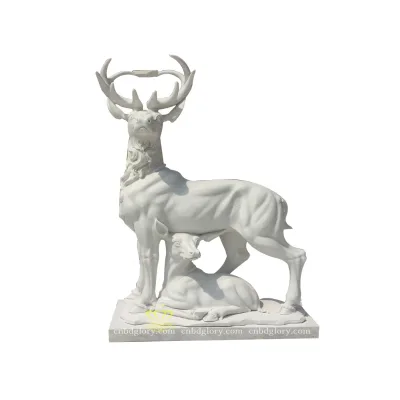
Compare 30 listings of hand-polished outdoor deer statue options from Hebei, China. Buyers can evaluate materials like marble or copper, custom sizes, and finishing techniques for garden, park, or temple decoration projects.
Key considerations
Products List


Outdoor Deer Ornaments Statue Bronze Antique Life Size Animal Sculpture
$2000.00 - $4800.00
MOQ: 1 Pieces


Outdoor Life Size Animal Statue Modern Stainless Steel Deer Sculpture
$1000.00 - $3000.00
MOQ: 1 Pieces


Garden Antique Animal Sculpture Life Size Bronze Deer Statue Sculptures
$2000.00 - $4000.00
MOQ: 1 Pieces


Life Size Garden Antique Standing Mountain Deer Bronze Deer Sculpture
$2000.00 - $4000.00
MOQ: 1 Pieces


Garden Modern Abstract White Color Stainless Steel Deer Outdoor Sculpture Statue with Light
$1000.00 - $8000.00
MOQ: 1 Pieces

New Design Modern Outdoor Metal Animal Stainless Steel White Deer Statue Sculpture
$800.00 - $8000.00
MOQ: 1 Pieces


Mirror Polished Cut Stainless Steel Deer Outdoor Decorative Animal Sculpture
$400.00 - $8000.00
MOQ: 1 Pieces


Comprehensive Sourcing Guide
Strategic Sourcing Guide for Hand-Polished Outdoor Deer Statues
Procuring high-quality hand-polished outdoor deer statues requires a rigorous approach that balances aesthetic expectations with the harsh realities of exterior environmental exposure. For B2B buyers, the decision to source these decorative elements involves navigating a complex supply chain where material integrity, craftsmanship, and logistical planning are paramount. The market offers a diverse array of options, ranging from natural stone to metal alloys, each presenting distinct advantages and challenges for outdoor deployment. This guide outlines the critical factors buyers must evaluate to ensure a successful procurement cycle, focusing on verified product attributes, technical specifications, and supplier reliability without relying on unverified claims or specific brand endorsements.
Material Selection and Technical Specifications
The foundation of any successful outdoor sculpture project lies in the selection of appropriate materials. Based on available market data, the primary materials for deer statues include marble, granite, and copper. Each material dictates the finishing process and the long-term durability of the piece. Marble and granite statues are frequently characterized by a combination of polished and honed finishes. The polished surface provides a high-gloss, reflective quality that enhances the visual appeal of the stone, while the honed finish offers a softer, matte texture that can reduce glare. For buyers seeking a specific aesthetic, the availability of colors such as gray, black, beige, white, deep red, and green is a critical specification to verify.
In contrast, metal deer statues, particularly those crafted from copper, often utilize the lost wax and casting technique. This process allows for intricate detailing that is difficult to achieve with stone carving. The surface treatment for copper statues may involve burnishing and patina coloring to achieve specific hues like copper, golden, gun metal, or black gold. The distinction between hand-carved stone and cast metal is significant; hand-carving is a labor-intensive process that results in unique variations in every piece, whereas casting offers consistency but may lack the organic imperfections valued in artisanal stone work. Buyers must explicitly confirm the material composition, as "marble stone granite etc" and "Copper" represent fundamentally different cost structures and maintenance requirements.
Craftsmanship and Finishing Processes
The method of production is a primary determinant of the statue's value and authenticity. The market data indicates a strong emphasis on "Hand carving" and "Hand-Made" techniques for stone products, with specific attributes noting "100% Hand Carved" and "Handmade Carving." This manual approach ensures that the deer statue captures the natural musculature and posture of the animal with a level of nuance that machine production cannot replicate. For metal statues, the "Lost Wax & Casting" technique is the standard for high-quality reproduction.
The finishing process is equally critical for outdoor applications. A "Polished + Honed" finish on stone statues requires skilled artisans to achieve a uniform surface that resists weathering. Similarly, copper statues may undergo "Burnish & Patina Color" treatments to protect the metal and enhance its visual depth. Buyers should verify that the finishing process includes steps to seal the material against moisture ingress, which is essential for preventing frost damage in stone or oxidation in metal. The "Surface" attribute often lists "Polishing" or "Burnish & Patina Color," but the specific application of sealants or protective coatings is a detail that must be confirmed during the technical review phase.
Compliance, Certification, and Quality Verification
When sourcing outdoor sculptures, verifying compliance with industry standards and quality benchmarks is essential for risk mitigation. While specific certification documents like ISO 9001 are mentioned in background contexts, buyers should not assume their presence without direct verification from the supplier. Instead, the procurement strategy should focus on requesting proof of quality assurance for the specific batch of statues. The "Quality" attribute is often listed as "Good," but this is a subjective observation. Buyers must establish objective criteria for acceptance, such as dimensional accuracy, surface integrity, and structural stability.
For outdoor installations, the material's resistance to environmental factors is a form of compliance. The "Feature" attribute notes "Eco-friendly" for some products, which may relate to the sourcing of raw materials or the manufacturing process. However, buyers should clarify what this claim entails, as it is not a standardized metric without further definition. Additionally, the "Warranty" of one year is a common offering, but the scope of this warranty—covering material defects, structural failure, or finish degradation—must be explicitly defined in the contract. Buyers should also check for any specific standards related to the "Customized Size" specifications to ensure the final product meets the architectural requirements of the installation site.
Cost Drivers and Procurement Economics
The cost of hand-polished outdoor deer statues is influenced by several dynamic factors, including material type, size, and the complexity of the craftsmanship. The observed price range in the market spans from 108 to 8000 USD, reflecting the vast difference between smaller, simpler pieces and large, custom-engineered installations. The "Single gross weight" of 150.000 kg for a single package indicates that heavy stone statues incur significant shipping and handling costs. These logistics expenses are often a hidden cost driver that buyers must factor into their total budget.
The "MOQ" (Minimum Order Quantity) is typically low, with values of 1 Piece or 1 Set observed in the market. This flexibility allows buyers to procure single units for specific projects without the burden of bulk inventory. However, the "Customized" nature of the product means that pricing is rarely fixed. The "Model Number" is often listed as "custom" or specific codes like "FR-BS533BM" or "FY-AM13," indicating that each order may be treated as a unique project. Buyers should anticipate that customization of size, design style (e.g., "Modern" or "European & American"), and finishing will directly impact the final unit price. The "Delivery Time" of three weeks is a baseline that can extend significantly for custom orders requiring complex casting or carving.
Typical Applications and Design Integration
Outdoor deer statues serve a wide range of applications, from private residential gardens to large-scale public spaces. The "Application" attributes list diverse settings including "Park, Indoor, Church, Garden, TEMPLE, Cemetery, art collectibles, Hotel, Villa, Apartment, Office Building, Hospital, School, Mall, Sports Venues, Leisure Facilities, Supermarket, Warehouse, Workshop, Farmhouse, Courtyard." This versatility highlights the adaptability of the product to various design styles and functional requirements.
The "Design Style" is often categorized as "Modern," but the availability of "European & American" styles suggests a broader market fit. For commercial buyers, the "Usage" extends beyond mere decoration to include "Personal Decorations, Promotion Gifts, Home Decorations, Commerce Gift, Collection." The "Suitable for: Outdoor" attribute confirms that these statues are engineered for exterior environments, but the specific exposure conditions (e.g., coastal salt air, freeze-thaw cycles) must be matched with the appropriate material and finish. The "Project Solution Capability" often includes "graphic design, 3D model design, total solution for projects," which is crucial for buyers integrating the statues into larger architectural or landscape plans.
Supplier Evaluation and Quality Control Protocols
Selecting a reliable supplier is the most critical step in the procurement process. The "Place of Origin" is consistently identified as "Hebei, China," a region known for its stone and metalworking industries. Buyers should verify the supplier's capacity to handle the "Project Solution Capability" required, such as "3D model design" and "total solution for projects." The "After-sale Service" offerings, including "Online Technical Support, Onsite Installation, Onsite Training, Onsite Inspection, Free spare parts," are vital indicators of a supplier's commitment to long-term customer satisfaction.
Quality control should be implemented at multiple stages. Before production begins, buyers should review the "3D model design" to ensure the deer statue meets the desired aesthetic and dimensional specifications. During production, on-site inspections or third-party quality checks can verify the "Hand carving" and "Lost Wax & Casting" processes. Upon completion, the "Packing" method, typically "Strong Wooden Crates" or "Plywood Case," must be inspected to ensure the statue is protected during transit. The "Single package size" of 130X60X140 cm or 130X80X120 cm requires specific logistical planning for loading and unloading. Buyers should also confirm the "Technical" attributes, such as the "100% Hand Carved" claim, through visual inspection or video evidence before final payment.
Long-Term Procurement and Maintenance Considerations
Sourcing outdoor deer statues is not a one-time transaction but the beginning of a long-term relationship that includes maintenance and potential replacement. The "Warranty" of one year provides a baseline for defect coverage, but buyers should negotiate extended terms for critical installations. The "Feature" of being "Eco-friendly" may influence the supplier's choice of materials and processes, which can impact the long-term environmental footprint of the project.
Maintenance requirements vary by material. Stone statues may require periodic cleaning and sealing to maintain their "Polished + Honed" finish and prevent staining. Copper statues may need patina touch-ups to prevent excessive corrosion. The "After-sale Service" of "Onsite Inspection" and "Free spare parts" can be leveraged to manage these maintenance needs. Buyers should also consider the "Return and Replacement" policies in case the delivered product does not match the approved 3D model or specifications. Finally, the "Customization" aspect means that future orders may need to align with the original design language to ensure consistency across a site, making the initial supplier selection even more critical for long-term project coherence.
FAQs
What materials are used for hand-polished outdoor deer statues?
The primary materials include marble, granite, and copper. Marble and granite statues feature polished and honed finishes, while copper pieces utilize lost wax casting with burnished and patina colors to ensure durability in outdoor settings.
How are these deer statues crafted and finished?
Stone statues are typically 100% hand-carved to ensure unique details, whereas copper versions use the lost wax casting technique. Finishing processes include polishing, honing, and patina coloring to enhance visual appeal and protect against weathering.
Can buyers customize the size and design style of the statues?
Yes, customization is available for size, design style, and material. Buyers can request specific dimensions and choose between modern or European and American styles, with project solutions including 3D model design and total project support.
What is the minimum order quantity for these outdoor statues?
The minimum order quantity is typically one piece or one set. This low MOQ allows buyers to procure single units for specific projects without the burden of bulk inventory, making it suitable for diverse installation needs.
Where are these statues manufactured and what is the delivery time?
These statues originate from Hebei, China, a region known for stone and metalworking. The standard delivery time is three weeks, though custom orders may require additional time depending on the complexity of the carving or casting process.
What packaging is used to protect the statues during shipping?
Statues are packed in strong wooden crates or plywood cases to ensure safety during transit. The single package size varies, often around 130 by 60 by 140 centimeters, requiring specific logistical planning for heavy stone items.
What warranty and after-sales services are provided for these products?
A one-year warranty is commonly offered to cover material defects and structural issues. After-sales services include online technical support, onsite installation, training, inspection, and free spare parts to ensure long-term customer satisfaction.