Source Modern Round Glass Teapot for Office, Home, and Gifts
Explore 30 listings for the Modern Round Glass Teapot, featuring high borosilicate glass and customizable options. Buyers can compare specifications, capacities, and certifications to find the ideal supplier for office, home, or gift applications; compare the available evidence and request quotations based on your requirements.
Key considerations
Products List
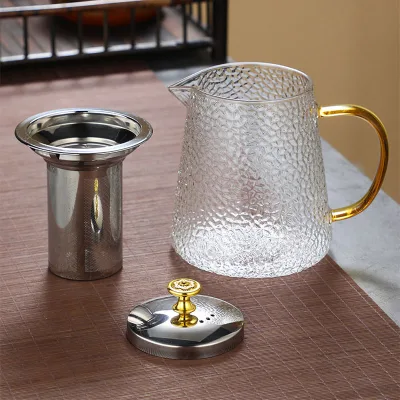

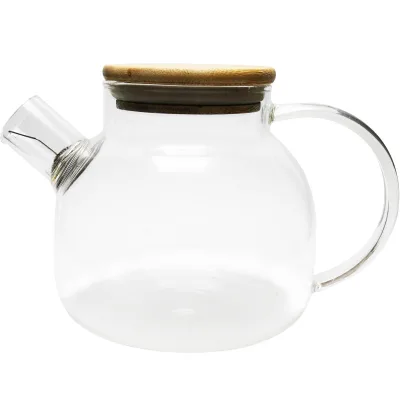
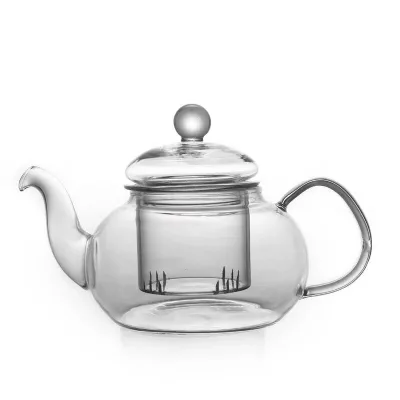
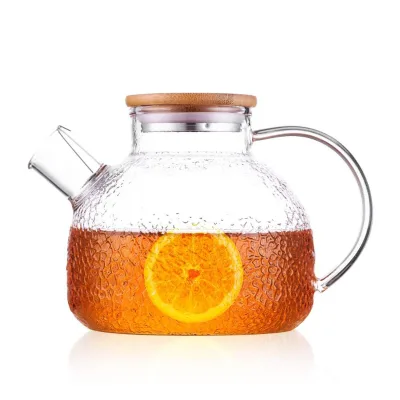



Comprehensive Sourcing Guide
Modern Round Glass Teapot Sourcing Guide
Sourcing modern round glass teapots requires a careful balance between aesthetic appeal and functional durability, particularly for buyers targeting the hospitality or premium home goods sectors. The market offers a variety of cylindrical and double-wall designs that emphasize clarity and thermal resistance, allowing consumers to appreciate the color and clarity of brewed beverages. Buyers must distinguish between simple single-wall vessels and more complex double-wall constructions, as the latter provide superior insulation and a modern aesthetic that commands higher price points. Understanding these structural differences is the first step in defining a precise product specification that aligns with your brand’s identity and customer expectations.
Procurement teams should also consider the customization options available, such as logo printing and volume variations, which are critical for private label strategies. The observed market includes options ranging from standard 450ml capacities to larger 1L volumes, catering to both individual use and family settings. It is essential to verify whether the supplier offers screen printing or other decoration techniques that maintain the integrity of the glass surface. By focusing on these tangible attributes, buyers can create a robust sourcing strategy that minimizes risk while maximizing the potential for product differentiation in a competitive marketplace.
Product Scope and Observed Listing Signals
The current market landscape for modern glass teapots reveals a diverse range of product attributes that buyers must navigate to find suitable suppliers. Listings frequently highlight high borosilicate glass as the primary material, a choice that ensures thermal shock resistance and clarity, which are non-negotiable for quality tea brewing. Observed specifications indicate a strong presence of cylindrical shapes and double-wall constructions, which are preferred for their ability to retain heat without burning the user’s hands. Additionally, many products are marketed with customizable logos and specific volume options, such as 450ml, 750ml, or 1L, allowing buyers to tailor inventory to specific regional preferences or retail channels.
Buyers should also pay close attention to the packaging and shipping details provided in supplier listings, as these directly impact landed costs and product safety. Common packing methods include carton boxes or pallets, which are designed to protect the fragile glass items during transit. The observed single gross weight of approximately 0.400 kg for certain models provides a baseline for calculating freight charges, although heavier double-wall or larger capacity items will vary. It is crucial to verify if the supplier offers OEM services and if they require custom molds for special shapes, as this can significantly affect lead times and initial investment requirements for new product launches.
Technical Specifications to Verify
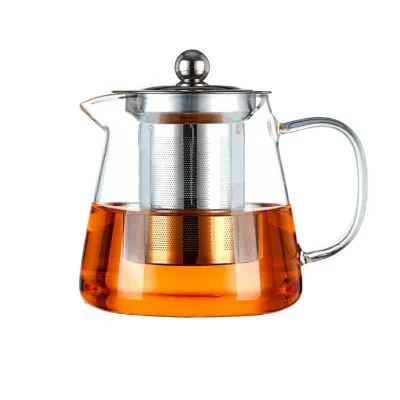
When evaluating technical specifications, buyers must prioritize the glass type and construction method to ensure product longevity and safety. High borosilicate glass is the industry standard for premium teapots due to its ability to withstand rapid temperature changes without cracking. Buyers should confirm whether the product is single-wall or double-wall, as this affects both insulation performance and manufacturing complexity. Additionally, the presence of a handle is a critical ergonomic feature that must be securely attached to prevent breakage during use. Verifying the exact volume capacity, such as 450ml or 750ml, ensures that the product meets the intended usage scenario, whether for single servings or larger gatherings.
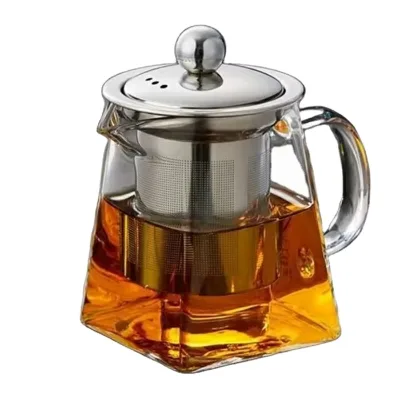
Surface treatment and decorative techniques are another area requiring strict verification, as they influence both aesthetics and hygiene. Screen printing is a common method for applying logos or designs, but buyers must ensure that the ink is food-safe and durable against repeated washing. The shape of the teapot, often cylindrical or square, should be evaluated for its impact on tea leaf expansion and steeping efficiency. Furthermore, buyers should inquire about the mold requirements for custom sizes or shapes, as opening new molds can introduce significant upfront costs and longer production cycles. Clear communication on these technical details prevents misunderstandings and ensures the final product matches the approved sample.
Compliance and Safety Documentation
Compliance with international safety standards is paramount when sourcing glassware intended for food and beverage contact. Buyers must request valid certification documents, such as LFGB, FDA, or REACH, which verify that the glass materials and any decorative inks are free from harmful substances like lead or cadmium. These certifications are not merely formalities but essential proof that the product meets the regulatory requirements of target markets, particularly in Europe and North America. Without proper documentation, shipments can be detained at customs, leading to significant financial losses and delays in inventory replenishment.
In addition to material safety, buyers should verify that the supplier adheres to relevant quality management standards and testing protocols. While specific test results may not always be publicly listed, reputable suppliers should be able to provide third-party lab reports confirming the absence of heavy metals and the stability of the glass under thermal stress. It is also important to check for additional certifications like CE or EU compliance, which may be required for specific regions. Ensuring that all documentation is up-to-date and matches the specific product model being ordered protects the buyer from liability and maintains brand reputation in the face of potential safety recalls.
Cost Drivers and Commercial Terms
Understanding the cost drivers behind modern glass teapots helps buyers negotiate better terms and forecast margins accurately. The primary cost factors include the type of glass used, the complexity of the mold design, and the volume of the order. High borosilicate glass is more expensive than standard soda-lime glass but offers superior durability, justifying a higher unit price. Additionally, customizations such as logo printing or unique shapes can increase production costs due to setup fees and lower economies of scale. Buyers should request detailed breakdowns of these costs to identify areas where savings can be achieved without compromising quality.
Commercial terms, including minimum order quantities (MOQ) and payment conditions, also play a significant role in the total cost of ownership. Observed MOQs can range from small batches for testing to large volumes for established brands, so buyers should align their orders with their sales forecasts to avoid excess inventory. Payment terms should be negotiated to balance risk, with options like partial upfront payment and balance upon shipment being common. It is also crucial to clarify who bears the cost of shipping and insurance, as freight charges for fragile glass items can be substantial. Clear agreement on these terms prevents unexpected expenses and ensures a smooth transaction process.
Supplier Qualification and Quality Control
Supplier qualification is a critical step in mitigating the risks associated with sourcing fragile glass products. Buyers should conduct thorough due diligence on potential suppliers, verifying their manufacturing capabilities, production history, and financial stability. It is advisable to request samples to assess the quality of the glass, the precision of the mold, and the durability of the handle attachment. Additionally, buyers should inquire about the supplier’s quality control processes, including in-line inspections and final random inspections before shipment. A robust QC system ensures that defective items are identified and removed before they reach the customer, reducing return rates and protecting brand reputation.
Beyond initial qualification, buyers should establish clear communication channels and performance metrics for ongoing supplier management. Regular audits, either virtual or on-site, can help ensure that the supplier maintains consistent quality standards over time. It is also important to define clear protocols for handling defects, including replacement policies and cost-sharing arrangements. By building a strong relationship with a reliable supplier, buyers can benefit from priority production slots, better pricing, and faster response times to market changes. This long-term partnership approach is essential for sustaining a competitive edge in the glassware market.
Long-Term Procurement Checks
Long-term procurement success depends on continuous monitoring of market trends and supplier performance. Buyers should regularly review product listings to identify new designs, materials, or technologies that could enhance their offerings. Staying informed about changes in certification requirements or material regulations ensures that products remain compliant in target markets. Additionally, buyers should solicit feedback from end-users to understand how the teapots perform in real-world conditions, using this insights to refine future specifications. This proactive approach allows buyers to adapt quickly to shifting consumer preferences and maintain product relevance.
Finally, buyers should periodically reassess their supplier base to ensure they are getting the best value and service. Diversifying suppliers can reduce dependency on a single source and provide leverage in negotiations. It is also important to review logistics performance, including lead times and shipping reliability, to identify areas for improvement. By maintaining a disciplined approach to procurement, buyers can build a resilient supply chain that supports sustainable growth. Regular reviews and strategic planning ensure that the procurement function remains aligned with overall business objectives, delivering consistent value to the organization.
FAQs
What certifications do the glass teapots hold?
The glass teapots hold LFGB, ROHS, REACH, CIQ, FDA, and CE EU certifications. These standards ensure safety for food contact and compliance with international regulations for glass products used in offices and homes.
Can I customize the logo on the glass teapot?
Yes, you can customize the logo on the glass teapot. The product supports OEM services and screen printing techniques to apply your branding, making it suitable for business gifts or corporate promotional items.
What is the available capacity range for these teapots?
The available capacity ranges from 14 oz up to 1 liter. Specific volumes include 450 ml, 550 ml, 600 ml, 750 ml, and 950 ml, allowing you to select the size that fits your specific brewing needs.
How are the glass teapots packaged for shipping?
The glass teapots are packaged in carton boxes or on pallets. This secure packing method ensures the items arrive safely, protecting the high borosilicate glass from damage during international transport and handling.
What is the minimum order quantity for these teapots?
The minimum order quantity ranges from 1 to 5000 units depending on the specific product configuration. This flexibility allows buyers to start with small trial orders or scale up for large commercial distribution needs.
Where are these glass teapots manufactured?
These glass teapots are manufactured in China, with specific origins noted in Zhejiang. The production facilities utilize modern techniques to create cylindrical and square shapes from high-quality clear borosilicate glass.
What materials are used to make these teapots?
The teapots are made from high borosilicate glass, which is clear and durable. This material ensures thermal resistance and clarity, making the cups and pots ideal for brewing tea, coffee, and other beverages safely.