Source Modern Safety Baby Changing Table for Hotel, Bathroom, and Nursery
Source a Modern Safety Baby Changing Table from 30 verified listings. Compare wall-mounted and flat bed options with features like washable surfaces, adjustable heights, and durable plastic tops for hotel, bathroom, and nursery applications.
Key considerations
Products List


Wall Mounted and Portable Multifunctional HDPE Baby Safety Changing Table
$53.93 - $60.99
MOQ: 2 pieces


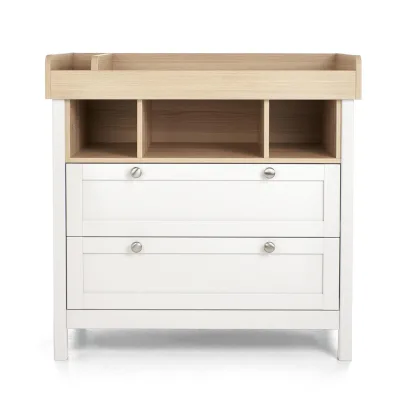
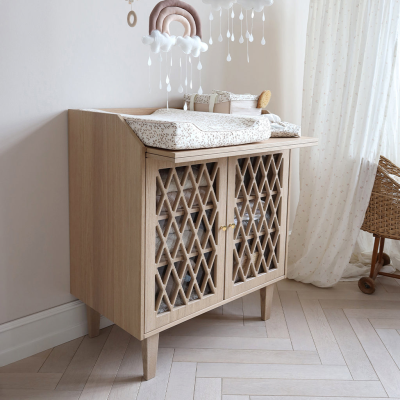
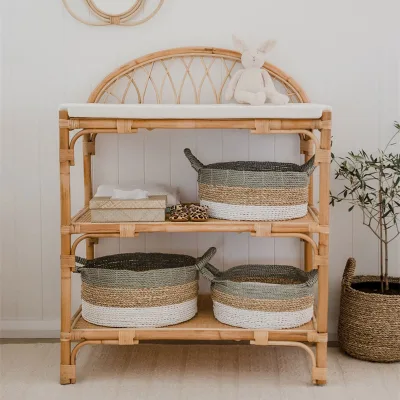
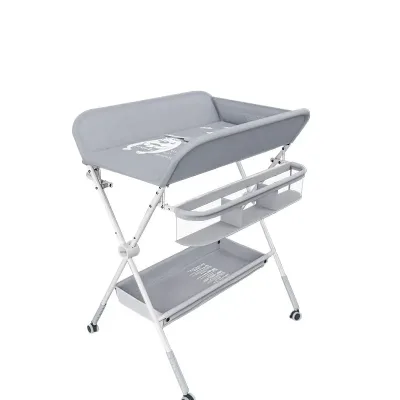


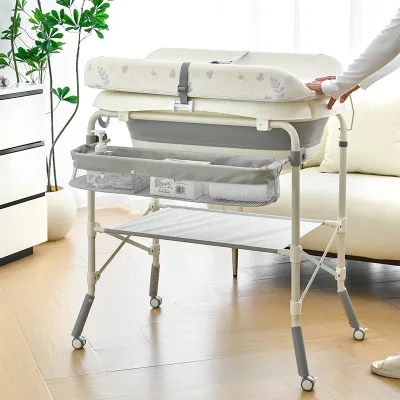

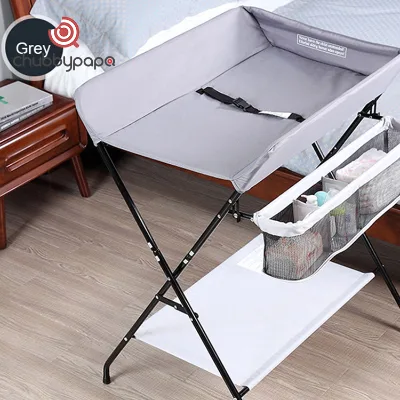
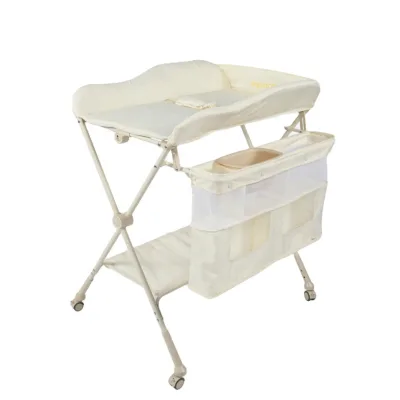
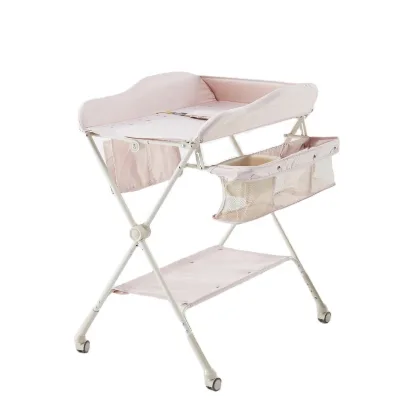


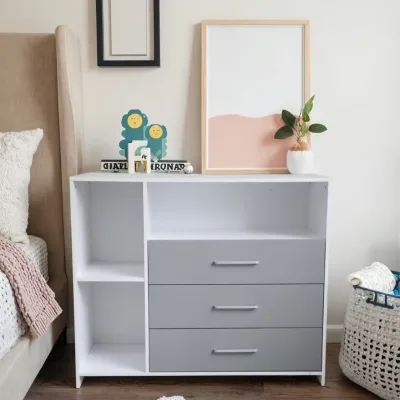
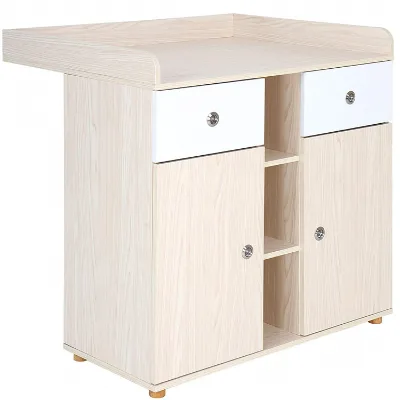
Comprehensive Sourcing Guide
Modern Safety Baby Changing Table Sourcing Guide
Sourcing a Modern Safety Baby Changing Table requires a careful balance between aesthetic integration into contemporary interiors and rigorous adherence to infant care safety standards. Buyers must recognize that this category spans diverse product types, from wall-mounted units designed for compact bathroom or hotel environments to standalone flat beds intended for bedroom or living room use. The term "modern" often implies clean lines, minimalist designs, and materials that resist moisture and stains, which is critical for hygiene in high-traffic areas. However, the structural requirements for a wall-mounted unit differ significantly from those of a freestanding changing station, necessitating distinct verification protocols for load-bearing capacity, mounting hardware, and material durability.
Procurement decisions should be driven by the specific application environment, whether it is a residential nursery, a boutique hotel amenity, or a pediatric clinic. Observed market signals indicate a wide variance in product configurations, including canopy beds, flat beds, and wall-mounted tables, each serving different spatial and functional needs. For instance, wall-mounted options are frequently cited for their space-saving benefits in bathrooms and hotels, while freestanding units may offer greater stability and storage integration for bedrooms. Understanding these distinctions is essential for aligning product selection with the end-user’s spatial constraints and operational workflows, ensuring that the chosen solution enhances rather than hinders daily caregiving routines.
Product Scope and Observed Listing Signals
The current market landscape for baby changing tables exhibits significant diversity in form factors and intended use cases. Listings reveal products categorized as both wall-mounted changing tables and flat beds, with some units featuring canopy structures. This variation suggests that buyers are not limited to a single design archetype but must evaluate products based on their specific installation requirements. For example, wall-mounted units often emphasize compactness and ease of cleaning, making them suitable for bathrooms or hotels, whereas flat beds may be designed for broader applications in bedrooms and living rooms. Buyers should carefully review product attributes such as shape (square or rectangle), foldability, and disassembly options to ensure compatibility with their facility’s layout and maintenance protocols.
Material composition and finish are critical indicators of product quality and longevity in this category. Observed specifications highlight the use of plastic for table tops, a material choice that offers durability and ease of sanitation, which is paramount for infant care products. Additionally, attributes such as "washable" and "sustainable" suggest a growing market demand for eco-friendly and low-maintenance solutions. Buyers should verify whether the plastic used is BPA-free and resistant to cracking or discoloration over time. Furthermore, the presence of "modern" and "classic" style descriptors indicates that aesthetic preferences vary, requiring buyers to assess whether the product’s visual design aligns with their brand identity or interior design scheme.
Technical Specifications to Verify
Load-bearing capacity is a non-negotiable technical parameter that must be explicitly verified for every potential supplier. Observed data points to a load-bearing capacity of 20kg for certain models, which serves as a baseline for safety but may not be sufficient for all use cases. Buyers should confirm the maximum weight limit for each product variant, ensuring it exceeds the expected weight of the infant plus any accessories or supplies placed on the surface. Additionally, the structural integrity of wall-mounted units depends heavily on the quality of the mounting hardware and the stability of the wall structure itself. Procurement teams should request detailed engineering drawings or installation manuals to assess the distribution of weight and the recommended wall types for secure installation.
Dimensions and packaging specifications are equally critical for logistics and spatial planning. Observed carton sizes vary significantly, ranging from compact dimensions suitable for small items to larger boxes that may require special handling. For instance, some units are listed with carton sizes around 75.52352cm, while others may be larger, impacting shipping costs and warehouse storage requirements. Buyers should also verify the gross weight (Gw) of the products, which has been observed to range from 8kg to 20.5kg, to accurately calculate freight charges and ensure that the receiving facility has the appropriate equipment for unloading. Clear communication regarding folded versus unfolded states is also essential, as this affects both storage efficiency and the ease of assembly at the destination.
Compliance and Safety Documentation
Safety certifications are the primary evidence of a product’s adherence to regulatory standards in the baby care industry. Observed listings include a range of certifications such as CE, CPC, GCC, SNI, ISO9001, JPMA, CPSC, ASTM, EN716, and SEDEX. Buyers must verify which specific certifications apply to the product variant they intend to purchase, as not all suppliers may hold every listed credential. For example, products intended for the US market typically require CPSC and ASTM compliance, while European markets may prioritize CE and EN standards. It is crucial to request valid, up-to-date certification documents directly from the supplier and to cross-reference them with the relevant regulatory bodies to ensure authenticity and coverage.
Beyond formal certifications, buyers should inquire about the testing protocols and quality control measures implemented by the manufacturer. Trusted category knowledge suggests that standards such as ASTM F2388 and EN 12221-1 are relevant to baby furniture safety, although specific compliance status should be confirmed through documentation rather than assumption. Buyers should ask for test reports that evaluate stability, edge sharpness, and material toxicity. Additionally, the presence of features like "sustainable" materials or "disposable" components may indicate specific environmental or hygiene considerations that should be validated against the buyer’s corporate sustainability goals or operational hygiene policies.
Cost Drivers and Commercial Terms
Pricing in the baby changing table market is influenced by a combination of material quality, certification costs, and order volume. Observed price ranges span from $16 to $400, reflecting the diversity from basic plastic components to fully assembled, certified units with premium finishes. Buyers should understand that lower price points may correspond to minimal packaging, basic certifications, or higher minimum order quantities (MOQs), while higher prices may include comprehensive safety testing, custom branding, or smaller MOQs. It is essential to request detailed quotations that break down costs for the product, packaging, shipping, and any applicable duties or taxes to avoid hidden expenses.
Minimum order quantities (MOQs) and payment terms are key commercial variables that impact procurement flexibility. Observed MOQs range from no minimum requirement to 1000 units, allowing buyers to scale their orders based on demand forecasts. Suppliers with no MOQ may be suitable for trial orders or small-scale projects, while those with higher MOQs may offer better unit economics for large-scale deployments. Buyers should also clarify the lead times for production and shipping, as well as the terms for customization, such as logo printing or color variations. Understanding these commercial terms helps in negotiating favorable conditions and ensuring that the supply chain can meet delivery deadlines without compromising on quality or cost.
Supplier Qualification and Quality Control
Supplier qualification begins with verifying the manufacturer’s location and production capabilities. Observed data indicates that many suppliers are located in regions such as Zhejiang and Shandong in China, which are known for their manufacturing expertise in furniture and baby products. Buyers should conduct due diligence to assess the supplier’s factory size, production capacity, and quality management systems. Requesting a virtual or physical factory audit can provide insights into the manufacturing processes, raw material sourcing, and final inspection procedures. Additionally, verifying the supplier’s business license and export history can help ensure their reliability and compliance with international trade regulations.
Quality control measures should be integrated into the procurement process to mitigate the risk of defects. Buyers should establish clear quality standards and inspection criteria before placing orders, including checks for structural integrity, surface finish, and packaging durability. Implementing a third-party inspection service for pre-shipment checks can provide an objective assessment of product quality and compliance with specifications. Furthermore, establishing a clear communication channel for addressing any quality issues or discrepancies is essential for maintaining a productive supplier relationship. Buyers should also inquire about the supplier’s warranty policy and after-sales support to ensure that any post-delivery issues can be resolved efficiently.
Long-Term Procurement Checks
Long-term procurement success depends on continuous monitoring of product performance and supplier reliability. Buyers should establish a feedback loop with end-users, such as hotel staff or parents, to gather insights on the product’s durability, ease of use, and safety in real-world conditions. This feedback can inform future purchasing decisions and help identify areas for product improvement. Additionally, staying informed about changes in safety regulations and industry standards is crucial for ensuring that the products remain compliant over time. Buyers should regularly review their supplier’s certification status and update their procurement criteria accordingly to maintain high safety and quality standards.
Sustainability and ethical sourcing are increasingly important factors in long-term procurement strategies. Buyers should evaluate their suppliers’ commitment to environmental responsibility, including the use of sustainable materials, energy-efficient production processes, and waste reduction initiatives. Verifying certifications such as SEDEX or ISO9001 can provide assurance that the supplier adheres to ethical labor practices and quality management principles. By prioritizing sustainable and ethical sourcing, buyers can enhance their brand reputation and contribute to a more responsible supply chain. Regularly reviewing and updating supplier contracts to include sustainability clauses can further reinforce these commitments and drive continuous improvement.
FAQs
What certifications do modern safety baby changing tables have?
These tables often carry CE, CPC, GCC, SNI, and ISO9001 certifications. Some models also include JPMA, CPSC, ASTM, EN716, and SEDEX approvals to ensure compliance with international safety standards for children's products.
Can I find modern safety baby changing tables with adjustable height?
Most listed models are unadjustable in height, though some designs offer foldable features. Buyers should verify specific product attributes like height adjustability before purchasing to ensure the table fits their space requirements.
Which materials are used for the table top of these changing tables?
The table top material is typically plastic, offering durability and ease of cleaning. This material choice supports the washable nature of the product, making it suitable for bathroom and hotel applications where hygiene is critical.
How much weight can a Modern Safety Baby Changing Table support?
The load-bearing capacity is specified as 20kg for certain models. This limit ensures safe usage for infants and toddlers while maintaining structural integrity during the changing process in various settings like bathrooms or hotels.
What is the minimum order quantity for these changing tables?
Some suppliers offer no minimum order quantity, while others may require up to 1000 units. Buyers should check specific product listings for MOQ details, as values range from 1 to 1000 depending on the vendor and customization needs.
Are these modern safety baby changing tables available in custom sizes?
Customization is available for some models, allowing for specific dimensions or features. However, many standard items are non-customized with fixed sizes like 85*62*108cm or 51*75*60.5cm, so buyers must confirm customization options with the supplier.