Source Modern Storage Fabric Sofa for Home Office, Office Building, Commercial Spaces
Explore 30 listings of Modern Storage Fabric Sofa options suitable for home offices, office buildings, and commercial spaces. Buyers can compare specifications, materials, and prices to find the right furniture for their needs.
Key considerations
Products List
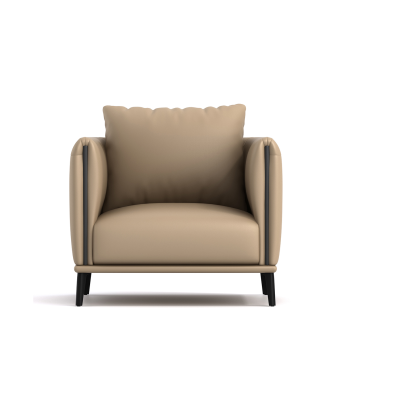


$232.50 - $279.50
MOQ: 30 pieces


Modern Fabric Sofa for Living Room, Villa, Apartment - Comfortable and Stylish
$500.00 - $1500.00
MOQ: 1 Pieces


Hot Selling Modern Fabric Comfortable Sofa for Living Room Living Room Furniture
$500.00 - $1500.00
MOQ: 1 Pieces


Living Room Sofa Home Furniture Living Room Furniture Luxury Modern Sofas
$876.00 - $1322.00
MOQ: 1 Pieces


Home Furniture Living Room Sofa Living Room Sofa for Hotels and Home Living Rooms
$835.00 - $1039.00
MOQ: 1 Pieces


Home Furniture Home Sofa Luxury Couch Modern Sofa Hotel Furniture Luxury Modern Sofa
$2198.00 - $4280.00
MOQ: 1 Pieces


Comprehensive Sourcing Guide
Strategic Sourcing Guide for Modern Storage Fabric Sofas
Understanding Product Definitions and Core Attributes
When initiating a procurement strategy for modern storage fabric sofas, buyers must first establish a precise definition of the product category to ensure alignment between supplier capabilities and operational requirements. The term "Modern Storage Fabric Sofa" encompasses a specific subset of commercial and residential furniture characterized by contemporary design aesthetics, functional storage integration, and upholstery constructed from fabric materials. In the context of current market offerings, these units are frequently categorized under general use as commercial furniture, though they also serve home office and office building environments. The design style is consistently observed as contemporary or modern, often featuring clean lines and functional forms that prioritize space efficiency.
A critical attribute to verify during the initial research phase is the specific material composition. While the core keyword specifies "fabric," market data indicates a complex material ecosystem where "Synthetic Leather" and "Fabric" (including Plush and Corduroy variants) are often listed alongside each other for similar model numbers. Buyers must distinguish between products that utilize a fabric primary surface versus those that blend synthetic leather or PVC with fabric elements. The frame material is another non-negotiable specification; high-quality units in this category typically utilize Ash Wood or Stainless Steel as structural components, ensuring durability in high-traffic commercial settings. The padding is almost universally specified as Sponge, which provides the necessary resilience for seating comfort.
The storage functionality itself is a defining feature. Unlike standard lounge sofas, these units are engineered to include concealed compartments or lift-up seating mechanisms. This functional requirement directly influences the internal dimensions and the overall volume of the product. For instance, specific models in the modern storage category have been observed with a volume of approximately 0.08 to 0.31 cubic meters, depending on the storage capacity and structural reinforcement required. The "Set" type classification often implies that these units are sold as part of a coordinated collection, potentially including matching ottomans or modular components, which is vital for bulk procurement planning.
Technical Specifications and Dimensional Analysis
Precision in technical specifications is paramount when sourcing modern storage fabric sofas, as the integration of storage mechanisms imposes unique dimensional constraints compared to standard seating. The physical footprint of these units must be carefully evaluated against the intended installation space. Observed product dimensions in the market vary significantly, with some models measuring approximately 100 inches in length, while others are more compact at 33 inches, reflecting different seating configurations and storage depths. The height and depth are equally critical; a typical medium-back design may range from 24 to 28 inches in height, with a depth that accommodates both seating comfort and the internal storage cavity.
Buyers should scrutinize the specific model numbers and their corresponding dimensions to avoid procurement errors. For example, a model designated as YF2616 may have distinct dimensions compared to a YF650, even if both fall under the "modern storage" umbrella. The width-to-depth ratio is particularly important for storage sofas, as the storage compartment often requires a deeper seat base than a standard sofa. In some observed cases, the product dimensions are listed as 25418062 CM or 858570 CM, indicating that the storage mechanism may alter the external profile or require specific clearance for operation.
Weight is another critical technical specification that impacts logistics and handling. The gross weight of these units can range from 33 pounds to over 62 kilograms, depending on the density of the frame material, the type of fabric, and the volume of the storage compartment. The net weight provides insight into the actual product mass excluding packaging, which is useful for calculating shipping costs and structural load requirements. The volume, measured in cubic meters (CBM), is essential for freight optimization. A volume of 0.08 CBM suggests a compact unit, whereas 0.31 CBM indicates a larger, more substantial piece that will consume significantly more container space.
The armrest configuration is a standard feature in this category, typically listed as "With Armrest," which contributes to the overall structural integrity and aesthetic balance. The back height is generally classified as "Medium Back," offering a balance between support and the modern, low-profile aesthetic. Buyers must verify if the storage mechanism affects the armrest structure, as some designs integrate storage within the arms, while others utilize the seat base. The condition of the product is consistently listed as "New," but the structural integrity of the storage mechanism upon delivery must be confirmed through inspection protocols.
Compliance, Certification, and Safety Standards
Navigating the compliance landscape for modern storage fabric sofas requires a rigorous verification of safety standards, particularly regarding fire retardancy and material safety. In the commercial furniture sector, fire safety is a primary concern, and suppliers must demonstrate adherence to recognized standards. Observed data references a "Fire Retardant Standard" that includes specific classifications such as "ISO Inflatable:Non Inflatable." This notation suggests that the fire safety certification is tied to the specific construction of the unit, distinguishing between inflatable components (which are generally not present in these solid-frame sofas) and non-inflatable structures. Buyers should explicitly request documentation proving that the fabric and padding meet the fire retardant requirements applicable to their jurisdiction, such as California TB 117-2013 or the UK Furniture and Furnishings (Fire) (Safety) Regulations.
Material safety is another critical compliance area. The product listings indicate a variety of material types, including Ash Wood, Stainless Steel, PVC, and Leather. While "Synthetic Leather" and "Fabric" are the primary upholstery materials, the presence of PVC and other synthetic components necessitates verification of chemical safety standards. Buyers should ensure that the materials used do not contain hazardous substances exceeding regulatory limits for volatile organic compounds (VOCs) or heavy metals. The "Standard" attribute in supplier data often notes that products meet a "standard" which could be customized, implying that the baseline compliance may vary. Therefore, the procurement contract must explicitly define the required fire and safety standards rather than relying on generic claims.
Packaging standards also play a role in compliance, particularly for international shipping. The observed packing methods include "Woven Bag, Wooden Box" and "Cardboard Box." The choice of packaging affects the product's ability to withstand shipping stresses and must be verified to ensure the storage mechanism remains functional upon arrival. The "prod_standard" field often indicates that the standard is "standard, also could be customised," which is a red flag for buyers requiring strict adherence to specific international norms. It is imperative to define the exact standard in the purchase order to avoid receiving units that meet only a generic internal benchmark.
Cost Drivers and Pricing Dynamics
The pricing of modern storage fabric sofas is influenced by a complex interplay of material costs, manufacturing complexity, and logistical factors. The observed price range in the market spans from 61 USD to 20,000 USD, a variance that reflects differences in scale, material quality, and customization levels. At the lower end of the spectrum, units may utilize basic synthetic leathers or standard fabrics with simpler storage mechanisms and less robust framing. Conversely, the higher price points are associated with premium materials such as high-grade Ash Wood, genuine leather blends, and complex engineering for the storage compartments.
Material composition is a primary cost driver. The use of Ash Wood or Stainless Steel in the frame significantly increases the base cost compared to engineered wood alternatives. Similarly, the type of fabric—whether Plush, Corduroy, or a high-performance synthetic—directly impacts the unit price. The volume of the product also affects shipping costs, which are often a significant portion of the total landed cost. A unit with a volume of 0.31 CBM will incur higher freight charges than one with 0.08 CBM, especially when shipping from major manufacturing hubs like Guangdong or Foshan, China.
Customization is another major factor influencing cost. The market data indicates that customization is "Available," which allows buyers to tailor dimensions, colors, and materials to specific needs. However, this flexibility comes at a premium. Custom orders often require minimum order quantities (MOQ) and longer lead times, which can increase the per-unit cost. The observed MOQ range of 1 to 100 units suggests that buyers can source single items for testing or small offices, but bulk orders may benefit from economies of scale. Payment terms, such as T/T (Telegraphic Transfer) and L/C (Letter of Credit), also influence the financial dynamics, with L/C often being preferred for larger transactions to mitigate risk, though it may involve additional banking fees.
Typical Applications and Usage Scenarios
Modern storage fabric sofas are versatile solutions designed to meet the demands of diverse environments, ranging from commercial office spaces to residential home offices. The primary application is in office buildings where space efficiency is critical. In these settings, the sofa serves as a reception area seating or a breakout space, providing a comfortable environment for employees and visitors while offering hidden storage for documents, magazines, or office supplies. The "Home Office" and "Office Building" attributes highlight the dual suitability of these units for both professional and semi-professional residential use.
In commercial furniture contexts, the durability and aesthetic appeal of the modern design are essential. The "Contemporary" and "Modern" design styles ensure that these sofas integrate seamlessly into current interior design trends, which often favor clean lines and multifunctional furniture. The "General Use" as Commercial Furniture indicates that these units are built to withstand higher usage frequencies than typical residential furniture. The medium-back design and sponge padding provide adequate comfort for extended periods of sitting, which is a requirement in waiting areas and meeting rooms.
The storage functionality is particularly valuable in environments where space is at a premium. In small office suites or co-working spaces, the ability to store items out of sight helps maintain a tidy and professional appearance. The "Set" type classification suggests that these sofas can be part of a larger furniture arrangement, allowing for cohesive design in larger commercial spaces. The "Single item" selling unit indicates that they can also be purchased individually for smaller projects or as replacements. The specific use as "Office Sofa" reinforces their primary role in professional settings, where they must balance comfort, style, and functionality.
Supplier Evaluation and Quality Control Protocols
Evaluating suppliers for modern storage fabric sofas requires a meticulous approach to verifying their capabilities and quality control measures. The geographic origin of the products is a key indicator of supply chain reliability. Most observed units originate from Guangdong, China, specifically from Longjiang Town in the Shunde District of Foshan City, a region renowned for its furniture manufacturing expertise. Buyers should verify the specific factory location to ensure it aligns with their quality expectations and logistical preferences.
Quality control should focus on the structural integrity of the storage mechanism. Since the storage feature involves moving parts, it is essential to test the durability of the lifting mechanism or compartment doors. The frame material, typically Ash Wood or Stainless Steel, must be inspected for strength and finish quality. The padding, specified as Sponge, should be checked for density and resilience to ensure it does not degrade quickly under regular use. The upholstery, whether Fabric, Plush, or Corduroy, must be examined for stitching quality and color consistency.
Buyers should also assess the supplier's ability to meet customization requests. The availability of customization suggests that the supplier has flexible production lines, but this flexibility must be managed to maintain quality. The "prod_standard" field noting that standards can be customized implies that the supplier is willing to adapt to specific requirements, but the buyer must clearly define these standards in the contract. The warranty time of 3 years is a significant indicator of supplier confidence in their product quality. Buyers should verify the terms of this warranty, including what is covered and the process for claims.
Long-Term Procurement and Maintenance Considerations
Long-term procurement success for modern storage fabric sofas depends on establishing clear maintenance protocols and understanding the lifecycle of the product. The warranty period of 3 years provides a baseline for expected product longevity, but proactive maintenance is essential to maximize this lifespan. Regular cleaning of the fabric upholstery is necessary to prevent staining and wear, particularly in high-traffic commercial environments. The type of fabric, such as Plush or Corduroy, may require specific cleaning agents or methods to avoid damage.
The storage mechanism requires periodic inspection to ensure it remains functional. The moving parts of the storage compartment should be lubricated and checked for wear. The frame material, whether Ash Wood or Stainless Steel, should be inspected for signs of corrosion or structural fatigue. The padding, while generally durable, may need replacement if it loses its resilience over time. Buyers should plan for these maintenance activities in their operational budgets to avoid unexpected downtime.
Logistics and packaging also play a role in long-term procurement. The observed packing methods, including Woven Bags, Wooden Boxes, and Cardboard Boxes, must be evaluated for their ability to protect the product during shipping. Proper packaging ensures that the sofa arrives in new condition, ready for immediate use. The volume and weight of the product must be considered for long-term storage if the furniture is not immediately installed. Buyers should also consider the end-of-life disposal of the product, ensuring that the materials used, such as Synthetic Leather and Wood, can be recycled or disposed of in compliance with local environmental regulations.
Final Sourcing Recommendations
In conclusion, sourcing modern storage fabric sofas requires a comprehensive understanding of product attributes, technical specifications, and supplier capabilities. Buyers must carefully evaluate the material composition, ensuring that the fabric, frame, and padding meet their specific needs for durability and aesthetics. Compliance with fire safety and material standards is non-negotiable, and buyers should verify these certifications before finalizing any purchase. The cost drivers, including material quality and customization, must be balanced against the budget constraints, while the typical applications in office and home office environments guide the selection of the right design.
Supplier evaluation should focus on the manufacturer's location, quality control processes, and warranty terms. The 3-year warranty observed in the market is a strong indicator of product reliability, but buyers must understand the terms and conditions. Long-term maintenance and logistics planning are essential to ensure the product remains functional and aesthetically pleasing over time. By adhering to these guidelines and maintaining a disciplined approach to procurement, buyers can successfully source modern storage fabric sofas that meet their operational requirements and enhance their workspace environments.
FAQs
What materials are used for the frame and upholstery?
The frame is constructed from Ash Wood or Stainless Steel, while the upholstery options include Synthetic Leather, Fabric, Plush, or Corduroy. Buyers should verify the specific material type listed for each model to ensure it meets durability requirements for commercial office settings.
Which dimensions are available for this modern storage sofa?
Observed dimensions vary significantly, with some models measuring 100 inches in length and others at 33 inches. Specific sizes like 254*180*62 CM or 85*85*70 CM are available, so buyers must check the exact product dimensions against their space constraints before ordering.
Can I customize the product specifications and standards?
Yes, customization is available for dimensions, colors, and standards. The product standard is listed as standard but can be customized, allowing buyers to tailor the sofa to specific commercial requirements or unique interior design needs for office buildings.
What is the minimum order quantity for these sofas?
The minimum order quantity ranges from 1 to 100 units depending on the supplier and specific model. Single items are available for testing, but bulk orders may benefit from economies of scale, so buyers should confirm the MOQ with the specific manufacturer.
How long is the warranty period for this furniture?
The warranty time is typically 3 years for this category of commercial furniture. This coverage applies to the structural integrity and functional components, ensuring reliability for high-traffic environments like home offices and office buildings in commercial settings.
Where are these modern storage fabric sofas manufactured?
These sofas originate from Guangdong, China, specifically Longjiang Town in Shunde District, Foshan City. Buyers should verify the exact place of origin on the product page to ensure the location aligns with their logistical and sourcing preferences.