Source Modern Storage Kitchen Island Cart for Apartments, Hotels, and Villas
Explore 30 options for a Modern Storage Kitchen Island Cart designed for apartments, hotels, and villas. Compare customizable dimensions, materials like plywood and solid wood, and features such as soft-close hinges and sliding doors to find the ideal fit for your residential project.
Key considerations
Products List

Custom Modern Unique Home Kitchen Furniture Island Cart Storage Cabinet
$48.00 - $95.00
MOQ: 5 Square Meters
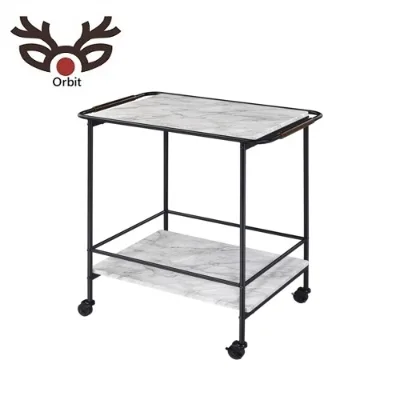
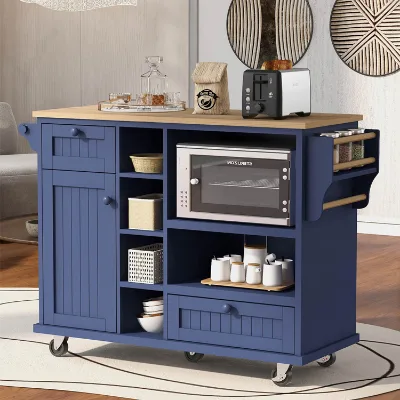
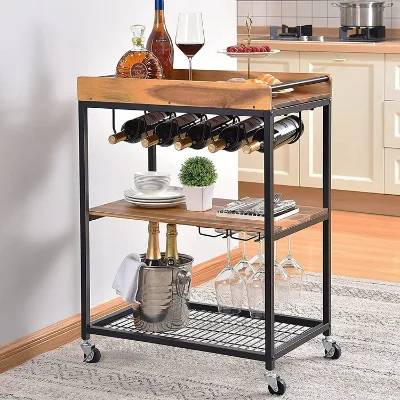
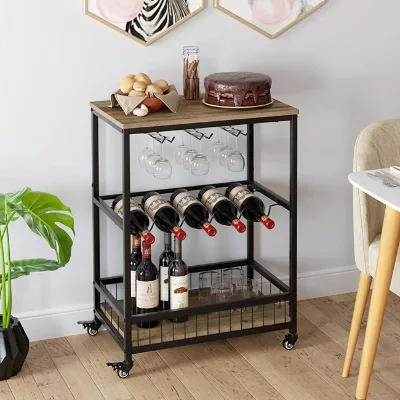
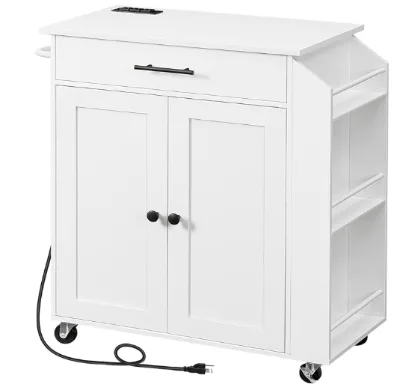
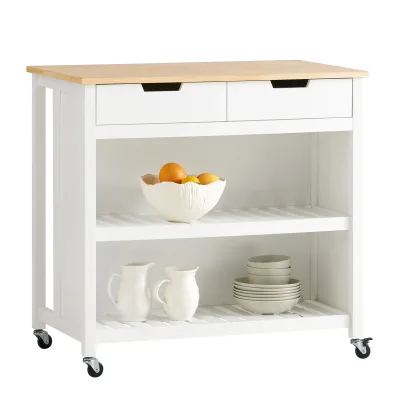
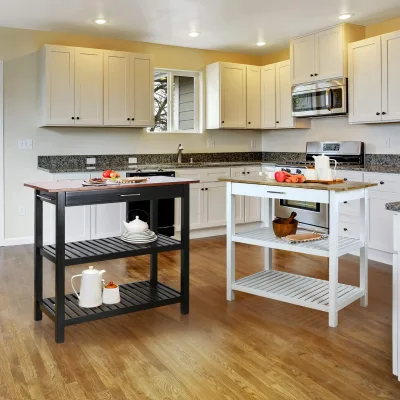


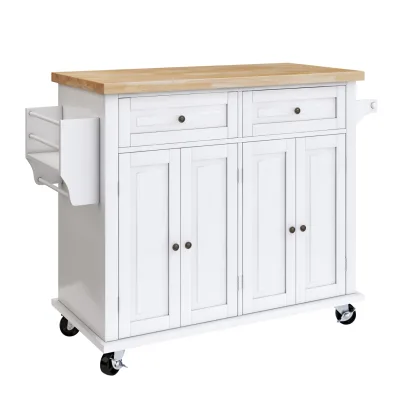


Rolling Wooden Kitchen Island Trolley Cart with Wine Rack and Glasses Holder
$76.00 - $158.00
MOQ: 1 Square Feet

Hotel Luxury Kitchen Island Trolley Kitchen Cart Trolly with Wine Rack
$89.00 - $156.00
MOQ: 1 Square Meters
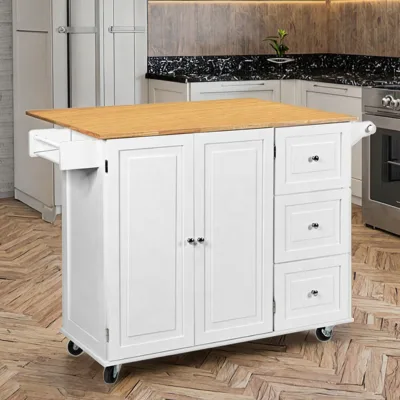


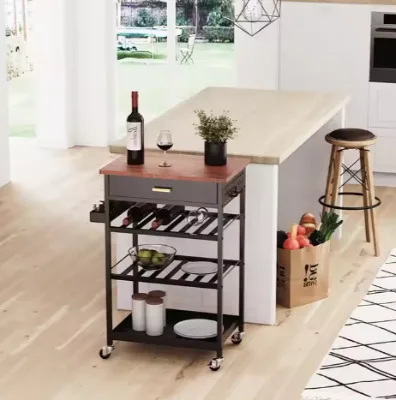
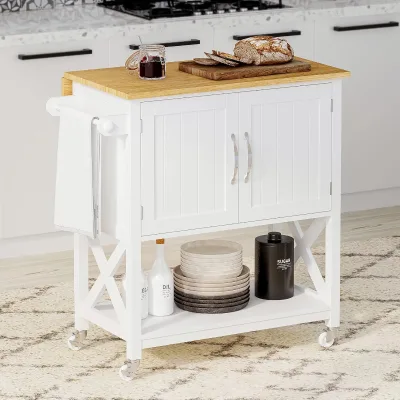
Comprehensive Sourcing Guide
Modern Storage Kitchen Island Cart Sourcing Guide
Procuring a Modern Storage Kitchen Island Cart requires distinguishing between fixed cabinetry and mobile utility units, as the market offers distinct configurations for different operational needs. Buyers must verify whether the selected unit features a modular design or a flat-pack structure, as this dictates assembly complexity and shipping efficiency for large residential or commercial projects. The observed product range includes items with sliding or hinged doors, alongside open shelving options, which directly impacts the storage accessibility and aesthetic integration within a specific kitchen layout.
The customization landscape for these units is extensive, allowing for fully customized dimensions and compartment layouts to fit unique architectural constraints. Suppliers frequently offer material options ranging from plywood and MDF to solid wood and OSB, enabling buyers to balance durability requirements with budgetary constraints. It is critical to confirm that the "customized" attribute applies to the specific structural elements you require, such as the inclusion of soft-close hinges or specialized drawer slides, ensuring the final product aligns with high-traffic usage scenarios in apartments, hotels, or private villas.
Product Scope and Observed Listing Signals
The current market signals indicate a diverse inventory where some units function as stationary kitchen cabinet sets while others serve as mobile carts with four-wheel configurations. Buyers should carefully examine the listed product type, as some listings describe items as "Chair & Table Carts" or "Metal Shelf Carts" despite the core keyword focusing on wooden furniture. This distinction is vital because a unit marketed as a storage cart may utilize a metal shelf structure rather than the wood-based construction implied by the primary search term, affecting both weight capacity and visual style.
Listing attributes reveal that finishes vary significantly, with options including melamine, PVC, lacquer, and wood veneer applied to door panels. Color specifications range from standard white and marble finishes to fully customized color requests, allowing for tailored aesthetic matching. However, the presence of "antique" or "fashionable" style tags alongside "modern" descriptions suggests that buyers must scrutinize product images to ensure the visual language matches the intended design scheme, as the same supplier may list items with conflicting stylistic descriptors in a single catalog.
Technical Specifications to Verify
Dimensional accuracy is paramount when sourcing these units, as specifications like 18.1 inches in depth and 50.8 inches in width are common but not universal across all models. Buyers must verify the single package size and gross weight, which can impact freight costs and handling requirements at the destination port. The structural type, whether described as a platform or built-in design, determines the stability of the unit, especially when loaded with heavy kitchen tools or storage items, necessitating a review of the internal frame composition and load-bearing capabilities.
Hardware integration is another critical technical factor, with many suppliers offering soft-close hinges and drawer slides as standard features. The door panel finish process, whether melamine or lacquer, influences the longevity of the surface against moisture and daily wear. Additionally, the presence of wheels on mobile units requires verification of the wheel type and locking mechanisms to ensure the cart remains stationary during use. Buyers should confirm that the model number and specific material composition, such as wood combined with metal, align with the intended application environment to prevent premature failure.
Compliance and Safety Documentation
While specific certification data like CE or ISO 9001 appears in background contexts, buyers cannot assume these standards apply to every listed product without explicit verification. It is essential to request current test reports and safety documentation directly from the supplier to confirm that the materials used, particularly particle board or MDF, meet the fire safety and formaldehyde emission standards required in the destination market. Relying on general "fully customized" standard claims without supporting documentation can lead to compliance issues during customs clearance or final installation inspections.
Safety considerations extend to the physical construction of the unit, particularly regarding the stability of mobile carts with four wheels. Buyers should ensure that the supplier provides evidence of structural integrity testing for the platform design to prevent tipping hazards. Furthermore, the packaging details, often described as standard export packages with carton, foam, and wooden box layers, must be verified to ensure the product arrives without damage. Confirming that the packaging meets international shipping standards is crucial for protecting the investment during transit from the port of dispatch to the final project site.
Cost Drivers and Commercial Terms
Pricing for modern storage kitchen island carts varies widely, with observed ranges spanning from $3.6 to $158 per unit, heavily influenced by material selection and customization levels. The choice between solid wood and engineered boards like OSB or particle board creates a significant cost differential that buyers must weigh against their budget constraints. Additionally, the complexity of the door panel finish, such as wood veneer versus melamine, acts as a primary cost driver, requiring a clear understanding of the trade-off between aesthetic appeal and unit price.
Commercial terms are equally critical, as the minimum order quantity (MOQ) can range from a single item to 500 pieces depending on the supplier and product configuration. Buyers must clarify whether the listed price includes OEM or ODM support, as custom branding and design modifications often incur additional fees. The supply ability of 80,000 pieces per month suggests high-volume capacity, but lead times for customized orders may vary significantly. It is advisable to negotiate clear payment terms and delivery schedules that account for the time required for fully customized dimensions and compartment layouts.
Supplier Qualification and Quality Control
Supplier qualification should focus on verifying the origin and production capabilities, with listings indicating origins in China and Taiwan. Buyers must confirm the specific place of origin, such as Fujian or Taiwan, as this can influence shipping logistics and potential tariff implications. The brand names associated with these products, ranging from Orbit to AHOME, indicate different market positioning, but the underlying manufacturing quality depends on the specific factory's adherence to quality control protocols rather than the brand name alone.
Quality control measures must be established before production begins, particularly for customized orders where deviations from the design can be costly. Buyers should request pre-shipment inspections to verify that the hardware, such as soft-close hinges, functions correctly and that the finish is free from defects. The packaging details, including the use of foam and wooden boxes, should be inspected to ensure they provide adequate protection during long-distance shipping. Establishing a clear communication channel for addressing any quality issues post-delivery is essential for maintaining the integrity of the procurement relationship.
Long-Term Procurement Checks
Long-term success in sourcing these units depends on the supplier's ability to maintain consistent quality across multiple production runs. Buyers should monitor the consistency of material options, ensuring that the plywood, MDF, or solid wood used in subsequent orders matches the initial sample specifications. The durability of the door panel finish and the reliability of the hardware components are key indicators of long-term performance, requiring periodic checks to ensure that the product continues to meet the expected standards for residential or commercial use.
Supply chain resilience is another critical factor, as the ability to meet demand fluctuations without compromising quality is vital for ongoing projects. Buyers should assess the supplier's capacity to handle large orders, given the reported supply ability of 80,000 pieces per month, while maintaining the flexibility to accommodate custom requests. Regular reviews of the supplier's performance, including adherence to lead times and the accuracy of the shipping documentation from the port of dispatch, will help mitigate risks and ensure a stable procurement pipeline for future needs.
FAQs
Can I customize the dimensions and layout of the Modern Storage Kitchen Island Cart?
Yes, fully customized dimensions and compartment layouts are available for this Modern Storage Kitchen Island Cart. Buyers can specify exact sizes to fit their space, with options for modular design, flat pack, or built-in structures. The product supports OEM and ODM customization, allowing tailored material choices like plywood, MDF, or solid wood to meet specific project requirements.
What materials are used to construct the Modern Storage Kitchen Island Cart?
The Modern Storage Kitchen Island Cart is constructed from wood, with material options including plywood, MDF, particle board, solid wood, and OSB. Door panel finishes can be selected from melamine, PVC, lacquer, or wood veneer. This variety allows buyers to choose the appropriate durability and aesthetic finish for residential or commercial kitchen environments.
What is the minimum order quantity for the Modern Storage Kitchen Island Cart?
The minimum order quantity for the Modern Storage Kitchen Island Cart is 200 pieces. This MOQ applies to the specific model with a supply ability of 80,000 pieces per month. Buyers should note that observed MOQ ranges across similar listings vary from 1 to 500, so confirming the exact requirement with the supplier is essential for accurate planning.
How is the Modern Storage Kitchen Island Cart packaged for shipping?
The Modern Storage Kitchen Island Cart is packaged in standard export packaging, typically using carton, foam, and wooden box combinations. The single package size is approximately 48.3x56x91.5 cm, with a gross weight of 10.0 kg. This robust packing ensures protection during transit from the port of dispatch in Taiwan or Fujian, China.
What hardware features are included in the Modern Storage Kitchen Island Cart?
The Modern Storage Kitchen Island Cart includes high-quality hardware such as soft-close hinges and drawer slides. Door types can be sliding, hinged, glass, or open, depending on the design. These features enhance usability and durability, making the cart suitable for frequent use in apartments, hotels, villas, and other residential projects requiring reliable storage solutions.
Where is the Modern Storage Kitchen Island Cart manufactured?
The Modern Storage Kitchen Island Cart is manufactured in China, with origins noted in Taiwan and Fujian. Products are dispatched from ports in these regions. Buyers can expect consistent quality standards, with options for customized branding and design. The manufacturing location supports efficient logistics and supply chain management for international orders.