Source Modern Synthetic Leather Hairdressing Chair for Salons, Barbershops, and Beauty Studios
Compare 29 listings of Modern Synthetic Leather Hairdressing Chair options featuring adjustable heights, chrome bases, and hydraulic pumps. Buyers can evaluate specifications, customization, and pricing for commercial beauty salon use.
Key considerations
Products List

Modern Salon Equipment Synthetic Leather Barber Chair SPA Hairdressing Chair
$45.00 - $55.00
MOQ: 50 Pieces


Vintage Barber Chair Hairdressing Hydraulic Recliner Hair Barber Chair
$380.00 - $450.00
MOQ: 5 Pieces


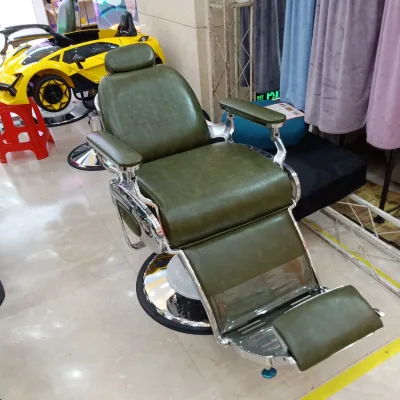


Fashion Wooden Leather Hairdressing Furniture Salon Barber Chair for Barber Shop
$80.00 - $120.00
MOQ: 20 Pieces


Beauty Salon Furniture Barber Shop Styling Chair Hairdressing Master Chair
$50.00 - $200.00
MOQ: 1 Pieces

Modern Hydraulic Styling Chair Reclining Hair Chair Beauty Salon Furniture
$50.00 - $200.00
MOQ: 1 Pieces


Salon Furniture Barber Shop Salon Chair Hairdressing Chair Barber Chair
$50.00 - $200.00
MOQ: 1 Pieces

Barber Shop Hairdressing Equipment Salon Styling Chair Beauty Salon Furniture
$50.00 - $200.00
MOQ: 1 Pieces

Factory Wholesale Beauty Salon Furniture Hairdressing Barber Styling Salon Chair
$50.00 - $200.00
MOQ: 1 Pieces
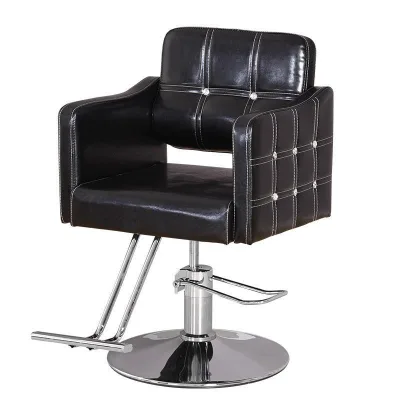

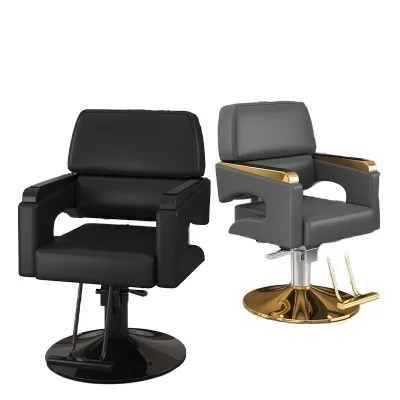
Comprehensive Sourcing Guide
Modern Synthetic Leather Hairdressing Chair Sourcing Guide
Sourcing modern synthetic leather hairdressing chairs requires a disciplined approach that balances aesthetic appeal with the rigorous demands of commercial salon environments. These chairs serve as central fixtures in beauty salons, barber shops, and hairdressing studios, where they must withstand constant use while maintaining a premium visual presence. The core keyword highlights a specific material preference—synthetic leather—which offers durability, ease of maintenance, and cost-effectiveness compared to genuine leather, making it a popular choice for high-traffic commercial furniture. Buyers must recognize that while the material is synthetic, the structural integrity and hydraulic functionality are what truly define the chair’s longevity and operational safety.
The procurement landscape for these chairs is characterized by a wide variety of designs, ranging from vintage-style luxury models with gold frames to contemporary minimalist options. Observed listings indicate a diverse product range, including models with chrome round bases, heavy-duty hydraulic pumps, and 360-degree swivel functions. Some variations feature foldable stainless steel footrests and high-density foam padding, catering to different ergonomic needs. Understanding these variations is crucial for aligning product selection with the specific brand identity and functional requirements of the end-user facility, ensuring that the furniture not only looks the part but also performs reliably under daily stress.
Product Scope and Observed Listing Signals
The current market for modern synthetic leather hairdressing chairs presents a broad spectrum of options, with observed price ranges spanning from $9 to $899 USD. This wide variance suggests significant differences in build quality, material thickness, hydraulic system robustness, and brand positioning. Buyers should interpret this range as an indicator that low-cost options may compromise on critical components such as the base stability or pump durability, while higher-priced models likely offer enhanced comfort features, superior upholstery, and more robust commercial-grade construction. It is essential to correlate price points with specific technical specifications rather than relying on price alone as a proxy for quality.
Observed minimum order quantities (MOQs) typically range from 1 to 200 pieces, reflecting the flexibility of suppliers to accommodate both single-unit replacements and large-scale salon fit-outs. Many suppliers offer customization options, including color, logo placement, and specific dimensions, which is a valuable signal for buyers seeking to align furniture with their salon’s branding. The presence of customization availability indicates that suppliers are equipped to handle bespoke requirements, but buyers must verify the impact of custom orders on lead times and unit costs. Understanding these commercial signals helps in negotiating terms that balance inventory risk with the need for tailored solutions.
Technical Specifications to Verify
When evaluating technical specifications, the hydraulic system is a primary area of focus. Listings frequently mention heavy-duty hydraulic pumps, which are critical for smooth height adjustment and stability. Buyers should verify the load capacity of these systems, with observed data indicating a loading capacity of approximately 200kgs. This specification is vital for ensuring the chair can safely support a wide range of clients without risk of failure. Additionally, the base type, such as chrome round bases, should be inspected for material thickness and weld quality, as these factors directly influence the chair’s stability and resistance to tipping during use.
Upholstery and padding specifications are equally important for long-term comfort and hygiene. Observed materials include synthetic leather and PVC leather, often paired with high-density foam padding. Buyers must verify the thickness and density of the foam, as well as the quality of the synthetic leather, to ensure resistance to tearing, cracking, and staining. The presence of features like foldable stainless steel footrests and 360-degree swivel mechanisms adds to the functional value but requires verification of their mechanical integrity. Confirming these details through product samples or detailed technical datasheets is essential to avoid discrepancies between marketing claims and actual product performance.
Compliance and Safety Documentation
Safety and compliance are non-negotiable aspects of sourcing commercial furniture, particularly for items that support human weight and involve mechanical adjustments. While specific certification statuses may vary by supplier, buyers should insist on documentation that verifies the chair meets relevant safety standards for commercial seating. This includes proof of structural integrity tests, hydraulic pressure testing, and stability assessments. The presence of CE certification in some listings suggests that certain suppliers adhere to European safety standards, but buyers should not assume this applies to all products without explicit verification. Requesting test reports from accredited laboratories provides objective evidence of compliance and reduces liability risks.
Warranty terms are a key indicator of supplier confidence in their product’s durability. Observed listings often include a one-year warranty, which serves as a baseline for buyer protection. However, buyers should scrutinize the scope of this warranty, including coverage for hydraulic pumps, upholstery, and structural components. A comprehensive warranty should clearly define what constitutes normal wear and tear versus manufacturing defects. Understanding these terms helps in calculating the total cost of ownership and ensures that any potential issues can be resolved without significant additional expense. Buyers should also inquire about the process for claiming warranty support, including response times and replacement policies.
Cost Drivers and Commercial Terms
Several factors drive the cost of modern synthetic leather hairdressing chairs, including material quality, hydraulic system complexity, and customization requirements. The use of high-density foam and premium synthetic leather increases material costs, while heavy-duty hydraulic pumps and robust bases add to manufacturing expenses. Customization options, such as specific colors or logo embossing, can also impact pricing due to the additional labor and setup costs involved. Buyers should request detailed cost breakdowns to understand how these factors influence the final price and to identify areas where cost savings might be possible without compromising quality.
Payment terms and delivery times are critical commercial considerations that affect cash flow and project timelines. Observed payment terms often include a 30% deposit and 70% balance before shipment, which is a common structure in international trade. Buyers should negotiate terms that align with their financial capabilities and risk tolerance. Delivery times, typically around two weeks for standard orders, can vary significantly for customized products or large volumes. Understanding these timelines helps in planning salon renovations or expansions effectively. Additionally, buyers should clarify shipping methods, such as DHL, UPS, air, or sea freight, and associated costs, to avoid unexpected expenses upon delivery.
Supplier Qualification and Quality Control
Supplier qualification is a crucial step in ensuring the reliability and consistency of the sourced products. Buyers should assess suppliers based on their manufacturing capabilities, quality control processes, and track record in the industry. Visiting factories or requesting virtual tours can provide insights into production standards and facility conditions. Suppliers with established quality control protocols, including in-process inspections and final product checks, are more likely to deliver consistent quality. Buyers should also verify the supplier’s ability to handle customization requests, as this requires flexibility and precision in manufacturing.
Quality control measures should extend beyond the supplier’s internal checks to include independent verification if necessary. Buyers may request pre-shipment inspections to ensure that the products meet agreed-upon specifications and quality standards. This is particularly important for large orders or when sourcing from new suppliers. Establishing clear quality acceptance criteria, such as acceptable levels of cosmetic defects or functional performance benchmarks, helps in maintaining consistency across batches. Building a strong relationship with the supplier through regular communication and feedback can also enhance quality outcomes and foster long-term partnership benefits.
Long-Term Procurement Checks
Long-term procurement success depends on continuous monitoring of product performance and supplier reliability. Buyers should establish a system for tracking chair performance in the field, including feedback from salon staff and clients regarding comfort, durability, and maintenance needs. This feedback loop provides valuable insights into potential design flaws or material issues that may not have been apparent during the sourcing phase. Regularly reviewing warranty claims and repair records can also highlight recurring problems and inform future purchasing decisions. Proactive management of these metrics helps in maintaining high standards of service and customer satisfaction.
Sustainability and lifecycle management are increasingly important considerations in modern procurement. Buyers should evaluate the environmental impact of the materials used, such as the recyclability of synthetic leather and the durability of metal components. Choosing suppliers who prioritize sustainable practices and offer repair or refurbishment services can extend the lifespan of the furniture and reduce waste. Additionally, staying informed about industry trends and technological advancements in salon furniture can help buyers make informed decisions that align with evolving market demands. By focusing on long-term value rather than just initial cost, buyers can build a resilient and efficient procurement strategy.
FAQs
How much weight can a Modern Synthetic Leather Hairdressing Chair support?
Listed barber chair models show a loading capacity of 200 kilograms, which covers most adult clients safely. Confirm the rated capacity with the supplier before ordering, because capacity can vary by base design and hydraulic pump. Heavy duty hydraulic pumps paired with a chrome round base generally provide the most stable support for daily salon use.
What customization options are available for synthetic leather hairdressing chairs?
Customization is available, including customized colors, so you can match chairs to your salon branding or interior theme. Most listings are marked as customized rather than off-the-shelf stock. Contact suppliers with your preferred color and model, such as E-PD-001 or E-032, and confirm any effect on price, minimum order quantity, and the two-week delivery time.
Which features should I check before ordering a barber chair for a beauty salon?
Check the 360 degree swivel and reclining function, adjustable height range of approximately 12 centimeters, heavy duty hydraulic pump, and a foldable stainless steel footrest. Armrests and high-density foam padding affect client comfort during long services. Also verify the synthetic leather material, chrome round base quality, and the one-year warranty terms in the purchase agreement.
How long does delivery usually take for these hairdressing chairs?
The listed delivery time is two weeks after order confirmation, though actual timing depends on order quantity and customization requirements. Shipping method also matters, since some listings offer dispatch by DHL, UPS, air, or sea. Sample orders or single-piece purchases typically move faster than bulk orders, so confirm the schedule in writing before paying.
Can I order a single chair or is there a minimum order quantity?
Some listings state a minimum order quantity of 1 piece, so single-chair purchases are possible for testing or small salons. Other configurations may have higher minimums, with observed MOQs ranging up to 200 units. Ask each supplier for their MOQ on your chosen model and confirm whether sample pricing differs from bulk order pricing before committing.
What payment terms and packaging can I expect when ordering?
One listed payment term is T/T with 30 percent deposit and 70 percent balance before shipment. Chairs are typically packed in a carton box or carton, with one listing showing packaging dimensions of 70 by 80 by 80 centimeters. Confirm packaging details, shipping costs, and balance payment timing with the supplier when you request a quotation.
What materials and dimensions do these barber chairs use?
The chairs use synthetic leather, also described as PVC leather, with metal structural components and high-density foam padding. Listed dimensions include 84 to 94 by 61 by 58 centimeters and 76 by 72 by 82 centimeters, with some models customizable. Request the exact specification sheet for your chosen model to confirm footprint, seat height, and reclining range fit your salon space.
Is there a warranty and after-sales support for these salon chairs?
Listed products carry a one-year warranty covering manufacturing defects under normal commercial use. Wear parts such as hydraulic pump seals may have separate terms, so ask the supplier what the warranty includes and excludes. Keep purchase records and inspect chairs on arrival, reporting damage within the supplier's stated window to make a valid claim.