Source Modern Tabletop Earring Display Stand for Retail, Home, and Events
Compare 30 modern tabletop earring display stand options from verified Chinese suppliers. Buyers can evaluate materials like PU and wood, customization services, and pricing to find the ideal jewelry storage solution for retail, home, or event use; compare the available evidence and request quotations based on your requirements.
Key considerations
Products List
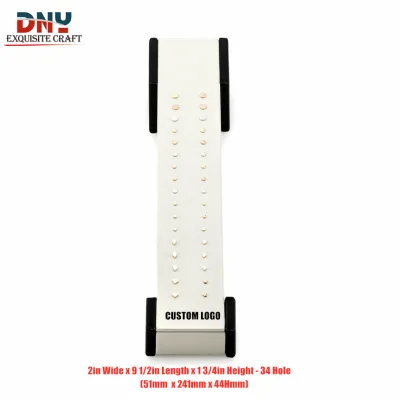
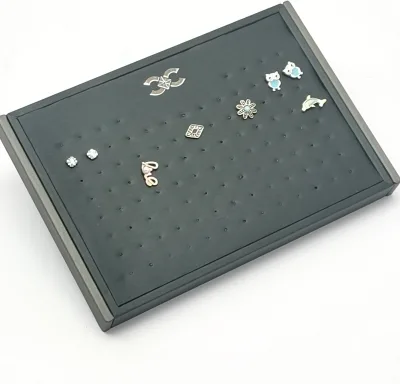
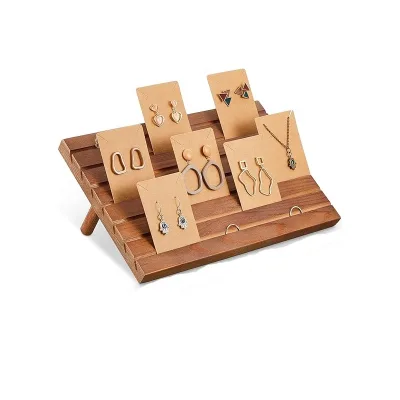
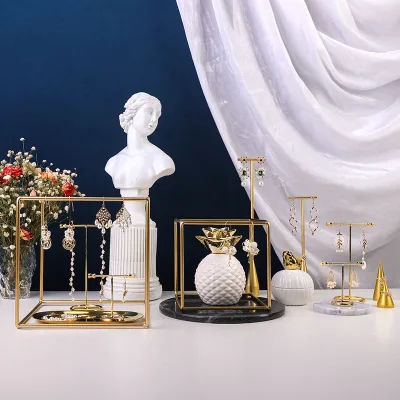
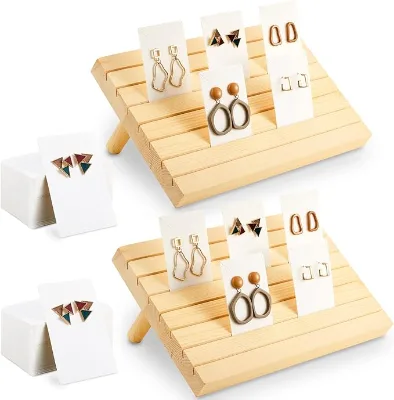
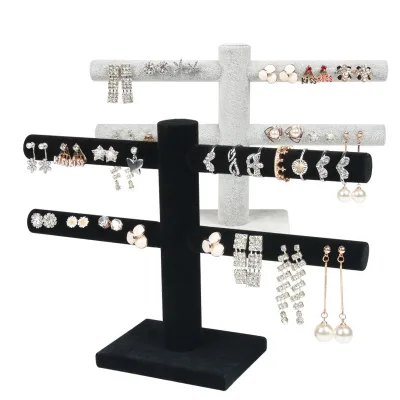
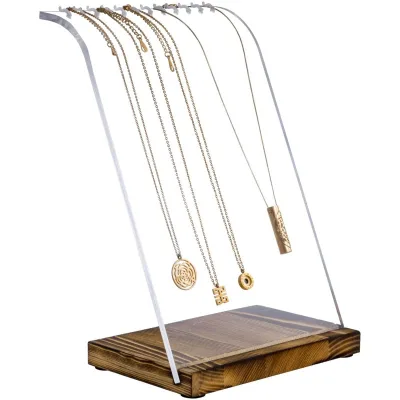
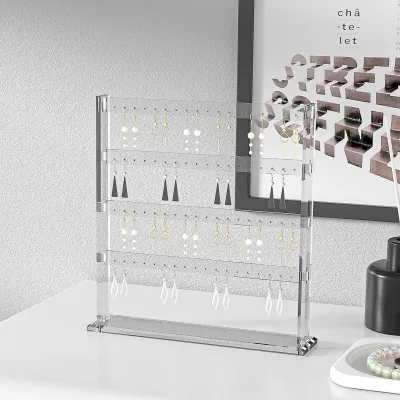




Comprehensive Sourcing Guide
Modern Tabletop Earring Display Stand Sourcing Guide
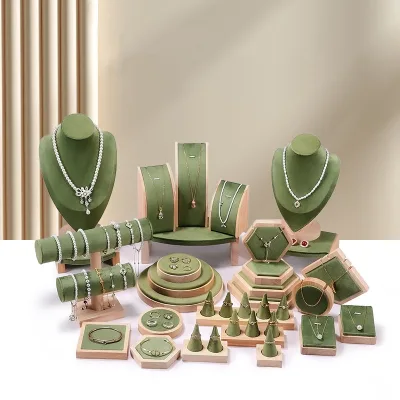
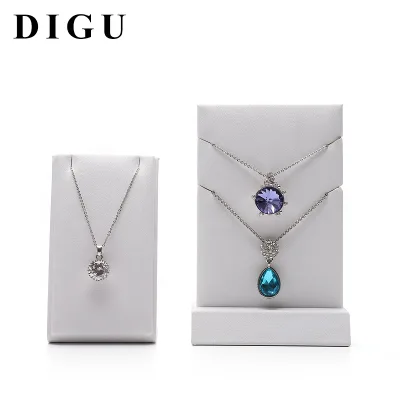
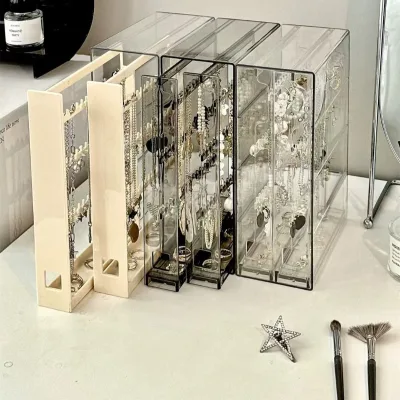
Sourcing modern tabletop earring display stands requires careful attention to material composition and design flexibility, as observed listings indicate a diverse range of options from PU leather to solid wood. Buyers must verify whether the product is intended for retail jewelry storage or home decoration, as the usage context dictates the necessary durability and aesthetic finish. The available data shows that manufacturers often provide customization services for both the design and the logo, allowing brands to align the display with their specific visual identity.
Procurement decisions should also account for the variability in minimum order quantities and packaging dimensions found across different suppliers. While some listings suggest an MOQ of 20 pieces, others require orders of 100 or 500 units, which significantly impacts initial inventory investment. Additionally, the single package size and gross weight vary, influencing shipping costs and storage requirements. Buyers need to confirm these logistical details early to ensure the selected supplier can meet their specific volume and distribution needs without unexpected delays.
Product Scope and Observed Listing Signals
The market for these display units spans multiple material categories, including PU, wood, and other unspecified materials, each offering distinct visual and tactile properties. Observed listings highlight that products are available in various colors, ranging from standard white and black to natural wood tones and a broad spectrum of numbered color options. This variety allows buyers to select units that match specific brand palettes or seasonal collections, provided the supplier confirms the exact color availability for the requested quantity.
Design flexibility is a critical signal in this category, with many suppliers explicitly offering OEM and ODM services to create custom shapes and sizes. The product scope includes specialized units like double stud earring stands and general jewelry display cases, indicating that buyers should define their exact functional requirements before engaging with a vendor. Furthermore, the presence of "environment-friendly" features in some listings suggests a growing market segment focused on sustainable materials, which buyers should verify through specific material certifications rather than general marketing claims.
Technical Specifications to Verify
Buyers must rigorously verify the physical dimensions and weight specifications to ensure compatibility with their retail shelving or home display areas. The observed data includes specific single package sizes, such as 10x10x10 cm, and varying gross weights, which are essential for calculating freight costs and storage density. It is crucial to confirm whether the listed dimensions refer to the product itself or the shipping package, as discrepancies here can lead to logistical bottlenecks upon delivery.
Material composition and finishing techniques are equally vital technical parameters that affect the longevity and appearance of the display stand. Listings indicate the use of painted techniques on wooden units and PU materials for other variants, requiring buyers to assess the durability of these finishes against daily handling. Additionally, the model numbers and specific product types, such as "Double stud earrings display stand," must be matched precisely to the intended jewelry type to ensure the display functions correctly and securely holds the items without damage.
Compliance and Safety Documentation
While specific certification statuses are not universally listed in the provided data, buyers should request documentation regarding the safety of materials used, particularly for products intended for home decoration or retail environments. The mention of "environment-friendly" advantages suggests that suppliers may adhere to specific chemical or sustainability standards, but these claims require verification through independent test reports or compliance certificates. Without explicit evidence, buyers cannot assume that all listed products meet international safety regulations for consumer goods.
Documentation regarding the manufacturing process and origin is also necessary to ensure supply chain transparency and ethical compliance. The observed place of origin data points to specific Chinese provinces like Guangdong, Jiangsu, and Zhejiang, which may have varying local regulatory environments. Buyers should verify that the supplier can provide necessary export documentation and that the products comply with the safety standards of the destination market, especially if the items are intended for children or sensitive environments.
Cost Drivers and Commercial Terms
The commercial landscape for these displays is characterized by significant variability in minimum order quantities and payment structures, which directly influences the unit cost and cash flow requirements. Observed MOQs range from as low as 20 pieces to as high as 500, meaning that smaller buyers may face higher per-unit costs or need to consolidate orders to meet supplier thresholds. Payment terms, such as the observed 50% deposit requirement via T/T, are standard but must be negotiated clearly to protect the buyer's financial interests before production begins.
Sample availability and lead times are additional cost drivers that affect the overall procurement timeline and budget. Some suppliers offer sample times as short as 2-3 days, which can accelerate the design validation process, while others may have longer lead times depending on the complexity of the customization. Buyers should factor in the cost of samples and the potential for rework if the initial design does not meet expectations, ensuring that the total cost of ownership includes these iterative development phases rather than just the final production price.
Supplier Qualification and Quality Control
Evaluating supplier qualifications requires a deep dive into their customization capabilities and their track record for delivering consistent product quality. The availability of OEM services and custom logo acceptance indicates a supplier's ability to adapt to brand needs, but buyers must verify their capacity to maintain quality control during the customization process. It is essential to request samples of previous work to assess the precision of the painting, the stability of the structure, and the accuracy of the branding application.
Quality control protocols should be established before mass production to mitigate the risk of defects in the final shipment. Buyers should inquire about the supplier's internal inspection processes, particularly for critical attributes like color consistency and structural integrity, which are prone to variation in custom manufacturing. Establishing a clear acceptance criteria document based on the observed specifications, such as weight and dimensions, will help ensure that the delivered products meet the agreed-upon standards and reduce the likelihood of disputes upon receipt.
Long-Term Procurement Checks
Building a sustainable supply chain for modern tabletop earring display stands involves regular performance reviews and continuous communication with the supplier. Buyers should monitor the supplier's ability to maintain consistent quality over time, especially when scaling up order volumes or introducing new design variations. Regular audits or requests for updated quality reports can help identify potential issues early, ensuring that the long-term partnership remains productive and reliable for future procurement cycles.
Adaptability to market trends and changes in material availability is another critical factor for long-term success. As consumer preferences shift towards more eco-friendly or unique designs, suppliers must demonstrate the flexibility to adjust their product lines accordingly. Buyers should maintain an open dialogue regarding upcoming material innovations or design trends to ensure their inventory remains competitive. Establishing a clear roadmap for future collaboration helps both parties align their strategic goals and secure a stable supply of high-quality display solutions.
FAQs
Can I get custom designs for modern tabletop earring display stands?
Yes, customization services are provided for modern tabletop earring display stands. You can request specific designs and custom logos to match your brand identity. This OEM service allows you to tailor the product features and appearance to your unique requirements effectively.
What is the minimum order quantity for these jewelry display stands?
The minimum order quantity varies by supplier but typically starts at 20 pieces or 50 pieces. Some vendors may require 100 pieces for specific models. You should verify the exact MOQ with the manufacturer before placing your order to ensure it meets your business needs.
Which materials are commonly used for modern tabletop earring display stands?
Common materials include PU leather, wood, and other unspecified options depending on the model. Wooden stands are often highlighted for their eco-friendly nature. You can choose based on your preference for durability, aesthetics, and environmental impact when selecting the right product.
How long does it take to receive samples of the display stand?
Sample time is typically available within two to three days for most suppliers. This allows you to evaluate the quality and design before committing to a larger order. Ensure you confirm the specific sample lead time with the vendor to plan your procurement schedule accurately.
Where are these jewelry storage cases manufactured?
These products are manufactured in various regions of China, including Guangdong, Jiangsu, and Zhejiang provinces. The specific place of origin depends on the supplier you choose. You can filter your search by location to find manufacturers that best suit your logistical requirements.
What payment terms are standard for purchasing these display stands?
Standard payment terms often include a 50% deposit via T/T before production begins. This is a common practice for B2B transactions involving custom manufacturing. Always confirm the specific payment schedule and methods with the supplier to ensure secure and timely processing of your order.
Can I add my own logo to the modern tabletop earring display stand?
Yes, you can accept custom logos on the modern tabletop earring display stand. Suppliers offer branding services to print or attach your logo to the product. This customization helps in promoting your brand identity while providing functional jewelry storage and display solutions for your customers.