Source Modern Teslin Folding Chair for Hotel, Dining Room, Outdoor
Find 30 Modern Teslin Folding Chair options from suppliers in Zhejiang Province. Compare models with powder-coated metal frames and Textilene seats for use in hotels, dining rooms, and outdoor spaces.
Key considerations
Products List


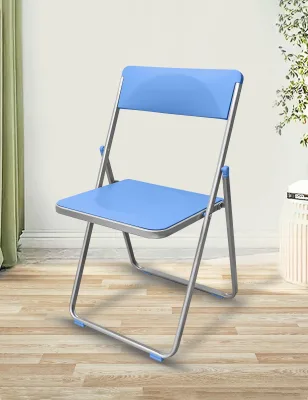


Lightweight and Portable for Easy Relocation in Outdoor Spaces Folding Chair
$3.50 - $3.80
MOQ: 3000 Pieces
Comprehensive Sourcing Guide
Strategic Sourcing Guide for Modern Teslin Folding Chairs
The global market for outdoor and hospitality furniture has seen a sustained shift toward versatile, space-saving solutions that balance durability with aesthetic flexibility. Among the most prominent categories in this sector is the Modern Teslin Folding Chair, a product defined by its specific material composition and functional design. For procurement professionals, understanding the nuances of this category requires a deep dive into the specific attributes observed in current listings, the technical implications of material choices, and the rigorous verification processes necessary to ensure supply chain reliability. This guide synthesizes available product data to provide a structured approach for sourcing these items, focusing on the intersection of technical specifications, compliance, and operational utility.
Material Composition and Structural Integrity
The foundation of any high-quality folding chair lies in its material composition. In the observed product data, the term "Teslin" often appears in the context of fabric options, though specific listings also reference "Textilene," "Oxford," and "Shirt Fiber or Polyester." It is critical for buyers to distinguish between these terms, as they represent different performance profiles. The data indicates that "Textilene" is a frequent seat material, often paired with metal frames. This combination suggests a focus on breathability and weather resistance, which are paramount for outdoor applications.
The frame construction is equally vital. The supplied facts explicitly mention "Metal" as the primary material, with specific references to "Alu Tube" dimensions of Dia: 24X1.0mm. This specification provides a concrete benchmark for buyers to verify against supplier claims. Aluminum frames are generally preferred for their corrosion resistance and lightweight nature, making them ideal for frequent transport and setup. However, the data also notes that frames undergo a "Powder Coated" finish. This process is essential for protecting the metal from rust and UV degradation, particularly for chairs intended for "Outdoor" or "Beach" usage.
When evaluating suppliers, buyers must verify the exact alloy and coating thickness. While the data provides a specific diameter for aluminum tubes, it does not universally confirm the thickness of the powder coating or the grade of the aluminum across all models. Therefore, the procurement strategy must include a request for mill certificates or material safety data sheets (MSDS) to confirm that the metal content matches the advertised specifications. The variation in seat materials, ranging from "Oxford 600X300d" to "Textilene," further necessitates a clear definition of the intended use case. Oxford fabrics generally offer higher durability and water resistance, whereas Textilene provides superior airflow and quick-drying capabilities.
Technical Specifications and Dimensional Standards
Precision in technical specifications is a primary differentiator in the B2B furniture market. The provided product data reveals a wide range of dimensions, indicating that "modern" in this context encompasses various styles, from "Simple" to "European" and "Modern." For instance, one model lists a standard size of "576084.5MM," while another specifies "58.5*82/97.5 * 86/64.5CM." These discrepancies highlight the importance of verifying the exact footprint and height requirements for the intended venue.
The folding mechanism is another critical technical aspect. The data explicitly categorizes products as either "Folded" or "Unfolded," suggesting that the state of the chair upon delivery or storage is a key variable. For logistics planning, the "Packing Size" is essential. One listing notes a packing dimension of "953066mm/2PCS," while another mentions "40PCS/Stack." These figures directly impact shipping costs and warehouse storage efficiency. Buyers must calculate the volume per unit based on the specific model's packed dimensions to optimize container loading.
Furthermore, the data includes specific weight metrics, such as a Net Weight (N.W) of 5.85kg for one model and 27kg for another. This significant variance suggests that the "Type" of chair, whether "Single" or a different configuration, heavily influences the overall mass. Understanding these weight differences is crucial for determining shipping methods and handling requirements at the destination. The "40hq" container capacity figures, such as "560ctns" or "816PCS," provide a clear indication of how many units can be shipped in a standard high-cube container, which is a vital calculation for cost-per-unit analysis.
Compliance, Certification, and Quality Verification
In the realm of B2B procurement, compliance and third-party verification are non-negotiable. The supplied facts mention a "Test Report: SGS" for specific models. SGS is a recognized global inspection, verification, testing, and certification company. The presence of this report indicates that the product has undergone rigorous testing for safety and quality. However, buyers must not assume that all listed products carry this certification. The data presents this as an attribute of specific items, not a universal standard for the entire category.
Procurement teams should verify the scope of any provided test reports. A standard SGS report typically covers structural integrity, load-bearing capacity, and material safety. For chairs intended for commercial use in "Hotel" or "Dining Room" settings, compliance with local fire safety standards and structural load regulations is mandatory. Buyers should request copies of these reports before placing large orders and ensure that the testing was conducted on the exact model being purchased, as specifications can vary even within a single product line.
Additionally, the "prod_standard" field in the data lists dimensions like "53.5x47.5x39/75cm." While these are physical dimensions, they may also imply adherence to specific industry standards regarding ergonomics and stability. Buyers should cross-reference these dimensions with relevant international standards, such as those from BIFMA (Business and Institutional Furniture Manufacturers Association) or EN (European Norms), to ensure the chairs meet the safety requirements of their target market. The absence of a universal standard in the provided data underscores the need for proactive verification rather than passive acceptance of supplier claims.
Cost Drivers and Pricing Dynamics
The pricing landscape for modern Teslin folding chairs is influenced by several interconnected factors. The observed price range in the data spans from $1.9 to $980 USD, a variance that reflects differences in material quality, complexity of design, and order volume. The lower end of this spectrum likely corresponds to basic models with standard metal frames and simple fabric, while the higher end may include premium finishes, custom branding, or specialized engineering.
The Minimum Order Quantity (MOQ) is another significant cost driver. The data shows an MOQ range of 2 to 3000 units. For small buyers or those testing the market, a low MOQ allows for flexibility but often results in a higher unit cost. Conversely, high-volume orders can leverage economies of scale to reduce the per-unit price. The "Customization" attribute is listed as "Available," which introduces a variable cost element. Custom colors, logos, or specific fabric choices will typically increase the unit price and may extend the lead time.
Buyers must also consider the "G.W" (Gross Weight) and "N.W" (Net Weight) in their cost calculations. Shipping costs are frequently based on volumetric weight or actual weight, whichever is higher. A chair with a high gross weight relative to its volume, such as those with heavy metal frames, may incur higher freight charges. The "40hq" container capacity figures provided in the data are essential for estimating the total landed cost. By dividing the total container cost by the number of units that fit, buyers can determine the most cost-effective shipping strategy.
Typical Applications and Usage Scenarios
The versatility of modern Teslin folding chairs makes them suitable for a diverse array of applications. The data explicitly lists "Bar," "Hotel," "Dining Room," and "Outdoor" as usage categories. This broad applicability suggests that the design is robust enough to withstand the demands of commercial hospitality while remaining aesthetically pleasing for residential or event settings. The "Beach" usage tag further highlights the material's resistance to moisture and salt, a critical feature for coastal environments.
The "Style" attributes, ranging from "Simple" to "European" and "Modern," indicate that these chairs can be tailored to fit various interior design themes. For instance, a "Simple" style might be preferred for casual outdoor cafes, while a "European" style could be more appropriate for upscale hotel lobbies. The "Folded" state is particularly relevant for venues that require flexible space management, such as conference centers or event halls where chairs need to be stored compactly when not in use.
When selecting a supplier, buyers should match the chair's specific attributes to their intended environment. For high-traffic areas like "Dining Rooms," durability and ease of cleaning are paramount. In "Outdoor" settings, UV resistance and weatherproofing are the primary concerns. The data suggests that "Textilene" and "Oxford" fabrics are well-suited for these environments, but the specific weave density and coating quality must be verified to ensure long-term performance.
Supplier Evaluation and Long-Term Procurement
Selecting the right supplier is as important as selecting the right product. The data indicates that the "prod_origin" is "Zhejiang Province," a major manufacturing hub in China known for its furniture industry. While this provides a geographic context, buyers should not rely solely on location. Instead, they should evaluate suppliers based on their ability to meet the specific technical and compliance requirements outlined in this guide.
Key evaluation criteria should include the supplier's capacity to handle customization requests, their track record with third-party certifications like SGS, and their ability to provide consistent quality control. The "Customized" attribute suggests that many suppliers offer tailored solutions, but buyers must ensure that the customization process does not compromise the structural integrity or safety of the chair.
Long-term procurement considerations also involve the reliability of the supply chain. The "prod_packing" methods, such as "Carton Package" or "Strong Carton Packing/Mail Box," play a significant role in protecting the product during transit. Buyers should assess the durability of the packaging to minimize damage rates. Additionally, the "Lead Time" and "MOQ" flexibility should be discussed to ensure alignment with the buyer's inventory management strategy.
Quality Control and Inspection Protocols
To mitigate risks associated with mass production, implementing a robust quality control (QC) protocol is essential. Given the variation in specifications observed in the data, such as different frame diameters and fabric types, a pre-shipment inspection is highly recommended. This inspection should verify that the physical dimensions, weight, and material composition match the agreed-upon specifications.
Buyers should focus on critical quality points, including the stability of the folding mechanism, the integrity of the powder coating, and the tensile strength of the fabric. The "Test Report: SGS" mentioned in the data serves as a baseline, but on-site inspections can provide real-time verification of production quality. For large orders, implementing a "First Article Inspection" (FAI) can help identify any deviations early in the production process, preventing costly recalls or rejections.
Furthermore, buyers should establish clear acceptance criteria for defects. For example, a specific tolerance for dimensional variance or a maximum allowable number of scratches on the frame should be defined in the purchase agreement. By maintaining strict quality control standards, buyers can ensure that the final product meets the expectations of their end-users and maintains the brand's reputation for quality.
Conclusion
Sourcing modern Teslin folding chairs requires a meticulous approach that balances technical specifications, compliance requirements, and cost considerations. The available data provides a solid foundation for understanding the product landscape, highlighting the importance of verifying material composition, dimensional standards, and certification status. By adhering to the guidelines outlined in this guide, procurement professionals can navigate the complexities of the market, select reliable suppliers, and secure high-quality products that meet the diverse needs of their clients. The key to success lies in proactive verification, clear communication of requirements, and a commitment to maintaining high standards throughout the supply chain.
FAQs
Can I customize the color of the fabric and frame?
Yes, any color is available for the fabric and frame on these modern teslin folding chairs. This customization option allows buyers to match specific brand identities or venue aesthetics without compromising the structural integrity of the metal frame.
What is the minimum order quantity for these chairs?
The minimum order quantity ranges from 2 to 3000 units depending on the specific model and customization requirements. Buyers should verify the exact MOQ for their selected model, as bulk orders often unlock better pricing tiers and container loading efficiencies.
Which certification is available for quality verification?
Some models include an SGS test report to verify safety and quality standards. Buyers must confirm if this specific certification applies to the exact model being ordered, as it is not a universal attribute for all listed products in the catalog.
How are the chairs packed for shipping?
Packing methods vary by model, including carton packages, strong carton packing, or mail boxes. Specific configurations like 40 pieces per stack or 2 pieces per carton affect the total container capacity and must be calculated for accurate logistics planning.
What materials are used for the seat and frame?
The frames are made of metal, often aluminum tubes with a powder-coated finish for durability. Seat materials include Textilene, Oxford, or polyester blends, offering options for breathability or water resistance depending on the intended outdoor or indoor usage.
Where are these chairs manufactured?
The products originate from Zhejiang Province, a major manufacturing hub for furniture in China. This location provides access to established supply chains but requires verification of specific factory capabilities and lead times for international shipping.
What is the weight of a single unit?
Net weights vary significantly, ranging from 5.85kg to 27kg depending on the model and construction. These weight differences impact shipping costs and handling requirements, so buyers should request the specific gross and net weight for their chosen specification.