Source Modern Wood Decor Ceiling Panels for Offices Hotels Homes
Compare 30 listings of Modern Wood Decor Ceiling Panels featuring PVC materials and fireproof functions. Buyers can evaluate options for office buildings, hotels, and household applications with customizable designs and delivery times.
Key considerations
Products List


Waterproof Material Integrated Wood Ceiling Panels for Hotel Decoration
$8.50 - $11.00
MOQ: 100 Square Meters


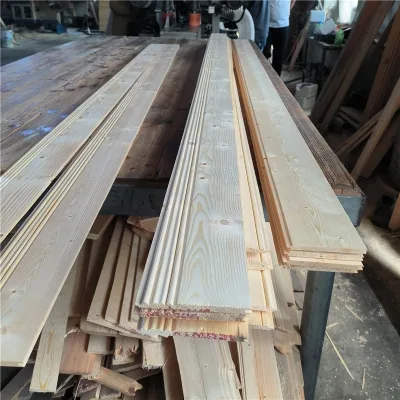

$1.50 - $7.00
MOQ: 500 Square Meters

Decorative Aluminum Ceiling Panel for Contemporary Stylish Wall Decor
$12.38 - $38.90
MOQ: 10 Square Meters

Sophisticated Ceiling Decorative Panel Customized for Modern Living Spaces
$20.00 - $40.00
MOQ: 10 Square Meters

Custom Curtain Wall Great Wall Panel for Modern Ceiling Decoration
$20.00 - $40.00
MOQ: 10 Square Meters


Modern Building Material Wood Grain PVC Ceiling PVC Wall Panels for Decoration
$1.20 - $2.00
MOQ: 1200 Square Meters


Comprehensive Sourcing Guide
Sourcing Guide for Modern Wood Decor Ceiling Panels
The global demand for Modern Wood Decor Ceiling Panels has surged as commercial and residential architects seek sustainable, aesthetically pleasing, and functional interior solutions. While the core keyword suggests a natural wood aesthetic, the actual market supply for "modern wood decor" often relies on high-performance engineered materials that mimic wood grain while offering superior durability and fire safety. This guide provides a disciplined approach to sourcing these products, focusing on verified attributes, compliance requirements, and supply chain logistics derived from current market data.
Understanding Material Composition and Technical Specifications
When sourcing Modern Wood Decor Ceiling Panels, the first critical step is verifying the material composition. While the visual target is wood, the functional supply chain frequently utilizes Polyvinyl Chloride (PVC) as the primary resin base, often combined with calcium powder to achieve specific structural properties. This composition allows manufacturers to produce panels that are lightweight yet robust, offering a distinct advantage over natural timber in humid or high-traffic environments.
The technical specifications for these panels vary significantly based on the intended application. The product models observed in the market include specific designations such as JS032, wp03, cf01, and MC-08, each tailored to different architectural needs. Dimensions are a crucial variable; buyers must verify width and thickness, as observed models range from 25cm widths to specific profiles like 40x45mm or 162x28mm. The shape of the panel is equally important, with options ranging from standard rectangles to U-type profiles and irregular shapes designed for artistic ceiling installations.
Surface finish is another defining characteristic. The manufacturing process can yield smooth, sanded, embossed, or brushed textures, allowing for a wide range of visual effects from minimalist modern to textured rustic. A key performance metric for these panels is dimension stability; high-quality products are engineered to maintain their shape over long testing periods, resisting warping or deformation that can compromise the ceiling grid. Weight is also a factor in installation logistics, with observed product weights ranging between 2.5kg and 3.5kg per unit, which influences the structural requirements of the supporting framework.
Compliance, Certification, and Safety Standards
In the B2B procurement of ceiling panels, compliance is non-negotiable. Buyers must rigorously verify that suppliers possess valid certifications that align with international and regional safety standards. The market data indicates that reputable manufacturers often hold certifications such as RoHS, ISO9001, SGS, and CIS. Additionally, specific regional certifications like Soncap may be required depending on the destination market.
Safety performance is a primary driver for specification. The functional attributes of these panels frequently include fireproofing, soundproofing, and heat insulation capabilities. For commercial projects, the distinction between a "Fireproof Board Ceiling" and a "Normal Ceiling" is critical. The observed product functions list multiple safety features, including moisture-proof, mould-proof, smoke-proof, and waterproof capabilities. These attributes are essential for environments like dust-free rooms, hotels, and public buildings where hygiene and safety are paramount.
Buyers should be cautious when evaluating claims regarding specific fire standards. While background knowledge often references ASTM E84 or EN 13986, these specific numerical standards should not be assumed without direct verification from the supplier's test reports. Instead, procurement teams should request third-party laboratory results that explicitly confirm the fire rating and smoke density of the specific product model being purchased. The presence of certifications like ISO9001 suggests a commitment to quality management, but it does not automatically guarantee fire performance without specific test data.
Cost Drivers and Pricing Dynamics
The pricing structure for Modern Wood Decor Ceiling Panels is influenced by several variables, including material complexity, customization levels, and order volume. The observed market price range is broad, spanning from $0.90 to $580 USD per unit. This variance reflects the difference between basic standard panels and highly customized, large-format artistic installations.
Customization is a significant cost driver. The market data confirms that customization is available, with options for specific colors, shapes, and surface finishes. However, custom orders often incur higher unit costs and longer lead times compared to standard inventory items. The standard product model is often described as "Customized" in terms of its standard configuration, but true bespoke requests will require a separate pricing negotiation.
Order volume plays a pivotal role in unit economics. The Minimum Order Quantity (MOQ) observed in the market ranges from 1 unit to 5,000 units. While some suppliers may accommodate small orders, larger quantities typically unlock more favorable pricing tiers. Buyers should also consider the packaging requirements; products are commonly shipped in cartons or woven bags, and the cost of specialized packaging for fragile or high-value items can impact the total landed cost.
Typical Applications and Functional Requirements
The versatility of Modern Wood Decor Ceiling Panels makes them suitable for a diverse array of applications. The observed usage categories include office buildings, hotels, households, and public spaces. In office environments, the acoustic properties of the panels are often prioritized to reduce noise pollution and enhance productivity. In hotels and residential settings, the aesthetic appeal and the ability to create "Artistic Ceilings" or "Honeycomb Ceilings" are the primary drivers for selection.
Specific functional requirements must align with the environment. For instance, "Dust Free Rooms" and "Terminal Buildings" require panels that are not only fireproof and waterproof but also resistant to mould and corrosion. The integration of these panels into "Integrated Ceiling" systems allows for the seamless incorporation of lighting, HVAC, and other utilities. The "Modern" design style observed in the market caters to contemporary architectural trends, offering clean lines and versatile color options, typically white, though custom colors may be available upon request.
Buyers should evaluate the specific needs of the project site. A "Ceiling Raso" (suspended ceiling) application in a humid climate will demand higher moisture resistance than a dry office space. The functional list includes "Soundproof Ceiling" and "Sound Proof" capabilities, which are critical for conference rooms and hospitality venues. Ensuring the selected panel meets the specific environmental challenges of the application site is essential for long-term performance.
Supplier Evaluation and Supply Chain Logistics
Evaluating potential suppliers requires a focus on their operational capabilities and logistical reliability. The majority of the observed supply originates from China, with specific manufacturing hubs identified in Shanghai. This geographic concentration suggests a mature supply chain but also necessitates careful verification of the specific factory's capacity and export experience.
Lead times are a critical component of the procurement timeline. The market data indicates a standard delivery time of 10 days for a 1*40HQ container after receiving the down payment. However, this timeline can vary based on the level of customization and the current production load. Buyers should confirm whether the quoted lead time includes production, quality control, and shipping preparation.
Post-sales support is another vital factor. The availability of technical support, indicated by attributes such as "Soporte TecnolÓ" (Technical Support), ensures that buyers can resolve installation issues or address performance concerns after delivery. A supplier's ability to handle small order quantities ("Possible") indicates flexibility, which is beneficial for prototyping or small-scale renovations.
Quality Control and Long-Term Procurement Considerations
Quality control must be embedded in the procurement process from the initial inquiry stage. Buyers should verify the surface finish consistency, ensuring that the embossed, brushed, or smooth textures are uniform across the batch. Dimensional stability is a key quality indicator; the product should not deform after long-term testing or exposure to environmental stressors.
Warranty terms provide a measure of the manufacturer's confidence in their product. An observed warranty period of 10 years suggests a high level of durability and resistance to wear. However, buyers must read the warranty terms carefully to understand what is covered, such as structural integrity versus cosmetic fading.
Long-term procurement considerations include the availability of replacement parts and the consistency of the product line. If a project requires expansion or repair, the ability to source identical panels from the same batch or a consistent production line is crucial. The standardization of models like "Ceiling Panels" and specific codes like "MC-08" helps in maintaining this consistency.
Summary of Key Procurement Factors
To summarize the essential factors for sourcing Modern Wood Decor Ceiling Panels, buyers must balance aesthetic requirements with rigorous technical and safety standards. The following table outlines the critical verification points based on the observed market data.
| Factor | Key Verification Points | Market Observation |
|---|---|---|
| Material | Resin type, filler content, weight | PVC Resin & Calcium Powder; 2.5-3.5kg |
| Certifications | Safety, Quality, Regional compliance | RoHS, ISO9001, SGS, Soncap, CIS |
| Function | Fire, Water, Sound, Moisture resistance | Fireproof, Waterproof, Soundproof, Mould-proof |
| Dimensions | Width, thickness, shape profile | 25cm width, 40x45mm, 162x28mm, Rectangle/U-type |
| Logistics | Lead time, packaging, origin | 10 days for 40HQ, Cartons/Woven Bags, China/Shanghai |
| Warranty | Duration and coverage | 10 Years observed |
By adhering to these guidelines and verifying all claims against third-party documentation, procurement teams can secure high-quality Modern Wood Decor Ceiling Panels that meet both design aspirations and safety mandates. The focus should remain on data-driven decision-making, ensuring that every specification, from the surface finish to the certification status, is validated before finalizing any purchase order.
FAQs
How long is the delivery time for a standard container order?
The standard delivery time is 10 days for a 40HQ container after receiving the down payment. This timeline applies to standard orders, but customized requests may require additional production time depending on the factory schedule.
What certifications do these ceiling panels typically hold?
Reputable products often hold RoHS, ISO9001, SGS, CIS, and Soncap certifications. Buyers should verify specific test reports for fire ratings rather than assuming compliance based solely on general quality management standards.
Can I order small quantities of these panels for testing?
Yes, small order quantities are possible with some suppliers, with minimums ranging from 1 to 5000 units. While small orders allow for prototyping, larger volumes typically unlock more favorable pricing tiers and faster processing.
Which material composition is used for these modern wood decor panels?
The primary material is PVC resin combined with calcium powder to ensure structural stability. This engineered composition offers superior durability and moisture resistance compared to natural timber while maintaining a wood-like aesthetic.
What is the price range for these ceiling panels per unit?
The observed market price range spans from 0.90 to 580 USD per unit. This wide variance reflects differences between basic standard panels and highly customized, large-format artistic installations with specific surface finishes.
Where are these ceiling panels typically manufactured and shipped from?
The majority of supply originates from China, with specific manufacturing hubs identified in Shanghai. Buyers should confirm the exact factory location to verify logistics capabilities and export experience for their specific destination.
What functional properties do these panels offer for commercial use?
These panels provide fireproof, waterproof, soundproof, and heat insulation functions suitable for offices and hotels. Additional features include moisture-proof, mould-proof, and smoke-proof capabilities essential for dust-free rooms and public spaces.