Source Modern Wood Fuel Fireplace Screen for Indoor, Outdoor, and Camping
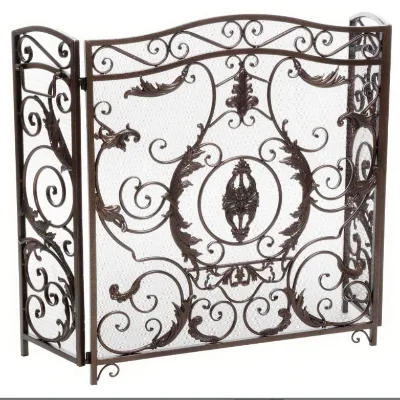
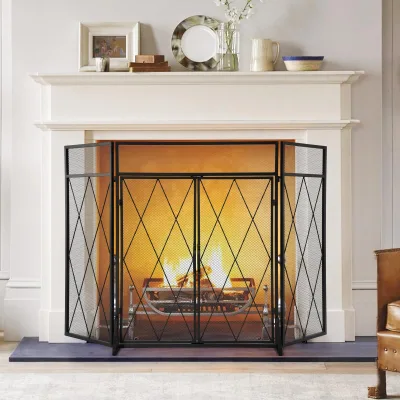
Find and compare 30 Modern Wood Fuel Fireplace Screen options from verified Chinese manufacturers. Evaluate metal construction, powder-coated finishes, and heat resistance features for indoor, outdoor, and camping applications.
Key considerations
Products List
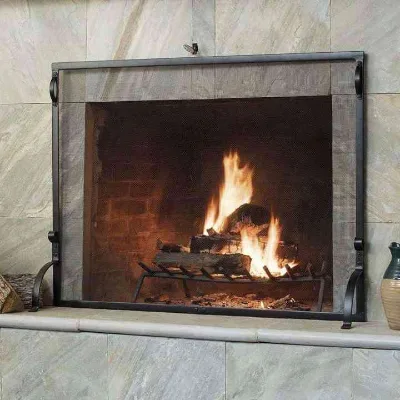


Modern Fireplace Logs Ceramic Wood for Gas Fireplace or Ethanol Fireplace
$5.00 - $13.00
MOQ: 100 Sets


Outdoor Square Steel Fire Pit Wood Burning Fireplace with Spark Screen
$16.90 - $19.80
MOQ: 100 Pieces


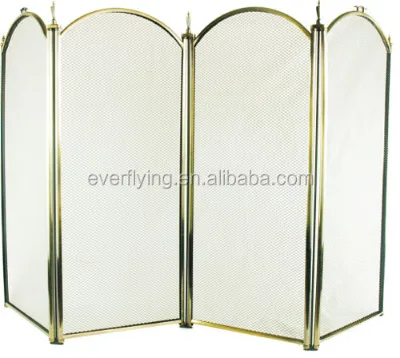
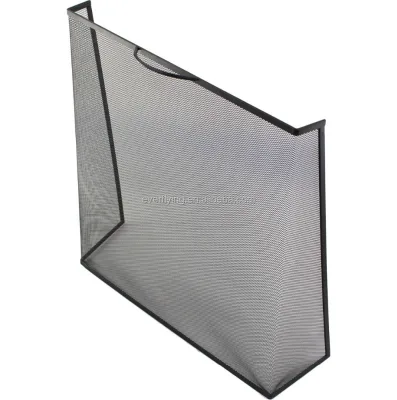
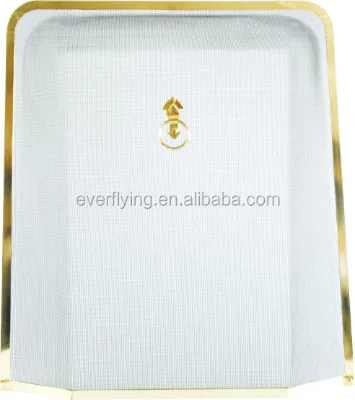


Household Indoor Wood Burning Fireplace Independent Design with Quality Control
$238.00 - $288.00
MOQ: 10 Pieces



Comprehensive Sourcing Guide
Modern Wood Fuel Fireplace Screen Sourcing Guide
Sourcing a Modern Wood Fuel Fireplace Screen requires a careful balance between aesthetic integration and functional safety. These screens serve as critical barriers in residential and commercial settings, protecting occupants from sparks and excessive radiant heat while maintaining an unobstructed view of the fire. The procurement process must account for the specific material properties, finish durability, and dimensional compatibility of the fireplace opening. Buyers should prioritize suppliers who demonstrate clear manufacturing capabilities in metal fabrication, as the structural integrity of the screen is paramount for long-term use in high-temperature environments.
The market for these products is diverse, ranging from simple decorative guards to complex, heat-resistant barriers with advanced features. Procurement teams must distinguish between screens designed for indoor hearths and those intended for outdoor or camping applications, as the material thickness and coating requirements differ significantly. Understanding the specific application context is the first step in defining technical requirements. This guide outlines the essential verification steps, compliance checks, and commercial considerations necessary to secure a reliable supply of modern wood fuel fireplace screens that meet both safety standards and design expectations.
Product Scope and Observed Listing Signals
The observed product landscape includes a variety of fireplace screens constructed primarily from metal, with finishes such as powder coating to enhance durability and aesthetic appeal. Listings indicate a wide range of model numbers, suggesting that suppliers offer customized or semi-customized solutions rather than a single standardized item. Buyers should note that while many products are marketed for indoor use, some listings also specify suitability for outdoor or camping applications, which may imply different structural reinforcements or weather-resistant treatments. The presence of "modern" and "classic" style tags indicates that design flexibility is a key selling point, allowing buyers to match the screen to existing interior decor or architectural themes.
Commercial signals from the market show that minimum order quantities (MOQs) can vary significantly, with some suppliers accepting orders as low as one piece while others require bulk purchases of hundreds of units. This variance suggests a mix of retail-ready inventory and wholesale manufacturing capabilities. Price points observed in the market span a broad range, reflecting differences in material gauge, finish quality, and included features such as heat resistance or custom logo printing. Buyers must carefully evaluate whether the listed price includes packaging and shipping, as the single gross weight of some items indicates substantial shipping volume. Understanding these commercial signals helps in forecasting total landed costs and determining the feasibility of small-batch testing versus large-scale deployment.
Technical Specifications to Verify
Dimensional accuracy is the most critical technical specification for fireplace screens, as an ill-fitting screen can compromise safety and aesthetic appeal. Buyers must verify the exact width, height, and depth requirements against the fireplace opening, noting that some products specify standard dimensions while others offer adjustable ranges. For instance, certain models are designed to fit specific standard sizes, while others may require precise measurement of the hearth area. The single package size and gross weight provided by suppliers offer insights into the shipping logistics and handling requirements, which is particularly important for large, heavy metal screens. Ensuring that the screen dimensions align with the fireplace mantel or surround is essential for proper installation and stability.
Material composition and finish quality directly impact the longevity and performance of the fireplace screen. Metal screens should be evaluated for their thickness and resistance to warping under heat exposure. Powder-coated finishes are common and offer good protection against rust and scratches, but buyers should verify the quality of the coating process to ensure it can withstand repeated heating and cooling cycles. Additionally, features such as heat resistance and overheating protection, if applicable, should be clearly defined. While some screens are simple barriers, others may include additional features like adjustable thermostats or remote controls, though these are less common for basic wood fuel screens. Buyers should request detailed material specifications and finish samples to assess quality before placing large orders.
Compliance and Safety Documentation
Safety certifications are non-negotiable for fireplace screens, as they serve as a primary defense against fire hazards. Buyers must verify that products carry relevant safety certifications, such as GS or CE marks, which indicate compliance with European safety standards. These certifications ensure that the materials used are non-toxic and that the structural integrity of the screen meets rigorous testing protocols. It is crucial to request valid certification documents from suppliers and to verify their authenticity through the issuing bodies. Without proper certification, the risk of product liability and safety incidents increases significantly, potentially leading to legal and financial repercussions for the buyer.
In addition to formal certifications, buyers should inquire about specific safety features such as overheating protection and heat resistance ratings. While basic screens may not have active protection mechanisms, they should be designed to dissipate heat effectively and prevent ignition of nearby combustible materials. Documentation should also include information on the fuel type compatibility, ensuring that the screen is suitable for wood fuel fires. Buyers should also check for any specific warnings or usage instructions provided by the manufacturer, as improper use can void warranties and compromise safety. Clear communication of these safety aspects to end-users is essential for responsible product deployment.
Cost Drivers and Commercial Terms
The cost of modern wood fuel fireplace screens is influenced by several factors, including material costs, manufacturing complexity, and customization requirements. Customization options, such as logo printing or specific color finishes, can add to the unit price and may require higher MOQs. Buyers should negotiate clearly on pricing tiers and understand the cost implications of any customizations. The observed MOQ range of 1 to 500 pieces suggests that suppliers are flexible, but buyers should be aware that lower MOQs may come with higher per-unit costs. Understanding these cost drivers allows for more accurate budgeting and negotiation strategies.
Commercial terms such as payment methods, shipping arrangements, and lead times are also critical components of the procurement process. Buyers should clarify whether the quoted price includes packaging, as standard safe packing or custom packaging options can affect the final cost. Lead times can vary based on production volume and customization needs, so it is important to establish clear delivery schedules. Additionally, buyers should consider the total landed cost, including freight, insurance, and any applicable duties or taxes. Transparent communication regarding these commercial terms helps prevent unexpected expenses and ensures a smooth procurement process.
Supplier Qualification and Quality Control
Supplier qualification is a vital step in ensuring the reliability and consistency of the product supply. Buyers should assess suppliers based on their manufacturing capabilities, quality control processes, and track record in the industry. Suppliers located in regions known for metal fabrication, such as Fujian or Hebei in China, may offer competitive advantages in terms of cost and expertise. However, buyers must verify the supplier's ability to maintain consistent quality across production batches. Requesting samples and conducting factory audits can provide valuable insights into the supplier's operational standards and commitment to quality.
Quality control measures should be clearly defined and agreed upon before production begins. This includes specifications for material inspection, finish quality, and dimensional accuracy. Buyers should establish clear acceptance criteria and inspection protocols, such as pre-shipment inspections or third-party quality audits. Communication with the supplier regarding any defects or non-conformities should be prompt and documented. By implementing robust quality control measures, buyers can minimize the risk of receiving substandard products and ensure that the fireplace screens meet their safety and aesthetic requirements.
Long-Term Procurement Checks
Long-term procurement success depends on continuous monitoring of supplier performance and product quality. Buyers should establish key performance indicators (KPIs) to track metrics such as on-time delivery, defect rates, and customer satisfaction. Regular reviews of these metrics can help identify potential issues early and allow for corrective actions. Additionally, buyers should maintain open communication with suppliers to address any emerging challenges or changes in market conditions. Building a strong, collaborative relationship with suppliers can lead to better pricing, improved service, and greater flexibility in meeting future procurement needs.
As market trends and safety standards evolve, buyers must stay informed about any changes that may impact their procurement strategy. This includes monitoring updates to certification requirements, material regulations, and consumer preferences for design and functionality. Periodic re-evaluation of the supplier base and product offerings ensures that the procurement strategy remains aligned with business goals and customer expectations. By proactively managing these long-term checks, buyers can sustain a reliable supply chain and continue to deliver high-quality modern wood fuel fireplace screens to their customers.
FAQs
What materials are used for the Modern Wood Fuel Fireplace Screen?
The product is constructed from metal with a powder-coated finish for durability. It is designed to withstand heat resistance while serving as a screen for wood fireplaces or stoves in various settings.
Can I customize the logo and packaging for this fireplace screen?
Yes, customization is available for both the logo and the packaging. The standard safe packing can be adapted, and the product accepts custom logo printing to meet specific branding requirements.
What is the minimum order quantity for purchasing this screen?
The minimum order quantity is 100 pieces for this specific model. Buyers should note that while some listings show lower MOQs, the confirmed requirement for this item is 100 units.
Where is this Modern Wood Fuel Fireplace Screen manufactured?
The product originates from Fujian, China, with some variants potentially coming from Hebei. These locations are the confirmed places of origin for the listed metal fireplace screens.
Does this fireplace screen include overheating protection features?
Some models include overheating protection while others do not, depending on the specific configuration. Buyers must verify the exact model specifications as features vary between the listed options.
What certifications does this metal fireplace screen hold?
The product holds GS and CE certifications, ensuring compliance with relevant safety standards. These certifications apply to the metal construction and powder-coated finish of the fireplace screen.
Is this fireplace screen suitable for outdoor use?
Yes, the product is designed for both indoor and outdoor usage. It functions effectively as a screen for fireplaces, camping, and other applications requiring heat resistance in various environments.