Source Electroplated Charger Pins for Industrial Use, Car Charging, and AC Plugs
Find 27 listings for Electroplated Charger Pins with varying current ratings and plating options. Buyers can compare specifications like 16A capacity, brass materials, and European standard contact pins for industrial and vehicle charging applications.
Key considerations
Products List


$5.50 - $9.50
MOQ: 1000 Sets


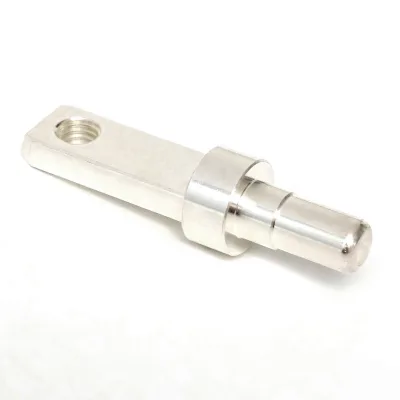


Solid Metal Male Contact Charging Terminal Pin for Electronic Power Supply
$0.45 - $0.80
MOQ: 1000 Pieces

Comprehensive Sourcing Guide
Strategic Sourcing Guide for Electroplated Charger Pins
Understanding Technical Specifications and Material Composition
When sourcing Electroplated Charger Pins, buyers must first establish a clear understanding of the technical parameters that define product performance and compatibility. The core component of these pins is the base material, which directly influences conductivity, mechanical strength, and corrosion resistance. Based on available market data, the primary materials utilized include Brass (specifically grades H65, H62, and C2680) and Copper. These materials are selected for their superior electrical conductivity and malleability, which are essential for the precision stamping and forming processes required to create reliable contact points.
The electrical ratings are critical for ensuring the pins can handle the intended load without overheating or failing. Observed specifications indicate a nominal voltage range that can include 250V and 380V, suggesting versatility across different power standards. The current rating is frequently cited as 16A, a standard threshold for many industrial and consumer charging applications. However, buyers must verify that the specific batch or model they intend to purchase aligns with their system's voltage and amperage requirements, as variations exist between models such as the EU-01-002 and HS-BS-16 series.
The physical dimensions and plating thickness are equally vital. Dimensions vary significantly depending on the application, with specific models listed with sizes such as 23.56.251.4mm or 4.02.043.5mm. The surface finishing process is a key differentiator; common finishes include nickel plating and gold plating. Gold plating, often noted as "7mm gold plating contact pins" in specific contexts, is typically employed for superior corrosion resistance and lower contact resistance, making it ideal for high-reliability applications. Conversely, nickel plating offers a robust barrier against oxidation at a potentially lower cost. The interface type is generally categorized as AC/DC, supporting functions ranging from AC plugs to DC plugs and charger plugs, often adhering to European Standard Contact Pins configurations.
Compliance, Certification, and Regulatory Standards
Navigating the regulatory landscape is a non-negotiable aspect of sourcing industrial components. For Electroplated Charger Pins intended for global markets, compliance with international safety and environmental standards is paramount. The supply chain data indicates that products often carry certifications such as RoHS (Restriction of Hazardous Substances), which restricts the use of specific hazardous materials in electrical and electronic equipment. Additionally, some listings reference ISO certifications, including ISO9001-2015, ISO9001-2008, and ISQ9001-2015, which verify that the manufacturer adheres to established quality management systems.
Beyond general certifications, specific regional standards apply. The "European Standard" is frequently mentioned, implying that the pin geometry and electrical characteristics are designed to meet the rigorous safety requirements of the European Union. Buyers should also look for CE marking, which indicates conformity with health, safety, and environmental protection standards for products sold within the European Economic Area. While REACH is a background consideration in the broader industry, its specific application to a given lot should be confirmed with the supplier to ensure no restricted substances are present in the plating or base metal.
It is crucial to distinguish between the presence of a certification and the actual validity of that certification for a specific order. Buyers must request current test reports and certificates of compliance rather than relying solely on marketing claims. The presence of an ISO standard does not automatically guarantee that every unit in a shipment meets the tolerance requirements; therefore, verification of the specific production batch against the cited standard is necessary.
Cost Drivers and Pricing Dynamics
The pricing of Electroplated Charger Pins is influenced by a complex interplay of material costs, manufacturing complexity, and order volume. The base material is a primary cost driver; copper and high-grade brass are subject to global commodity price fluctuations. Furthermore, the type of plating significantly impacts the final price. Gold plating is inherently more expensive than nickel plating due to the cost of the precious metal and the specialized electroplating process required to achieve uniform coverage.
Order volume, represented by the Minimum Order Quantity (MOQ), is another decisive factor. Market observations show a wide range in MOQs, from as low as 1 unit for prototyping or small-batch needs up to 50,000 or even 100,000 units for bulk industrial production. Suppliers often structure their pricing tiers to incentivize larger orders, meaning the unit cost will decrease as the order quantity increases. Buyers should be aware that extremely low MOQs might come with a premium per-unit cost, while high-volume orders may require significant upfront capital but offer better long-term value.
Additional cost factors include customization. While standard pins are available, the "Customization: Available" attribute indicates that buyers can request specific dimensions, plating thicknesses, or packaging configurations. Custom molds and tooling, such as the "Simple Single Process Dies" mentioned in some contexts, incur setup costs that are amortized over the production run. Packaging requirements, such as "Cartons + Pallet" or "1000PCS/Bag," also add to the logistics cost. Buyers should request a detailed breakdown of costs to understand how much of the price is attributed to raw materials versus processing and packaging.
Typical Applications and Usage Scenarios
Electroplated Charger Pins are versatile components designed for a variety of high-demand applications. The primary usage category identified is "Industrial Use," which encompasses a broad spectrum of machinery and equipment requiring reliable power transmission. Within this category, a specific and growing application is "Charging Car Use," indicating their role in electric vehicle (EV) charging infrastructure and related automotive electronics. The ability to function as both AC and DC plugs allows these pins to serve in diverse power delivery systems, from standard wall outlets to high-voltage charging stations.
The "European Standard" designation suggests a strong fit for markets in Europe and regions that adopt similar electrical standards. These pins are integral to the connection interface where power is transferred from a source to a device. The high corrosion resistance attribute is particularly valuable in environments where the components may be exposed to moisture, temperature fluctuations, or chemical exposure. The "Fine Blanking: Open" process and "Shaping Metal" techniques ensure that the pins maintain their structural integrity under mechanical stress, making them suitable for repeated mating and unmating cycles in charging connectors.
Supplier Evaluation and Manufacturing Capabilities
Selecting the right supplier requires a thorough evaluation of their manufacturing capabilities and quality assurance processes. The origin of the products is predominantly China, with specific manufacturing hubs noted in Dongguan. This region is known for its dense ecosystem of metal stamping and electroplating facilities. Buyers should verify the supplier's specific location and capacity to ensure they can meet delivery schedules.
Key indicators of a capable supplier include their adherence to standards like ISO9001 and their ability to provide "Customized" solutions. The presence of "Electroplating" as a specified process indicates in-house or dedicated plating capabilities, which is preferable to outsourcing, as it allows for better control over plating thickness and quality. Buyers should inquire about the specific machinery used, such as the "Forming Process" equipment and the "Mould" types employed. The mention of "Tolerances: 0.02mm" suggests a high level of precision in manufacturing, which is essential for ensuring a secure fit in charging interfaces.
Furthermore, the supplier's logistics capabilities should be assessed. Terms of shipment such as CIF (Cost, Insurance, and Freight), FOB (Free on Board), and EXW (Ex Works) indicate the level of service and responsibility the supplier is willing to take. A supplier offering multiple shipping terms demonstrates flexibility and experience in international trade. Buyers should also evaluate the supplier's response to quality issues and their willingness to provide samples for testing before committing to large orders.
Quality Control and Long-Term Procurement Considerations
Implementing a robust quality control (QC) strategy is essential to mitigate risks associated with component failure. Given the critical nature of charger pins in power delivery systems, even minor defects can lead to significant operational disruptions. Buyers should establish clear acceptance criteria based on the observed specifications, such as the 16A current rating and 250V/380V nominal voltage. Regular incoming quality inspections should verify dimensions, plating integrity, and material composition.
Long-term procurement considerations involve building a resilient supply chain. The wide range of observed MOQs (1 to 50,000 units) allows for a phased approach to sourcing, starting with smaller orders to validate quality before scaling up. However, buyers must be mindful of the potential for supply chain disruptions. Establishing relationships with suppliers who have proven track records in meeting ISO standards and providing consistent quality is vital.
Buyers should also consider the lifecycle of the product. The "High Corrosion Resistance" attribute suggests a long service life, but this must be validated under the specific operating conditions of the buyer's application. Regular audits of the supplier's production line and periodic re-testing of samples can ensure that quality remains consistent over time. Additionally, maintaining open communication regarding any changes in raw material sourcing or manufacturing processes will help prevent unexpected variations in product performance. By focusing on these strategic elements, buyers can secure a reliable supply of high-quality Electroplated Charger Pins that meet their technical and operational requirements.
FAQs
What certifications do Electroplated Charger Pins typically have?
Products often carry RoHS, CE, and ISO certifications to ensure compliance. Some listings specify ISO9001-2015 or ISO9001-2008 standards for quality management. Buyers should verify current test reports for specific batches rather than relying solely on general claims.
Which materials are used for Electroplated Charger Pins?
The primary materials include Brass grades H65, H62, C2680, and Copper. These materials are selected for superior electrical conductivity and malleability. The choice affects mechanical strength and corrosion resistance for industrial and charging applications.
Can buyers request customization for charger pin specifications?
Yes, customization is available for dimensions, plating, and packaging configurations. Buyers can specify sizes like 23.5*6.25*1.4mm or request custom plating finishes. Custom molds and tooling may incur setup costs amortized over the production run.
What is the minimum order quantity for these pins?
MOQs range from 1 unit for prototyping up to 100,000 units for bulk production. Specific models may require 50,000 or 100,000 units as a baseline. Lower MOQs often come with higher per-unit costs compared to large volume orders.
How are Electroplated Charger Pins typically packaged for shipment?
Packaging options include cartons with pallets, export cartons, or 1000 pieces per bag. The specific packing method depends on the supplier and order requirements. Buyers should confirm packaging details to ensure safe transport and storage.
What are the standard voltage and current ratings for these pins?
Nominal voltages observed include 250V and 380V with a current rating of 16A. These ratings support industrial use and charging car applications. Buyers must verify that specific models align with their system's electrical requirements.
Where are these charger pins manufactured and shipped from?
Products originate from China, with specific manufacturing hubs in Dongguan. Shipping terms include CIF, FOB, and EXW to accommodate different logistics needs. Buyers should verify the specific location and capacity of the supplier.